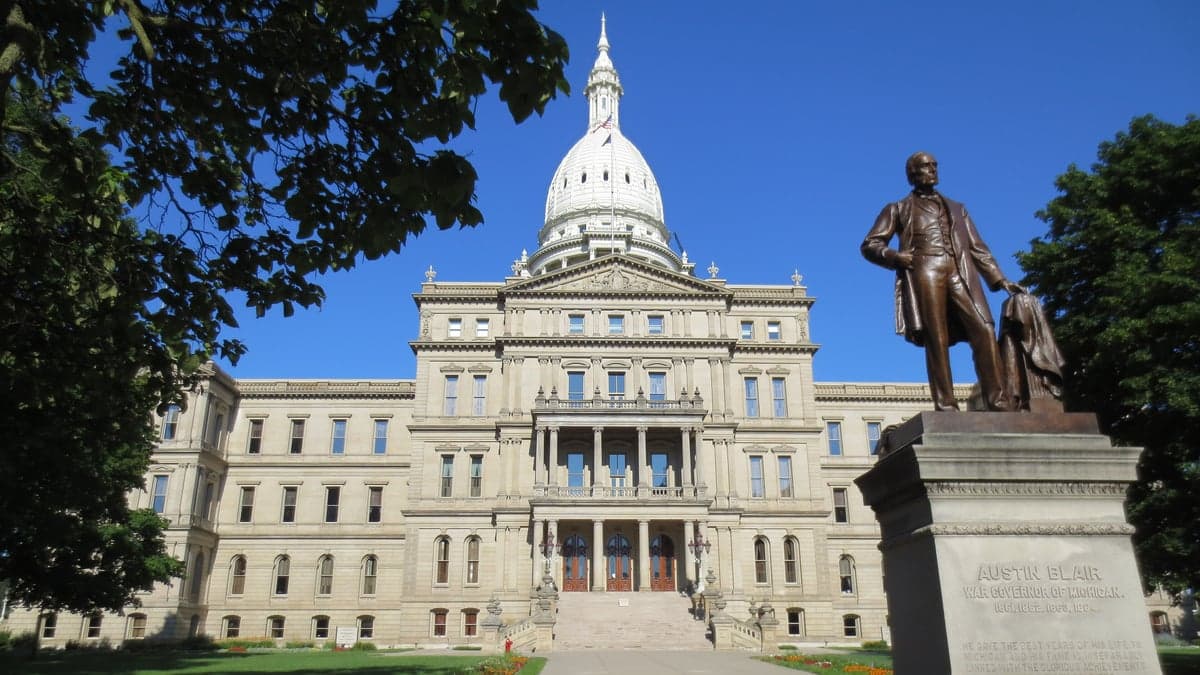
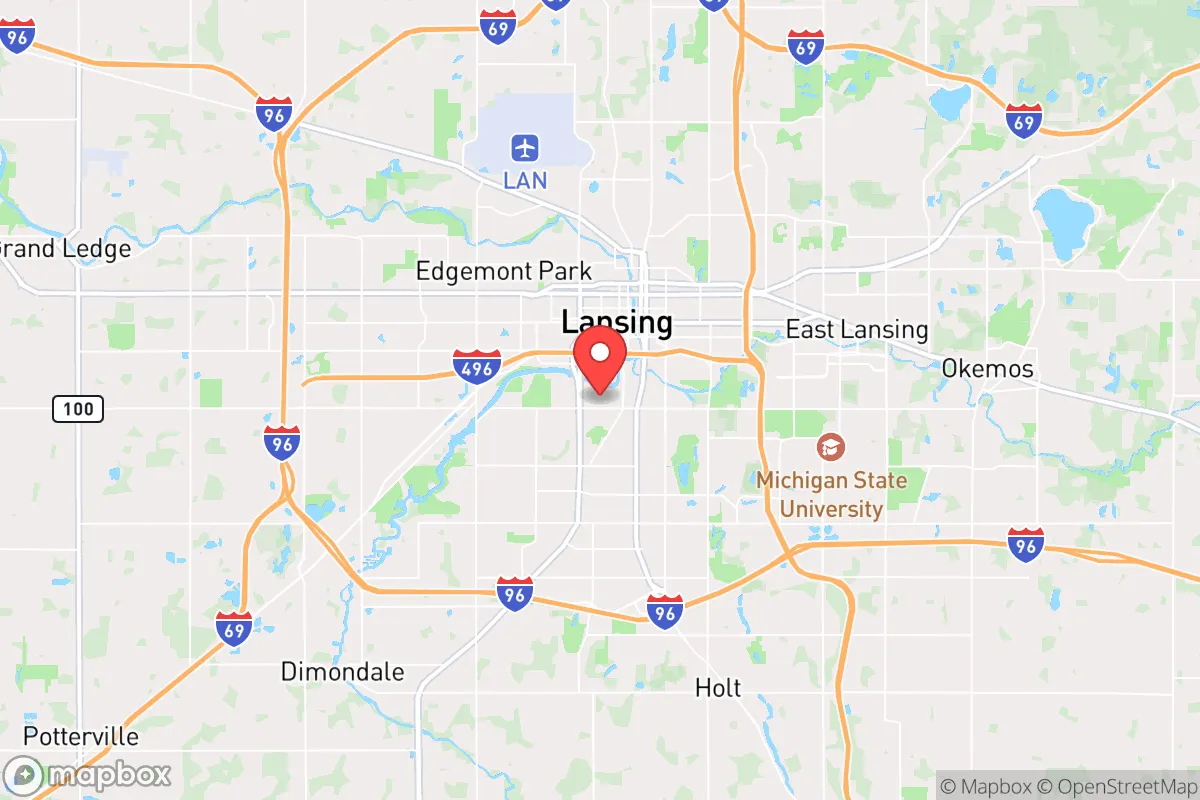
Photo: Wikipedia
Quality of Life in Lansing, MI
Above-average quality of iife. The area offers a reasonable cost of living, decent mobility, and a mix of neighborhood amenities.
What does Quality of Life tell us?
Quality of Life blends cost of living, nearby amenities, socioeconomic signals, and neighborhood character. City-level scores represent the whole municipality; individual neighborhoods can differ.
What does this tell us?
Quality of Life blends cost of living, nearby amenities, socioeconomic signals, and neighborhood character. City-level scores represent the whole municipality; individual neighborhoods can differ.
Cost of Living
33% below national average
The Real Cost of Living in Lansing, MI for 2026
| Tier | Individual | Family (4) |
|---|---|---|
| Survival | $16k | $29k |
| Comfortable | $25k | $37k |
| Luxury | $82k+ | $127k+ |
| Elite (Top 5%) | $96k+ | $149k+ |
142%
The Area Signal
A metric tracking the socioeconomic signals of the area.
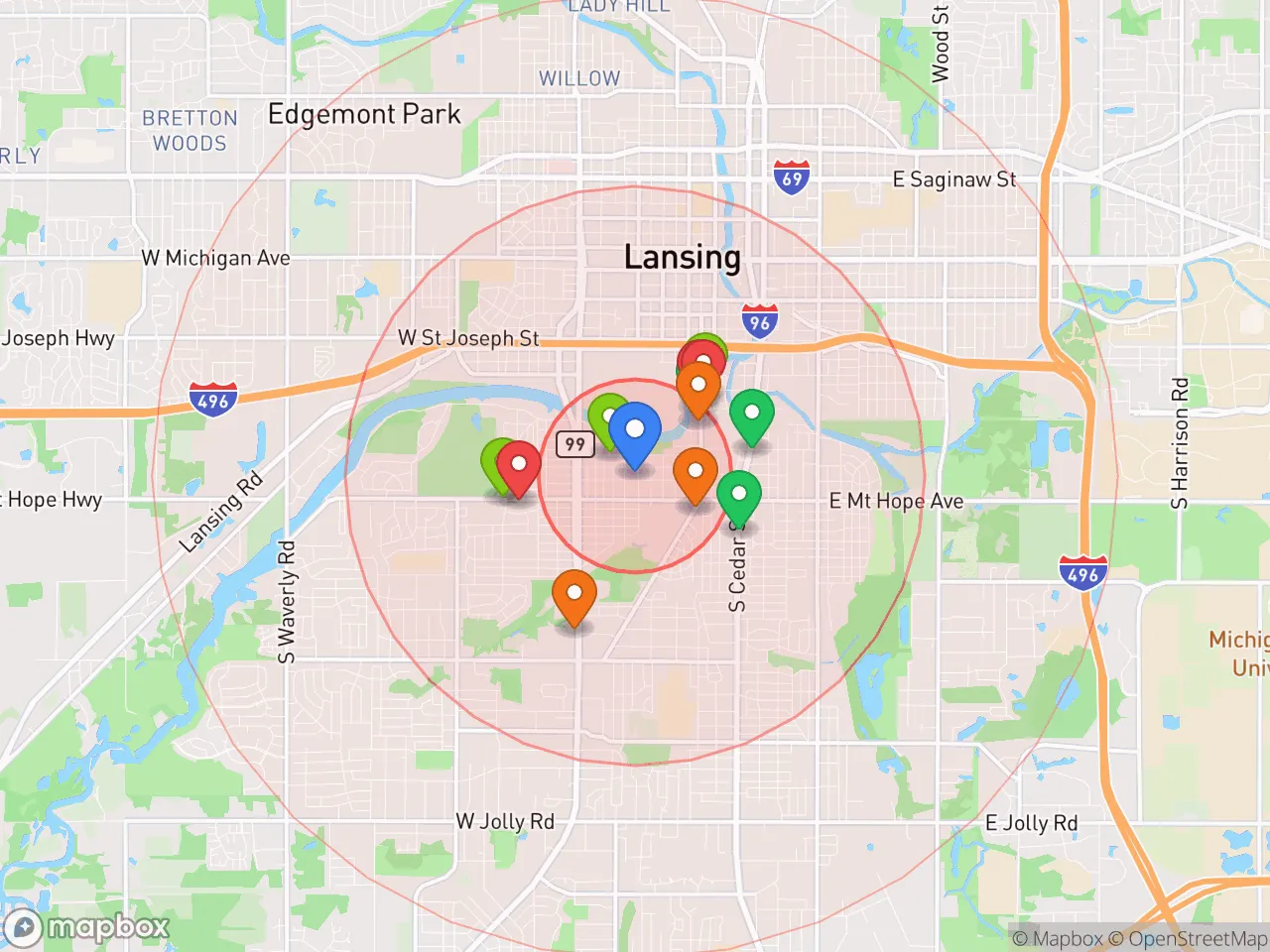
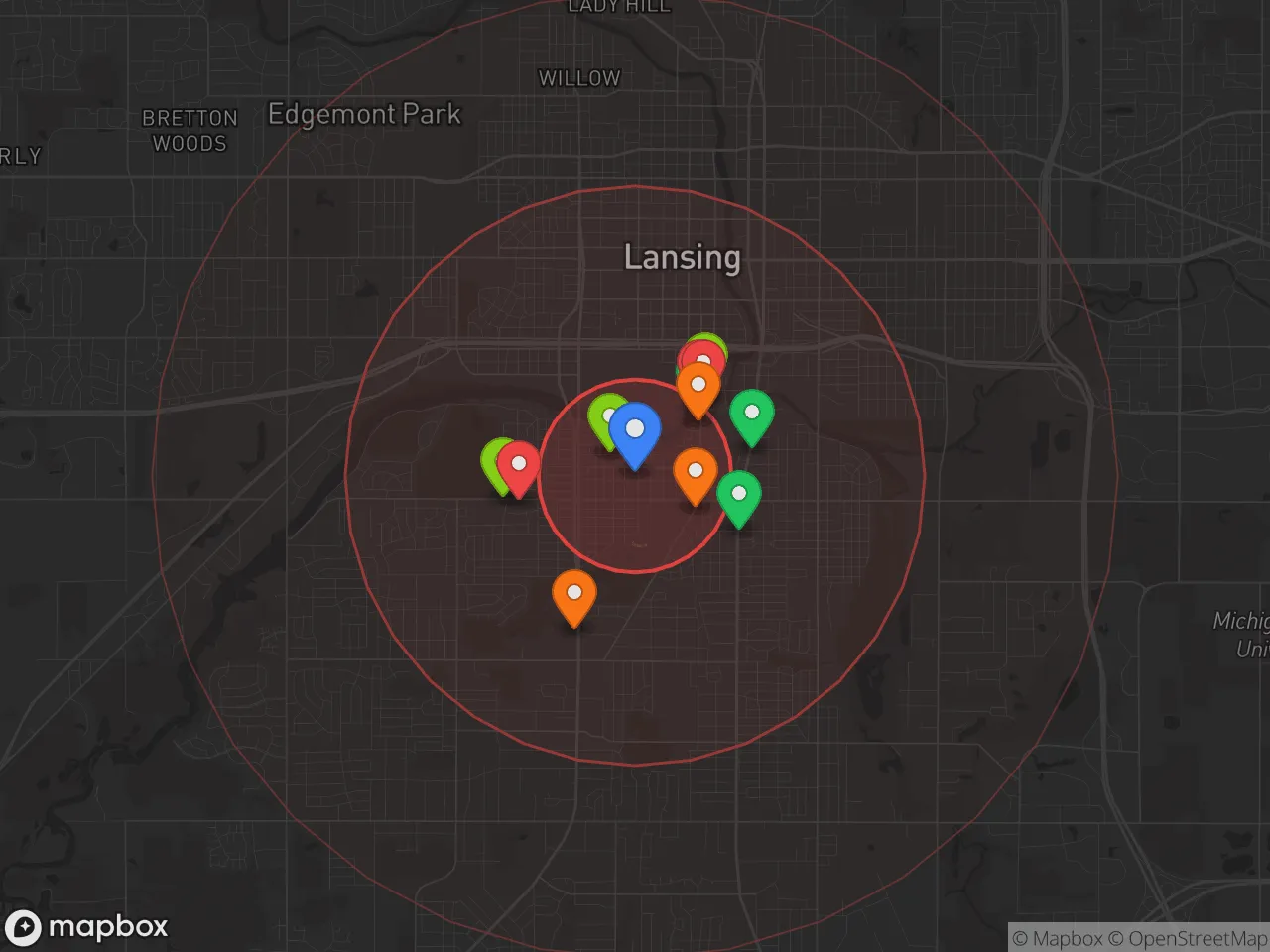
Hobbies
Explore the areaGroceries
5 within 10 miles
Gas
20 within 10 miles
Hospital
9 within 20 miles
Airport
DTW — Detroit Metropolitan Wayne County
Post Office
USPS — Lansing, MI
Critical Amenities
Quality-of-Life Analysis
Lansing, Michigan offers a notably lower cost of living than most of the United States, with a composite index of 67 (33% below the national average), making it one of the most affordable state capitals in the country. The population is a mix of state government employees, Michigan State University students and faculty, and manufacturing workers, creating a pragmatic, middle-class community with a strong public-sector anchor. While the city itself has a median household income slightly below the state average, the surrounding metropolitan area includes more affluent suburbs like East Lansing and Okemos, which pull up regional wealth and provide a contrast in housing stock and school quality.
Cost of living, housing affordability, and how Lansing compares to nearby cities
Housing is the primary driver of Lansing’s low cost of living. The median home value sits at $119,400, roughly one-third of the national median and significantly cheaper than nearby Ann Arbor (median ~$400,000) or Grand Rapids (~$280,000). Median rent is $976, which is attainable for a single earner making the area’s median wage of roughly $50,000. The average commute is just 19.7 minutes, well under the national average of 26 minutes, which reduces transportation costs and frees up time for family or recreation. Property taxes in Ingham County average about 1.5% of assessed value, slightly above the national norm but manageable given the low purchase prices. For renters or first-time buyers, Lansing offers a clear affordability advantage over any other major city in Michigan’s Lower Peninsula.
What daily life is like: amenities, schools, and the local rhythm
Daily life in Lansing revolves around a compact downtown core anchored by the Michigan State Capitol, the Lansing Center convention complex, and a growing food scene along Washington Avenue. The city’s public school district, Lansing School District, serves roughly 10,000 students and has faced chronic underfunding and enrollment declines, leading many families to choose suburban districts like Okemos Public Schools (rated among the top in the state) or Haslett Public Schools. For recreation, the 10-mile-long Lansing River Trail connects parks, the Potter Park Zoo, and Michigan State University’s campus in East Lansing. The area’s rhythm is slower than Detroit or Ann Arbor, with a strong emphasis on local events like the Common Ground Music Festival and the East Lansing Art Festival. Healthcare access is solid, with Sparrow Hospital and McLaren Greater Lansing providing full-service care within city limits.
Lansing is best suited for budget-conscious professionals, state employees, and families who prioritize low housing costs and a short commute over high-end urban amenities or top-tier public schools. Retirees on fixed incomes also find the affordability attractive, as do remote workers who can keep a higher salary while paying Lansing’s low rent. The city’s economic stability, anchored by state government and Michigan State University, means fewer boom-and-bust cycles than manufacturing-dependent towns, but job growth outside the public sector remains modest. For anyone seeking a low-stress, affordable Midwestern lifestyle with access to a major university and state government resources, Lansing delivers a practical, no-frills quality of life.

Crime in Lansing, MI
Higher crime rates than 63% of comparable U.S. locations.
Violent CrimeViolent Crime Analysis
Property CrimeProperty Crime Analysis
Crime Analysis
Lansing, Michigan, faces a serious public safety challenge, with violent and property crime rates that significantly exceed both state and national averages. The city's 2023 crime data shows a violent crime rate of 972.2 incidents per 100,000 residents and a property crime rate of 1,728.4 per 100,000, placing it among the more dangerous mid-sized cities in the Midwest. These figures reflect a community where residents must remain vigilant, particularly given the broader context of progressive criminal justice policies in Ingham County that prioritize offender rehabilitation over strict enforcement.
Crime in context
Lansing's violent crime rate is more than double the national average of roughly 380 per 100,000 and nearly triple the Michigan state average of approximately 460 per 100,000. Property crime, while closer to national norms, still outpaces the state average by about 30%. The city's crime index is heavily influenced by its status as the state capital, which concentrates both economic opportunity and socioeconomic disparity. Ingham County's elected prosecutors and judges have implemented policies such as reduced cash bail, diversion programs for repeat property offenders, and sentencing guidelines that emphasize treatment over incarceration. Critics argue these progressive approaches, while well-intentioned, have contributed to a revolving-door justice system that fails to deter chronic offenders and leaves victims feeling marginalized.
What residents experience
For those living in Lansing, the most tangible impact is the prevalence of property crime, particularly vehicle theft and burglary. The property crime rate of 1,728.4 per 100,000 means roughly 1 in 58 households experiences a theft or break-in annually. Violent crime, while less common, is concentrated in specific areas and often involves aggravated assault and robbery. Residents report that police response times have lengthened due to staffing shortages, and many express frustration that repeat offenders are quickly released back onto the streets. The city's downtown and Michigan State University-adjacent neighborhoods see higher foot traffic and generally lower violent crime, but property crime remains a persistent issue even in these areas.
Neighborhood-level variation is significant. The south side and parts of the west side, particularly around the MLK Boulevard corridor, experience the highest violent crime rates. In contrast, the east side near the Grand River and the historic Old Town district tend to be safer, though property crime still occurs. Suburban communities like East Lansing, Haslett, and Okemos offer substantially lower crime rates, often with violent crime figures below 150 per 100,000, making them attractive alternatives for those who work in the capital but prioritize safety. For anyone considering a move to Lansing, a thorough review of block-level crime maps and a conversation with local law enforcement are strongly recommended before committing to a specific neighborhood.
* Values derived from national, state, county, city and local statistics and may differ in a specific area. Last updated: 2026-05-03T10:53:41.000Z
Narrative content on this page is AI-generated and may contain mistakes. Verify any details that matter before acting on them.
ReloMaps may earn a commission from affiliate links at no extra cost to you.

