 Popular
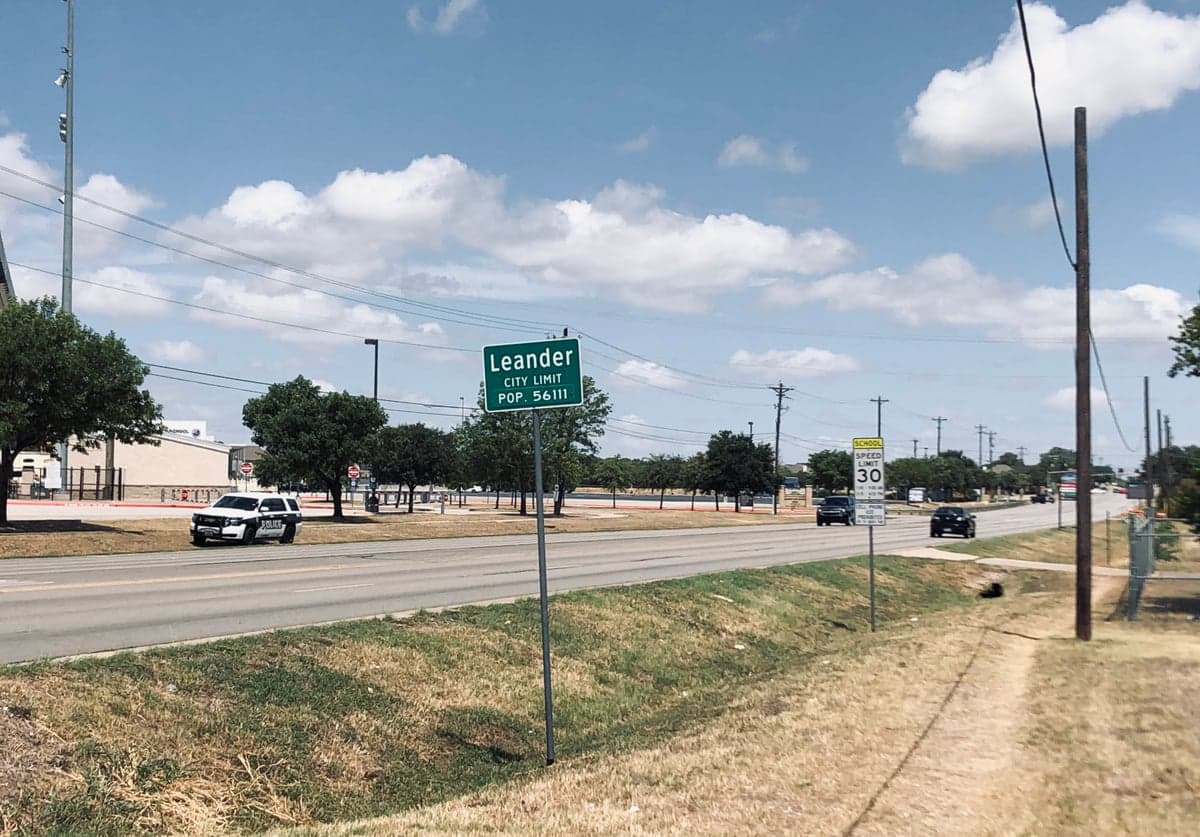
Photo: Wikipedia
Quality of Life in Leander, TX
A high quality of life with strong walkability, manageable living costs, healthy neighborhood signals, and solid amenity access.
What does Quality of Life tell us?
Quality of Life blends cost of living, nearby amenities, socioeconomic signals, and neighborhood character. City-level scores represent the whole municipality; individual neighborhoods can differ.
What does this tell us?
Quality of Life blends cost of living, nearby amenities, socioeconomic signals, and neighborhood character. City-level scores represent the whole municipality; individual neighborhoods can differ.
Cost of Living
63% above national average
The Real Cost of Living in Leander, TX for 2026
| Tier | Individual | Family (4) |
|---|---|---|
| Survival | $30k | $56k |
| Comfortable | $91k | $134k |
| Luxury | $206k+ | $319k+ |
| Elite (Top 5%) | $242k+ | $375k+ |
104%
The Area Signal
A metric tracking the socioeconomic signals of the area.
Hobbies
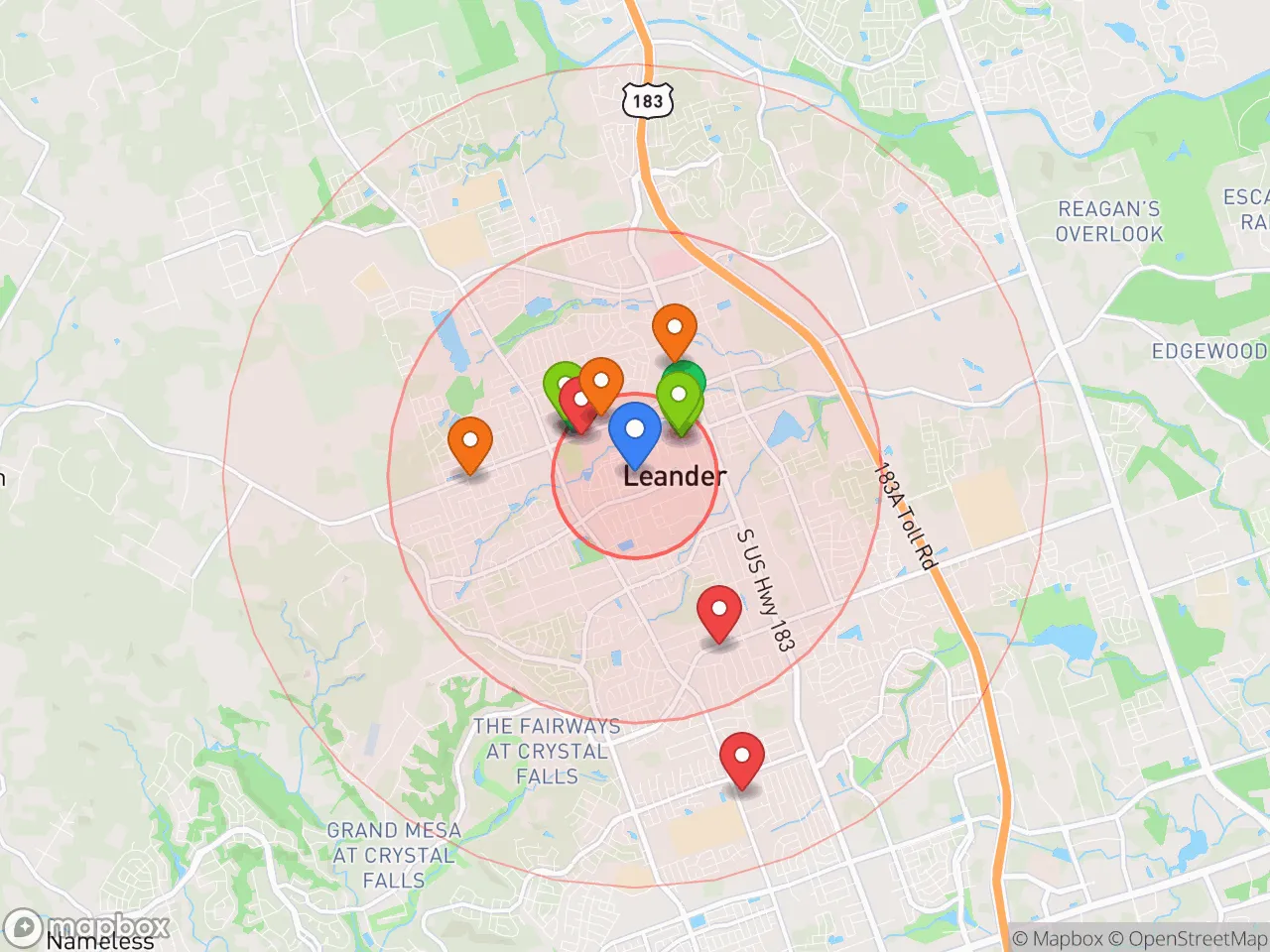
Explore the areaGroceries
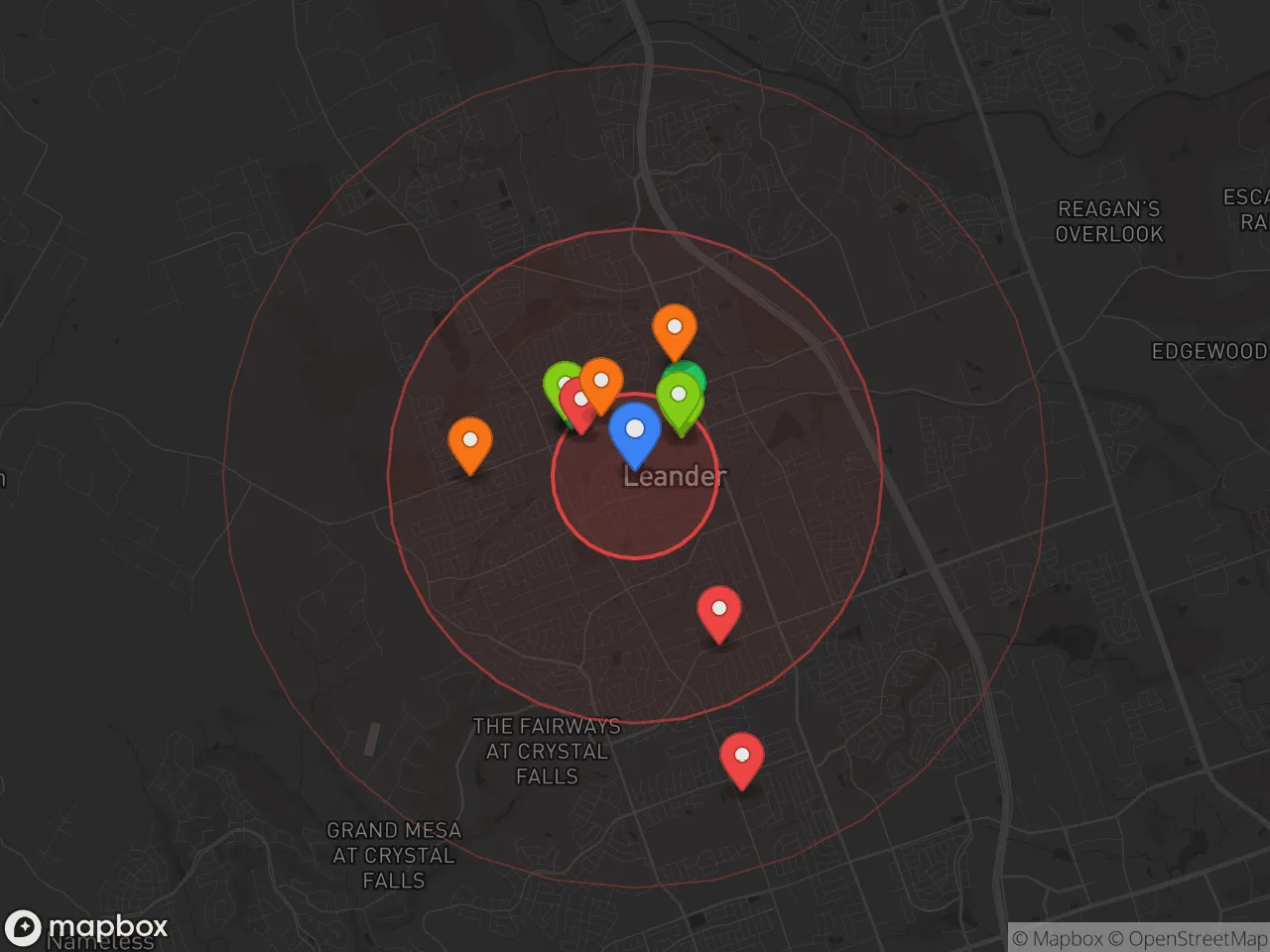
7 within 10 miles
Gas
20 within 10 miles
Hospital
20 within 20 miles
Airport
AUS — Austin-Bergstrom International
Post Office
USPS — Leander, TX
Critical Amenities
Quality-of-Life Analysis
Leander, Texas, presents a quality of life defined by rapid suburban growth, above-average affluence, and a demographic dominated by young families and professionals drawn to the Austin metro area’s job market. With a cost-of-living index of 163—63% above the national average—the city commands a premium for its newer housing stock, highly rated schools, and relative safety, attracting residents who prioritize space and community over urban proximity. The typical Leander resident is a homeowner with a median household income well above the state average, commuting into Austin or Round Rock for work while enjoying a quieter, master-planned lifestyle at home.
Cost of living, housing costs, and how Leander compares to nearby suburbs
Leander’s housing market is the primary driver of its elevated cost of living. The median home value sits at $470,700, significantly higher than the national median of roughly $350,000 but notably lower than central Austin’s median above $600,000. Median rent of $1,865 per month places Leander in line with other fast-growing Williamson County suburbs like Cedar Park and Georgetown, though it remains more affordable than the pricier enclaves of Westlake or Lakeway. For buyers, the trade-off is clear: newer construction, larger lot sizes, and lower property tax rates than Travis County (Leander’s effective rate is roughly 2.1% versus Austin’s 2.4%) offset the higher purchase price. Renters face a tight market, with vacancy rates below 5% as of early 2026, making early lease signing essential. Compared to Round Rock, Leander’s home values are about 8% higher, reflecting its newer subdivisions and stronger school reputation.
What daily life is like for families: amenities, schools, and commute realities
Daily life in Leander revolves around its highly regarded Leander Independent School District (LISD), which consistently earns A ratings from the Texas Education Agency and feeds into top-ranked high schools like Vandegrift and Leander High. The city’s amenity base includes the sprawling Robin Bledsoe Park with sports fields and a dog park, the Lakewood Park Trail system, and the 1,600-acre Lake Travis access points just west for boating and fishing. Retail and dining are concentrated along the 183A toll road corridor, anchored by the 1890 Ranch shopping center and a growing number of local eateries. The average commute of 29.96 minutes reflects the reality of living 25 miles northwest of downtown Austin; most residents drive the 183A toll road or US 183, with peak-hour trips to the Domain or downtown often stretching to 40–50 minutes. Public transit is limited to Capital Metro’s 985 bus route, so a car is essential. The rhythm is distinctly suburban: weekend soccer games, HOA-maintained common areas, and a calendar of community events like the Leander Liberty Fest and the Old Town Street Dance.
Leander is best suited for families and professionals who value top-tier public schools, newer housing, and a low-crime environment over urban walkability or nightlife. Singles and empty-nesters may find the commute and car-dependent layout less appealing, while remote workers with flexible schedules will appreciate the space and relative quiet. For those willing to trade a longer drive for a spacious home in a highly rated school district, Leander offers a compelling—if premium-priced—suburban lifestyle within the Austin orbit.

Crime in Leander, TX
Lower crime rates than 86% of comparable U.S. locations.
Violent CrimeViolent Crime Analysis
Property CrimeProperty Crime Analysis
Crime Analysis
Leander, Texas, consistently ranks among the safest cities in the Austin metro area, with violent crime rates roughly 80% lower than the national average and property crime rates well below both state and national benchmarks. The city's 2024 crime data shows a violent crime rate of just 58.4 incidents per 100,000 residents and a property crime rate of 470.6 per 100,000, placing it in the safest percentile of Texas municipalities. This strong safety profile is a key factor driving Leander's rapid population growth, as families and professionals seek communities with lower crime exposure than nearby Austin.
Crime in context
Leander's violent crime rate of 58.4 per 100,000 is dramatically lower than the national average of roughly 380 per 100,000 and the Texas state average of approximately 445 per 100,000. Property crime in Leander, at 470.6 per 100,000, also sits well below the national average of about 1,950 per 100,000 and the Texas average of roughly 2,500 per 100,000. These figures place Leander among the safest 10% of cities nationwide for its size. The city benefits from being part of Williamson County, which is governed by a conservative district attorney's office that prioritizes strict enforcement and prosecution. This stands in contrast to Travis County (Austin), where progressive prosecutorial policies have been linked to higher recidivism and reduced public confidence in the justice system. For readers concerned about the impact of liberal judicial policies on community safety, Leander's location in Williamson County provides a meaningful buffer against those trends.
What residents experience
Residents of Leander report a strong sense of security in daily life, with the most common crimes being theft from vehicles and minor property offenses rather than violent confrontations. The Leander Police Department maintains a visible community presence through neighborhood patrols and a dedicated school resource officer program. Vehicle burglaries and package thefts are the most frequently reported property crimes, particularly in newer subdivisions and apartment complexes near the US 183 corridor. Violent incidents are rare and typically isolated, with no discernible gang activity or organized crime presence reported in recent years. The city's rapid growth has led to increased traffic enforcement and a focus on preventing construction-site theft, which is common in developing areas. Emergency response times average under 6 minutes for priority calls, reflecting the department's efficient coverage of Leander's 30 square miles.
Neighborhood-level variation in Leander is minimal compared to larger cities, but some patterns exist. Older established neighborhoods near the historic downtown core tend to have slightly lower crime rates than newer subdivisions along the 183A toll road, where transient populations and construction activity create more opportunities for property crime. Master-planned communities like Crystal Falls and Travisso report virtually no violent crime and very low property crime, benefiting from active homeowners associations and private security patrols. Apartment complexes near the Lakeline Mall area see slightly elevated property crime rates, though still well below regional averages. Overall, Leander's uniform safety across most neighborhoods makes it an attractive option for those prioritizing security in their relocation decision.
* Values derived from national, state, county, city and local statistics and may differ in a specific area. Last updated: 2026-05-29T21:31:32.000Z
Narrative content on this page is AI-generated and may contain mistakes. Verify any details that matter before acting on them.
ReloMaps may earn a commission from affiliate links at no extra cost to you.

