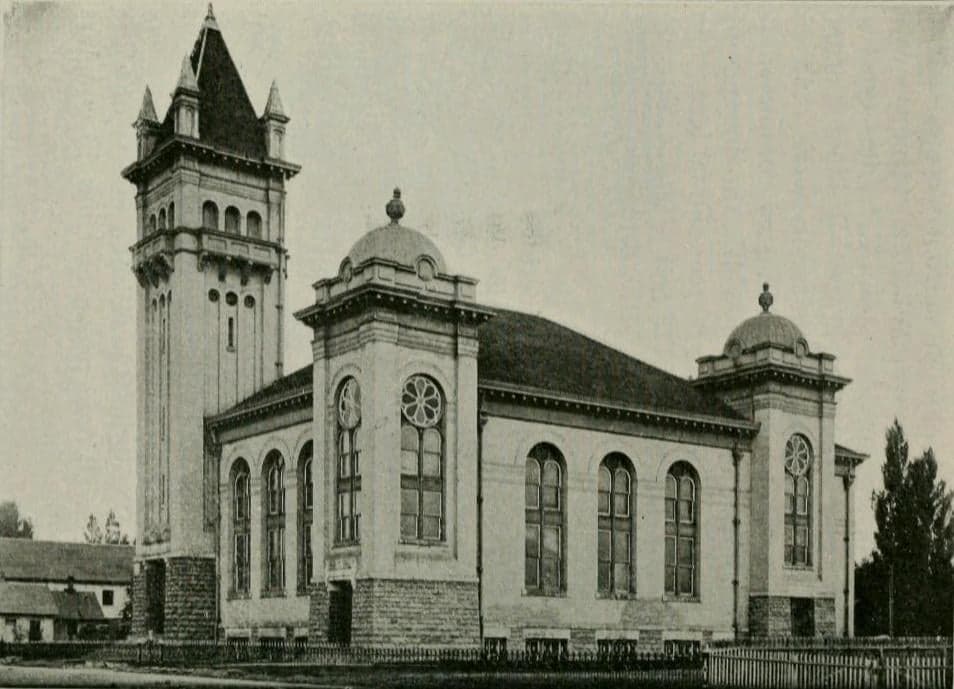
Photo: Wikipedia
Quality of Life in Lehi, UT
A high quality of life with strong walkability, manageable living costs, healthy neighborhood signals, and solid amenity access.
What does Quality of Life tell us?
Quality of Life blends cost of living, nearby amenities, socioeconomic signals, and neighborhood character. City-level scores represent the whole municipality; individual neighborhoods can differ.
What does this tell us?
Quality of Life blends cost of living, nearby amenities, socioeconomic signals, and neighborhood character. City-level scores represent the whole municipality; individual neighborhoods can differ.
Cost of Living
73% above national average
The Real Cost of Living in Lehi, UT for 2026
| Tier | Individual | Family (4) |
|---|---|---|
| Survival | $29k | $54k |
| Comfortable | $110k | $162k |
| Luxury | $171k+ | $265k+ |
| Elite (Top 5%) | $201k+ | $312k+ |
78%
The Area Signal
A metric tracking the socioeconomic signals of the area.
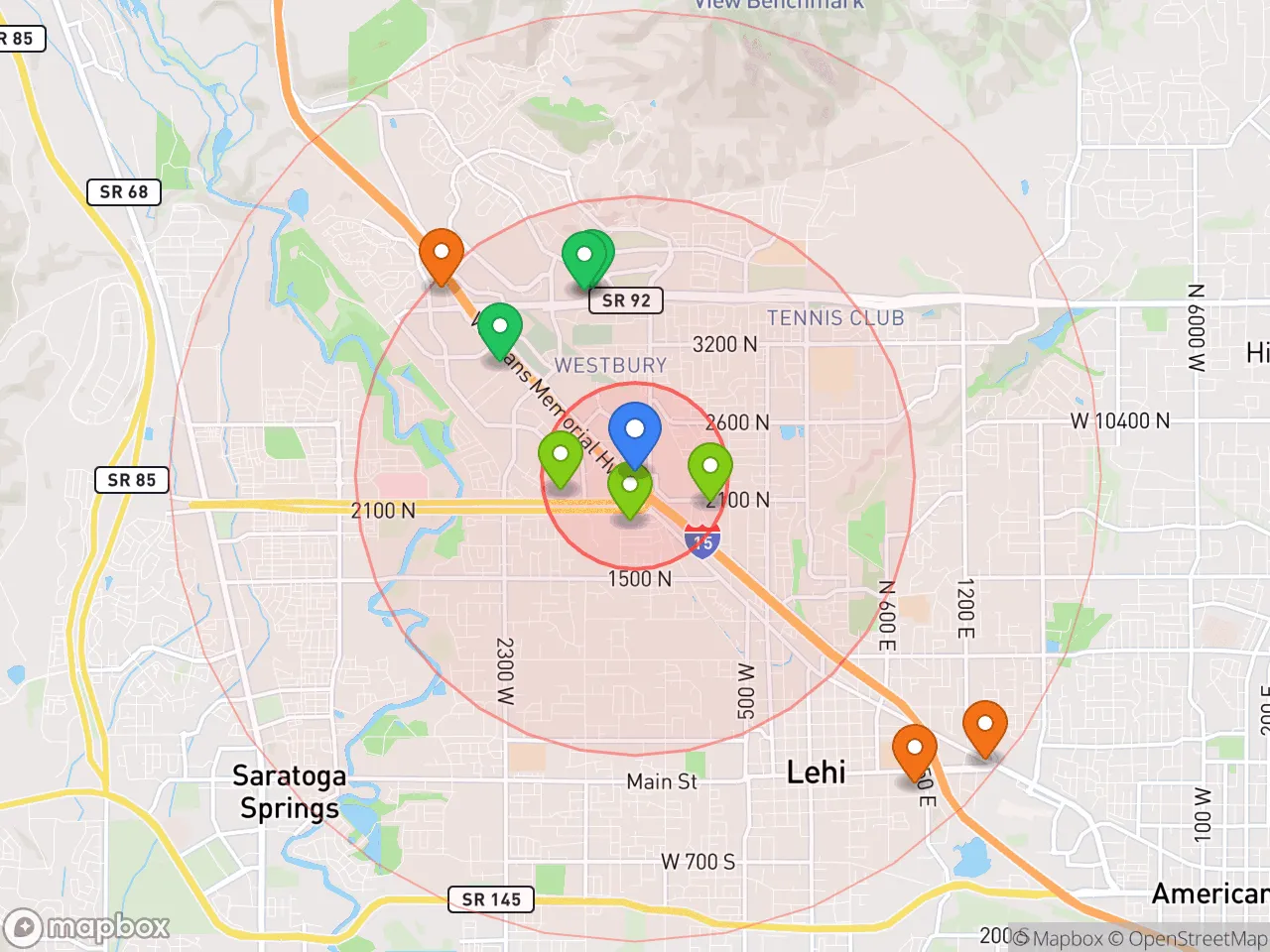
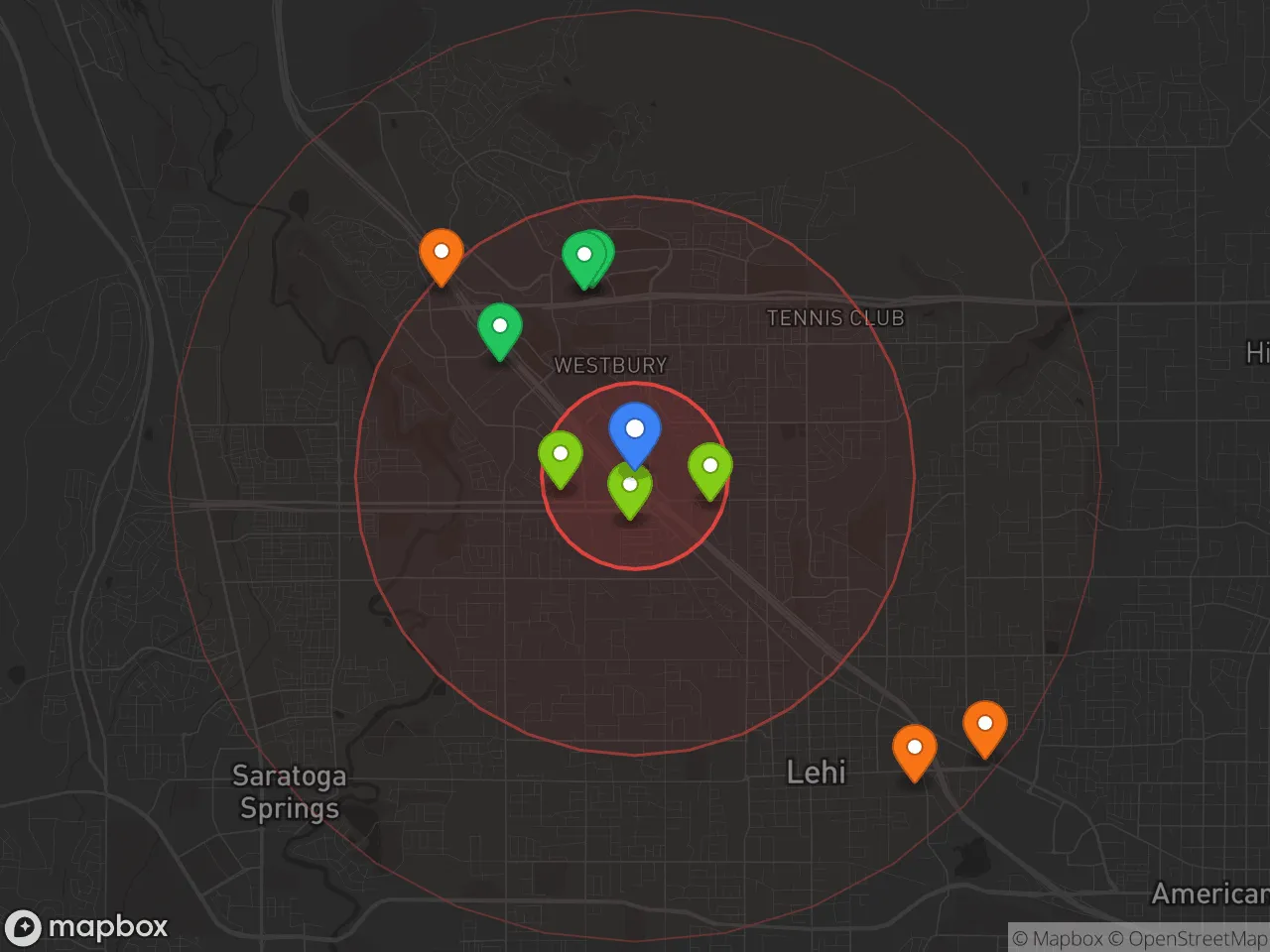
Hobbies
Explore the areaGroceries
0 within 10 miles
Gas
0 within 10 miles
Hospital
0 within 20 miles
Airport
SLC — Salt Lake City International
Post Office
Critical Amenities
Quality-of-Life Analysis
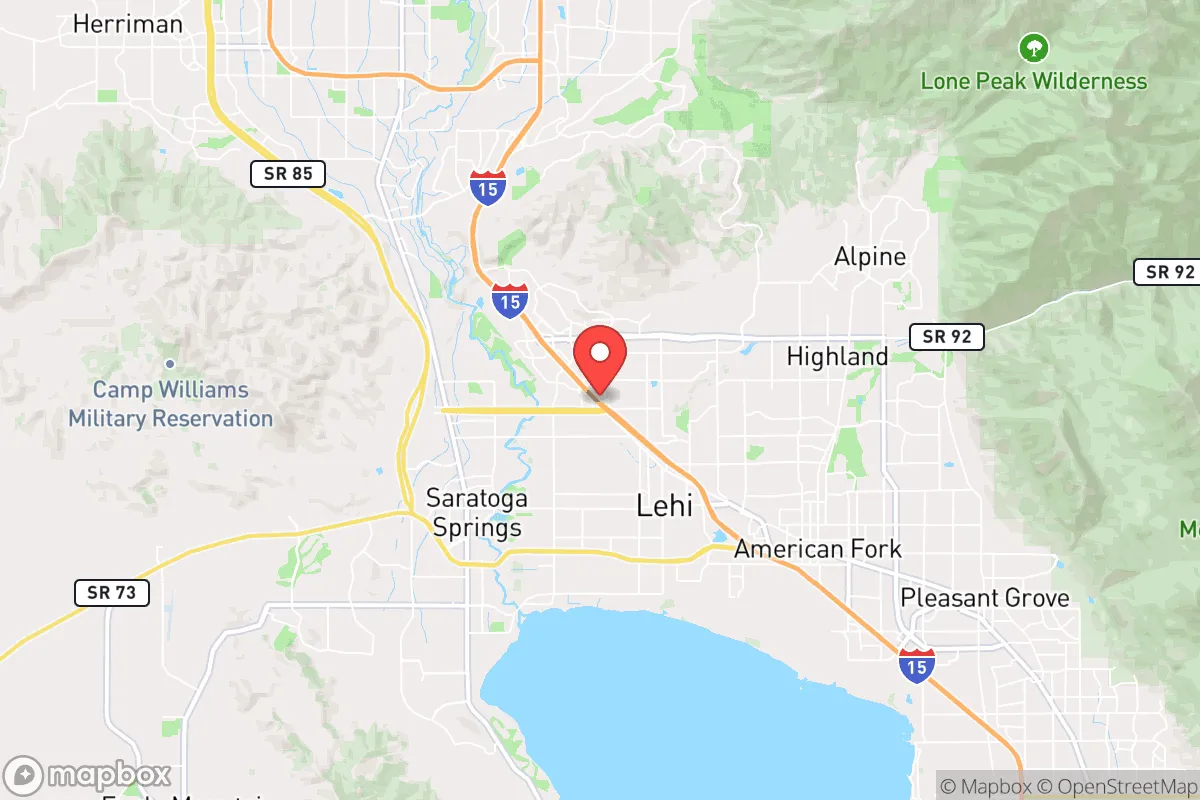
Lehi, Utah, has transformed from a quiet agricultural town into one of the state’s most affluent and fastest-growing tech hubs, attracting a demographic of young professionals, growing families, and Silicon Slopes executives. With a cost-of-living index of 173—well above the national average of 100—the city commands a premium lifestyle that reflects its high median home values and strong local economy. The population skews younger and more educated than the Utah average, driven by the concentration of major employers like Adobe, Vivint, and Xactware along the I-15 corridor.
Cost of living, housing, and affordability compared to nearby cities
Lehi’s cost of living is significantly higher than the national average, but it remains competitive within the Silicon Slopes region when compared to neighboring cities like Park City or Draper. The median home value sits at $567,100, while the median rent is $1,798 per month—both figures that are roughly 30% lower than in Park City but about 10% higher than in nearby American Fork. For buyers, this means a typical single-family home in Lehi costs roughly $200,000 more than the national median, though the trade-off is access to one of the fastest-growing job markets in the Intermountain West. Renters face a tight market, with vacancy rates below 3% in 2025, pushing monthly payments well above the $1,200 national median. Property taxes in Utah County are relatively moderate, averaging around 0.6% of assessed value, which helps offset some of the housing sticker shock for homeowners.
What daily life is like for families: schools, amenities, and commute
Daily life in Lehi revolves around a family-oriented, outdoor-adjacent rhythm supported by top-rated schools and abundant recreational amenities. The Alpine School District, which serves Lehi, consistently ranks among Utah’s best, with schools like Skyridge High School and Lehi High School posting graduation rates above 95%. The city’s average commute time of 22.8 minutes is notably shorter than the Salt Lake City metro average of 26 minutes, thanks to the concentration of tech offices along the I-15 corridor and the FrontRunner commuter rail station at the Lehi Main Street stop. For weekend activities, residents have direct access to the Timpanogos Cave National Monument, Utah Lake State Park, and the American Fork Canyon trailheads—all within a 20-minute drive. The Thanksgiving Point complex, featuring gardens, a museum, and a golf course, serves as a central gathering spot for families and hosts events like the annual Tulip Festival.
Lehi is best suited for professionals and families who prioritize career opportunity, strong schools, and outdoor recreation over low housing costs. The city’s high cost of living and competitive housing market mean that renters and first-time buyers may need household incomes above $120,000 to live comfortably, but for those employed in the tech sector or commuting to Salt Lake City, the trade-off is a vibrant, amenity-rich community with a 22-minute average commute and year-round access to Utah’s mountain and lake recreation. Retirees on fixed incomes or remote workers with lower earnings may find more affordable options in nearby Eagle Mountain or Santaquin, but for the target demographic of Silicon Slopes, Lehi offers a rare combination of job density, school quality, and lifestyle convenience that few other Utah cities can match.

Crime in Lehi, UT
Lower crime rates than 89% of comparable U.S. locations.
Violent CrimeViolent Crime Analysis
Property CrimeProperty Crime Analysis
Crime Analysis
Lehi, Utah, presents a notably safe environment compared to national averages, with violent crime rates roughly one-third the U.S. figure and property crime rates well below the national median. The city's overall crime rate of 518.6 per 100,000 residents reflects a community where serious offenses are statistically uncommon, though residents should remain aware of localized risks, particularly property-related incidents in high-traffic commercial areas.
Crime in context
Lehi's violent crime rate of 109 per 100,000 is significantly lower than the national average of approximately 380 per 100,000 and also below the Utah state average of roughly 240 per 100,000. Property crime in Lehi stands at 409.6 per 100,000, compared to the national figure of about 1,950 per 100,000. These figures place Lehi among the safer municipalities in Utah County, a region known for its conservative governance and law-and-order judicial philosophy. Unlike large metro areas where progressive district attorneys have been associated with rising crime rates and reduced accountability for offenders, Utah County's elected prosecutors and judges generally prioritize public safety and victim rights, contributing to Lehi's low crime profile. The state's approach to criminal justice—emphasizing deterrence and incarceration for serious offenses—helps keep recidivism rates lower than in jurisdictions with more lenient policies.
What residents experience
For daily life in Lehi, the most common safety concerns involve property crimes such as vehicle break-ins and package theft, particularly near the Thanksgiving Point commercial corridor and along the I-15 frontage roads. Violent crime is rare and typically isolated to domestic incidents or disputes among known individuals, rather than random attacks. Residents report feeling safe walking in neighborhoods and using parks after dark, a sentiment supported by the city's active community policing model and the Lehi Police Department's response times averaging under five minutes for priority calls. The city's low population density and strong neighborhood watch programs further enhance the sense of security.
Neighborhood-level variation
Safety levels in Lehi are relatively uniform, though some variation exists. Newer master-planned communities like Traverse Mountain and Suncrest report near-zero violent crime and minimal property incidents, thanks to gated entries and HOA security measures. Older neighborhoods near downtown Lehi and along State Street see slightly higher property crime rates, consistent with higher foot traffic and older infrastructure. The Pioneer Crossing area, a major retail hub, experiences the most property crime, including shoplifting and vehicle burglaries, but violent crime remains negligible. Overall, no neighborhood in Lehi approaches the crime levels of larger Utah cities like Salt Lake City or West Valley City, making the city a consistently safe choice for families and professionals.
* Values derived from national, state, county, city and local statistics and may differ in a specific area. Last updated: 2026-04-21T13:19:19.000Z
Narrative content on this page is AI-generated and may contain mistakes. Verify any details that matter before acting on them.
ReloMaps may earn a commission from affiliate links at no extra cost to you.

