Photo: Wikipedia
Quality of Life in Littleton, CO
A high quality of life with strong walkability, manageable living costs, healthy neighborhood signals, and solid amenity access.
What does Quality of Life tell us?
Quality of Life blends cost of living, nearby amenities, socioeconomic signals, and neighborhood character. City-level scores represent the whole municipality; individual neighborhoods can differ.
What does this tell us?
Quality of Life blends cost of living, nearby amenities, socioeconomic signals, and neighborhood character. City-level scores represent the whole municipality; individual neighborhoods can differ.
Cost of Living
74% above national average
The Real Cost of Living in Littleton, CO for 2026
| Tier | Individual | Family (4) |
|---|---|---|
| Survival | $28k | $52k |
| Comfortable | $116k | $170k |
| Luxury | $170k+ | $264k+ |
| Elite (Top 5%) | $200k+ | $310k+ |
57%
The Area Signal
A metric tracking the socioeconomic signals of the area.


Hobbies
Explore the areaGroceries
2 within 10 miles
Gas
0 within 10 miles
Hospital
3 within 20 miles
Airport
DEN — Denver International
Post Office
USPS — Denver, CO
Critical Amenities
Quality-of-Life Analysis
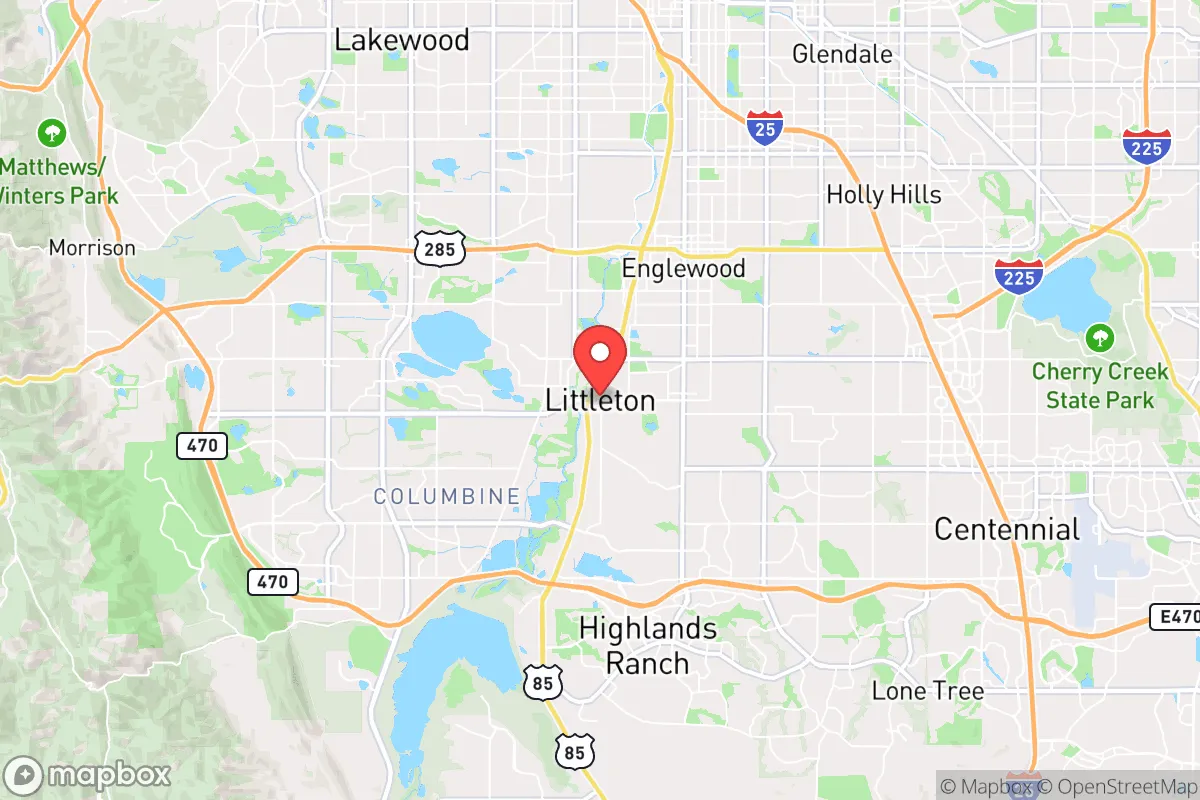
Littleton, Colorado, is an affluent suburban city of roughly 48,000 residents located about 10 miles southwest of downtown Denver, known for its historic downtown, strong public schools, and family-oriented atmosphere. The population skews toward educated professionals and long-time Colorado families, with a median household income well above the national average and a cost of living index of 174 (100 = U.S. average) that reflects the premium placed on proximity to the Front Range. The city attracts those who want a walkable, small-town feel within commuting distance of Denver's job centers, while still maintaining a distinct identity anchored by the South Platte River and the foothills of the Rocky Mountains.
Cost of living, housing, and affordability compared to Denver and the Front Range
Littleton's cost of living is 74 percent above the national average, driven almost entirely by housing. The median home value sits at $596,700, which is roughly $50,000 below the Denver metro median but still places Littleton firmly in the upper tier of Colorado suburbs. Median rent is $1,731, making it more affordable than nearby Highlands Ranch or Cherry Hills Village, but pricier than less central suburbs like Aurora or Thornton. The average one-way commute is 26.2 minutes, slightly above the national average of 25 minutes, reflecting the fact that many residents commute into Denver or the Denver Tech Center. Property taxes in Littleton are relatively low by national standards (around 0.55 percent of assessed value), which partially offsets the high purchase prices, but buyers should expect to compete in a market where inventory is tight and bidding wars are common for homes under $700,000.
What daily life is like: amenities, schools, and community rhythm
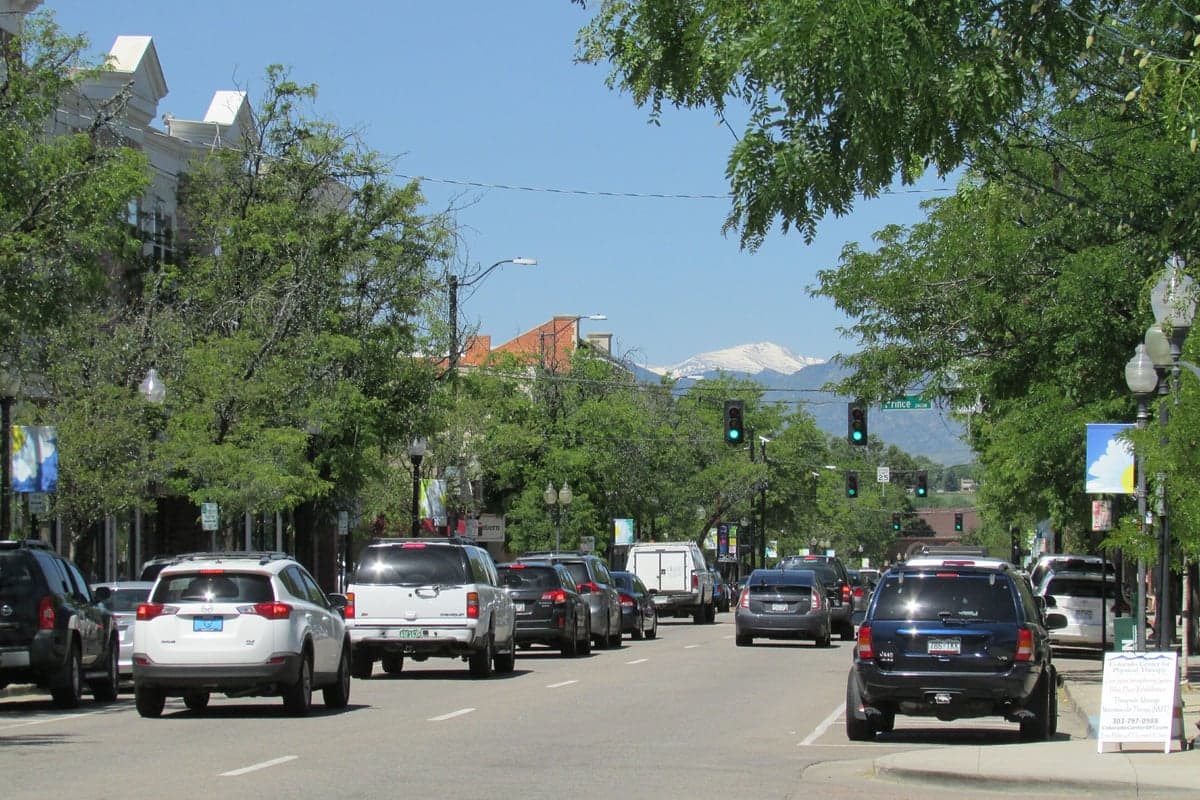
Daily life in Littleton revolves around its historic downtown, which features the Littleton Museum, the Town Hall Arts Center, and a pedestrian-friendly Main Street lined with independent restaurants and boutiques. The city is served by Littleton Public Schools, consistently rated among the top districts in Colorado, with Littleton High School and Heritage High School both earning A ratings from Niche. The school district's small size (roughly 15,000 students) allows for more personalized attention than larger neighboring districts like Jefferson County. Outdoor recreation is a major draw: the South Platte Park and Carson Nature Center offer 880 acres of open space, while the High Line Canal Trail provides a paved 71-mile route for biking and running. The city also operates 26 parks and the Littleton Golf Club, a public 18-hole course. For shopping and dining, the Aspen Grove lifestyle center and the Southwest Plaza mall are within a 10-minute drive. The overall pace is slower than central Denver but more active than exurban communities like Castle Rock, with a strong emphasis on community events such as the Western Welcome Week festival and the Littleton Farmers Market.
Littleton is best suited for families and professionals who prioritize school quality, walkability, and outdoor access over nightlife or urban density. Empty nesters and retirees also find the historic downtown and low crime rates appealing, though the high cost of entry can be a barrier for younger renters or first-time buyers. Commuters will appreciate the light rail access via the Littleton/Downtown station, which connects to downtown Denver in about 35 minutes, making it feasible to live in Littleton without a car for the daily work trip. For those who can afford the premium, Littleton offers a rare combination of small-town charm, top-tier schools, and proximity to a major metropolitan economy.

Crime in Littleton, CO
Generally safer than 69% of comparable U.S. locations.
Violent CrimeViolent Crime Analysis
Property CrimeProperty Crime Analysis
Crime Analysis
Littleton, Colorado, presents a mixed safety profile that demands careful consideration, particularly given its location within the Denver-Aurora-Lakewood metropolitan area. While the city’s violent crime rate of 237.1 per 100,000 residents is notably lower than the national average, its property crime rate of 2,107.3 per 100,000 is significantly elevated. Prospective residents should weigh these statistics against the broader context of a large metro area where progressive judicial policies can influence public safety outcomes.
Crime in context
Littleton’s violent crime rate of 237.1 per 100,000 is roughly 35% lower than the U.S. average of approximately 370 per 100,000, placing it in a safer tier for personal security. However, the property crime rate of 2,107.3 per 100,000 is about 30% higher than the national average of roughly 1,950 per 100,000. This disparity is typical of suburban communities near a major urban core like Denver, where property crime—particularly theft from vehicles and burglary—tends to spill over from the city. Colorado’s statewide property crime rate is also elevated, but Littleton’s figure exceeds the state average, suggesting localized pressures.
What residents experience
For daily life, the low violent crime rate means most residents do not encounter serious personal threats. However, property crime is a tangible nuisance. Vehicle break-ins and package theft are common complaints, especially in areas near light-rail stations and commercial corridors like South Broadway and Santa Fe Drive. A significant concern for Littleton and the wider Denver metro is the influence of progressive district attorneys and judges. A justice system that prioritizes rehabilitation over incarceration, while sympathetic to offenders, can lead to repeat property offenders cycling back onto the streets quickly, undermining deterrence and frustrating victims. This dynamic directly contributes to the elevated property crime numbers, as criminals face minimal consequences for non-violent offenses.
Neighborhood-level variation
Safety in Littleton varies considerably by neighborhood. Historic Downtown Littleton and areas west of Santa Fe Drive generally report lower crime, benefiting from higher property values and community policing. In contrast, neighborhoods near the Southwest Plaza Mall and along the C-470 corridor experience higher property crime rates. The Ken Caryl Ranch area, while affluent, still sees occasional thefts from unlocked cars. East of Santa Fe Drive, closer to Englewood, crime rates tick upward, reflecting proximity to higher-crime zones. For those considering a move, focusing on neighborhoods with active homeowners’ associations and limited public transit access can reduce exposure to property crime. Ultimately, Littleton offers a relatively safe environment for violent crime, but its property crime problem—exacerbated by metro-area judicial leniency—requires proactive personal security measures.
* Values derived from national, state, county, city and local statistics and may differ in a specific area. Last updated: 2026-04-19T07:21:40.000Z
Narrative content on this page is AI-generated and may contain mistakes. Verify any details that matter before acting on them.
ReloMaps may earn a commission from affiliate links at no extra cost to you.

