 Popular
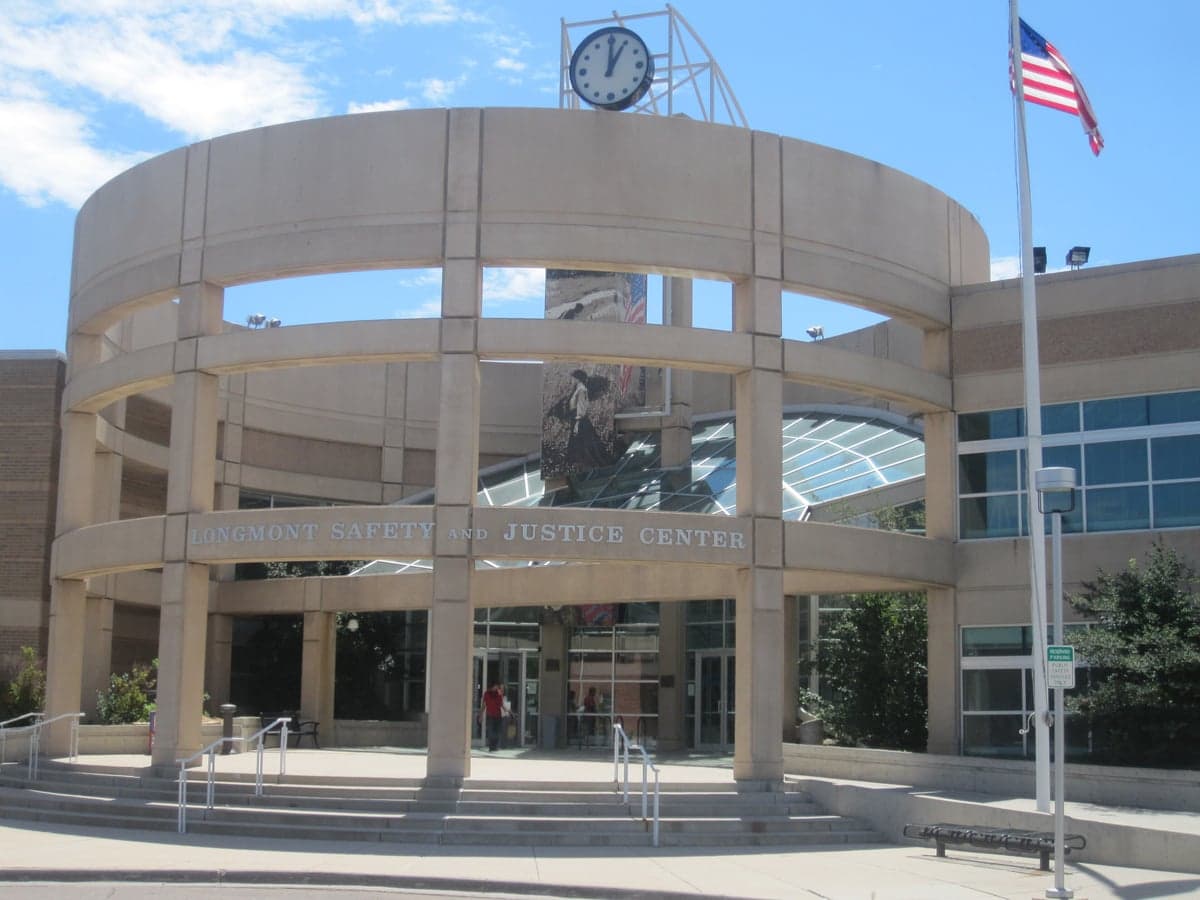
Photo: Wikipedia
Quality of Life in Longmont, CO
Above-average quality of iife. The area offers a reasonable cost of living, decent mobility, and a mix of neighborhood amenities.
What does Quality of Life tell us?
Quality of Life blends cost of living, nearby amenities, socioeconomic signals, and neighborhood character. City-level scores represent the whole municipality; individual neighborhoods can differ.
What does this tell us?
Quality of Life blends cost of living, nearby amenities, socioeconomic signals, and neighborhood character. City-level scores represent the whole municipality; individual neighborhoods can differ.
Cost of Living
67% above national average
The Real Cost of Living in Longmont, CO for 2026
| Tier | Individual | Family (4) |
|---|---|---|
| Survival | $28k | $53k |
| Comfortable | $97k | $143k |
| Luxury | $143k+ | $221k+ |
| Elite (Top 5%) | $168k+ | $260k+ |
63%
The Area Signal
A metric tracking the socioeconomic signals of the area.
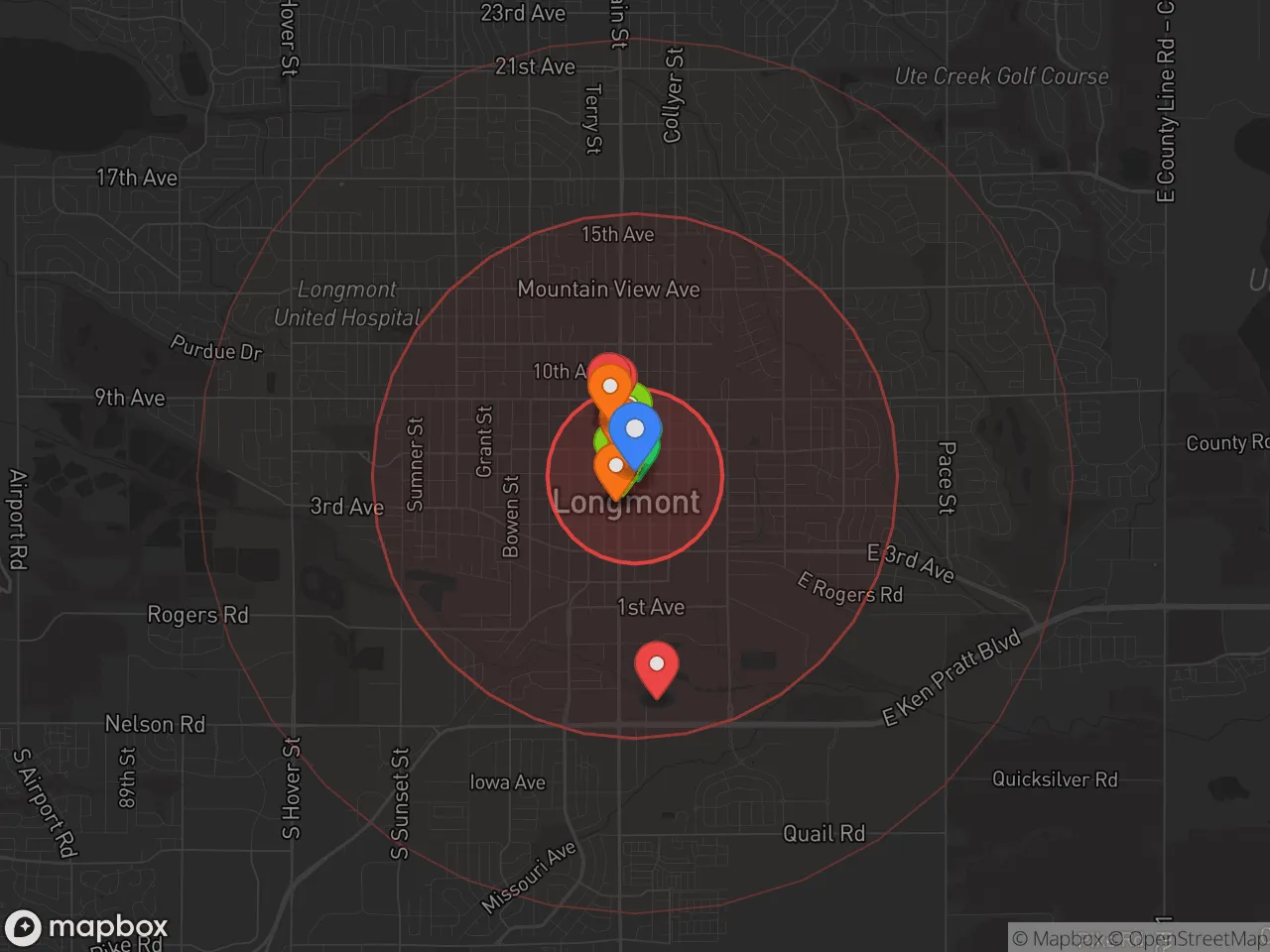
Hobbies
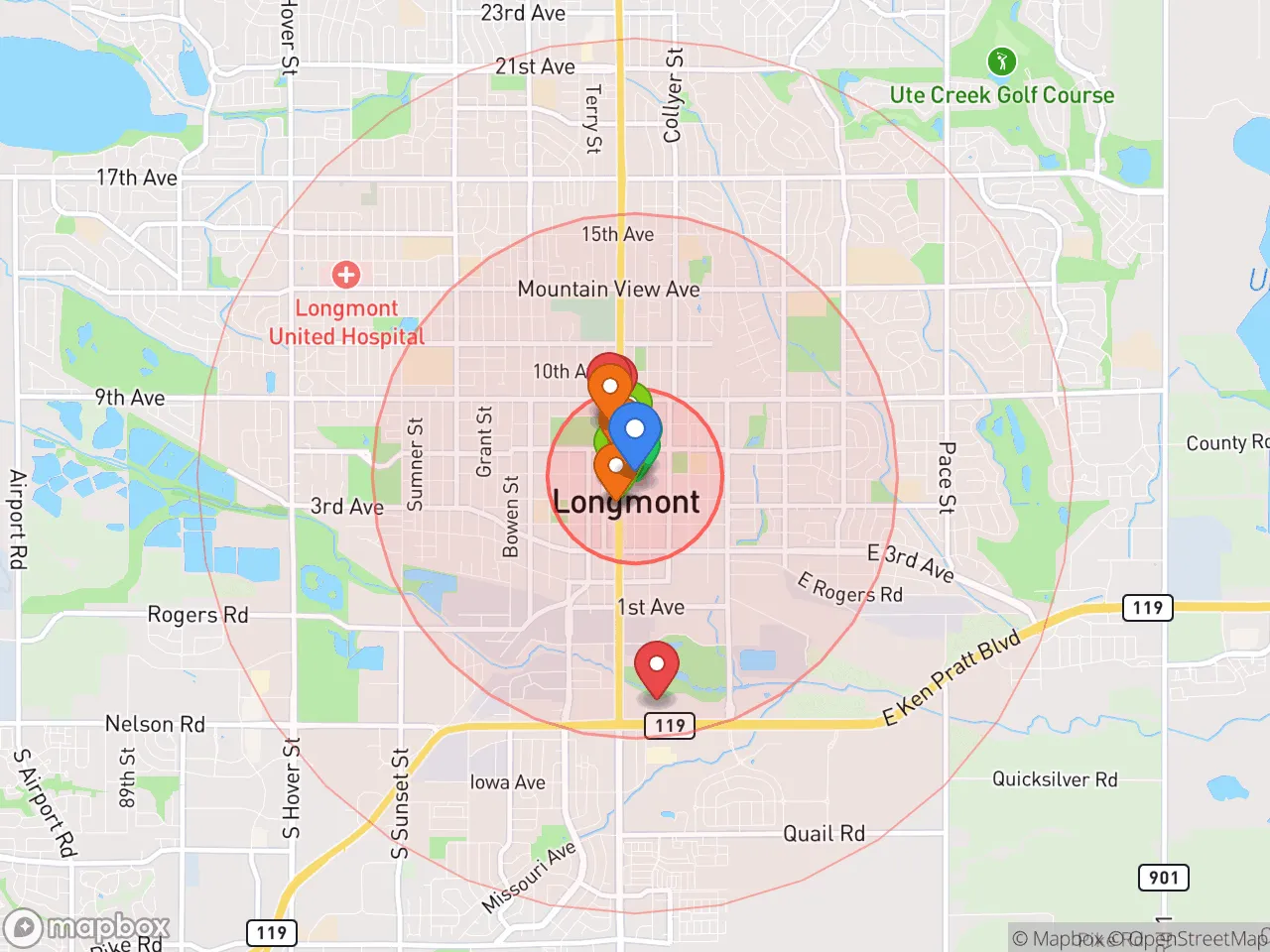
Explore the areaGroceries
7 within 10 miles
Gas
20 within 10 miles
Hospital
17 within 20 miles
Airport
DEN — Denver International
Post Office
USPS — Longmont, CO
Critical Amenities
Quality-of-Life Analysis
Longmont, Colorado, is an affluent Front Range city of roughly 100,000 residents that attracts a mix of tech workers, outdoor enthusiasts, and families seeking a quieter alternative to Boulder or Denver. The city’s median household income of approximately $85,000 supports a lifestyle centered on local breweries, open-space trails, and a historic downtown, though the cost of living is sharply above the national average. Longmont’s population skews younger and more educated than the state average, with a growing number of remote workers and aerospace professionals drawn by employers like Seagate Technology and Umicore.
Cost of living, housing affordability, and how Longmont compares to Boulder and Denver
Longmont’s overall cost-of-living index sits at 167 (100 = U.S. average), making it significantly more expensive than the national norm but notably cheaper than Boulder (index ~210) and Denver (index ~180). The median home value is $541,400, which is roughly $150,000 less than Boulder’s median but still about $60,000 above the Denver metro average. Median rent is $1,755, comparable to suburban Denver but about $400 less than Boulder. Housing inventory has tightened since 2020, with single-family homes under $500,000 becoming rare; townhomes and condos in newer developments near the Boulder County Fairgrounds or Village at the Peaks offer more attainable entry points. Property taxes remain relatively low at roughly 0.5% of assessed value, which helps offset the high purchase prices compared to states like Texas or Illinois. The average commute of 25.4 minutes is manageable, though residents commuting to Boulder (20 minutes via CO-119) or Denver (45 minutes via I-25) face growing congestion during peak hours.
What daily life is like for families: schools, parks, and local amenities
Daily life in Longmont revolves around a walkable downtown core along Main Street, anchored by the Longmont Farmers Market (April through November) and the Dickens Opera House. The St. Vrain Valley School District serves the city with a graduation rate of 87%, and several elementary schools—such as Eagle Crest Elementary and Rocky Mountain Elementary—consistently earn state recognition for academic growth. For recreation, the city maintains over 40 parks, including the 160-acre Roosevelt Park with its pool and skate park, and the St. Vrain Greenway, a 7-mile paved trail along the river. The Longmont Recreation Center offers indoor pools and fitness classes, while the Boulder County Fairgrounds hosts rodeos and seasonal events. Breweries like Left Hand Brewing and Oskar Blues anchor a vibrant craft-beer scene, and the Longmont Museum provides rotating exhibits on local history and art. Commuters benefit from the Boulder County RTD FlexRide shuttle and the Bustang service to Denver, though most residents still drive.
Longmont is best suited for professionals and families who want Front Range access—to Boulder’s tech jobs, Denver’s cultural amenities, and Rocky Mountain recreation—without the premium price tags of those cities. Remote workers, aerospace engineers, and outdoor enthusiasts will find the balance of affordability (relative to Boulder) and lifestyle amenities compelling, though those on a median national income will struggle with housing costs. The city’s steady population growth and new developments near Union Reservoir and McIntosh Lake suggest continued demand, making it a strong choice for buyers who can stretch to the $500,000+ range and value a community with a small-town feel and big-city proximity.

Crime in Longmont, CO
Lower crime rates than 95% of comparable U.S. locations.
Violent CrimeViolent Crime Analysis
Property CrimeProperty Crime Analysis
Crime Analysis
Longmont, Colorado, reports a violent crime rate of 60 incidents per 100,000 residents and a property crime rate of 368.1 per 100,000, figures that position it as a relatively safe city within the Boulder-Denver metro corridor. However, these statistics must be weighed against the broader regional context, where progressive prosecutorial policies in Boulder County have raised concerns about recidivism and public safety. While Longmont’s numbers are lower than many comparable Front Range communities, the county’s justice system trends warrant careful consideration for anyone evaluating relocation.
Crime in context
Longmont’s violent crime rate of 60 per 100,000 is roughly 84% lower than the national average of 380 per 100,000 and significantly below the Colorado state average of 330 per 100,000. Property crime in Longmont, at 368.1 per 100,000, is also well under the national figure of 1,954 per 100,000 and the Colorado average of 1,850 per 100,000. These numbers suggest a community where serious offenses are uncommon. However, Boulder County’s District Attorney’s office has adopted policies emphasizing diversion and reduced sentencing for non-violent offenses, a progressive approach that critics argue can lead to higher rates of repeat property crime and a diminished deterrent effect. Residents should be aware that while Longmont itself is safe, the county’s legal environment may not prioritize victim restitution or long-term incarceration for habitual offenders.
What residents experience
Daily life in Longmont is generally characterized by low fear of violent crime, with most incidents concentrated in specific areas or tied to domestic situations. Property crime, particularly theft from vehicles and bicycle theft, is the most common concern, especially near downtown and transit hubs. The city’s police department maintains a visible community policing presence, and neighborhood watch programs are active in subdivisions like Prospect and southwest Longmont. That said, the progressive judicial philosophy in Boulder County means that offenders convicted of property crimes often receive probation or short sentences, a pattern that can frustrate victims and contribute to a sense that the justice system prioritizes offender rehabilitation over public protection. For families and retirees, this dynamic is worth monitoring, as it can affect long-term neighborhood stability.
Neighborhood-level variation is notable. Areas east of Main Street and near the St. Vrain Greenway see slightly higher property crime rates, while west-side neighborhoods like Old Town North and the Golden Ponds area report fewer incidents. Gated communities and newer developments in the southwest quadrant generally experience the lowest crime rates. Prospective residents are advised to check the Longmont Police Department’s online crime map for block-level data, as the difference between a quiet cul-de-sac and a busier corridor can be significant. Overall, Longmont offers a safe environment by national standards, but the county’s progressive justice policies mean that vigilance and property security measures remain prudent.
* Values derived from national, state, county, city and local statistics and may differ in a specific area. Last updated: 2026-04-29T00:38:54.000Z
Narrative content on this page is AI-generated and may contain mistakes. Verify any details that matter before acting on them.
ReloMaps may earn a commission from affiliate links at no extra cost to you.

