 Popular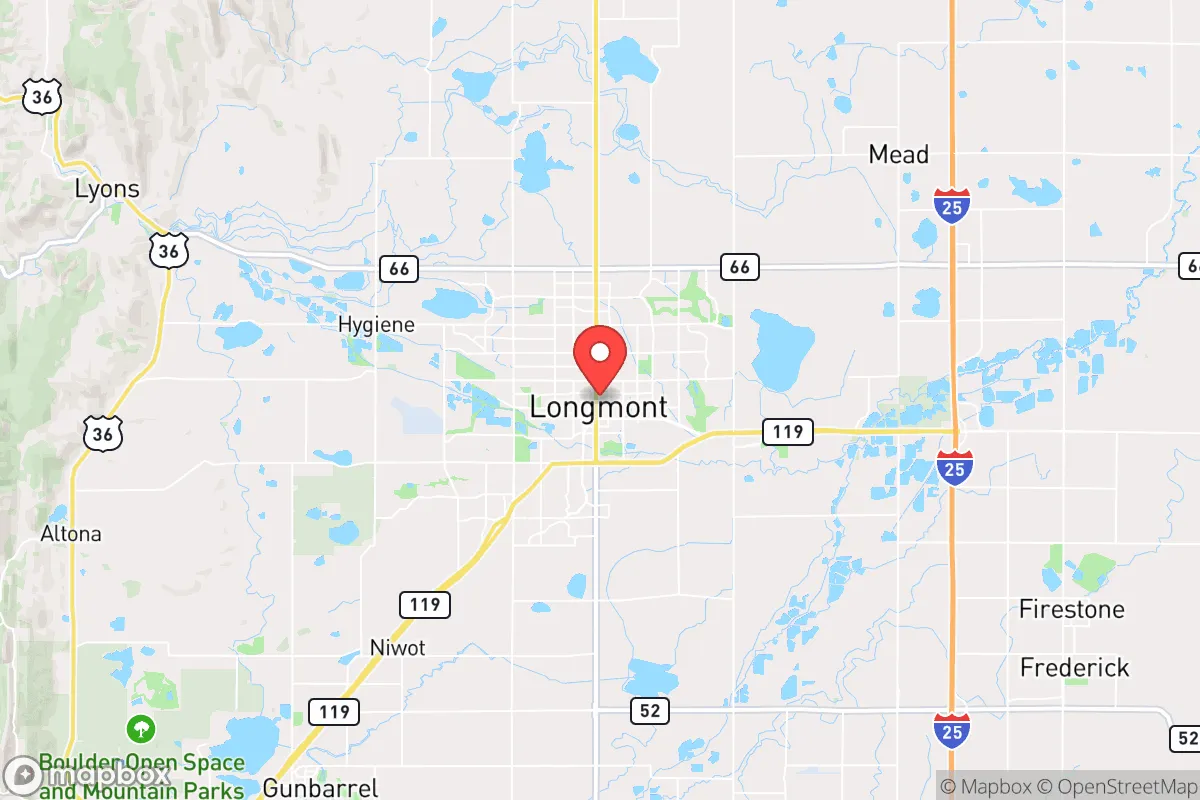
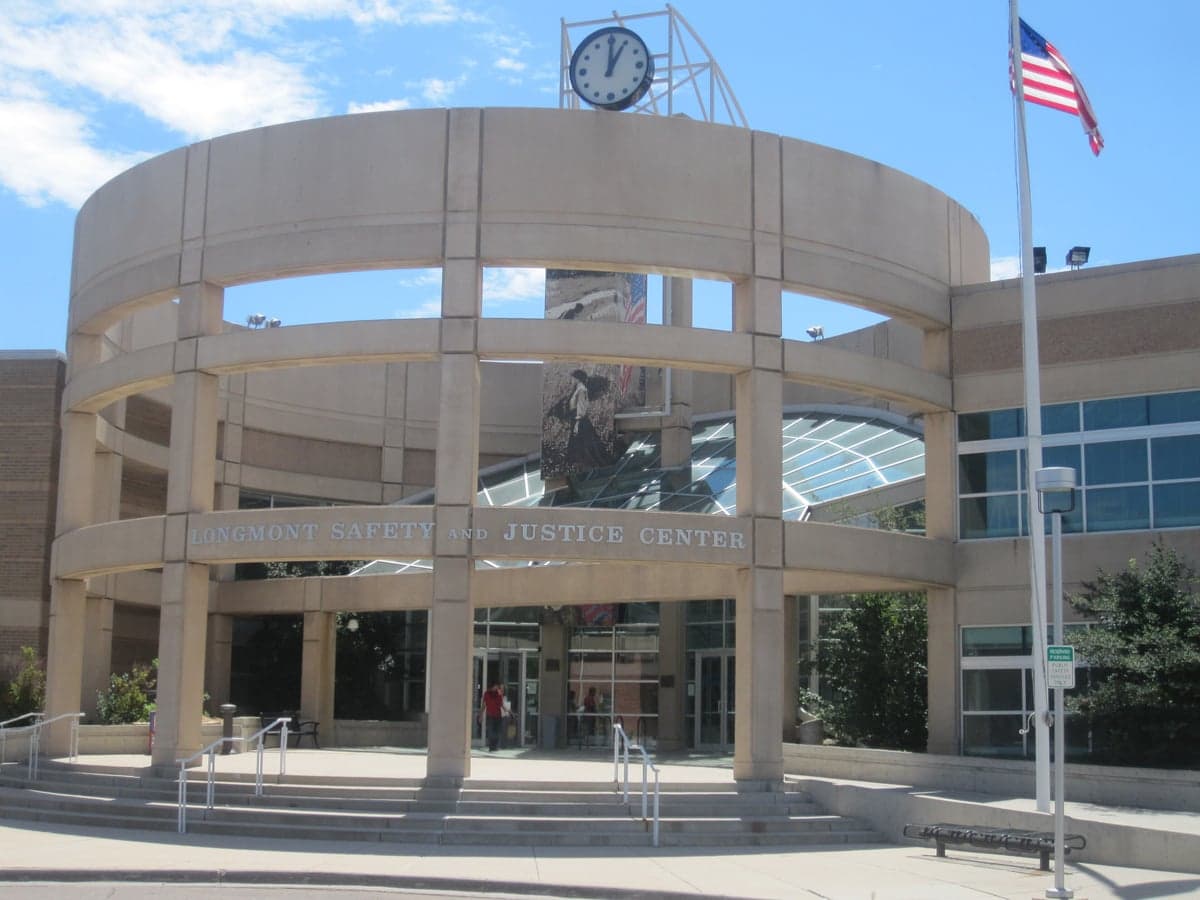
Photo: Wikipedia
Political ClimatePolitical Climate in Longmont, CO
District shown is the primary district for this city’s centroid. Cities may span multiple districts.
Local Political AnalysisPolitical Analysis of Longmont, CO
Longmont, Colorado, leans heavily to the left, with a Cook PVI of D+20, meaning it votes about 20 points more Democratic than the national average. That wasn’t always the case—I remember when this town was a lot more balanced, with a mix of farmers, small business owners, and tech workers who all valued personal freedom and local control. Over the last decade or so, the shift has been dramatic, driven by an influx of folks from places like California and the Front Range’s booming progressive scene. If you’re looking for a place where your vote might actually balance things out, Longmont isn’t it—it’s now a solid blue stronghold, and that trend shows no signs of slowing down.
How it compares
To get a real sense of Longmont’s political climate, you’ve got to look at the surrounding area. Drive 15 minutes north to Berthoud or Mead, and you’ll find towns that still lean conservative, with a strong emphasis on property rights and limited government. Head west to Lyons, and it’s a similar story—more libertarian-leaning, with a live-and-let-live vibe. But Longmont itself? It’s become a satellite of Boulder, which is about as progressive as it gets in Colorado. The city council and local boards are dominated by folks who push for higher taxes, stricter land-use regulations, and policies that prioritize bike lanes and density over car access and single-family homes. If you value local autonomy and minimal government interference, Longmont’s trajectory is a real concern—it’s increasingly mirroring the overreach you see in Boulder, just with a slightly slower pace.
What this means for residents
For those of us who’ve been here a while, the biggest red flag is how the city’s policies are creeping into daily life. Property taxes have climbed steadily, thanks to bond measures and mill levies that pass easily in a D+20 environment. You’ll also see more regulations on everything from short-term rentals to water usage—things that used to be handled by common sense, not city ordinances. The school board has shifted left too, with a focus on equity initiatives that sometimes feel more like social engineering than education. If you’re a small business owner, expect more hoops to jump through for permits and zoning. The upside? If you align with progressive values, you’ll find plenty of like-minded neighbors and a thriving arts scene. But for those who value personal freedom and fiscal restraint, it’s a tough environment—and it’s only going to get tougher as the city grows.
One cultural distinction that stands out is Longmont’s strong sense of community, which is still intact despite the political shift. You’ll find local events like the Longmont Farmers Market and the Rhythm on the River concert series that bring people together regardless of politics. But the policy direction is clear: more government involvement in housing, energy, and even what you can do with your own property. If you’re considering a move here, I’d recommend looking at the city’s long-term plans—they’re pushing for higher density and less car dependency, which might not sit well if you value your privacy and freedom to live as you see fit. In the near term, expect more of the same; in the long term, Longmont could become a smaller version of Boulder, with all the pros and cons that entails.

State Political ClimatePolitical Climate in Colorado
State Political AnalysisPolitical Environment in the State
Colorado has shifted from a classic purple swing state to a solidly blue-leaning state over the past two decades, with Democrats now controlling the governorship, both chambers of the legislature, and all statewide offices. The state voted for Hillary Clinton by 5 points in 2016, Joe Biden by 13 points in 2020, and Kamala Harris by roughly 11 points in 2024, reflecting a durable leftward tilt driven by explosive growth in the Denver metro and Front Range corridor. For a conservative considering relocation, the state’s political trajectory is a cautionary tale of how rapid in-migration and demographic change can transform a once-balanced state into a one-party progressive stronghold.
Urban vs. rural divide
The political map of Colorado is a stark study in contrast. The Denver-Boulder-Aurora metro area, home to nearly 60% of the state’s population, is the engine of Democratic dominance. Denver County itself routinely votes 80%+ Democratic, while Boulder County is even more progressive. The I-25 corridor stretching from Fort Collins through Denver down to Colorado Springs is where the election is decided. Colorado Springs, anchored by military bases and evangelical institutions like Focus on the Family, remains a conservative redoubt — El Paso County voted +12 for Trump in 2024 — but its influence is diluted by the sheer population weight of the Denver metro. Rural counties like Weld (Greeley), Mesa (Grand Junction), and the Eastern Plains (Yuma, Kit Carson) vote 70-80% Republican, but they lack the numbers to counterbalance the Front Range. The Western Slope, including resort towns like Aspen and Telluride, has become increasingly liberal as wealthy out-of-state transplants drive up housing costs and shift local politics leftward. The divide isn’t just urban vs. rural — it’s the Front Range vs. the rest of the state, and the Front Range is growing faster.
Policy environment
Colorado’s policy environment has moved aggressively left under unified Democratic control. The state income tax rate was cut from 4.63% to 4.55% in 2020 via a ballot measure, but overall tax burden has risen through property tax increases and new fees. The Gallagher Amendment, which capped residential property tax rates, was repealed in 2020, opening the door for future property tax hikes. The state has a flat income tax, but Democrats have pushed for progressive rates. On energy, Colorado has adopted some of the most aggressive climate mandates in the nation, including a 2029 deadline for 100% renewable electricity for Xcel Energy, the state’s largest utility — a policy that has driven up electricity costs and threatened grid reliability. Education policy is dominated by teachers’ unions; the state has a union-friendly collective bargaining law and has resisted school choice expansion, though charter schools remain legal. Healthcare is heavily regulated, with a state-based insurance exchange and Medicaid expansion under the Affordable Care Act. Election laws have been liberalized: Colorado was one of the first states to adopt universal mail-in voting (2013), automatic voter registration, and same-day registration, which critics argue weakens election integrity. The state also has a “red flag” gun law (2019) allowing temporary seizure of firearms from individuals deemed a risk by a judge, and a 2021 law requiring universal background checks for private gun sales.
Trajectory & freedom
Colorado is becoming less free by nearly any measure of personal liberty, particularly for conservatives. The state’s red flag law, passed in 2019, has been used thousands of times, often without due process for gun owners. In 2023, Democrats passed a ban on “assault weapons” and large-capacity magazines, set to take effect in 2024, though it faces legal challenges. Parental rights have been eroded: a 2023 law requires school districts to adopt policies that allow students to use names and pronouns without parental consent, overriding parental authority. Medical freedom has been curtailed by strict vaccine mandates for healthcare workers and school employees, though these were relaxed after legal pushback. Property rights are under pressure from a 2021 law that limits local zoning authority to allow more density, overriding local control in favor of state-mandated housing construction. On the positive side, Colorado has a strong Taxpayer’s Bill of Rights (TABOR), which limits state revenue growth and requires voter approval for tax increases, though Democrats have found workarounds by referring tax measures to voters. The state also has a robust initiative process, allowing citizens to bypass the legislature on issues like term limits and tax policy. But the overall trend is toward more government control, not less.
Civil unrest & political movements
Colorado has seen its share of political flashpoints. The 2020 protests in Denver turned violent, with property damage and clashes between police and left-wing activists. The city’s “Defund the Police” movement led to a 2021 budget cut of $8 million, though most was later restored. The state has a growing “sanctuary” movement: Denver and Boulder County have declared themselves sanctuary cities, limiting cooperation with federal immigration enforcement. In 2023, the state legislature passed a law prohibiting local law enforcement from detaining individuals based solely on immigration status, effectively making the entire state a sanctuary. On the right, the Colorado Republican Party has fractured between establishment and populist factions, with the latter pushing for election integrity reforms after the 2020 election. The “Colorado Project” — a coordinated effort by left-wing donors to flip the state — has been cited as a model for Democratic dominance. Secessionist rhetoric has emerged in rural counties: in 2013, 11 counties on the Eastern Plains voted to secede and form a new state, “North Colorado,” though the effort went nowhere. Election integrity remains a hot-button issue: the 2020 election saw widespread use of mail-in ballots, and while no major fraud was proven, concerns about signature verification and ballot harvesting persist among conservatives.
Projection
Over the next 5-10 years, Colorado will likely become even more Democratic as the Front Range continues to grow and rural areas continue to shrink. The state’s population is projected to increase by 1.5 million by 2050, with most growth in the Denver metro and along the I-25 corridor. This demographic shift will further entrench Democratic control, making it nearly impossible for Republicans to win statewide elections. The state’s tax and regulatory environment will likely become more progressive: expect higher property taxes, a potential progressive income tax, and even stricter climate and gun laws. The housing crisis will worsen, driving up costs and pushing middle-class families out. For conservatives, the state will feel increasingly hostile, with fewer opportunities to influence policy. The only hope for a political shift would be a major realignment — perhaps driven by economic discontent or a backlash against progressive overreach — but that seems unlikely given current trends. Someone moving to Colorado now should expect to live in a state where their political views are in the minority and where policy will continue to move left.
For a conservative considering relocation, Colorado offers stunning natural beauty and a strong economy, but the political climate is increasingly adversarial. If you value gun rights, parental authority, low taxes, and local control, you will find yourself fighting an uphill battle against a well-funded, entrenched progressive machine. The state’s trajectory is clear: more regulation, higher costs, and less personal freedom. If you’re willing to live in a blue state and focus on local politics in a conservative county like El Paso or Weld, you can carve out a decent life — but don’t expect the state government to have your back. For most conservatives, Colorado is a place to visit, not a place to put down roots.
* Values derived from national, state, county, city and local statistics and may differ in a specific area. Last updated: 2026-04-29T00:38:54.000Z
Narrative content on this page is AI-generated and may contain mistakes. Verify any details that matter before acting on them.
ReloMaps may earn a commission from affiliate links at no extra cost to you.

