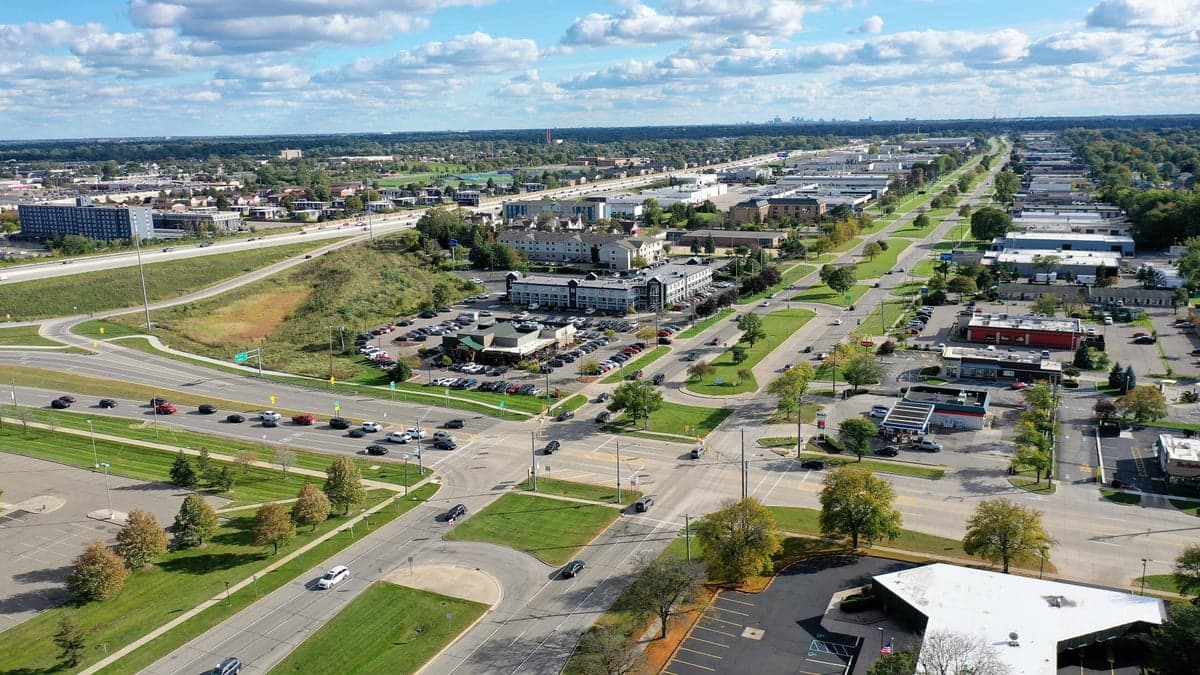
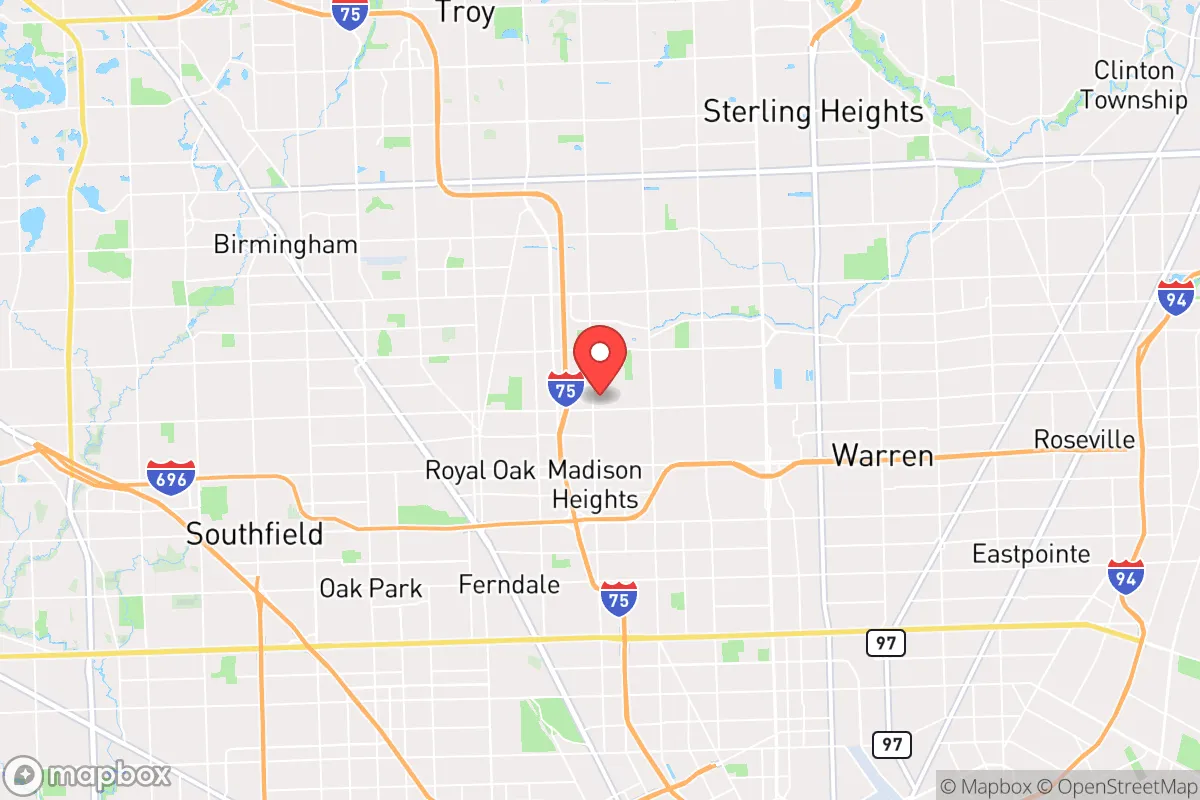
Photo: Wikipedia
Quality of Life in Madison Heights, MI
Above-average quality of iife. The area offers a reasonable cost of living, decent mobility, and a mix of neighborhood amenities.
What does Quality of Life tell us?
Quality of Life blends cost of living, nearby amenities, socioeconomic signals, and neighborhood character. City-level scores represent the whole municipality; individual neighborhoods can differ.
What does this tell us?
Quality of Life blends cost of living, nearby amenities, socioeconomic signals, and neighborhood character. City-level scores represent the whole municipality; individual neighborhoods can differ.
Cost of Living
14% below national average
The Real Cost of Living in Madison Heights, MI for 2026
| Tier | Individual | Family (4) |
|---|---|---|
| Survival | $18k | $34k |
| Comfortable | $37k | $54k |
| Luxury | $95k+ | $148k+ |
| Elite (Top 5%) | $112k+ | $174k+ |
123%
The Area Signal
A metric tracking the socioeconomic signals of the area.
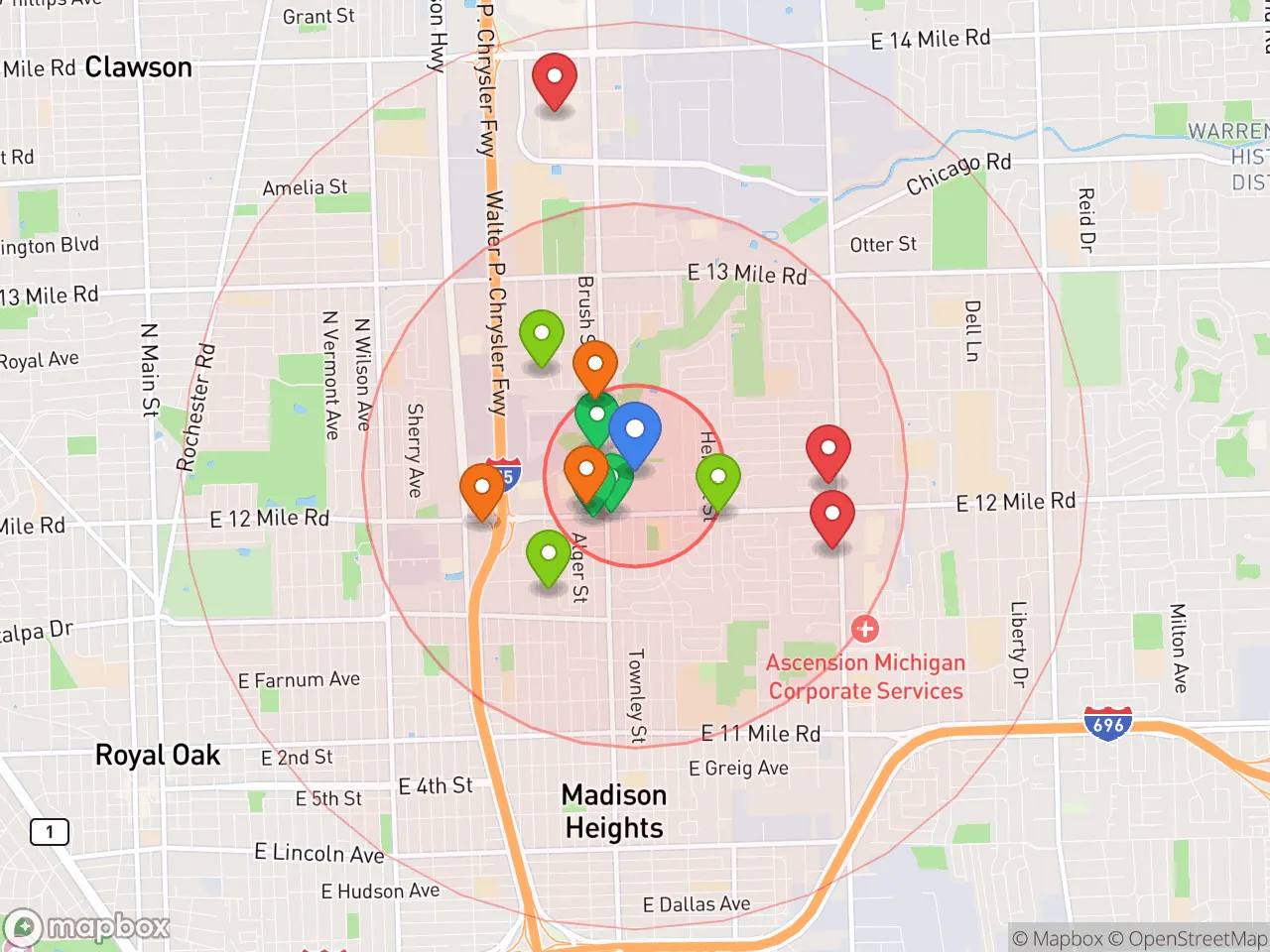
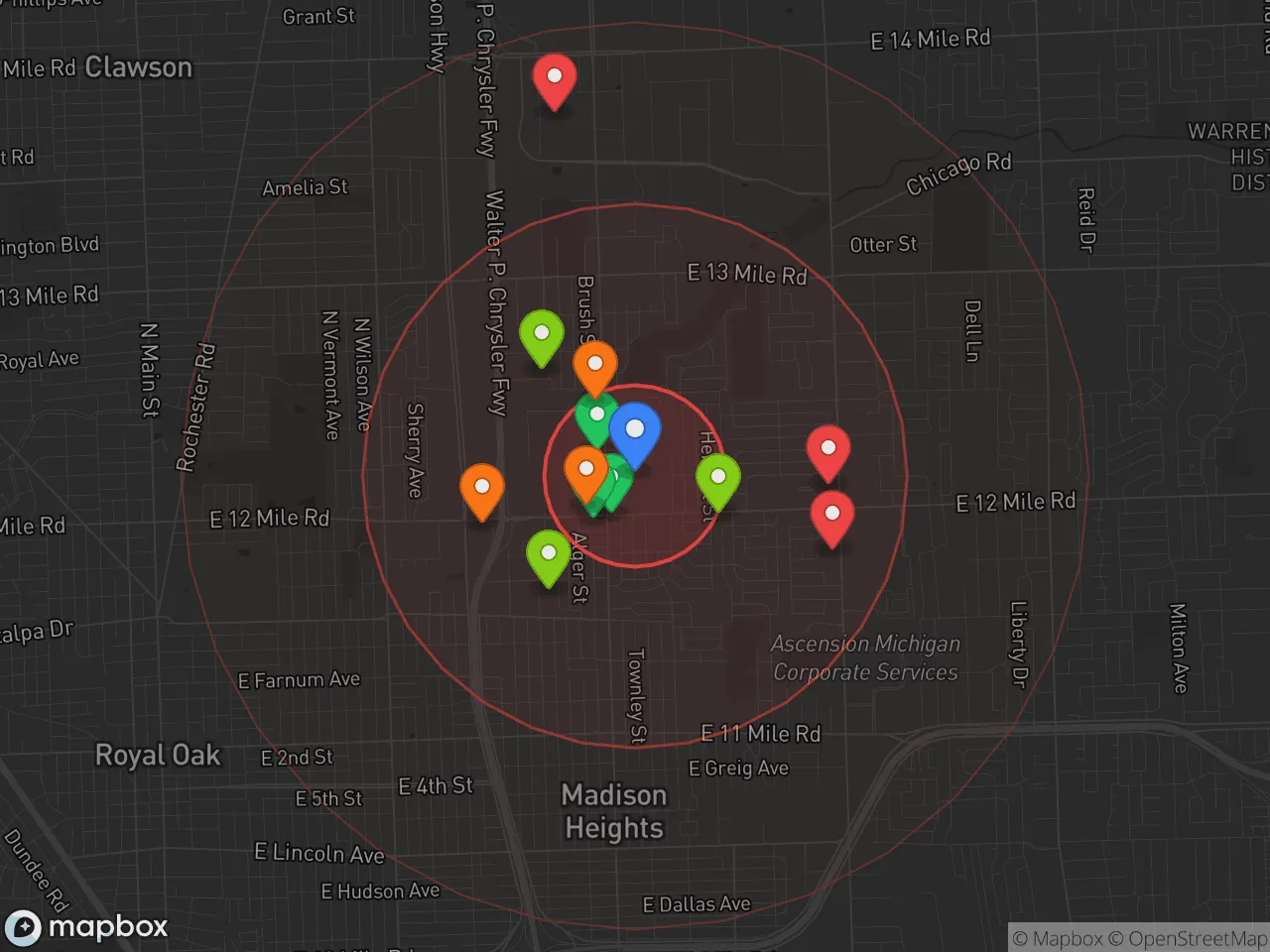
Hobbies
Explore the areaGroceries
7 within 10 miles
Gas
20 within 10 miles
Hospital
20 within 20 miles
Airport
DTW — Detroit Metropolitan Wayne County
Post Office
USPS — Royal Oak, MI
Critical Amenities
Quality-of-Life Analysis
Madison Heights, Michigan, offers a notably affordable quality of life that attracts a mix of working professionals, young families, and long-term residents seeking proximity to Detroit without the urban price tag. With a cost of living index of 86—14 points below the national average—the city provides a middle-class lifestyle where homeownership remains attainable and daily expenses stay manageable. The population skews toward blue-collar and service-industry workers, many employed in the region’s automotive, manufacturing, and logistics sectors, giving the community a practical, no-frills character.
Cost of living, housing affordability, and how Madison Heights compares to nearby cities
Madison Heights stands out as one of the more budget-friendly suburbs in Oakland County, especially when stacked against neighboring communities like Royal Oak or Troy. The median home value sits at $190,300, roughly half the median in Royal Oak ($380,000+) and significantly below Troy’s $350,000+ range. Median rent is $1,138, which undercuts the regional average by about 15%, making it a viable option for renters who cannot afford the $1,400+ typical in adjacent cities. The average commute of 24.9 minutes aligns closely with the Detroit metro average, with most residents driving to jobs in Detroit, Warren, or Auburn Hills via I-75 or M-59. Property taxes in Madison Heights are moderate for Oakland County, though Michigan’s income tax (4.25% flat) and relatively high car insurance rates remain factors to budget for. Overall, the city offers a cost advantage of 10–20% compared to its immediate neighbors, though it lacks the high-end retail and dining density found in pricier suburbs.
Amenities, schools, and what daily life feels like for residents
Daily life in Madison Heights revolves around practical convenience rather than luxury. The city is served by the Lamphere Public Schools district, which includes Lamphere High School (rated 6/10 on GreatSchools) and several elementary schools with average-to-good ratings. For shopping and errands, residents rely on the Oakland Mall, a major retail hub, and a dense strip of big-box stores along John R Road. Parks like Madison Heights Park and Red Oaks Nature Center provide green space for walking, sports leagues, and community events, though the city lacks a walkable downtown core—most errands require a car. The median age of 38 and a high rate of owner-occupied housing (around 60%) give the area a settled, family-oriented feel, with block parties and youth sports being common. Crime rates are moderate: property crime is slightly above the national average, but violent crime is lower than in Detroit proper. For dining, residents frequent local diners and chain restaurants, with a notable concentration of Middle Eastern and Polish eateries reflecting the area’s immigrant heritage.
Madison Heights is best suited for budget-conscious buyers and renters who prioritize affordability and commute convenience over walkability or prestige. Young families will find the schools adequate and the housing stock—mostly ranch homes and modest capes built in the 1950s–1970s—affordable enough to enter the market. Commuters working in Detroit, Warren, or the I-75 corridor will appreciate the short drive, while those seeking nightlife or high-end amenities should look to Royal Oak or Ferndale. For anyone wanting a stable, middle-class suburb with a low cost of entry and solid access to metro Detroit’s job centers, Madison Heights delivers a practical, no-surprises quality of life.

Crime in Madison Heights, MI
Generally safer than 68% of comparable U.S. locations.
Violent CrimeViolent Crime Analysis
Property CrimeProperty Crime Analysis
Crime Analysis
Madison Heights, Michigan, presents a mixed safety profile for prospective residents. The city's violent crime rate of 292.8 incidents per 100,000 people is notably lower than the national average, but its property crime rate of 1,321.3 per 100,000 is significantly higher, creating a situation where residents must be vigilant about theft and burglary. As a small city within the Detroit metropolitan area, Madison Heights is also subject to the broader regional challenges of a large metro area, where progressive judicial policies can influence local crime trends and public safety outcomes.
Crime in context
When compared to state and national benchmarks, Madison Heights' violent crime rate of 292.8 per 100,000 is roughly 20% below the national average of about 380 per 100,000 and well under Michigan's state average. This lower rate for serious offenses like assault and robbery is a relative positive. However, the property crime rate of 1,321.3 per 100,000 is nearly double the national average of roughly 1,950 per 100,000, placing it in a more concerning tier. This disparity means that while the chance of a violent encounter is lower than in many other places, the risk of having a car broken into, a package stolen, or a home burglarized is elevated. The city's proximity to Detroit and its position within a large metro area with historically high property crime rates contribute to this pattern.
What residents experience
Daily life in Madison Heights for many residents involves a heightened awareness of property security. Common complaints include vehicle break-ins, theft from porches, and occasional garage burglaries. The city's police department is active, but the sheer volume of property crime can strain resources. A critical factor for residents to consider is the broader legal environment in Oakland County and the Detroit metro area. Progressive district attorneys and judges in the region often prioritize alternatives to incarceration and reduced sentences for non-violent property offenders. While intended to reduce recidivism, this approach can lead to a revolving-door effect where repeat property criminals are quickly back on the street, undermining deterrence and frustrating victims. This judicial philosophy directly impacts public safety by keeping more offenders in the community, which residents should weigh heavily when evaluating long-term safety.
Neighborhood-level variation in Madison Heights is noticeable. Areas closer to the major commercial corridors like John R Road and 11 Mile Road tend to experience higher rates of retail theft and car break-ins. In contrast, the more residential, tree-lined blocks in the city's interior—particularly those near the border with Royal Oak—often feel safer and see fewer incidents. Prospective renters and buyers should drive through specific blocks at different times of day and check local police crime maps for street-level data. While no neighborhood is immune to property crime, choosing a home on a quieter, less-trafficked street can meaningfully reduce risk. Overall, Madison Heights demands a pragmatic approach to safety: secure your property, stay aware of your surroundings, and understand that the local justice system may not always prioritize punitive measures for offenders.
* Values derived from national, state, county, city and local statistics and may differ in a specific area. Last updated: 2026-04-29T23:21:31.000Z
Narrative content on this page is AI-generated and may contain mistakes. Verify any details that matter before acting on them.
ReloMaps may earn a commission from affiliate links at no extra cost to you.

