Photo: Wikipedia
Find The Best Places To Live
in Madison Heights
PRO TIP! You can paste a Zillow or Redfin link to get info on that property.
What It's Like Living in Madison Heights, MI
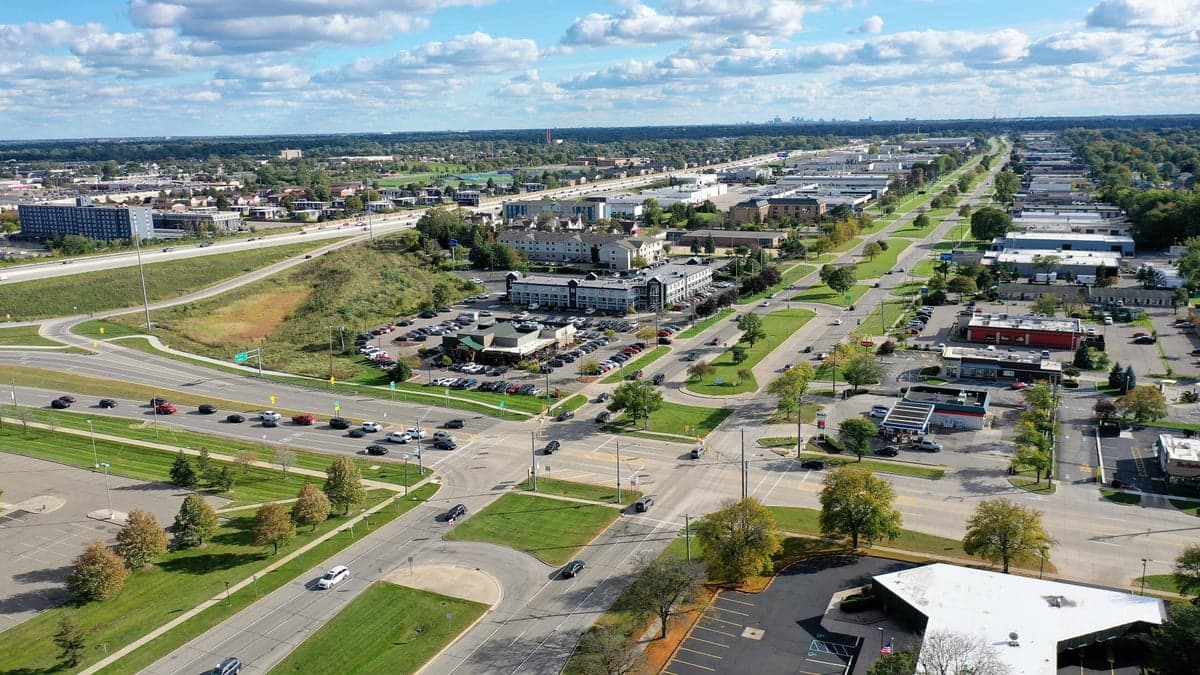
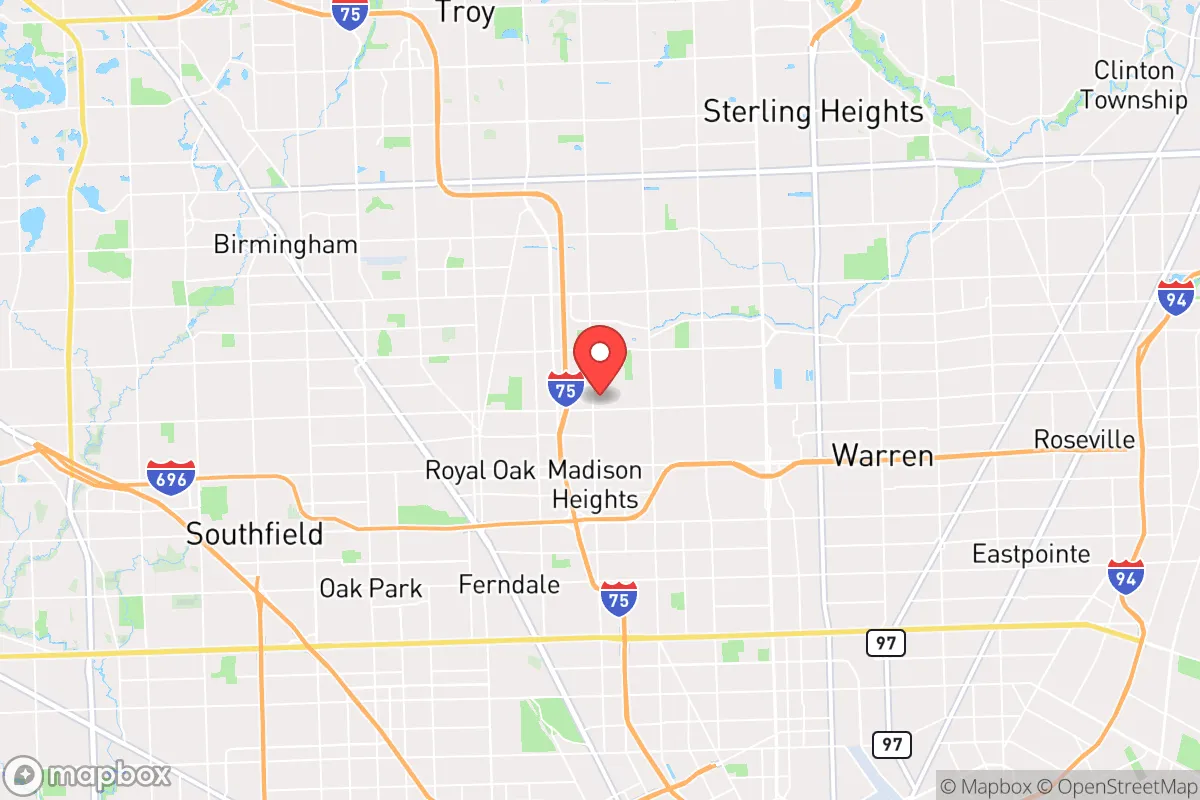
Madison Heights is one of those Metro Detroit suburbs that doesn’t try to be flashy, and that’s exactly why people stay. Sandwiched between Royal Oak and Troy, it’s a blue-collar, middle-class community where the housing is affordable, the neighbors know each other by name, and the biggest local debate is probably which Coney Island has the best chili fries. It’s not a place you move to for nightlife or prestige—you move here because you want a solid, quiet home base with easy access to everything the region offers.
Daily Rhythm: What Life Actually Looks Like
Most mornings in Madison Heights start with a commute that averages about 25 minutes—short enough to feel sane, long enough to justify a podcast. The population of roughly 28,400 is a mix of longtime residents who remember when the area was mostly farmland and younger families priced out of Royal Oak and Ferndale. The median age of 40.8 reflects that settled, family-oriented feel. You’ll see people grabbing coffee at Biggby Coffee on John R or hitting the Madison Heights Farmers Market on summer Saturdays. Weekends often involve a trip to Red Oaks Nature Center for a hike, or a slow afternoon at John Paul Park watching little league games. The median household income of $66,726 is enough for a comfortable, no-frills lifestyle—especially with a cost of living index of 86, well below the national average.
Sports, Community, and Where People Gather
High school sports are the main event here. Madison High School football games on Friday nights draw a real crowd—parents, alumni, and neighbors who just want something to do. The Eagles are the local team, and the rivalry with Lamphere is taken seriously. For pro sports, it’s all Detroit teams: Lions, Tigers, Red Wings, and Pistons. You’ll see more Lions jerseys than anything else, especially since the 2024 playoff run. The community’s biggest gathering spot is Go Comedy! Improv Theater on Nine Mile, which punches above its weight for a suburb this size. For a night out, locals head to Mr. B’s Pub for a beer and a burger, or Bastone Brewery in nearby Royal Oak if they want something craft. The annual Madison Heights Memorial Day Parade is a genuine community event—flags, veterans, and kids on bikes. It’s not a festival town, but the Madison Heights Art & Music Festival in August brings a decent crowd to Civic Center Park.
What’s There to Do (and What’s Missing)
The outdoor scene is modest but functional. Red Oaks Nature Center has a small but well-kept trail system and a pond for fishing. Wilson Park has tennis courts and a splash pad that’s packed in July. For bigger adventures, you’re 20 minutes from Stony Creek Metropark or 30 from Lake St. Clair. The real draw is location: you can be in downtown Royal Oak for dinner in 10 minutes, or in Detroit for a Tigers game in 25. The trade-off is that Madison Heights itself has limited dining variety. You’ll find solid Coney Islands (try National Coney Island on John R), a few Mexican spots, and a Buddy’s Pizza for Detroit-style square pies. But if you want sushi or a gastropub, you’re driving to Royal Oak or Ferndale. That’s the biggest frustration for residents: the city lacks its own destination restaurants or entertainment district. It’s a bedroom community, and it feels like one.
Pros and Cons of Living Here
- Pro: Affordable housing. The median home value of $190,300 is a fraction of what you’d pay in Royal Oak or Birmingham. First-time buyers and young families can actually get a decent 3-bedroom ranch here.
- Pro: Low cost of living. With a cost of living index 14% below the national average, your paycheck goes further. Utilities, groceries, and gas are all noticeably cheaper than in nearby suburbs.
- Con: Property crime. The violent crime rate of 292.8 per 100,000 is about average for the region, but property crime—especially car break-ins and package theft—is a persistent annoyance. Most locals lock their cars and keep garage doors closed.
- Con: Limited nightlife and dining. If you want a vibrant downtown with bars and restaurants, this isn’t it. You’ll be driving to Royal Oak, Ferndale, or Troy for anything beyond a pub or a pizza joint.
- Pro: Commute convenience. The 25-minute average commute is realistic for most jobs in Oakland County or Detroit. You’re close to I-75, M-59, and I-696, so getting anywhere is easy.
Who Fits In Here
Madison Heights works best for people who value practicality over prestige. It’s a good fit for tradespeople, office workers, and small business owners who want a quiet home base without a huge mortgage. The 32.1% college-educated rate is lower than in neighboring suburbs, which reflects the blue-collar roots. You’ll see a lot of pickup trucks in driveways, a lot of American flags on porches, and a lot of people who’ve lived here for 20+ years. Winters are typical Metro Detroit: gray, snowy, and cold from December through March. Summers are humid but pleasant, with plenty of lake-effect breeze. The schools—Madison District Public Schools—are adequate but not top-tier; many families opt for private or charter options if academics are a priority. The community’s identity is quietly proud: it’s not the richest or the trendiest suburb, but it’s home, and people here take care of their own.

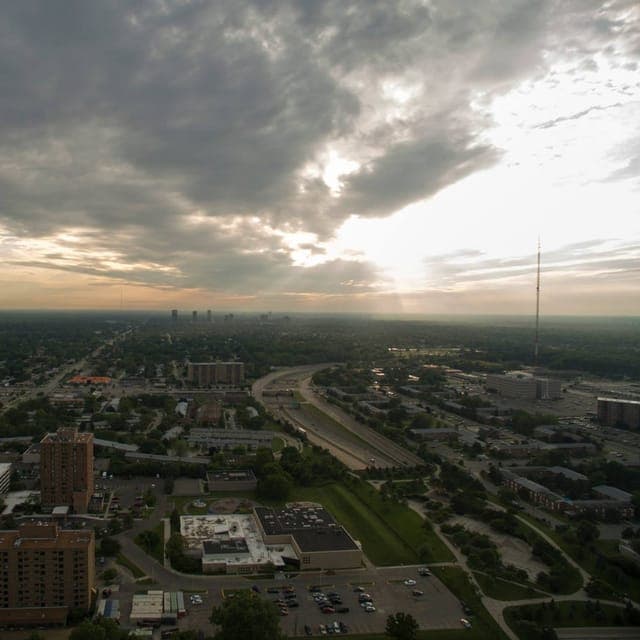
Similar towns to Madison Heights

* Values derived from national, state, county, city and local statistics and may differ in a specific area. Last updated: 2026-04-29T23:21:31.000Z
Narrative content on this page is AI-generated and may contain mistakes. Verify any details that matter before acting on them.
ReloMaps may earn a commission from affiliate links at no extra cost to you.

