 Popular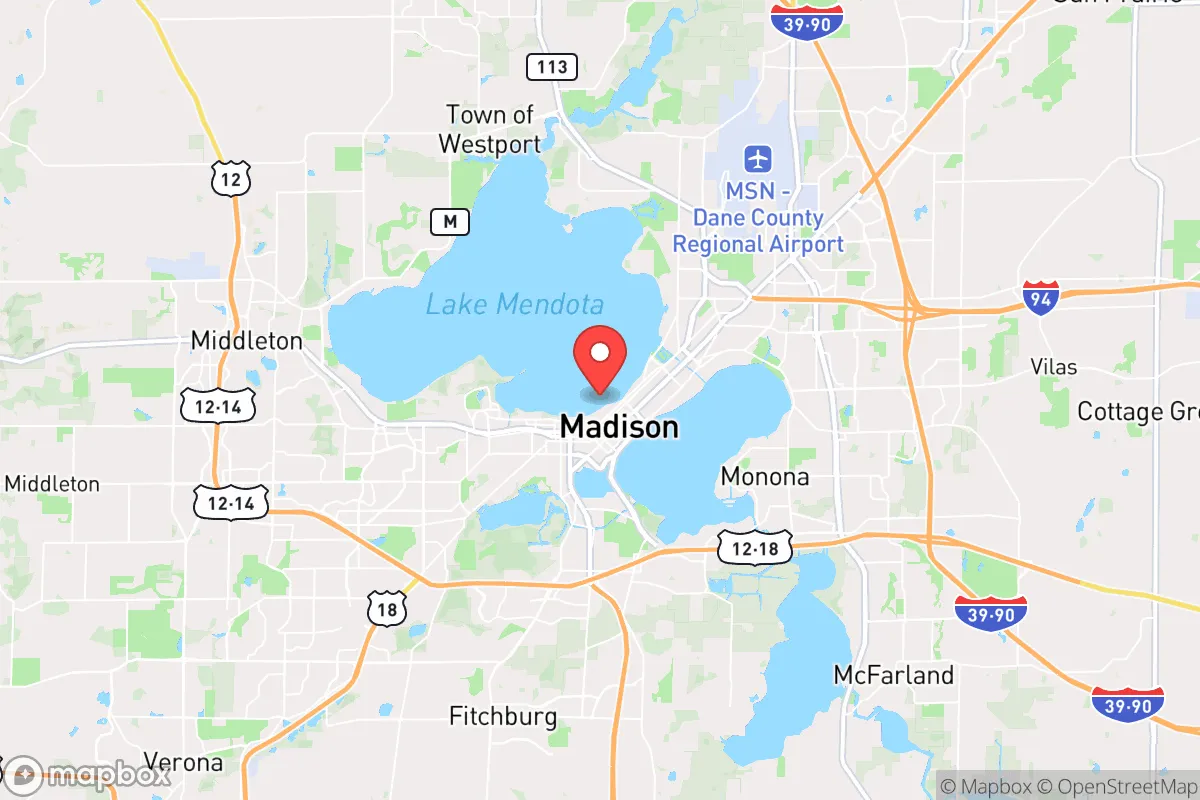
Photo: Wikipedia
Quality of Life in Madison, WI
Above-average quality of iife. The area offers a reasonable cost of living, decent mobility, and a mix of neighborhood amenities.
What does Quality of Life tell us?
Quality of Life blends cost of living, nearby amenities, socioeconomic signals, and neighborhood character. City-level scores represent the whole municipality; individual neighborhoods can differ.
What does this tell us?
Quality of Life blends cost of living, nearby amenities, socioeconomic signals, and neighborhood character. City-level scores represent the whole municipality; individual neighborhoods can differ.
Cost of Living
20% above national average
The Real Cost of Living in Madison, WI for 2026
| Tier | Individual | Family (4) |
|---|---|---|
| Survival | $22k | $41k |
| Comfortable | $67k | $99k |
| Luxury | $139k+ | $216k+ |
| Elite (Top 5%) | $170k+ | $264k+ |
78%
The Area Signal
A metric tracking the socioeconomic signals of the area.
Hobbies
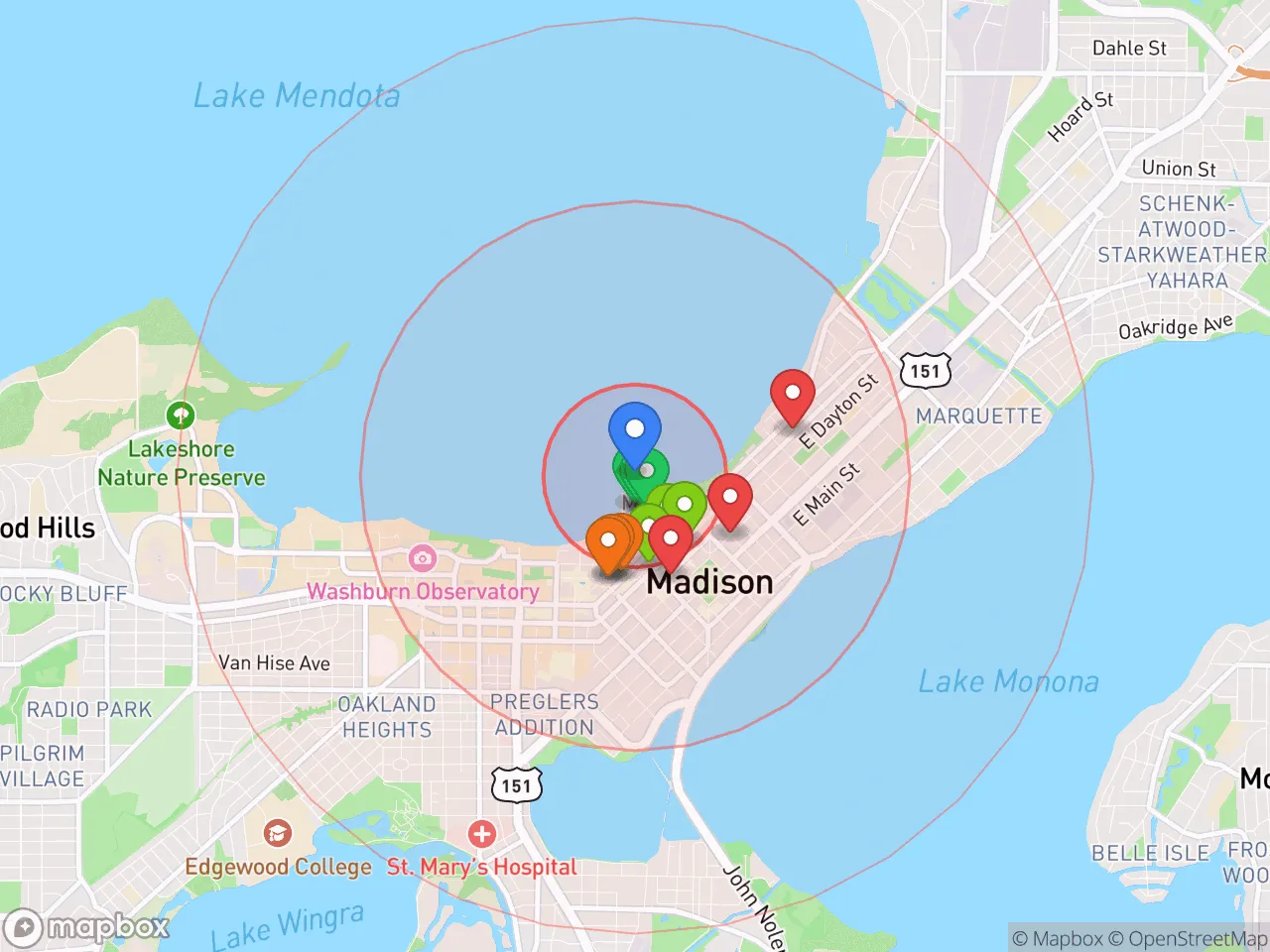
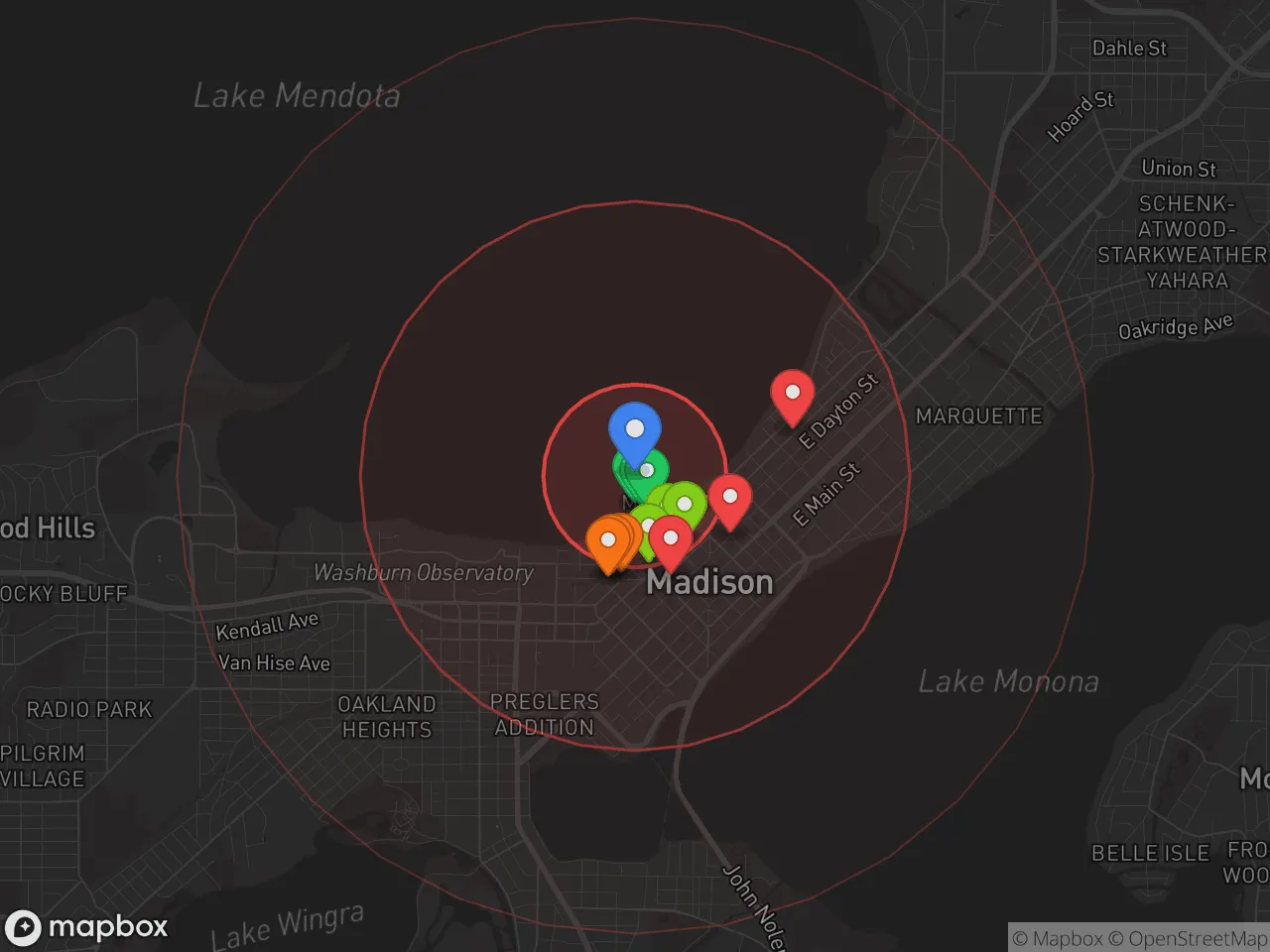
Explore the areaGroceries
7 within 10 miles
Gas
20 within 10 miles
Hospital
9 within 20 miles
Airport
ORD — O'Hare International
Post Office
USPS — Madison, WI
Critical Amenities
Quality-of-Life Analysis
Madison, Wisconsin, draws a notably educated and civically engaged population, with over 50% of adults holding a bachelor’s degree or higher—more than double the national average. This reflects the city’s dual identity as both the state capital and home to the University of Wisconsin–Madison, creating a blend of government professionals, academics, researchers, and a robust tech and biotech workforce. The overall cost of living index sits at 120 (20% above the U.S. average), placing it in a middle ground between more expensive Midwestern hubs like Minneapolis and more affordable smaller cities such as Janesville or Rockford.
Cost of living, housing affordability, and how Madison compares to nearby cities
Madison’s housing market is the primary driver of its above-average cost of living. The median home value is $346,900, roughly 1.5 times the national median, while the median rent is $1,364 per month. For context, a comparable home in suburban Middleton or Fitchburg might run 5–10% higher, while in nearby Sun Prairie or Verona, prices are similar but with newer inventory. Rents in Madison have risen about 4% annually since 2020, outpacing wage growth in some service sectors. The average one-way commute is just 19.4 minutes, significantly shorter than the national average of 26 minutes, which offsets some housing costs by reducing transportation expenses. Compared to Milwaukee (COL index 96) or Chicago (index 135), Madison offers a premium for its smaller-city feel and strong local economy, but it remains more affordable than Boulder, Colorado, or Ann Arbor, Michigan—two peer college towns with similar demographics.
What daily life is like for families: schools, parks, and local amenities
Daily life in Madison revolves around its extensive park system and four lakes—Mendota, Monona, Wingra, and Waubesa—which provide year-round recreation from sailing to ice fishing. The Madison Metropolitan School District serves roughly 27,000 students and includes nationally recognized magnet programs, though families often seek out suburban districts like Middleton-Cross Plains or Waunakee for higher state test scores. The city’s rhythm is shaped by the UW–Madison calendar: the fall semester brings a surge of cultural events, farmers’ markets, and Badgers football games, while summer slows with free concerts on the Capitol Square. The city’s bike infrastructure is among the best in the Midwest, with over 200 miles of trails, and the pedestrian-friendly Isthmus neighborhood connects downtown to the university campus. Groceries and utilities run about 10% above national averages, but the absence of major traffic congestion and the abundance of free community events (like the Concerts on the Square series) help keep entertainment costs manageable.
Madison is best suited for professionals, academics, and families who prioritize education, outdoor access, and a politically progressive environment over low housing costs. The city’s strong job market—anchored by the university, state government, and Epic Systems in nearby Verona—keeps unemployment consistently below 3%, but the high cost of housing relative to wages can strain entry-level workers and service employees. Retirees on fixed incomes may find the property tax burden (among the highest in Wisconsin) challenging, while young professionals and dual-income families typically thrive here, leveraging the short commute and abundant amenities. For those seeking a quieter, more affordable alternative, smaller communities like Stoughton or Oregon offer lower home prices within a 20-minute drive of downtown Madison.

Crime in Madison, WI
Generally safer than 65% of comparable U.S. locations.
Violent CrimeViolent Crime Analysis
Property CrimeProperty Crime Analysis
Crime Analysis
Madison, Wisconsin, presents a mixed safety profile for potential residents. While the city’s violent crime rate of 226.4 per 100,000 residents is notably lower than the national average, its property crime rate of 1,706.6 per 100,000 is significantly higher, exceeding both state and national benchmarks. This combination means that while the risk of a violent encounter is relatively low, the likelihood of experiencing theft, burglary, or vehicle break-ins is a tangible concern for daily life.
Crime in context
Madison’s violent crime rate sits well below the national average of roughly 380 per 100,000, placing it among safer large cities for personal safety. However, the property crime rate is a clear outlier, running about 40% higher than the national average of roughly 1,200 per 100,000. This disparity is driven largely by a high volume of larceny and motor vehicle theft. A critical factor in this dynamic is the influence of progressive judicial policies in Dane County. The area’s liberal district attorneys and judges often prioritize diversion programs and reduced sentencing for property offenders. While intended to reduce recidivism, this approach has a direct, negative consequence: more criminals are released back onto the streets quickly, which erodes deterrence and increases the frequency of property crimes. For residents, this means a higher chance of repeat victimization and a justice system that can feel unresponsive to the impact on victims and public safety.
What residents experience
For those living in Madison, the most common safety issue is property crime. Residents frequently report stolen packages, bicycle thefts, and car break-ins, particularly in denser neighborhoods near the University of Wisconsin campus and downtown. The city’s progressive approach to policing and prosecution, while sympathetic to offenders, often results in a perception that the system prioritizes the rights of the accused over the safety of the community. This can lead to frustration, as victims of property crime may see little follow-through or meaningful consequence for offenders. Violent crime, while less common, is not absent and tends to be concentrated in specific areas, often involving disputes among individuals known to each other rather than random attacks on the general public.
Neighborhood-level variation is significant. Areas like the near-west side, Shorewood Hills, and Middleton consistently report lower crime rates. In contrast, parts of the south side, the Isthmus corridor near downtown, and the Allied Drive neighborhood experience higher rates of both property and violent incidents. Prospective residents should research specific neighborhood crime maps and consider that the city’s overall low violent crime rate does not insulate all areas from property crime or localized safety issues. The overarching judicial philosophy in Dane County means that the deterrent effect of prosecution is weaker than in more conservative jurisdictions, a factor that directly impacts the quality of life for law-abiding residents.
* Values derived from national, state, county, city and local statistics and may differ in a specific area. Last updated: 2026-04-21T10:04:44.000Z
Narrative content on this page is AI-generated and may contain mistakes. Verify any details that matter before acting on them.
ReloMaps may earn a commission from affiliate links at no extra cost to you.

