
Photo: Wikipedia
Political ClimatePolitical Climate in Kennebec County
Showing district-level results — no local-only data available.
Local Political AnalysisPolitical Analysis of Kennebec County
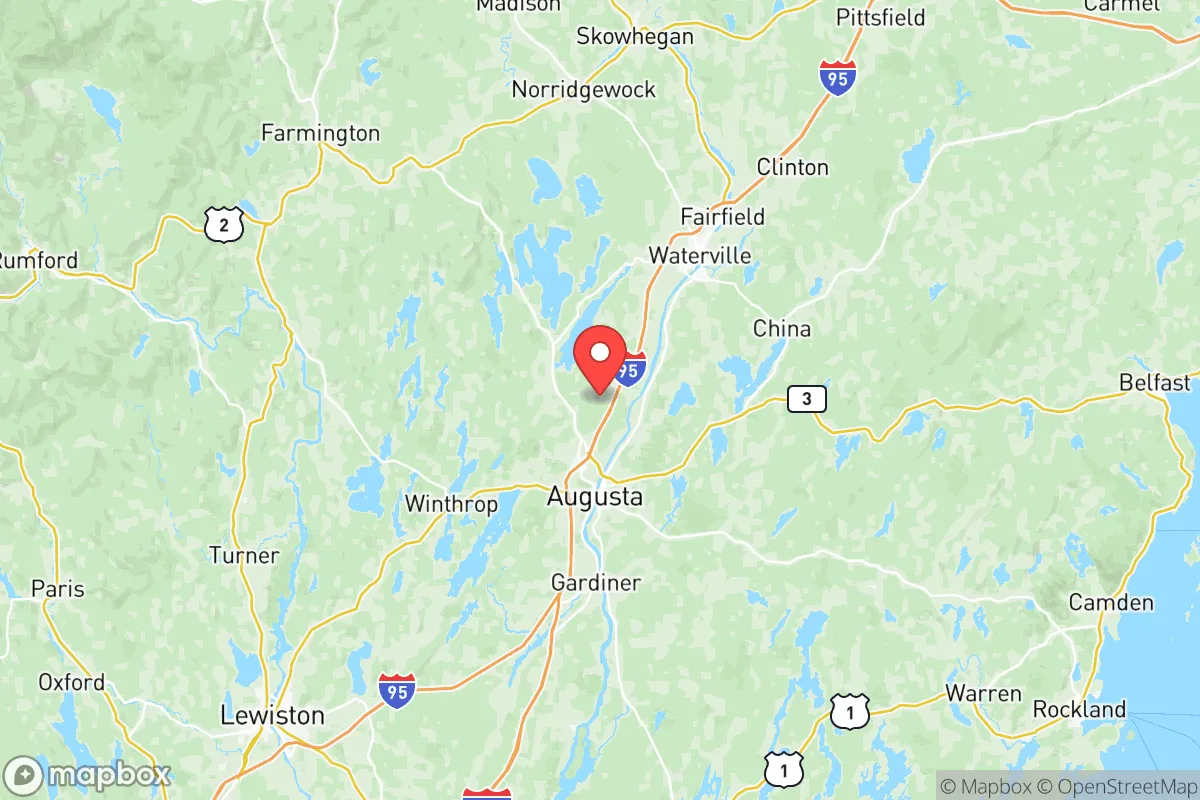
Kennebec County, Maine, is a place where the political ground has been shifting under our feet, and not in a way that sits well with folks who value their personal freedoms. The county carries a Cook PVI of R+4, meaning it leans Republican by a modest margin, but that’s a far cry from the deep-blue dominance of the state as a whole, which sits at D+3. Over the past decade, I’ve watched this area slowly drift away from its independent, live-and-let-live roots, with progressive policies creeping in from Augusta and Portland that feel more like government overreach every year. If you’re looking for a place where your rights aren’t constantly under the microscope, Kennebec County still has some fight left, but the trajectory is concerning.
How it compares
When you stack Kennebec County against the rest of Maine, the contrast is stark. The state’s D+3 rating is driven by the liberal strongholds of Cumberland County and Portland, where progressive agendas on everything from energy mandates to gun control get pushed through. Here in Kennebec, we’re more of a mixed bag. The county’s R+4 lean is held together by towns like Winthrop and Readfield, which reliably vote red and push back against the nanny-state nonsense coming out of the capital. But then you’ve got Augusta, the state capital, which leans blue thanks to government workers and transplants who don’t seem to mind the bureaucracy. Waterville is another swing area—historically working-class and independent, but now showing signs of turning left as Colby College’s influence grows. The real battlegrounds are the rural towns like China and Vassalboro, where you’ll find the swing precincts that decide local elections. These folks are tired of being told how to live their lives, but the progressive tide from the coast is lapping at our shores.
What this means for residents
For those of us who’ve been here a while, the political climate means we’re constantly fighting to keep government out of our business. The state’s recent push for stricter environmental regulations on heating and vehicles feels like a direct attack on our rural way of life—folks here rely on their trucks and oil heat, and mandates from Augusta don’t account for that reality. On the plus side, Kennebec County’s Republican lean gives us some buffer. Local officials in towns like Hallowell and Gardiner still respect property rights and push back against overreaching state laws. But the worry is real: as more people move in from out of state, bringing their big-government ideas with them, we could see the county flip in the next decade. The 2024 election was a wake-up call, with rural precincts holding the line while urban areas shifted left.
What really sets Kennebec County apart culturally is its stubborn independence. You don’t see the same level of activism or protest culture here that you do in Portland or even Bangor. People are more likely to solve problems at the town meeting level than to demand state intervention. That said, the pressure is mounting. The push for ranked-choice voting and other progressive electoral reforms is a red flag—it’s a way to dilute the voice of traditional communities. If you’re considering a move here, know that you’ll find a mix of old-school libertarian values and a growing progressive influence that’s worth keeping an eye on. The county is still a decent place for folks who want to be left alone, but the fight to keep it that way is getting harder every year.

State Political ClimatePolitical Climate in Maine
State Political AnalysisPolitical Environment in the State
Maine has a reputation as a moderate New England state, but its Cook PVI of D+3 tells only part of the story. For decades, the state was a bastion of fiscal conservatism and live-and-let-live independence, but the last 10-20 years have seen a steady leftward drift driven by the Portland metro area and an influx of out-of-state transplants. While the state still elects centrist Republicans like Senator Susan Collins, the legislature and governor’s mansion have been firmly in Democratic control, and the policy agenda has shifted noticeably toward progressive priorities that many conservatives find concerning.
Urban vs. rural divide
The political map of Maine is a tale of two worlds. The Portland metro area—including Portland, South Portland, and Westbrook—is the engine of the state’s Democratic vote, with precincts routinely delivering 70-80% for Democratic candidates. This region has grown rapidly, fueled by remote workers from Massachusetts and New York who bring their politics with them. In contrast, the vast rural interior—places like Bangor, Presque Isle, and the working-class mill towns of Rumford and Mexico—leans heavily Republican. The Second Congressional District, which covers most of the state outside Portland, has voted for Trump twice and is one of the few rural districts in New England that remains competitive. The divide is stark: a drive from Portland to Augusta feels like crossing into a different political universe, with yard signs shifting from “Science is Real” to “Don’t Tread on Me.”
Policy environment
Maine’s policy environment has become increasingly unfriendly to conservatives. The state has a progressive income tax with a top rate of 7.15%, and property taxes are among the highest in the nation—a burden that hits rural homeowners hard. The regulatory climate is heavy, particularly in environmental permitting and land use, which has stifled development and driven up housing costs. On education, Maine has adopted controversial “Maine Learning Results” standards that many parents feel prioritize ideological content over core academics. The state also has universal mail-in voting and same-day voter registration, which critics argue erodes election integrity. Healthcare is dominated by MaineHealth, a large nonprofit system that has driven up costs, and the state expanded Medicaid under the Affordable Care Act. For conservatives, the policy environment feels like a slow creep of government into every aspect of life, from how you heat your home to what your kids learn in school.
Trajectory & freedom
Maine is becoming less free by any objective measure. The most alarming trend for gun owners was the passage of LD 2238 in 2023, which expanded background checks to private sales and created a 72-hour waiting period for firearm purchases—a direct response to the Lewiston mass shooting. This was a major shift in a state with a proud hunting and sporting tradition. On parental rights, the legislature has repeatedly defeated bills that would require schools to notify parents about curriculum involving sexual orientation or gender identity. The state also passed a “shield law” in 2023 that protects providers of gender-affirming care from out-of-state legal action, effectively making Maine a sanctuary for controversial medical procedures. Property rights have been eroded by the “Maine Indian Claims Settlement” land-use restrictions and a growing trend of conservation easements that limit what owners can do with their land. The tax burden continues to rise, with no serious effort at reform. For someone who values personal liberty, the trajectory is deeply concerning.
Civil unrest & political movements
Maine has seen its share of political flashpoints. The Lewiston mass shooting in October 2023, which killed 18 people, was a seismic event that reshaped the gun debate and led to the passage of the restrictive LD 2238. The state has also seen significant protests over the “Indian Child Welfare Act” and tribal sovereignty issues, with the Wabanaki tribes pushing for greater autonomy. On the left, the “Maine People’s Alliance” is a powerful activist group that has successfully pushed for minimum wage increases, rent control in Portland, and the aforementioned gun restrictions. On the right, the “Maine Gun Owners” group and “Maine Republican Party” have been active but often outgunned. Immigration politics are relatively quiet compared to southern border states, but the arrival of asylum seekers in Portland has strained city services and created tensions. Election integrity remains a hot-button issue, with the 2020 election seeing widespread use of mail-in ballots and no voter ID requirement—a combination that many conservatives find troubling.
Projection
Looking ahead 5-10 years, the trend is not favorable for conservatives. The Portland metro area continues to grow, while rural counties like Aroostook and Washington are losing population. This demographic shift will likely make the state more Democratic over time. The Second Congressional District may flip permanently blue if in-migration from out-of-state continues. The policy environment will likely become more progressive: expect further gun restrictions, expansion of “sanctuary” policies for illegal immigration, and more mandates on schools. The tax burden will almost certainly increase as the state’s aging population strains the budget. However, there is a counter-trend: the rise of “free state” movements and the growing number of conservatives moving to rural areas like Oxford County and Somerset County could create pockets of resistance. But for a new resident, the realistic expectation is that Maine will continue its leftward drift, with the state government becoming more intrusive and less respectful of individual liberty.
Bottom line for a new resident: If you’re a conservative considering a move to Maine, you need to go in with eyes wide open. The state’s natural beauty and independent spirit are real, but the political climate is increasingly hostile to traditional values. You’ll find like-minded communities in rural areas like Belfast or Ellsworth, but you’ll be fighting an uphill battle against a state government that seems determined to expand its reach into every corner of your life. The taxes are high, the regulations are thick, and the cultural tide is moving against you. If you’re willing to be a voice for freedom in a state that’s losing its way, Maine can still be a rewarding place to live—but don’t expect it to get easier anytime soon.
* Values derived from national, state, county, city and local statistics and may differ in a specific area. Last updated: 2026-05-11T21:39:20.000Z
Narrative content on this page is AI-generated and may contain mistakes. Verify any details that matter before acting on them.
ReloMaps may earn a commission from affiliate links at no extra cost to you.

