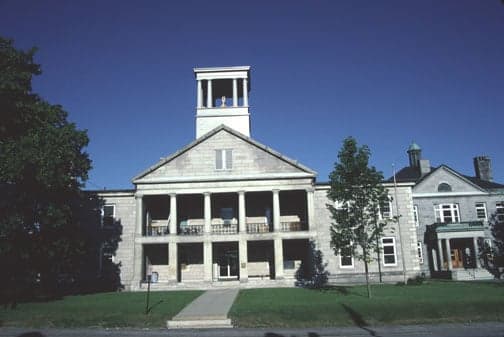
Photo: Wikipedia
Quality of Life in Kennebec County
A livable area that tracks near national norms for affordability, walkability, and neighborhood health.
What does Quality of Life tell us?
Quality of Life measures an area by evaluating factors like cost of living, nearby amenities, country club access, airport proximity, socioeconomic signals and neighborhood character. For large states, this is a general average — quality of life can vary dramatically between metro areas, suburbs, and rural communities within the same state.
What does this tell us?
Quality of Life measures an area by evaluating factors like cost of living, nearby amenities, country club access, airport proximity, socioeconomic signals and neighborhood character. For large states, this is a general average — quality of life can vary dramatically between metro areas, suburbs, and rural communities within the same state.
Cost of Living
20% below national average
104%
The Real Cost of Living in Kennebec County for 2026
| Tier | Individual | Family (4) |
|---|---|---|
| Survival | $15k | $29k |
| Comfortable | $43k | $63k |
| Luxury | $111k+ | $172k+ |
| Elite (Top 5%) | $131k+ | $202k+ |
Quality-of-Life Analysis
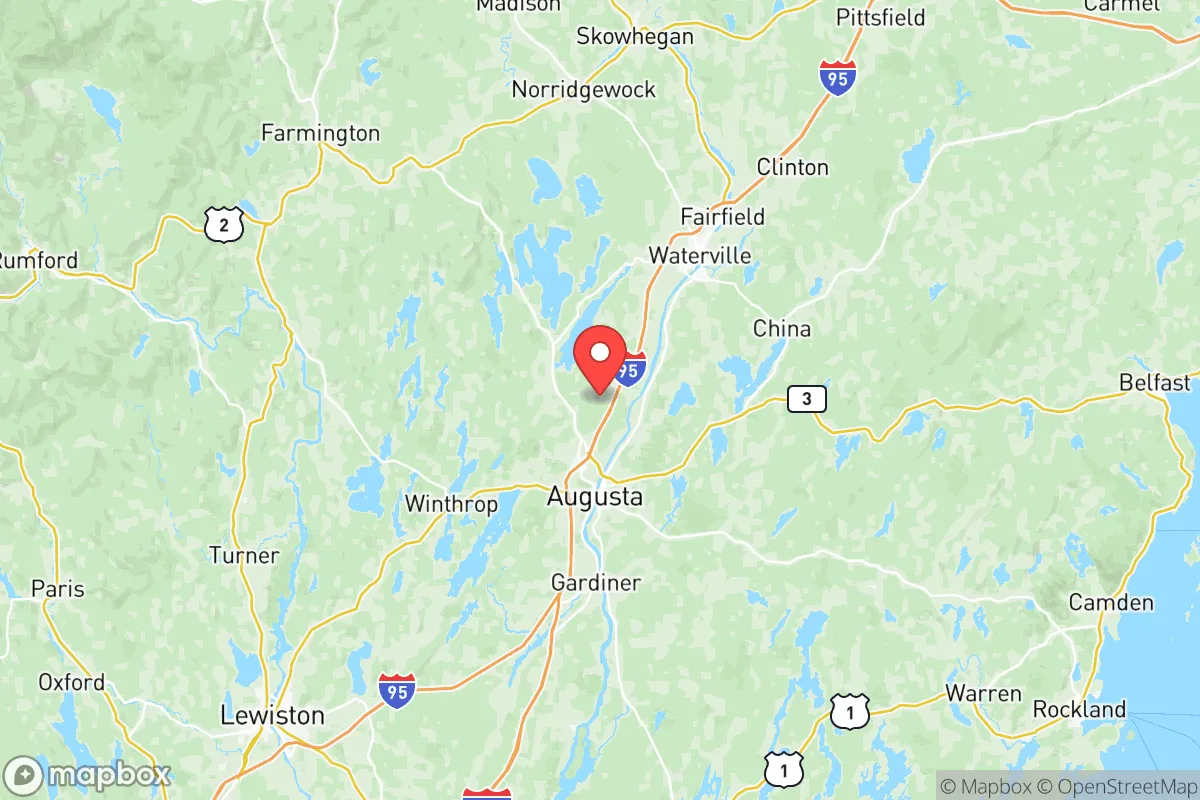
Kennebec County offers a broad quality-of-life spectrum, from the walkable riverfront city of Augusta to the quiet, unincorporated townships of the western lakes region. The county’s character shifts noticeably as you move from its central population corridor along the Kennebec River into the more remote, forested tracts to the north and west. This range attracts a mix of state government professionals, outdoor recreationists, and those seeking affordable rural living within commuting distance of the capital.
Largest town(s) & population centers
Augusta, the state capital and county seat, is the largest population center with roughly 19,000 residents. Daily life here centers on state government employment, healthcare at MaineGeneral Medical Center, and the University of Maine at Augusta. The downtown has seen reinvestment along Water Street, with the Kennebec River Rail Trail and the Maine State Museum providing year-round amenities. Hallowell, immediately south of Augusta, offers a more compact, historic downtown with a lively arts scene and independent restaurants, attracting a slightly younger, creative demographic. Waterville, the county’s second-largest city (pop. ~16,000), is anchored by Colby College and the Harold Alfond Athletics Center, giving it a distinct college-town energy. Its downtown is undergoing a major revitalization, with the Paul J. Schupf Art Center and the Waterville Opera House drawing visitors. Commute times in these centers average well under the county’s 23.8-minute mean, with many residents walking or biking to work.
Smaller towns & rural pockets
Beyond the urban core, Kennebec County contains dozens of smaller towns and unincorporated townships that define its rural character. Vienna, Mount Vernon, and Fayette in the western part of the county are classic Maine lake towns, with seasonal populations that swell in summer. These areas have no stoplights, limited cell service, and a strong reliance on private wells and septic systems. China and Windsor offer a mix of farmland and lakefront properties, with China Lake being a popular fishing and boating destination. The unincorporated township of Moscow (pop. ~500) sits along the Kennebec River north of Skowhegan, offering deep-woods living with minimal services. In the county’s northern reaches, Bingham and Caratunk are gateways to the Moose River Valley and the Appalachian Trail, attracting hunters, snowmobilers, and thru-hikers. These smaller communities typically have no grocery stores or gas stations, requiring a 20-30 minute drive to the nearest town for basic supplies.
Cost & lifestyle range
The cost of living across Kennebec County is remarkably consistent, with a countywide COL index of 80 (20% below the U.S. average). Median home values sit at $219,900, and median rent at $952, but these figures mask significant variation. In Augusta and Waterville, a $219,900 home typically buys a 1,200-1,500 square foot older home in a walkable neighborhood. In Vienna or Mount Vernon, the same price can secure a 3-bedroom lakefront camp with private dock, though with higher property taxes and no municipal services. The most affordable end of the spectrum is in the unincorporated townships like Moscow or Caratunk, where homes under $150,000 are common but come with long commutes (often 40+ minutes) and limited employment options. At the higher end, Hallowell’s historic district and the lakefront areas of China and Belgrade see home values exceeding $400,000, driven by desirability and proximity to amenities. Property taxes vary notably: Augusta’s mill rate is around 20.5, while smaller towns like Fayette can exceed 22, offset by lower home prices.
The county’s 23.8-minute average commute masks a split: Augusta and Waterville residents average 15-18 minutes, while those in western townships like Mount Vernon or Fayette often drive 35-45 minutes to jobs in the capital or Waterville. This trade-off—longer drives for lower housing costs and more land—defines the lifestyle choice for many residents. Who thrives here: Kennebec County suits people who value a mix of small-city amenities and genuine rural access. State employees, Colby College faculty, and healthcare workers find stable employment in the population centers, while remote workers, retirees, and outdoor enthusiasts gravitate toward the lake towns and northern townships. The county’s affordability and geographic diversity make it a practical choice for those who want Maine’s outdoor lifestyle without the premium prices of coastal or southern Maine.

Crime in Kennebec County
Lower crime rates than 82% of comparable U.S. locations.
Violent CrimeViolent Crime Analysis
Property CrimeProperty Crime Analysis
Crime Analysis
Kennebec County, Maine, reports a violent crime rate of 87.5 incidents per 100,000 residents and a property crime rate of 888.2 per 100,000, figures that position the county as one of the safer regions in the state. While no community is crime-free, these numbers reflect a notably lower risk of violent victimization compared to national averages, though property crime rates warrant attention from prospective residents. The county's safety profile is shaped by its mix of small cities, rural towns, and the presence of the state capital, Augusta, which concentrates both government services and some crime.
Crime in context
Kennebec County's violent crime rate of 87.5 per 100,000 is roughly 70% lower than the national average of approximately 380 per 100,000, placing it among the safest counties in Maine for violent offenses. Property crime, at 888.2 per 100,000, sits about 40% below the national rate of roughly 1,950 per 100,000 but is slightly above the Maine state average of around 850 per 100,000. This means residents face a very low risk of violent crimes like homicide or aggravated assault, but theft and burglary occur at a rate comparable to other Maine counties. The contrast is sharp when compared to Maine's more urbanized counties like Cumberland (Portland area), which reports violent crime rates near 150 per 100,000 and property crime rates exceeding 1,500 per 100,000.
What residents experience
Daily life in Kennebec County is generally safe, with most crime concentrated in specific areas. Augusta, the county seat and largest city, accounts for a disproportionate share of reported incidents, particularly property crimes like larceny from vehicles and shoplifting near the Augusta Civic Center and the Marketplace at Augusta retail corridor. The city's violent crime rate, while still below national averages, is higher than the county's rural towns. Waterville, home to Colby College, sees a modest uptick in alcohol-related offenses and minor thefts during the academic year but remains a low-crime environment overall. Smaller communities such as Winthrop, Hallowell, and Gardiner report very low crime rates, often with fewer than 10 violent crimes annually. The Kennebec County District Attorney's office, which prosecutes cases across the county, operates under a moderate approach that prioritizes diversion programs for low-level offenders—a policy that some residents view as keeping non-violent criminals out of jail but that critics argue can lead to repeat property offenses in areas like Augusta's downtown and the Chelsea neighborhood.
Neighborhood-level variation is pronounced. In Augusta, the area around Water Street and the Capitol Park district sees higher rates of disorderly conduct and theft, while the western residential neighborhoods near the Kennebec River and the Manchester border are notably quieter. Waterville's South End and the area near the Hathaway Creative Center have reported occasional burglaries, whereas the North End and the Colby College campus are among the safest zones in the county. Rural towns like China, Vassalboro, and Belgrade experience crime primarily as isolated incidents—often thefts from seasonal camps or minor vandalism—rather than as a persistent threat. For families and retirees, the county's overall safety profile is strong, but choosing a specific town or neighborhood within Augusta or Waterville can meaningfully affect daily peace of mind.
* Values derived from national, state, county, city and local statistics and may differ in a specific area. Last updated: 2026-05-11T21:39:20.000Z
Narrative content on this page is AI-generated and may contain mistakes. Verify any details that matter before acting on them.
ReloMaps may earn a commission from affiliate links at no extra cost to you.

