
Photo: Wikipedia
Personal Sovereignty in Kennebec County
Viable for self-reliance. Generally workable, though some barriers may limit total independence.
What does Personal Sovereignty tell us?
Personal Sovereignty measures your capacity for self-reliance and independence with minimal government friction. Higher scores mean fewer barriers between you and the way you want to live... but it assumes you have the space you need and good neighbors.
What does this tell us?
Personal Sovereignty measures your capacity for self-reliance and independence with minimal government friction. Higher scores mean fewer barriers between you and the way you want to live... but it assumes you have the space you need and good neighbors.
State Policy
Energy independence: Importer (30% of energy produced in-state)
Personal Liberty
Homesteading

Personal Liberty Analysis
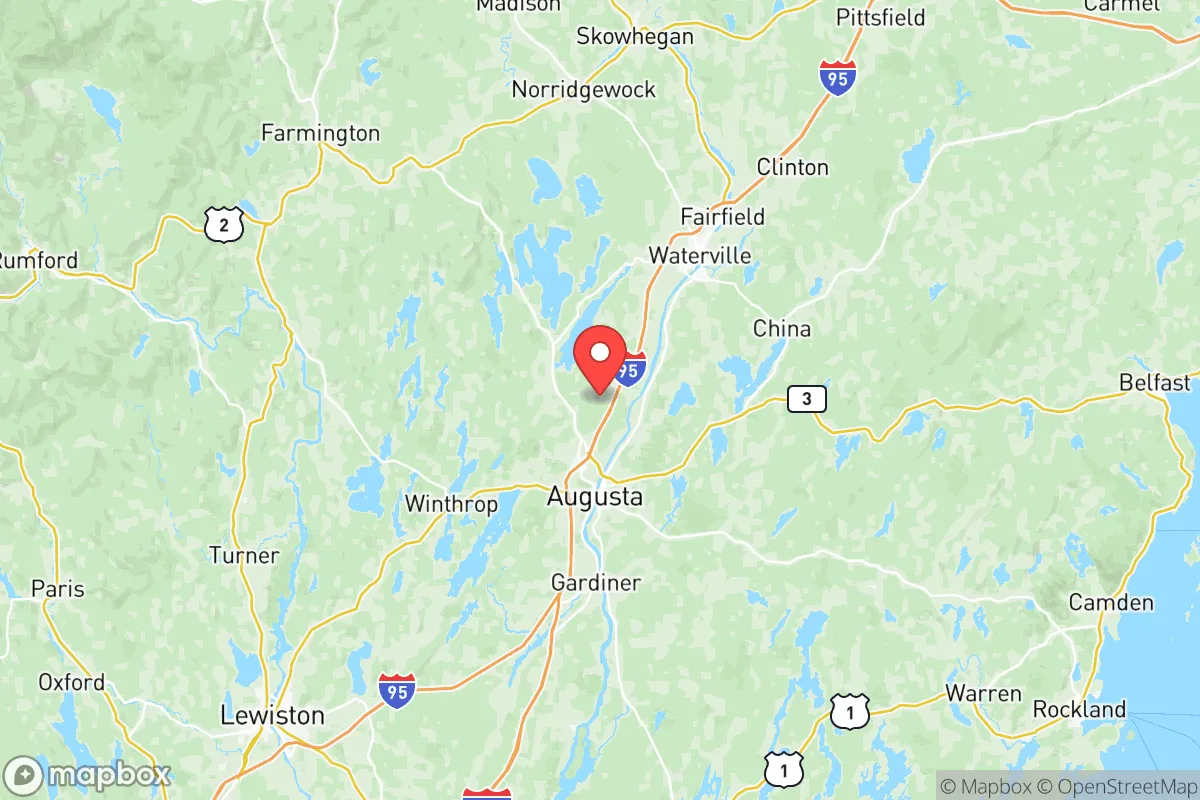
For the individual or family prioritizing personal sovereignty, Kennebec County, Maine offers a nuanced environment where state-level overreach is tempered by a deeply ingrained local culture of self-reliance and a rural landscape that still permits a degree of autonomy increasingly rare in the Northeast. While Maine as a whole is not a libertarian paradise—its state government has imposed vaccine mandates, expanded Medicaid, and maintains a relatively high tax burden—Kennebec County, anchored by the capital city of Augusta but sprawling into vast, sparsely populated townships, provides a buffer. The real sovereignty here is found not in state law, but in the practical distance from enforcement and the community’s tacit acceptance of doing things your own way. For the survivalist or prepper, this is a place where you can quietly build your capability, provided you understand the legal lines you cannot cross and the tax bills you cannot avoid.
Tax burden and regulatory posture in Kennebec County
Maine’s tax climate is a significant drag on personal sovereignty, and Kennebec County is no exception. The state imposes a progressive income tax with a top marginal rate of 7.15%, and the statewide sales tax is 5.5% (higher on prepared food and lodging). Property taxes in Kennebec County are a mixed bag: the mill rate in Augusta hovers around 22.5 mills, meaning a $200,000 home carries an annual tax bill of roughly $4,500. However, head north or west to towns like Vienna or Mount Vernon, and mill rates can drop to the 14-16 range, significantly lowering the carrying cost of land. The regulatory posture is more concerning. Maine’s state building code (MUBEC) applies to most new construction, and shoreland zoning—administered by the Department of Environmental Protection—restricts what you can do within 250 feet of any lake, river, or wetland. This is a real constraint for anyone wanting to build a remote cabin or bunker near water. However, in unorganized territories within the county, such as parts of Moscow or Caratunk, enforcement is lax, and many landowners simply build without permits, relying on the fact that the code enforcement officer is a 45-minute drive away. The key takeaway: the tax burden is real and unavoidable, but the regulatory bite is far weaker outside the Augusta orbit.
Self-defense and gun law specifics in Kennebec County
Maine is a “shall issue” state for concealed carry, and Kennebec County’s sheriff’s office processes permits efficiently—typically within 30 days. There is no state-level permit required to open carry, and no magazine capacity restrictions. This is a bright spot for personal sovereignty. However, the state has enacted a “red flag” law (extreme risk protection order) that allows law enforcement to seize firearms based on a complaint, without a criminal conviction. This is a direct threat to the prepper mindset, as a disgruntled neighbor or ex-spouse could theoretically trigger a confiscation order. The practical reality in Kennebec County is that the sheriff’s office in Augusta and Waterville is generally pro-Second Amendment, but they will enforce the law if a petition is filed. The gun culture is strong: there are multiple gun clubs, including the Kennebec Rifle & Pistol Club, and private land shooting is common in rural areas like Fayette or Readfield, provided you are 100 yards from a dwelling. For the survivalist, the legal framework is acceptable, but the red flag law is a vulnerability that demands you keep a low profile and maintain good relations with your neighbors. The real risk is not the state police, but a local dispute escalating to a firearm seizure.
Self-reliance and homesteading viability across Kennebec County
This is where Kennebec County truly shines for the sovereignty-minded. Minimum lot sizes vary dramatically: in Augusta, you need 20,000 square feet for a single-family home, but in unincorporated areas like Hallowell’s rural fringe or Manchester, you can find 2-acre parcels with no minimum lot size for agricultural use. Zoning is minimal outside the urban growth boundaries. Off-grid living is legally feasible, but with caveats. Maine’s plumbing code requires a septic system approved by the state, which can cost $8,000-$15,000. However, there is no state law requiring grid-tied electricity. You can go solar with battery storage, use a composting toilet, and collect rainwater (though the state technically regulates large-scale rainwater harvesting, small-scale collection for gardens is ignored). The growing season is short—about 140 days—but the soil in the Kennebec River valley is fertile loam. Towns like China and Windsor have active homesteading communities, with local Facebook groups trading seeds, livestock, and knowledge. For the prepper, the ability to buy 5-10 acres of wooded land for under $50,000 in towns like Albion or Palermo is a major draw. The challenge is the winter: heating with wood is the norm, but you need to secure a woodlot or a reliable supplier. Self-reliance here is not a hobby; it’s a necessity for many, and that culture is your ally.
Personal liberties: parental rights, medical autonomy, speech, and property
Parental rights in Maine are under pressure. The state has a universal school choice program (open enrollment), but it also mandates comprehensive sex education and has a policy that allows students to use their chosen name and pronouns without parental consent. This is a red flag for conservative parents. Kennebec County’s school districts—like RSU 18 in Oakland and RSU 38 in Readfield—tend to be more traditional than Portland, but they still follow state mandates. Homeschooling is legal and requires only a simple notice of intent, with no curriculum approval or testing requirements. This is a strong option for sovereignty-minded families. Medical autonomy is mixed: Maine expanded Medicaid and has vaccine mandates for healthcare workers and school attendance (though religious exemptions exist). The state also has a “right to try” law for terminally ill patients, but overall, the medical establishment is aligned with federal guidelines. Free speech is protected, but Maine has a strict “hate speech” statute that can be used to prosecute threatening language. Property rights are generally strong, but the state’s “public trust doctrine” gives the government broad authority over coastal and lake access, which can affect waterfront landowners. In Kennebec County, the local culture is live-and-let-live, but the state legislature in Augusta is a constant source of new restrictions. The best strategy is to keep your head down, avoid entanglements with the state, and build your life within the gaps in the law.
Overall, Kennebec County offers a workable but imperfect environment for personal sovereignty. It is far better than Massachusetts or New York, but worse than New Hampshire or much of the Midwest. The tax burden is high, the red flag law is a threat, and parental rights are under assault from the state. However, the low land prices, lax rural enforcement, strong gun culture, and viable off-grid options make it a realistic destination for the prepper or survivalist who is willing to navigate the legal landscape carefully. The key is to choose your town wisely: Vienna and Mount Vernon offer low taxes and isolation; China and Windsor have active homesteading networks; Augusta and Waterville are best avoided for their higher taxes and regulatory density. If you can tolerate the winters and the state-level overreach, Kennebec County provides the space to build a self-reliant life—just keep your paperwork clean and your profile low.

* Values derived from national, state, county, city and local statistics and may differ in a specific area. Last updated: 2026-05-11T21:39:20.000Z
Narrative content on this page is AI-generated and may contain mistakes. Verify any details that matter before acting on them.
ReloMaps may earn a commission from affiliate links at no extra cost to you.

