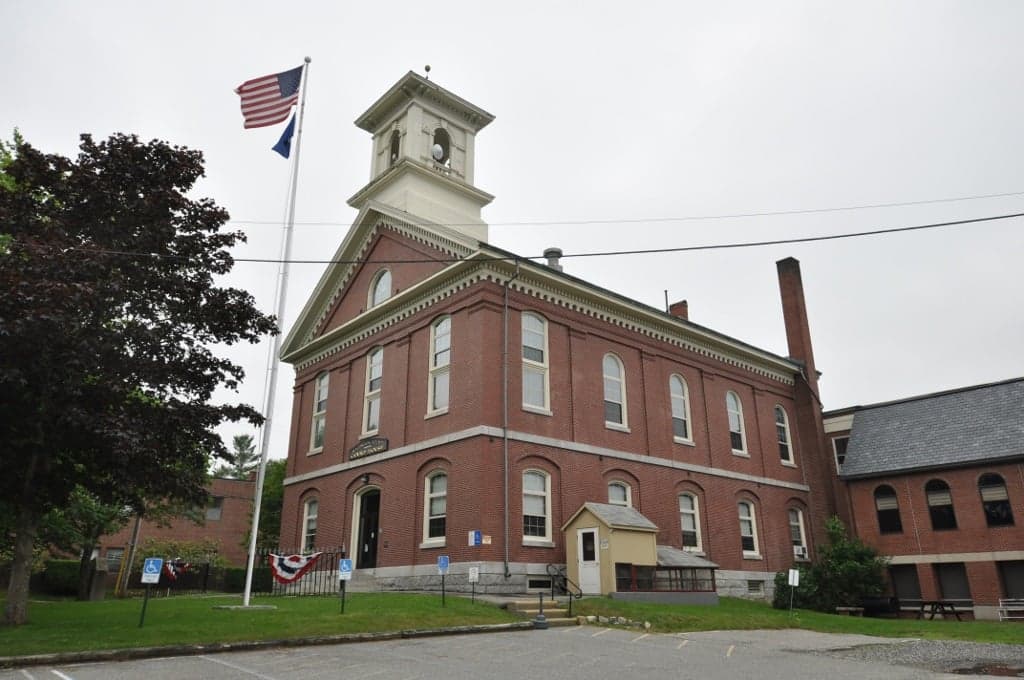
Photo: Wikipedia
Quality of Life in Washington County
A livable area that tracks near national norms for affordability, walkability, and neighborhood health.
What does Quality of Life tell us?
Quality of Life measures an area by evaluating factors like cost of living, nearby amenities, country club access, airport proximity, socioeconomic signals and neighborhood character. For large states, this is a general average — quality of life can vary dramatically between metro areas, suburbs, and rural communities within the same state.
What does this tell us?
Quality of Life measures an area by evaluating factors like cost of living, nearby amenities, country club access, airport proximity, socioeconomic signals and neighborhood character. For large states, this is a general average — quality of life can vary dramatically between metro areas, suburbs, and rural communities within the same state.
Cost of Living
40% below national average
124%
The Real Cost of Living in Washington County for 2026
| Tier | Individual | Family (4) |
|---|---|---|
| Survival | $12k | $23k |
| Comfortable | $29k | $42k |
| Luxury | $94k+ | $146k+ |
| Elite (Top 5%) | $116k+ | $180k+ |
Quality-of-Life Analysis
Washington County, Maine, offers a quality-of-life spectrum that ranges from the modest coastal hub of Machias to deeply rural, unincorporated townships where year-round population can number in the dozens. The county’s overall cost of living index sits at 60 (100 is the U.S. average), with a median home value of $147,100 and median rent of $768, making it one of the most affordable regions in New England. This low cost attracts a mix of retirees seeking quiet, remote workers drawn by the landscape, and younger families priced out of southern Maine, though the trade-off is limited job density and a sparse amenity base.
Largest town(s) & population centers
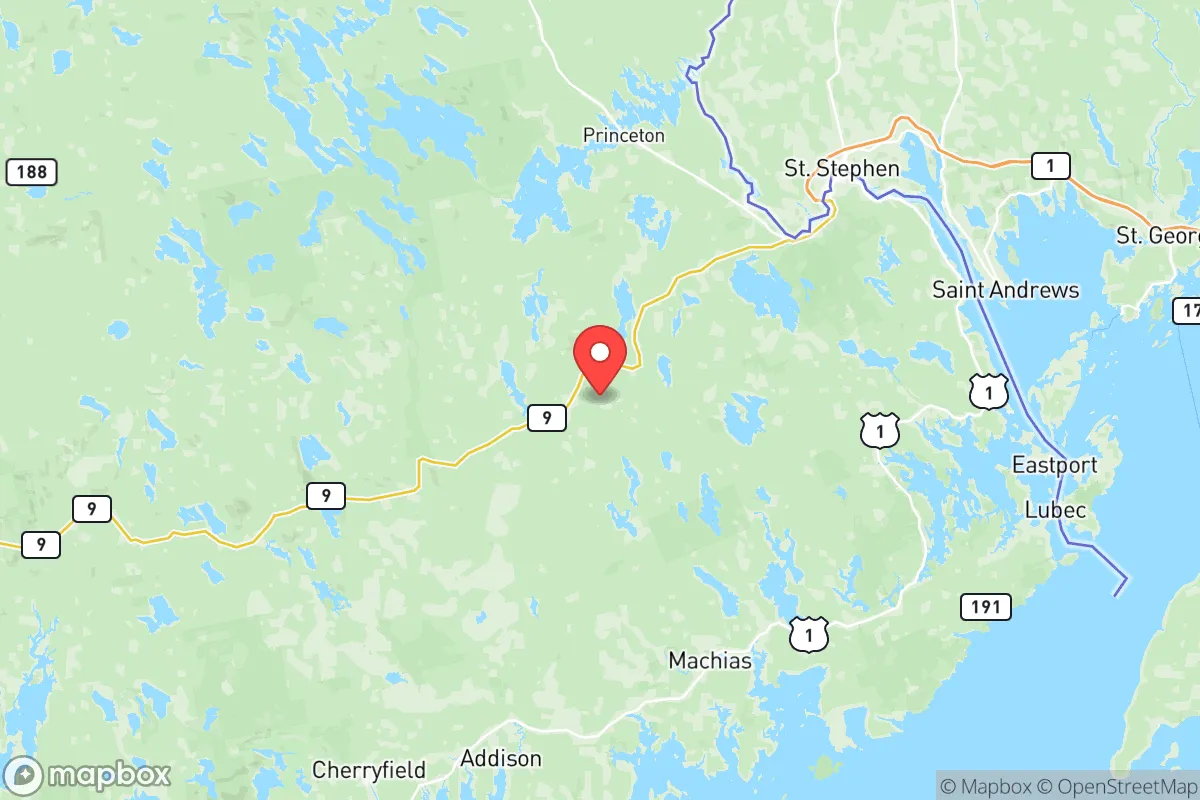
Machias, the county seat, is the primary commercial and governmental center, with a population around 2,200. Daily life here revolves around the University of Maine at Machias, Down East Community Hospital, and a compact downtown with grocery stores, a hardware store, and local restaurants. Calais, with roughly 3,000 residents, sits on the Canadian border and serves as a retail and customs hub, with a Walmart and several chain retailers that are absent from most other county towns. Eastport, the easternmost city in the U.S., has a population near 1,300 and a distinct coastal character, with working waterfronts, art galleries, and the Quoddy Loop ferry to Canada. These three towns provide the county’s densest concentration of services, though none offer the suburban sprawl or big-box density found in Bangor or Portland. The average commute across the county is just 21.6 minutes, reflecting short travel distances between home and work within these small centers.
Smaller towns & rural pockets
Beyond the population centers, Washington County is defined by its smaller communities and vast unincorporated areas. Lubec, at the tip of the Bold Coast, has fewer than 1,300 residents and is known for the West Quoddy Head Lighthouse and a quiet, tourism-adjacent lifestyle. Milbridge and Cherryfield are working-class fishing and blueberry farming towns, with Cherryfield billing itself as the “Wild Blueberry Capital of the World.” Baileyville, home to the Woodland pulp mill, offers a more industrial character. The county also contains dozens of unorganized townships — such as Township 18 and Baring Plantation — where there is no municipal government, minimal services, and year-round populations often below 100. These areas attract off-grid homesteaders, hunters, and those seeking extreme privacy, but require self-sufficiency for water, septic, and road maintenance.
Cost & lifestyle range
The cost spread within the county is narrow by national standards, but meaningful locally. At the higher end, Eastport and Machias have median home values near the county average of $147,100, with some waterfront properties exceeding $300,000. Rent in these towns averages $768, though two-bedroom units in good condition can reach $900–$1,000. At the lower end, rural townships and smaller villages like Pembroke or Dennysville offer homes for under $100,000, with some fixer-uppers below $60,000. The lifestyle trade-off is stark: Machias and Calais provide grocery stores, clinics, and high-speed internet in town centers, while rural pockets may lack broadband, cell service, and any retail within 20 miles. Property taxes are relatively low, but services like plowing and trash pickup may be minimal or absent in unorganized townships. For those who value solitude and low overhead, the county’s interior offers a cost of living that is among the lowest in Maine.
This county is best suited for people who prioritize affordability, natural beauty, and a slower pace over career density and urban amenities. Remote workers, retirees on fixed incomes, and outdoor enthusiasts — particularly those who hunt, fish, or kayak — find the trade-offs acceptable. Families should weigh the limited school options and sparse healthcare specialties, though the short commute and low housing costs can offset those challenges. Washington County is not a place for those seeking nightlife or rapid career growth, but for self-reliant individuals who value space and quiet, it remains one of the most accessible low-cost regions in the Northeast.

Crime in Washington County
Lower crime rates than 79% of comparable U.S. locations.
Violent CrimeViolent Crime Analysis
Property CrimeProperty Crime Analysis
Crime Analysis
Washington County, Maine, reports a violent crime rate of 93.7 per 100,000 residents and a property crime rate of 948.4 per 100,000, placing it well below national averages but slightly above the statewide Maine average for property offenses. The county's vast, rural geography and small population centers like Machias, Calais, and Eastport create a safety profile that differs sharply from Maine's more urbanized southern counties. While serious violent incidents are rare, property crime—particularly theft and burglary—is a more tangible concern for residents, especially in unincorporated areas and along the coastal tourist corridor.
Crime in context
Washington County's violent crime rate of 93.7 per 100,000 is roughly one-third the national average of about 380 per 100,000 and significantly lower than Maine's state average of approximately 110 per 100,000. This places the county among the safest in the nation for violent offenses. The property crime rate of 948.4 per 100,000, however, is about 15% higher than Maine's state average of roughly 820 per 100,000, though still well below the national figure of approximately 1,950 per 100,000. The elevated property crime rate is driven largely by thefts from vehicles and seasonal break-ins targeting unoccupied summer homes in coastal communities like Lubec and Cutler. Law enforcement coverage is thin across the county's 3,000+ square miles, with the Washington County Sheriff's Office and municipal departments in Machias and Calais handling most calls. The 2024 data reflects a slight uptick in property crime compared to 2020, consistent with statewide trends.
What residents experience
For daily life in Washington County, the primary safety concern is not violent confrontation but opportunistic property crime. Residents in towns like Machias, the county seat, and Calais, the largest border town, report occasional vehicle break-ins and theft of outdoor equipment such as ATVs and boats. The county's proximity to the Canadian border in Calais and Vanceboro introduces cross-border theft dynamics, though the U.S. Customs and Border Protection presence provides a deterrent. Violent crime is typically interpersonal and isolated, often related to domestic disputes or alcohol-fueled incidents in rural areas. The District Attorney for Washington County, operating within the 1st Prosecutorial District, has historically pursued a moderate approach, but the county's conservative-leaning electorate has pushed for stricter sentencing in recent years. Residents in smaller, tight-knit communities like Jonesport and Milbridge report feeling very safe, with neighbors watching out for one another. The main frustration is the slow response time from law enforcement in remote areas, which can exceed 30 minutes for calls in the western part of the county near the Washington-Hancock county line.
Neighborhood-level variation
Safety in Washington County varies significantly by location. Machias and Calais see the highest concentration of reported crime, largely due to their roles as commercial and transportation hubs. Machias, home to the University of Maine at Machias, experiences occasional petty theft and vandalism near campus. Calais, with its border crossing, deals with a modest amount of drug-related property crime. In contrast, Eastport and Lubec are notably safer, with violent crime nearly nonexistent and property crime limited to seasonal incidents. The unincorporated townships and plantation communities—such as Topsfield, Grand Lake Stream, and Baring—are extremely safe from violent crime but face higher risks of burglary due to isolation and lack of street lighting. Prospective residents moving to Washington County should prioritize properties with good visibility and neighbor proximity, particularly in coastal areas popular with tourists. The county's overall safety profile is excellent for those seeking a rural, low-crime environment, provided they take basic precautions against property theft.
* Values derived from national, state, county, city and local statistics and may differ in a specific area. Last updated: 2026-09-24T07:13:37.000Z
Narrative content on this page is AI-generated and may contain mistakes. Verify any details that matter before acting on them.
ReloMaps may earn a commission from affiliate links at no extra cost to you.

