Photo: Wikipedia
Quality of Life in Mansfield, TX
A high quality of life with strong walkability, manageable living costs, healthy neighborhood signals, and solid amenity access.
What does Quality of Life tell us?
Quality of Life blends cost of living, nearby amenities, socioeconomic signals, and neighborhood character. City-level scores represent the whole municipality; individual neighborhoods can differ.
What does this tell us?
Quality of Life blends cost of living, nearby amenities, socioeconomic signals, and neighborhood character. City-level scores represent the whole municipality; individual neighborhoods can differ.
Cost of Living
47% above national average
The Real Cost of Living in Mansfield, TX for 2026
| Tier | Individual | Family (4) |
|---|---|---|
| Survival | $29k | $54k |
| Comfortable | $74k | $109k |
| Luxury | $167k+ | $259k+ |
| Elite (Top 5%) | $196k+ | $304k+ |
107%
The Area Signal
A metric tracking the socioeconomic signals of the area.


Hobbies
Explore the areaGroceries
1 within 10 miles
Gas
0 within 10 miles
Hospital
3 within 20 miles
Airport
DFW — Dallas Fort Worth International
Post Office
USPS — Arlington, TX
Critical Amenities
Quality-of-Life Analysis
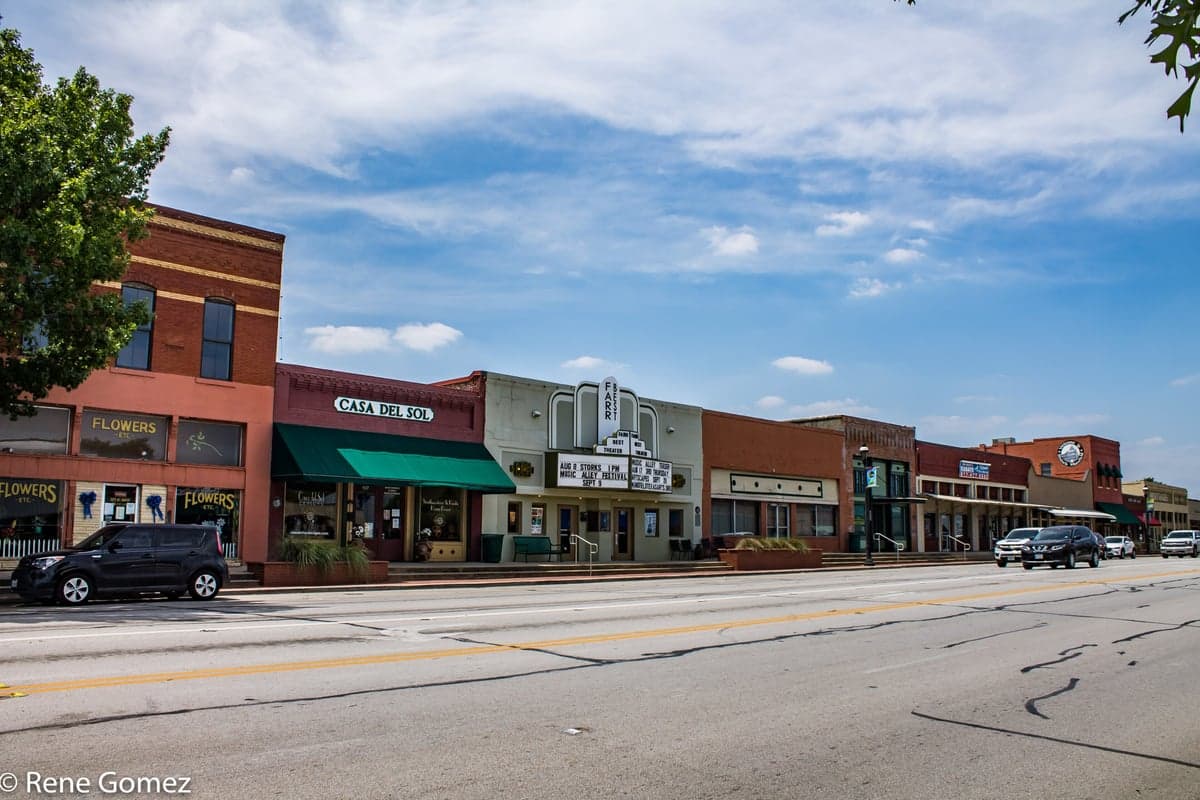
Mansfield, Texas, is an affluent suburban city in the Dallas-Fort Worth metroplex where the cost of living index sits at 147 (well above the U.S. average of 100), reflecting its status as a sought-after community for professionals and families. The population skews toward upper-middle-class homeowners, with many residents working in white-collar roles in nearby Fort Worth, Dallas, or Arlington. The city’s rapid growth—from roughly 56,000 in 2010 to over 80,000 today—has been driven by its reputation for strong schools, low crime, and a family-oriented atmosphere that attracts those willing to pay a premium for suburban stability.
Cost of living and housing affordability compared to nearby cities
Mansfield’s cost of living is significantly higher than the national average, but it remains competitive within the DFW region. The median home value is $380,000, which is roughly 15% below the median in nearby Southlake ($450,000) but about 20% above the median in Arlington ($315,000). Median rent stands at $1,798, comparable to rents in Grapevine ($1,850) but notably higher than in Fort Worth ($1,400). The average commute time of 28.3 minutes is slightly above the national average of 26 minutes, reflecting the city’s role as a bedroom community where many residents drive to jobs in DFW’s major employment hubs. Property taxes in Tarrant County average about 2.3% of assessed value, which adds a significant monthly cost for homeowners but is typical for Texas. For renters, the $1,798 median rent consumes roughly 28% of the area’s median household income of $77,000, a ratio that is manageable but leaves less room for savings compared to more affordable suburbs like Kennedale or Crowley.
Schools, amenities, and the daily rhythm of life in Mansfield
Mansfield’s daily life revolves around its highly rated Mansfield Independent School District (MISD), which serves over 35,000 students and includes top-performing schools like Mansfield High School and Mary Orr Intermediate. The district’s A rating from the Texas Education Agency is a primary draw for families. Beyond schools, the city offers a robust park system with over 30 parks, including the 200-acre Oliver Nature Park and the popular Elmer W. Oliver Nature Preserve. The downtown area, centered around Main Street, features local eateries like The Feed Store and seasonal events such as the Mansfield Music & Arts Festival. For shopping and dining, residents often head to the nearby Parks at Arlington mall or the Shops at Clearfork in Fort Worth, both within a 20-minute drive. The daily rhythm is car-dependent, with most errands requiring a vehicle, but the city’s layout includes bike lanes and sidewalks in newer subdivisions. Commuters benefit from easy access to U.S. Highway 287 and State Highway 360, though traffic congestion during peak hours can push commute times above 35 minutes.
Mansfield is best suited for families and professionals who prioritize top-tier schools, low crime rates, and a suburban lifestyle over urban excitement. The high cost of living and property taxes are offset by strong home value appreciation—home values have risen roughly 40% over the past five years—and a community feel that includes active neighborhood associations and youth sports leagues. Singles and young renters may find the city too quiet and expensive, but for those seeking a safe, well-maintained environment with good schools and easy DFW access, Mansfield delivers consistently. The city’s demographic profile—predominantly married couples with children, with a median age of 36—reinforces its reputation as a place where long-term investment in community and property pays off.

Crime in Mansfield, TX
Generally safer than 72% of comparable U.S. locations.
Violent CrimeViolent Crime Analysis
Property CrimeProperty Crime Analysis
Crime Analysis
Mansfield, Texas, reports a violent crime rate of 106.1 incidents per 100,000 residents and a property crime rate of 1,184 per 100,000, placing it well below national averages for a city of its size. These figures reflect a community that is statistically safer than many comparable suburbs in the Dallas-Fort Worth metroplex. However, the broader context of the region’s criminal justice policies warrants careful consideration for anyone evaluating long-term safety.
Crime in context
Mansfield’s violent crime rate is roughly 70% lower than the national average, while its property crime rate sits about 15% below the U.S. median. Compared to the state of Texas, which reported a violent crime rate of approximately 447 per 100,000 in recent years, Mansfield is an outlier in safety. The city benefits from its location in Tarrant County, which has historically maintained a more conservative prosecutorial approach than neighboring Dallas County. This distinction matters because progressive district attorney policies in large metro areas—such as those in Dallas County—have been linked to reduced prosecution rates for property and drug offenses, potentially increasing recidivism and public safety risks. Mansfield residents are not insulated from these regional dynamics, as offenders from high-crime urban cores can and do travel into suburban jurisdictions.
What residents experience
Daily life in Mansfield is characterized by low fear of violent confrontation. The most common crimes are theft from vehicles and residential burglary, concentrated near retail corridors like U.S. 287 and the intersection of Matlock Road. Police response times average under 8 minutes for priority calls, and the Mansfield Police Department operates a dedicated crime prevention unit. Residents report feeling safe walking in neighborhoods after dark, though property crime spikes during school breaks and holiday seasons. The city’s reliance on a combination of patrol officers and license-plate-reading cameras has helped recover stolen vehicles but does not address the root causes of property crime, which are often tied to regional drug markets and repeat offenders cycling through a justice system that, in nearby urban counties, increasingly favors diversion over detention.
Neighborhood-level variation
Safety is not uniform across Mansfield. The southwest quadrant, near Lake Mansfield and newer developments like the Brookfield Estates area, sees the lowest crime rates, with violent incidents nearly absent. Older sections near downtown Mansfield and the commercial strip along Broad Street report higher property crime volumes, particularly package theft and vehicle break-ins. The northern edge, bordering Arlington and Grand Prairie, experiences spillover crime from those higher-crime cities, including occasional gang-related auto thefts. Prospective residents should examine block-level data on the Mansfield Police Department’s crime mapping portal, as a single street can differ markedly from its neighbors. Overall, Mansfield remains a safe choice relative to the DFW metroplex, but its safety is increasingly dependent on the effectiveness of regional law enforcement cooperation and the judicial philosophy of the surrounding counties.
* Values derived from national, state, county, city and local statistics and may differ in a specific area. Last updated: 2026-04-19T07:10:30.000Z
Narrative content on this page is AI-generated and may contain mistakes. Verify any details that matter before acting on them.
ReloMaps may earn a commission from affiliate links at no extra cost to you.

