Photo: Wikipedia
Find The Best Places To Live
in Grapevine
PRO TIP! You can paste a Zillow or Redfin link to get info on that property.
What It's Like Living in Grapevine, TX
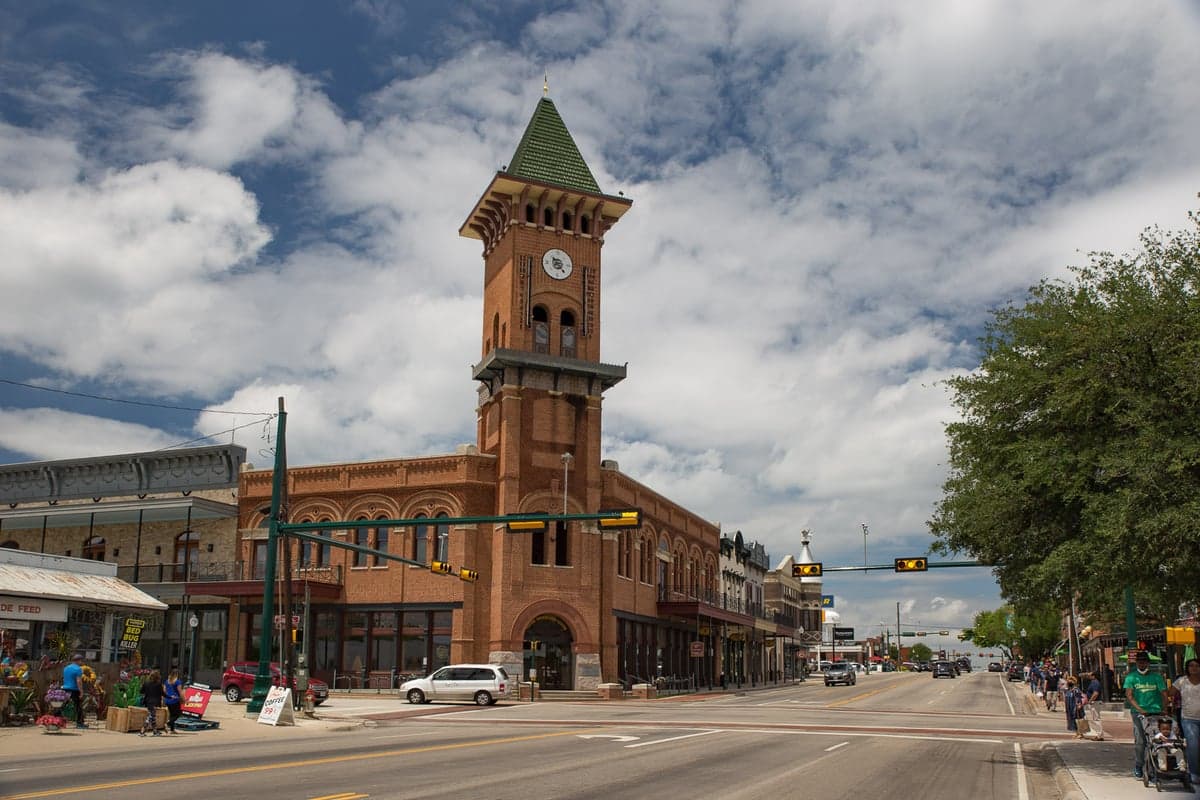
Living in Grapevine feels a bit like being part of a small town that accidentally found itself inside a major metro area. You get the classic Texas town square with a historic train depot and a weekly farmers market, yet you’re ten minutes from DFW Airport and twenty from downtown Dallas. The vibe is distinctly family-focused and fairly affluent, with a median household income of $111,438 and a median home value of $470,400, which means most of your neighbors are established professionals or empty-nesters who chose Grapevine for its schools and its slower, more predictable pace.
The Daily Rhythm: Work, School, and the Town Square
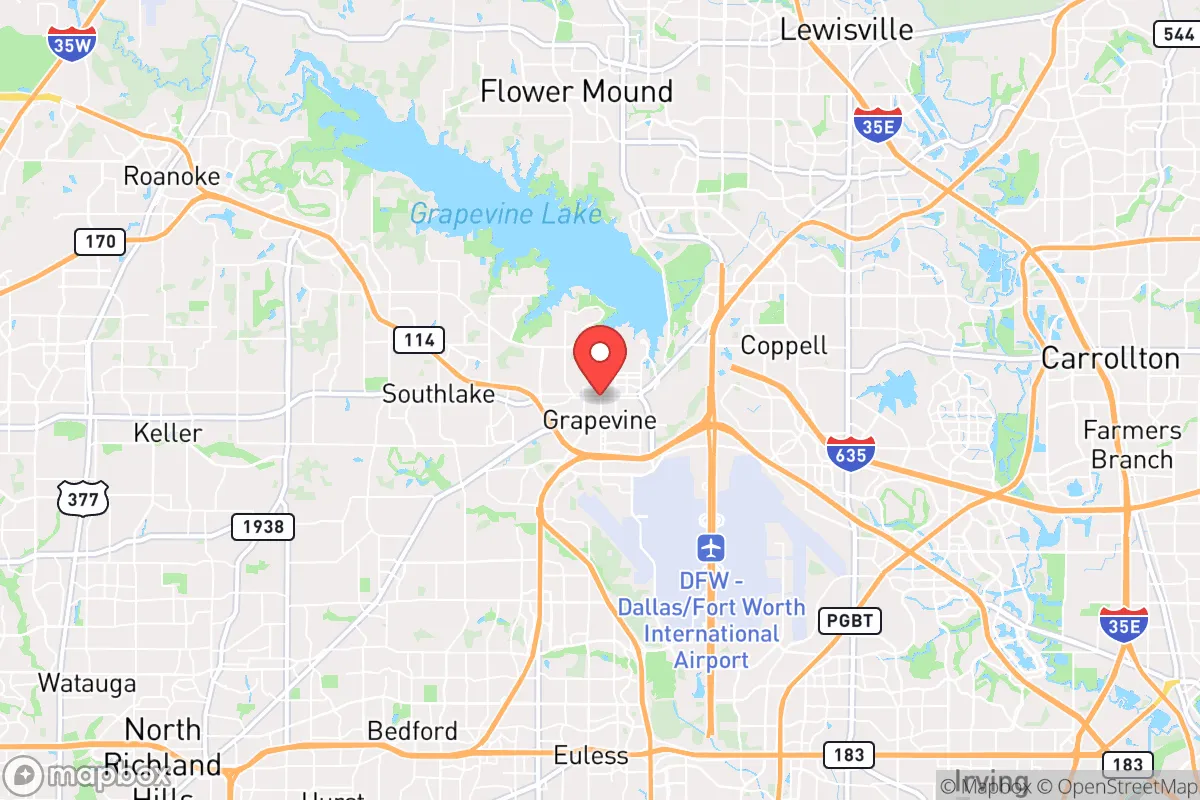
For most residents, the day starts with a commute that averages just under 22 minutes—short by DFW standards, thanks to the city’s compact layout and easy access to Highway 114 and 121. You’ll see a lot of folks heading to jobs in nearby Las Colinas, Southlake, or even the airport itself, where American Airlines and a host of logistics companies are major employers. After work, the center of gravity is Historic Downtown Grapevine, a walkable stretch of brick sidewalks, independent boutiques, and restaurants like Esparza’s Tex-Mex (the enchiladas are a local institution) and Main Street Bistro & Bakery. Weekends often revolve around the Grapevine Farmers Market or a stroll through the Grapevine Botanical Gardens, a 10-acre free park that’s popular for family photos and quiet afternoons.
The city’s median age of 40 reflects a population that’s past the party phase but not yet retired. You’ll find a lot of dual-income families with kids in the Grapevine-Colleyville Independent School District, which is a major reason people move here. School events—Friday night football games, band concerts, PTA fundraisers—are genuinely well-attended and form the backbone of social life for many parents. The high school football culture is real, but it’s not as overwhelming as in some neighboring towns; it’s more of a community gathering than a religion.
Sports, Festivals, and What You Actually Do for Fun
Grapevine punches above its weight when it comes to entertainment, largely because of the Grapevine Vintage Railroad and the city’s aggressive festival calendar. The Grapevine Main Street Fest in May draws big crowds for live music and food, and the GrapeFest in September (billed as Texas’s largest wine festival) is a genuine draw, with hundreds of wines from local vineyards. For sports, the city doesn’t have its own pro team, but it’s a 20-minute drive to AT&T Stadium in Arlington for Cowboys games or Globe Life Field for Rangers baseball. Many residents are season-ticket holders for one or both. The Grapevine High School Mustangs football games are the local Friday night staple, and the Grapevine Ice hockey team (part of the NAHL) draws a small but loyal following at the Grapevine Recreation Center.
Outdoor life centers on Lake Grapevine, a 7,000-acre reservoir that’s good for sailing, paddleboarding, and fishing. The Lake Grapevine Trail is a 12-mile paved loop popular with runners and cyclists. For a quieter evening, locals head to Grapevine Lake’s Rockledge Park for sunset views or grab a drink at Hop and Sting Brewing Company, a taproom in the historic district that feels more like a neighborhood living room than a bar.
Pros and Cons of Living Here
What longtime residents love: The schools are consistently rated among the best in the state, and the city’s low violent crime rate of 163.2 per 100,000 (well below the national average) means most people don’t think twice about letting kids ride bikes to the park. The cost of living index of 160 reflects the premium you pay for that safety and convenience, but the median income of $111,438 makes it manageable for most professionals. The city’s identity is strong—there’s a real sense of place, from the historic downtown to the lake, that you don’t get in generic suburban sprawl.
What frustrates them: Traffic on Highway 114 during rush hour is a genuine headache, even though the average commute is short. The proximity to DFW Airport means you’ll hear planes, though most residents say they tune it out within a month. Housing is expensive for the region—the median home value of $470,400 puts it out of reach for younger singles or first-time buyers without dual incomes. And while the city is walkable downtown, the rest of Grapevine is car-dependent; you’ll drive to the grocery store, the gym, and most restaurants outside the historic core.
A cultural quirk worth noting: Grapevine takes its “Christmas Capital of Texas” designation seriously. From mid-November through December, the city runs the Grapevine Christmas Parade of Lights, a nightly train ride with Santa, and a massive holiday market. It’s charming if you love Christmas, but it can feel overwhelming if you don’t—the downtown area becomes a tourist destination for the entire season, and locals often avoid it on weekends. That’s the trade-off: you get a vibrant, festive community, but you also get the crowds that come with it.

Similar small cities to Grapevine
* Values derived from national, state, county, city and local statistics and may differ in a specific area. Last updated: 2026-04-19T07:18:58.000Z
Narrative content on this page is AI-generated and may contain mistakes. Verify any details that matter before acting on them.
ReloMaps may earn a commission from affiliate links at no extra cost to you.

