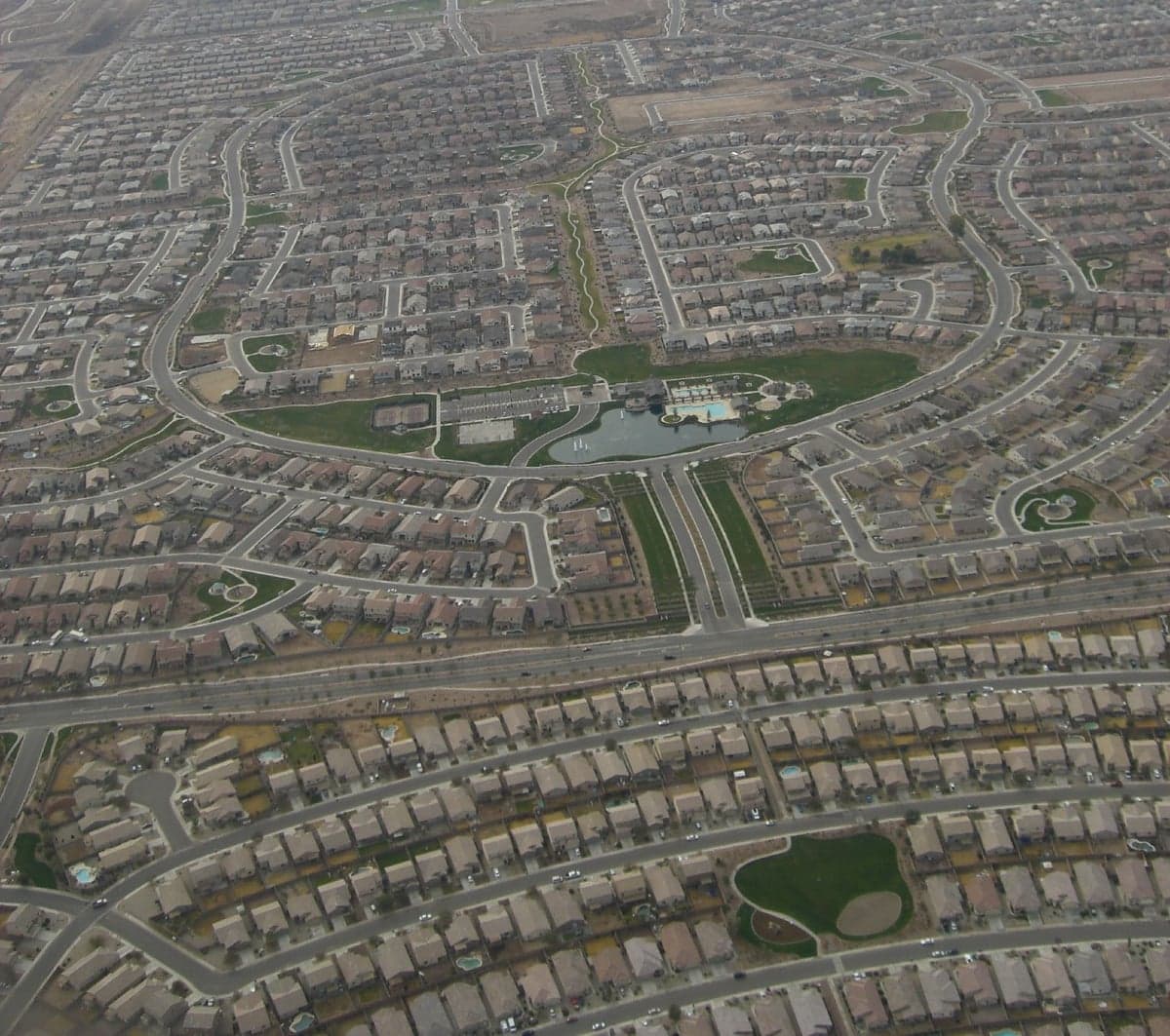
Photo: Wikipedia
Personal Sovereignty in Maricopa, AZ
Viable for self-reliance. Generally workable, though some barriers may limit total independence.
What does Personal Sovereignty tell us?
Personal Sovereignty measures your capacity for self-reliance and independence with minimal government friction. Higher scores mean fewer barriers between you and the way you want to live... but it assumes you have the space you need and good neighbors.
What does this tell us?
Personal Sovereignty measures your capacity for self-reliance and independence with minimal government friction. Higher scores mean fewer barriers between you and the way you want to live... but it assumes you have the space you need and good neighbors.
State Policy
Energy independence: Importer (20% of energy produced in-state)
Personal Liberty
Homesteading

Personal Liberty Analysis
Maricopa, Arizona, offers a notably high degree of personal sovereignty relative to most of the United States, largely due to Arizona’s strong preemption laws, low tax burden, and a political culture that resists federal overreach. For individuals and families operating from a survivalist or prepper mindset, this translates into a legal environment where you can keep more of what you earn, defend yourself without bureaucratic hurdles, and make autonomous decisions about your property and family without constant government interference. While no location is a libertarian utopia, Maricopa’s combination of state-level protections and a growing, politically engaged population makes it a serious contender for those seeking to minimize dependency on a system many view as increasingly unstable.
Tax burden and regulatory posture: keeping more of what you earn
Arizona’s flat income tax rate of 2.5% (as of 2026) is among the lowest in the nation, and Maricopa residents pay no city-level income tax. Property taxes are also low—effective rates in Pinal County hover around 0.6% of assessed value, roughly half the national average. This means a $400,000 home carries an annual tax bill of roughly $2,400, leaving significantly more capital for land, supplies, and self-reliance investments. The state’s regulatory posture is equally favorable: Arizona is a right-to-work state with minimal business licensing requirements, and Maricopa’s city council has consistently opposed new zoning or environmental regulations that would restrict property use. For preppers, this means fewer barriers to building a workshop, storing bulk supplies, or running a small home-based business without triggering inspections or permits. The state also has strong preemption laws that prevent cities from enacting stricter regulations than the state on firearms, agriculture, and land use—a critical safeguard against future local overreach.
Self-defense and gun law specifics: no permission slips required
Arizona is a constitutional carry state, meaning no permit is required to carry a concealed firearm for anyone legally allowed to possess one. Maricopa residents enjoy this right without the need for training courses, background checks beyond the federal level, or waiting periods. The state also has strong “stand your ground” and “castle doctrine” laws, with no duty to retreat in any place you are lawfully present. For those concerned about government overreach, Arizona explicitly prohibits the enforcement of any federal gun laws that violate the state constitution—a 2021 law (SB 1382) makes it a felony for state or local officials to enforce such federal mandates. Magazine capacity, firearm types, and ammunition are all unregulated at the state level. While Maricopa itself is a relatively low-crime city (violent crime rates are about 30% below the national average), the legal framework ensures that self-defense decisions remain in the hands of the individual, not the state.
Self-reliance and homesteading viability: lot sizes, zoning, and off-grid feasibility
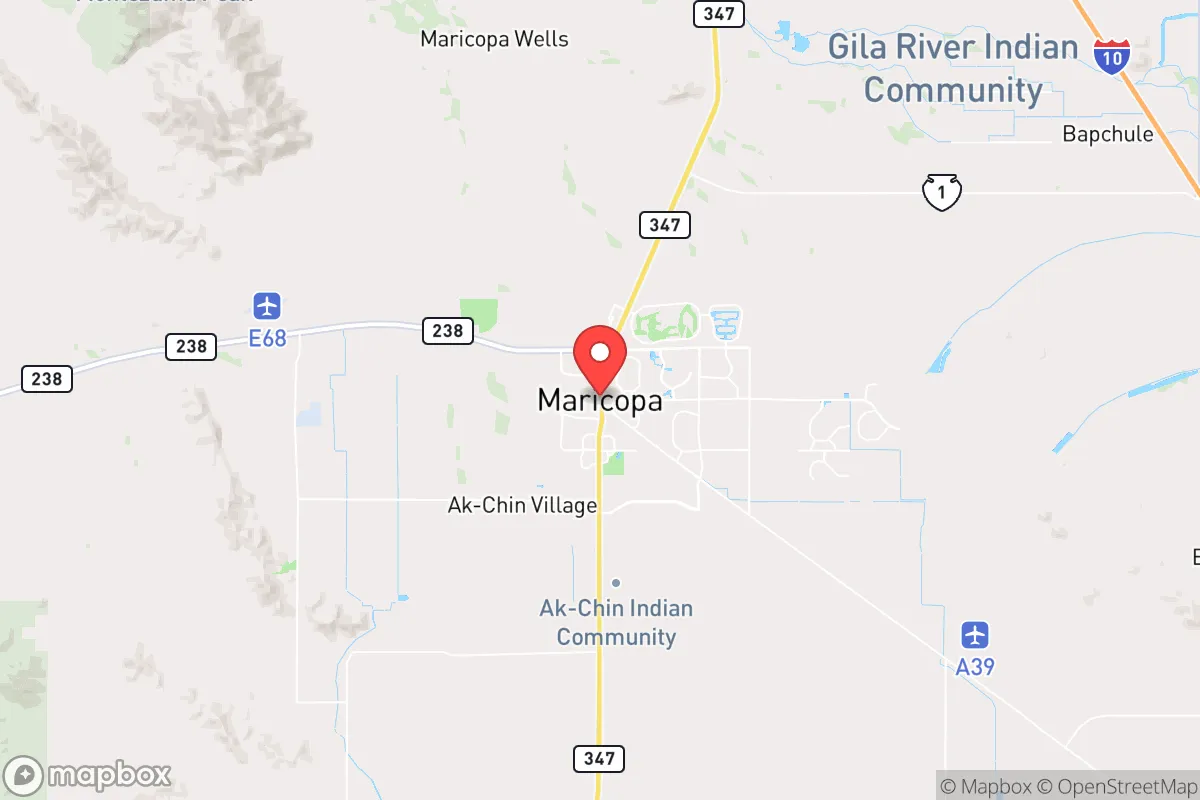
Maricopa’s newer subdivisions tend to feature standard suburban lots of 6,000 to 10,000 square feet, but the city also has significant acreage parcels—especially in the outlying areas near the Gila River and along State Route 347—where lots of 1 to 5 acres are available for under $50,000. Zoning in these areas is generally agricultural-residential (AR), which permits livestock, gardens, and outbuildings without special permits. Off-grid feasibility is mixed: while Arizona law does not require grid connection, Maricopa’s municipal code mandates that any habitable dwelling must have a septic system approved by the county and a water source (well or city). Solar panels are allowed by right, and net metering is available through the local utility (Electrical District No. 3), but battery storage is increasingly common among preppers who want full independence. Rainwater harvesting is legal and encouraged, with no permit required for systems under 10,000 gallons. The biggest practical limitation is water—Maricopa sits in the Sonoran Desert, and well drilling can cost $15,000–$30,000 depending on depth. However, the city’s water rights are relatively secure due to its allocation from the Central Arizona Project, and many residents supplement with cisterns and greywater systems. For those serious about homesteading, the nearby towns of Casa Grande and Coolidge offer even larger parcels with fewer restrictions.
Personal liberties: parental rights, medical autonomy, speech, and property
Arizona has some of the strongest parental rights laws in the country, including a 2022 law (HB 2161) that prohibits schools from withholding information about a child’s health or well-being from parents, and a 2023 law (SB 1456) that requires parental consent for any medical procedure on a minor, including vaccinations. Medical autonomy is further protected by the state’s broad health freedom laws: there is no state vaccine mandate for adults, and the 2021 law (SB 1825) prohibits discrimination based on vaccination status. For those concerned about medical privacy, Arizona also has strong protections against government-mandated health databases. Free speech is robustly protected under the Arizona Constitution, which explicitly guarantees the right to speak, write, or publish freely, and the state has no hate speech laws that could be used to chill political expression. Property rights are reinforced by the state’s strict eminent domain laws, which require “public use” (not just public benefit) and full market-value compensation. Maricopa’s city council has a track record of opposing federal land-use mandates, including a 2023 resolution rejecting federal zoning overrides under the “Housing First” initiative. For preppers, this means you can store food, ammunition, and medical supplies without fear of “red flag” confiscation or nuisance ordinances—as long as you comply with basic fire codes.
Overall, Maricopa ranks among the top 10% of U.S. cities for personal sovereignty, particularly when factoring in the state’s preemption laws, low taxes, and strong protections for gun rights, parental authority, and property use. Compared to coastal states or even parts of the Mountain West, the regulatory burden is minimal, and the political culture is actively hostile to federal overreach. The main trade-offs are the desert climate (which demands water self-sufficiency) and the city’s rapid growth (which may eventually strain infrastructure and local governance). For a single individual or family looking to build a resilient, independent life with minimal government interference, Maricopa offers a legal and economic foundation that is hard to beat in the current American landscape.

* Values derived from national, state, county, city and local statistics and may differ in a specific area. Last updated: 2026-04-19T07:19:09.000Z
Narrative content on this page is AI-generated and may contain mistakes. Verify any details that matter before acting on them.
ReloMaps may earn a commission from affiliate links at no extra cost to you.

