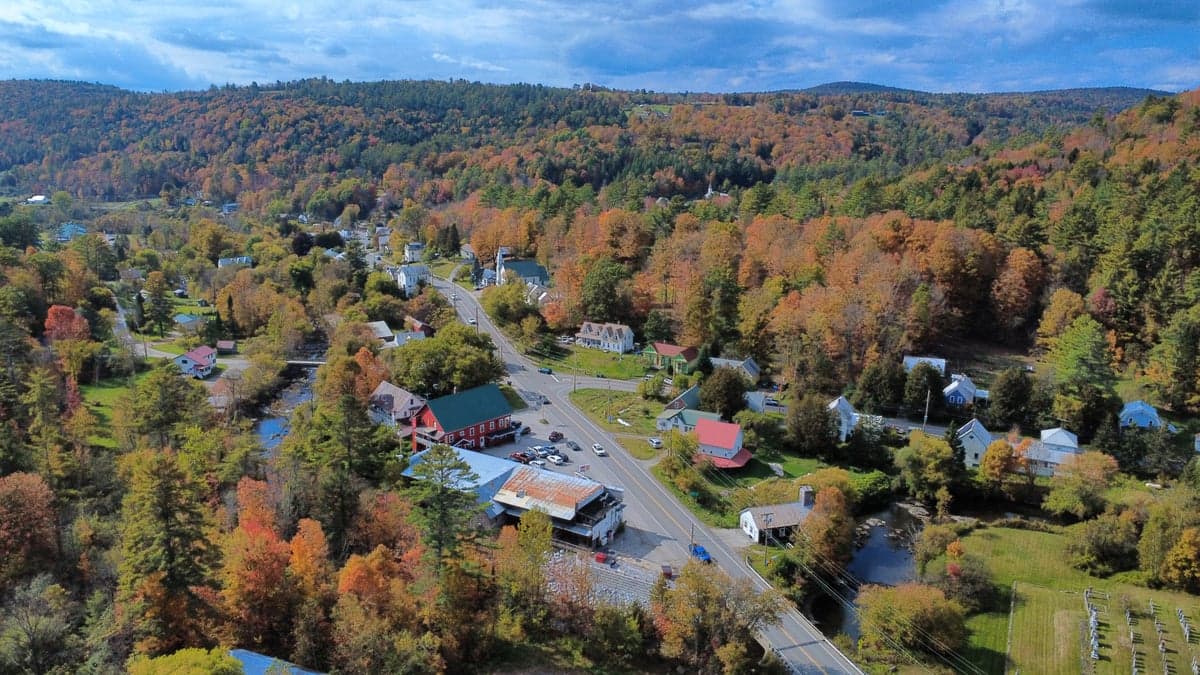
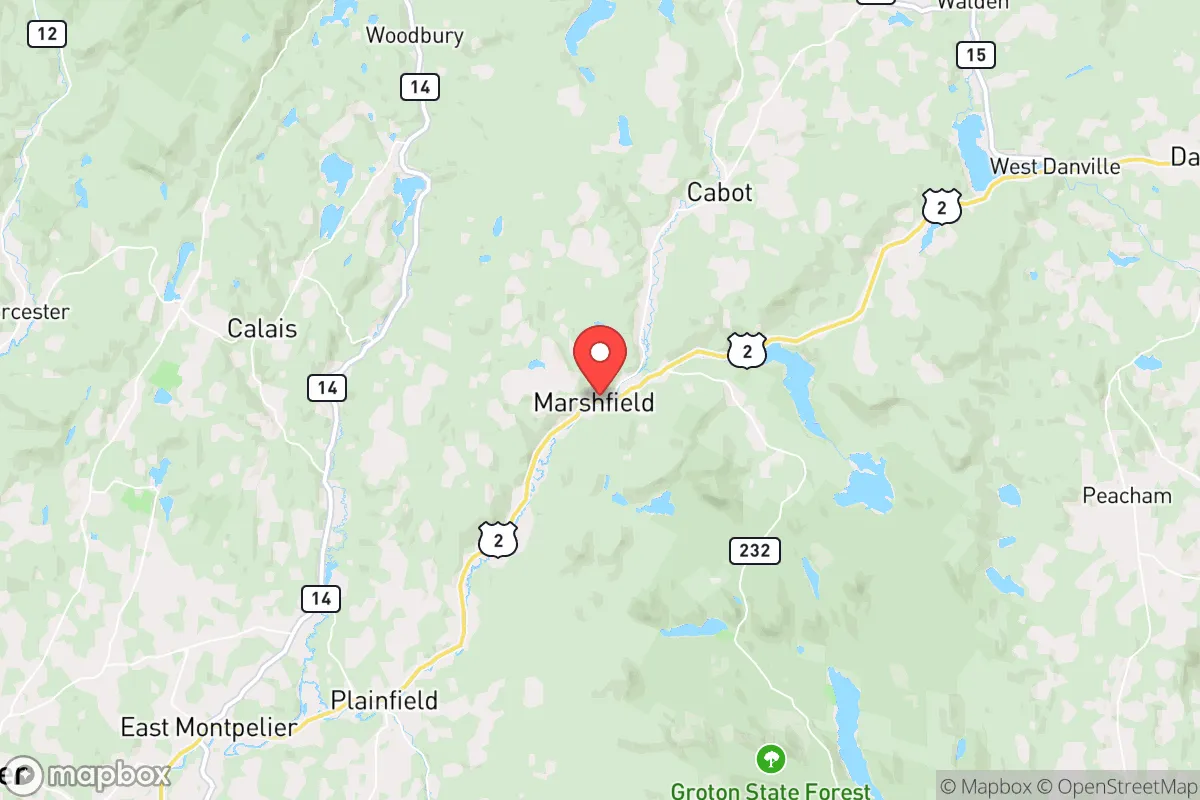
Photo: Wikipedia
Quality of Life in Marshfield, VT
A high quality of life with strong walkability, manageable living costs, healthy neighborhood signals, and solid amenity access.
What does Quality of Life tell us?
Quality of Life blends cost of living, nearby amenities, socioeconomic signals, and neighborhood character. City-level scores represent the whole municipality; individual neighborhoods can differ.
What does this tell us?
Quality of Life blends cost of living, nearby amenities, socioeconomic signals, and neighborhood character. City-level scores represent the whole municipality; individual neighborhoods can differ.
Cost of Living
17% below national average
The Real Cost of Living in Marshfield, VT for 2026
| Tier | Individual | Family (4) |
|---|---|---|
| Survival | $22k | $41k |
| Comfortable | $45k | $67k |
| Luxury | $148k+ | $229k+ |
123%
The Area Signal
A metric tracking the socioeconomic signals of the area.
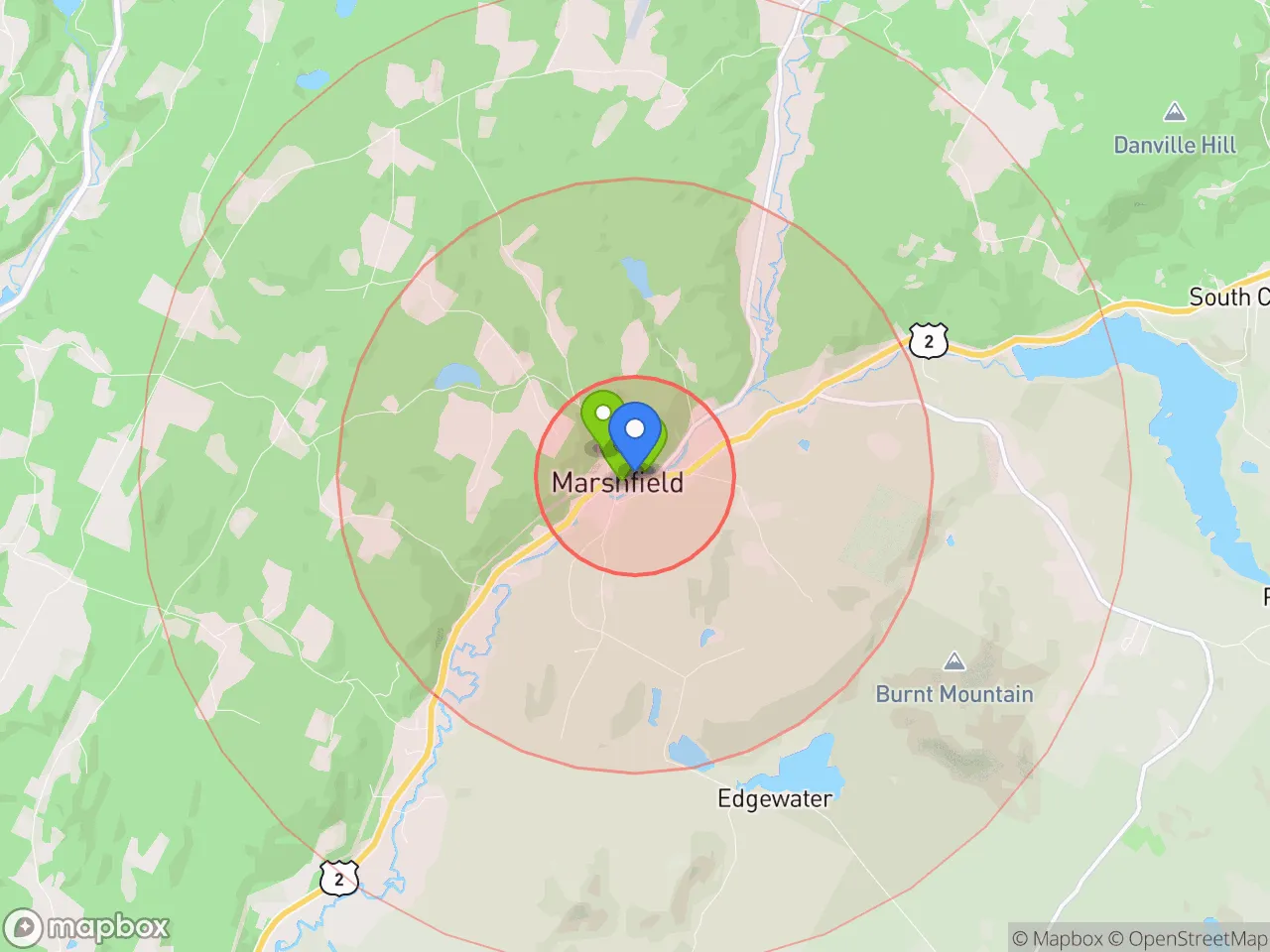
Limited data for this area
Limited data for this area
Hobbies
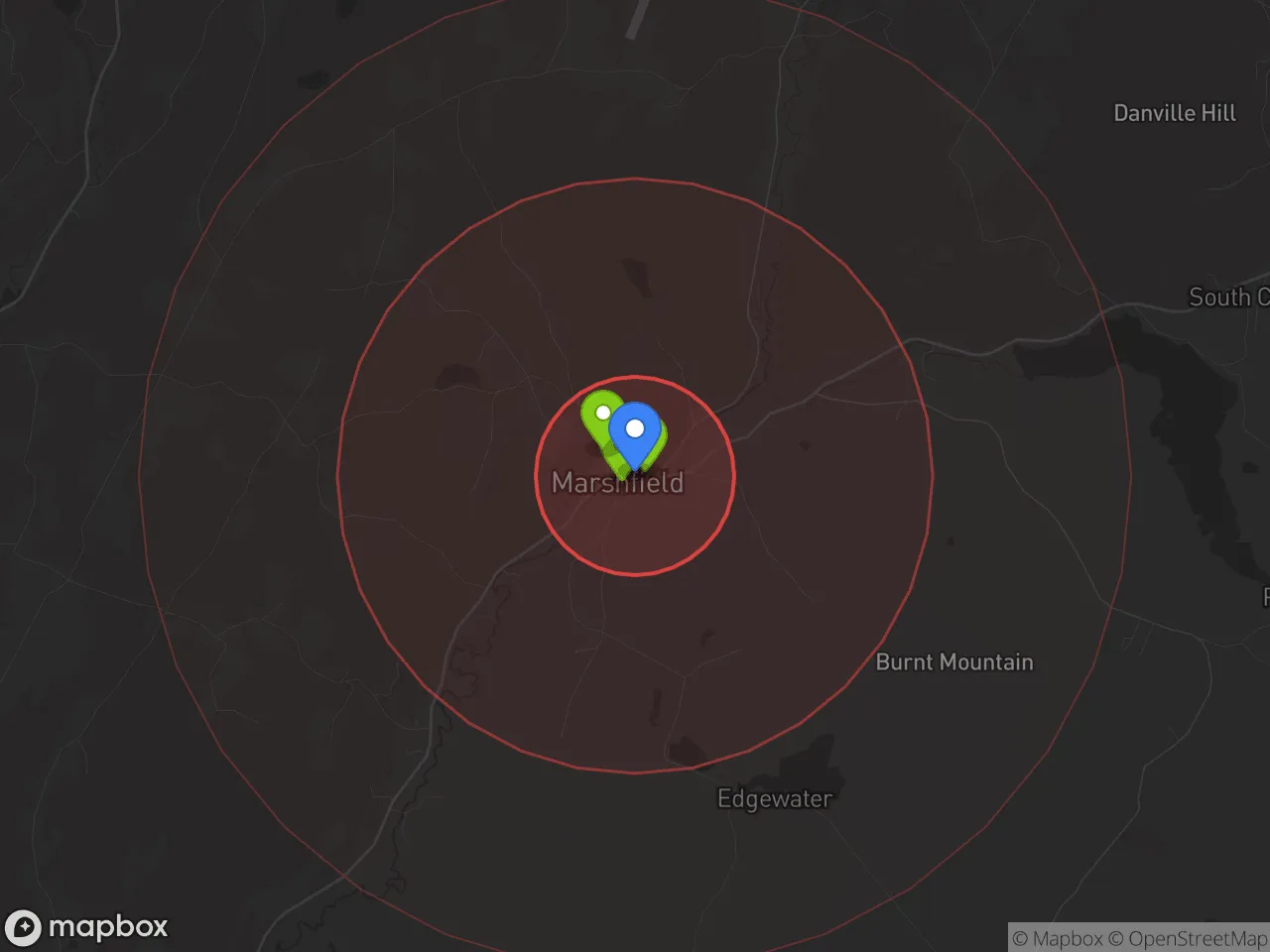
Explore the areaGroceries
0 within 10 miles
Gas
4 within 10 miles
Hospital
5 within 20 miles
Airport
PDX — Portland International Jetport
Post Office
USPS — Marshfield, VT
Critical Amenities
Quality-of-Life Analysis
Marshfield, Vermont, offers a notably affordable quality of life in a state known for its high cost of living, with a cost-of-living index of 83 (17% below the U.S. average) and a median home value of just $169,300. The town attracts a mix of remote workers, outdoor enthusiasts, and families seeking a quieter, rural pace without the premium price tags of nearby Stowe or Montpelier. Its population of roughly 1,500 residents leans toward self-sufficient, community-oriented individuals who value access to nature over urban amenities.
Cost of living, housing, and affordability compared to nearby towns
Marshfield’s housing market is a standout in central Vermont. The median home value of $169,300 is roughly half that of Stowe (where the median exceeds $600,000) and about 30% lower than Montpelier’s median. Median rent sits at $1,136, well below the state average of $1,400. This affordability stems from limited inventory of newer construction and a higher share of older, fixer-upper homes. Property taxes in Marshfield are moderate for Vermont, with an effective rate around 1.8%, though buyers should budget for potential well and septic system maintenance. For renters, the market is tight—vacancy rates hover near 1%—so securing a lease often requires quick action. Compared to Barre (20 minutes south), Marshfield offers more land per dollar, with many homes sitting on 1–5 acres.
Local amenities, schools, and what daily life feels like
Daily life in Marshfield revolves around a small village core with a general store, a post office, and a handful of local businesses. The town lacks a supermarket or pharmacy; residents drive 15 minutes to Montpelier for groceries or 25 minutes to Barre for big-box shopping. The Marshfield Village School serves grades K–6 with a student-teacher ratio of roughly 10:1, feeding into Twinfield Union School (grades 7–12) in neighboring Plainfield. For high school, some families opt for Montpelier High School (rated among Vermont’s top 20). Outdoor recreation defines leisure time: the Winooski River runs through town for fishing and kayaking, and the Groton State Forest (10 miles east) offers 26,000 acres of hiking and mountain biking trails. Internet access is improving, with fiber-optic service from VTel covering most of the village, though rural pockets still rely on slower DSL or satellite. The town’s social calendar centers on the Marshfield Farmers’ Market (June–October) and events at the historic Marshfield Town Hall.
Remote workers, retirees on fixed incomes, and families who prioritize space and nature over nightlife will find Marshfield a strong fit. The trade-off is clear: lower housing costs come with fewer on-site services and longer commutes to employment hubs. Those who thrive here are comfortable with self-reliance—maintaining a wood stove, managing a septic system, and driving 20+ minutes for most errands. For buyers priced out of Stowe or Montpelier, Marshfield represents one of the last affordable entry points into central Vermont’s rural lifestyle.

Crime in Marshfield, VT
Generally safer than 71% of comparable U.S. locations.
Violent CrimeViolent Crime Analysis
Property CrimeProperty Crime Analysis
Crime Analysis
Marshfield, Vermont, presents a safety profile that demands careful scrutiny, particularly for those relocating from areas with lower crime rates. With a violent crime rate of 213.8 per 100,000 residents and a property crime rate of 1,415.9 per 100,000, the town's statistics exceed both state and national averages, a reality shaped in part by the broader criminal justice environment in Vermont. The state's progressive judicial philosophy, which often prioritizes rehabilitation and alternatives to incarceration, has been linked to higher recidivism and a greater number of offenders remaining in the community, directly impacting public safety and victim justice.
Crime in context
Marshfield's violent crime rate of 213.8 per 100,000 is significantly higher than the Vermont state average of roughly 170 per 100,000 and the national average of approximately 200 per 100,000. Property crime in Marshfield, at 1,415.9 per 100,000, far exceeds the Vermont average of about 1,100 per 100,000 and is notably above the national figure of roughly 1,200 per 100,000. These elevated rates are consistent with patterns seen in communities near larger metro areas like Burlington, where progressive district attorneys and judges have implemented policies that critics argue reduce accountability. For example, Vermont's 2020 bail reform law and the widespread use of citation-and-release for non-violent offenses have been cited by local law enforcement as factors contributing to repeat property crimes and a sense of impunity among offenders.
What residents experience
Residents of Marshfield report that property crime—particularly theft from vehicles, burglaries of sheds and outbuildings, and occasional vandalism—is the most common safety concern. The town's rural character, with many homes set back from roads and limited street lighting, provides cover for opportunistic criminals. While violent crime is less frequent, incidents of assault and domestic violence do occur, and the presence of drug-related activity, particularly involving methamphetamine and opioids, is a known driver of both property and violent offenses. The local police department, which covers a population of roughly 1,500, often relies on the Washington County Sheriff's Office and Vermont State Police for backup, meaning response times can be longer than in urban areas. This reality, combined with a justice system that many residents feel is too lenient, fosters a climate where some individuals choose to install security cameras and form neighborhood watch groups as a practical response.
Neighborhood-level variation in Marshfield is modest but notable. The more densely settled village center, with its mix of homes and small businesses, sees a higher concentration of reported thefts and minor disturbances. Outlying areas, particularly along Route 2 and in more isolated subdivisions, experience fewer incidents but face greater vulnerability due to lower visibility and longer police response times. Overall, while Marshfield is not a high-crime zone by national urban standards, its above-average rates and the context of Vermont's progressive criminal justice policies mean that newcomers should take proactive safety measures and remain aware of their surroundings.
* Values derived from national, state, county, city and local statistics and may differ in a specific area. Last updated: 2026-05-01T13:30:58.000Z
Narrative content on this page is AI-generated and may contain mistakes. Verify any details that matter before acting on them.
ReloMaps may earn a commission from affiliate links at no extra cost to you.

