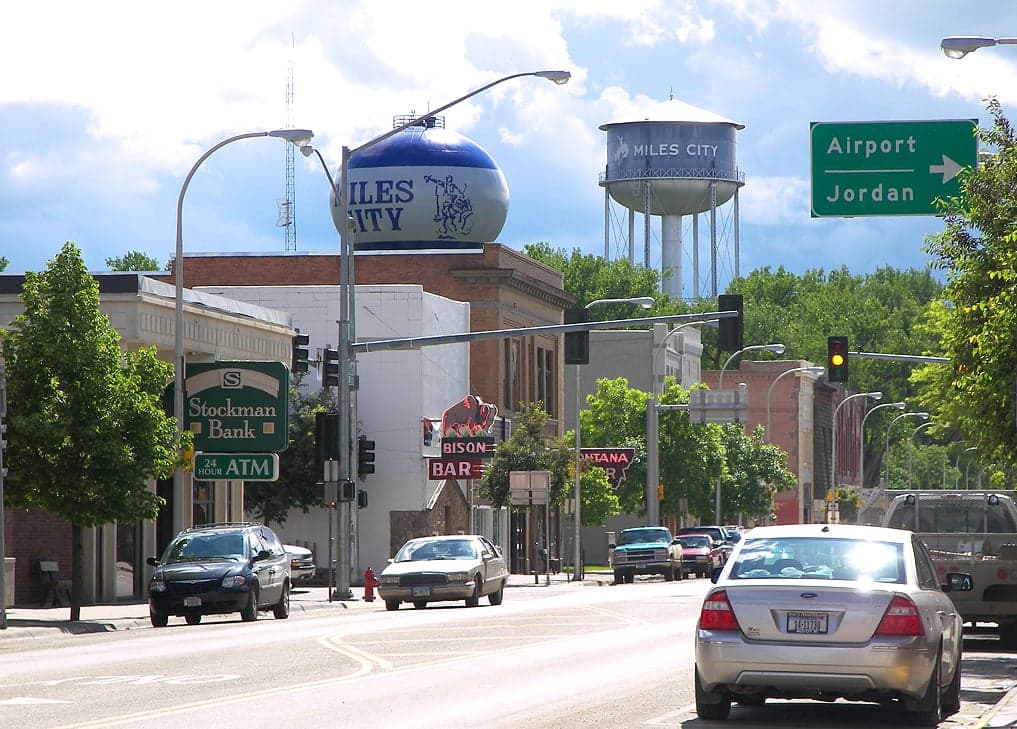
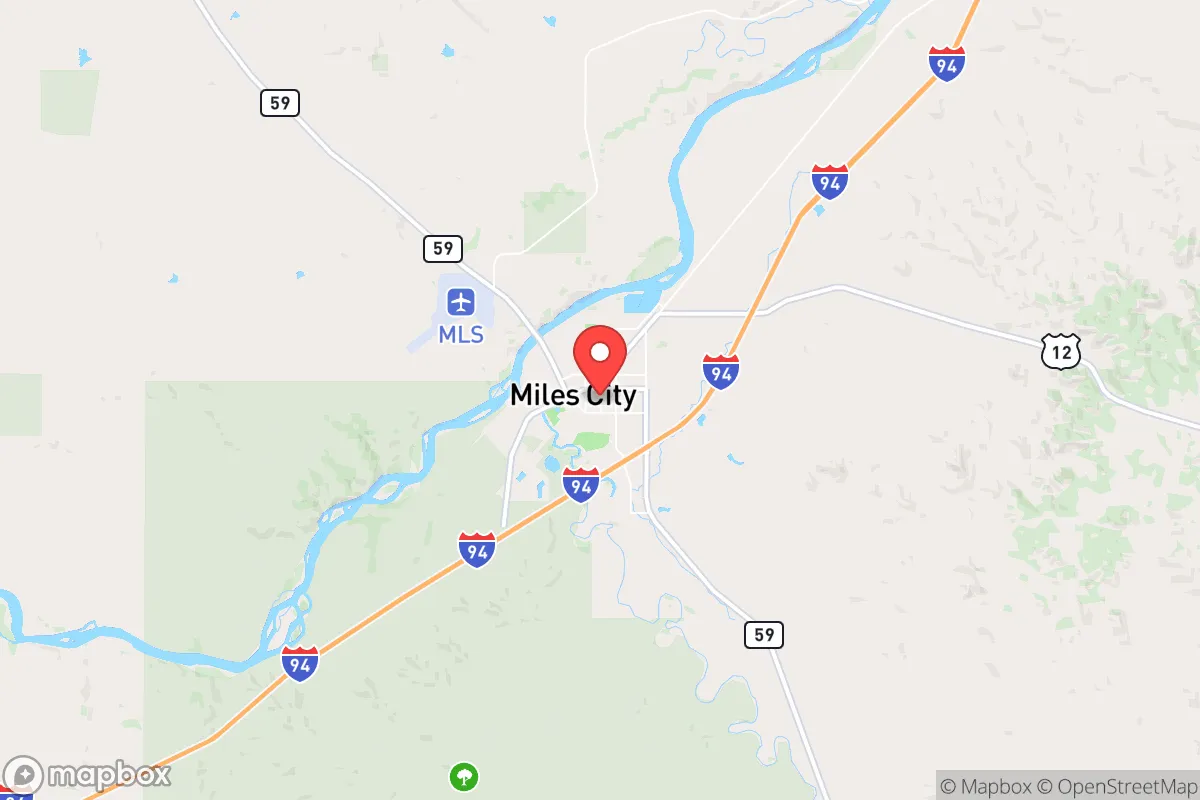
Photo: Wikipedia
Quality of Life in Miles City, MT
A high quality of life with strong walkability, manageable living costs, healthy neighborhood signals, and solid amenity access.
What does Quality of Life tell us?
Quality of Life blends cost of living, nearby amenities, socioeconomic signals, and neighborhood character. City-level scores represent the whole municipality; individual neighborhoods can differ.
What does this tell us?
Quality of Life blends cost of living, nearby amenities, socioeconomic signals, and neighborhood character. City-level scores represent the whole municipality; individual neighborhoods can differ.
Cost of Living
26% below national average
The Real Cost of Living in Miles City, MT for 2026
| Tier | Individual | Family (4) |
|---|---|---|
| Survival | $15k | $28k |
| Comfortable | $35k | $52k |
| Luxury | $99k+ | $154k+ |
| Elite (Top 5%) | $117k+ | $181k+ |
116%
The Area Signal
A metric tracking the socioeconomic signals of the area.
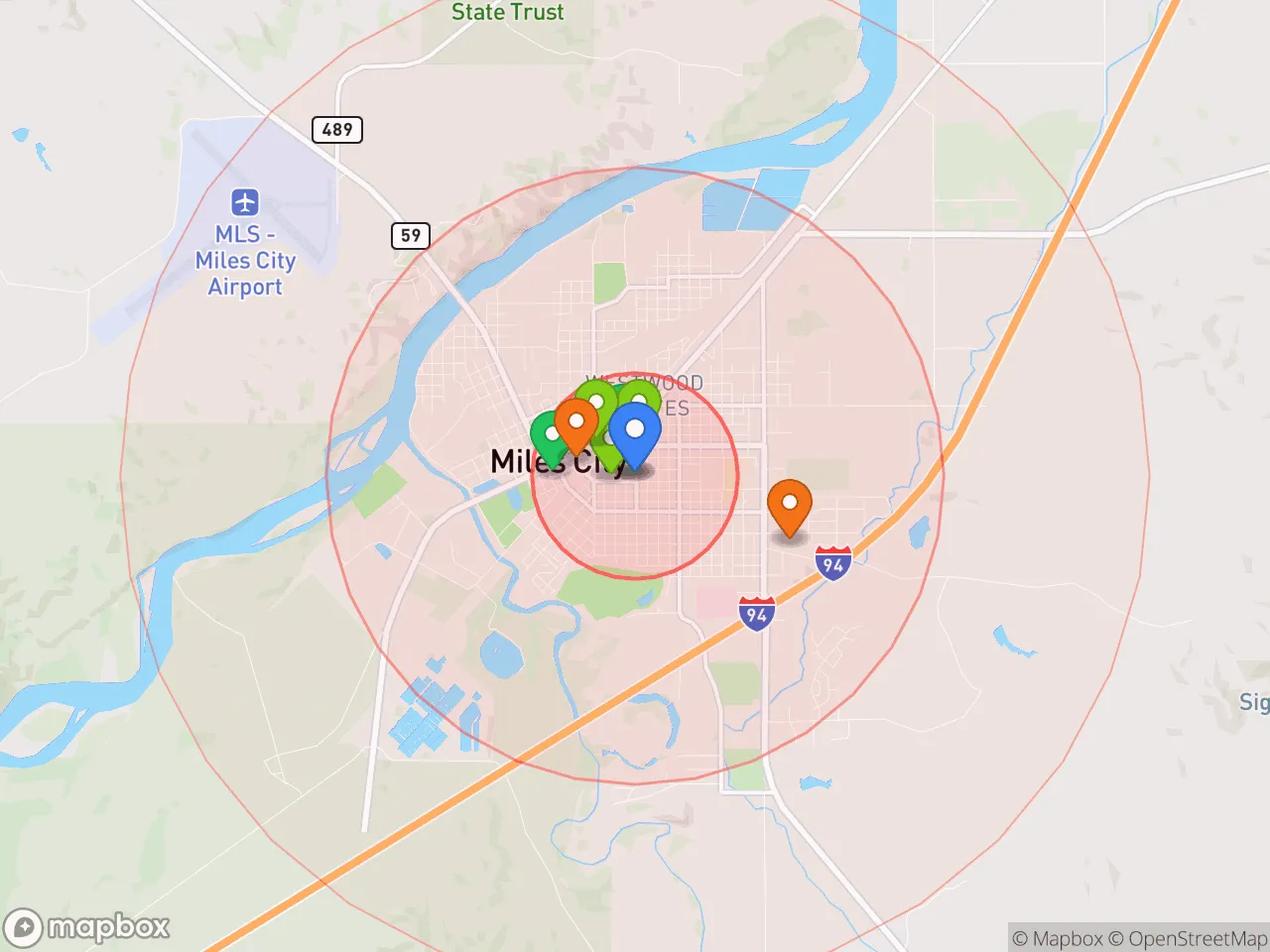
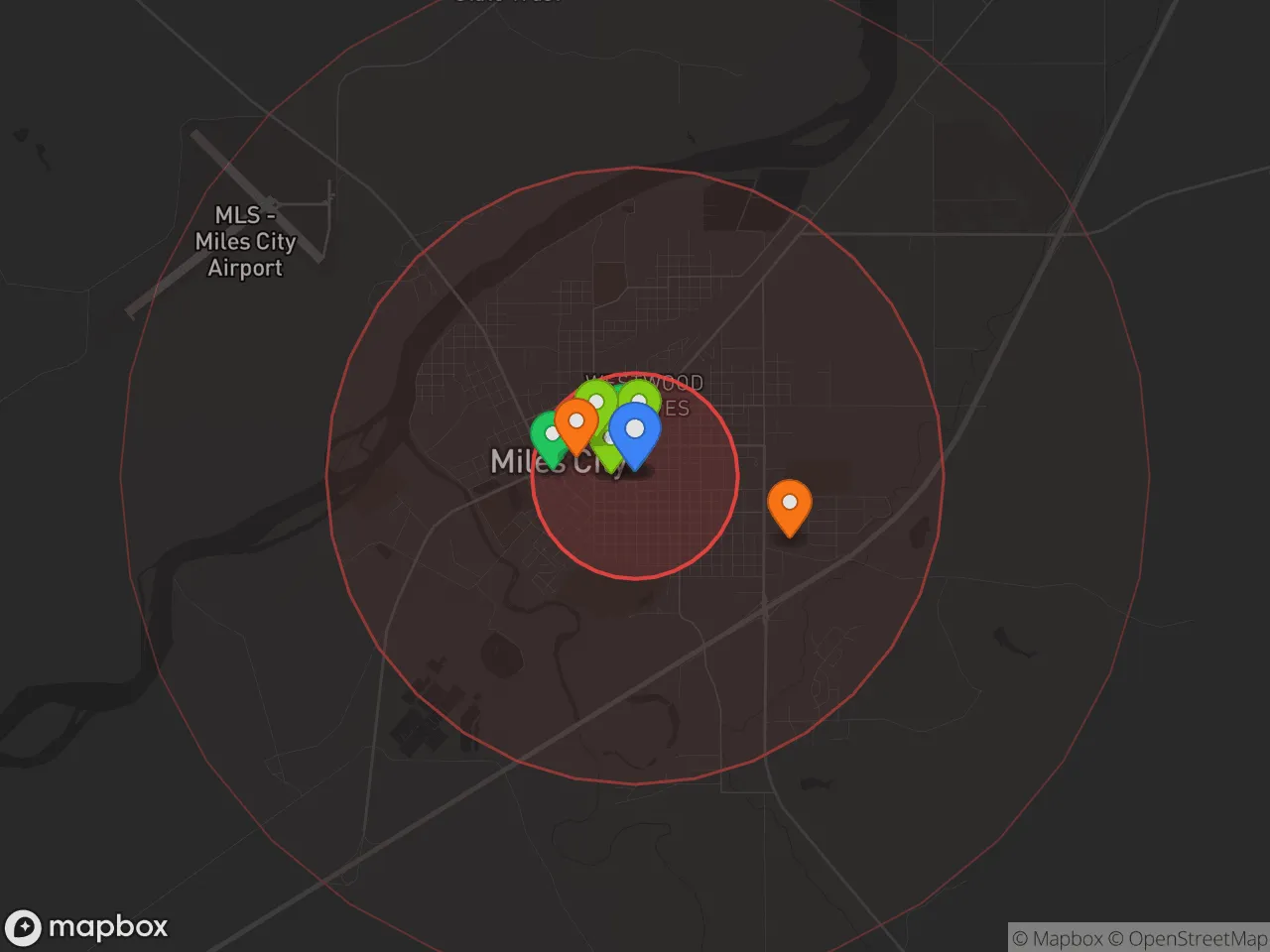
Hobbies
Explore the areaGroceries
2 within 10 miles
Gas
10 within 10 miles
Hospital
1 within 20 miles
Airport
DEN — Denver International
Post Office
USPS — Miles City, MT
Critical Amenities
Quality-of-Life Analysis
Miles City, Montana, offers a quality of life defined by its rural character, strong community ties, and notably low cost of living, attracting a mix of ranching families, railroad workers, and outdoor enthusiasts. With a cost of living index of 74 (26% below the U.S. average), the area provides significant financial breathing room compared to national norms, though its isolation and limited job diversity mean it appeals most to those seeking a slower, self-reliant pace of life. The population of roughly 8,600 is predominantly white and politically conservative, with a median age around 40, reflecting a stable, family-oriented demographic that values local traditions and the surrounding prairie landscape.
Cost of living, housing affordability, and how Miles City compares to nearby towns
Miles City stands out as one of the most affordable places in eastern Montana, with a median home value of $182,700 and a median rent of $932—figures that are roughly half of what you would find in Bozeman or Missoula. The cost of living index of 74 is driven primarily by low housing costs, though utilities and groceries are slightly above the national average due to the remote location. Compared to nearby towns like Glendive (median home value ~$160,000) or Baker (~$175,000), Miles City is moderately more expensive but offers a larger selection of services and amenities. The average commute of just over 19 minutes is typical for the region, with most residents driving personal vehicles on well-maintained two-lane highways; public transit is essentially nonexistent. For renters, the market is tight but affordable, with vacancy rates hovering around 3-4%, meaning prospective tenants should act quickly when a unit becomes available.
What daily life is like for families: schools, amenities, and local rhythm
Daily life in Miles City revolves around a handful of core institutions: the Miles City Unified School District (serving roughly 1,800 students), the VA Medical Center (a major employer), and the seasonal rhythms of the Miles City Bucking Horse Sale, a week-long rodeo and community event that draws thousands each May. The school system includes three elementary schools, one middle school, and Custer County District High School, which consistently posts graduation rates around 85-90%—slightly above the state average. For families, the town offers a public library, a community pool, and several parks, but lacks the retail density of larger cities; the nearest Target or Costco is a 2.5-hour drive to Billings. Healthcare is anchored by the Holy Rosary Hospital and the VA clinic, though specialists are limited, often requiring travel to Billings for advanced care. The local economy is dominated by agriculture, the railroad (BNSF Railway), and government services, with a median household income of roughly $52,000—lower than the state median but stretched further by the low cost of living.
This combination of affordability, community focus, and outdoor access makes Miles City a strong fit for families seeking a quiet, safe environment with room to roam, as well as for retirees on fixed incomes who value low housing costs and a slower pace. Remote workers with reliable internet (fiber is available in parts of town) can also thrive here, leveraging the low COL to maximize savings. However, those who require urban amenities, diverse dining, or frequent cultural events will find the isolation limiting. For the right person—someone who values prairie solitude, knows their neighbors, and doesn't mind a 3-hour drive for a concert—Miles City offers a quality of life that is both affordable and deeply rooted in Montana's ranching heritage.

Crime in Miles City, MT
Generally safer than 67% of comparable U.S. locations.
Violent CrimeViolent Crime Analysis
Property CrimeProperty Crime Analysis
Crime Analysis
Miles City, Montana, presents a mixed safety picture where property crime rates significantly exceed both state and national averages, while violent crime remains slightly below the national benchmark but above the Montana state rate. With a violent crime rate of 356.2 per 100,000 residents and a property crime rate of 1,686.1 per 100,000, the city demands careful consideration from potential residents, particularly those moving from areas with lower crime. The data suggests that while the risk of a violent encounter is moderate, the likelihood of experiencing theft, burglary, or vandalism is notably higher than in many other Montana communities.
Crime in context
Miles City's violent crime rate of 356.2 per 100,000 is roughly 2% below the national average of 363.6 but nearly 50% higher than the Montana state average of 238.4. This places the city in a middle tier nationally for violent offenses, but well above the typical Montana community. Property crime tells a more concerning story: at 1,686.1 per 100,000, the rate is about 20% above the national average of 1,401.9 and more than double the Montana state average of 785.4. These figures indicate that property crime—particularly theft from vehicles, burglary, and vandalism—is a persistent issue. For context, larger Montana cities like Billings (roughly 150 miles west) report property crime rates around 3,500 per 100,000, so Miles City's rate is comparatively moderate within the state's urban centers but still elevated relative to rural norms.
What residents experience
Daily life in Miles City involves a heightened awareness of property security. Residents commonly report that unlocked vehicles and outbuildings are frequent targets, with thefts of tools, firearms, and personal electronics being the most common complaints. Violent crime is less a part of everyday conversation, but incidents of assault and robbery do occur, often concentrated in specific contexts like late-night bar districts or domestic disputes. The city's police department maintains a visible presence, but with limited staffing typical of a rural county seat, response times can vary. Neighborhood watch participation is active in several subdivisions, and many long-term residents emphasize the importance of basic precautions: locking doors, securing sheds, and not leaving valuables in plain sight in vehicles. The local judicial system, operating under Montana state law, has not adopted the progressive prosecutorial policies seen in some larger urban jurisdictions—a factor that some residents cite as a positive, believing it contributes to more consistent accountability for property offenders.
Neighborhood-level variation in Miles City is modest but noticeable. The historic downtown core and areas near the railroad tracks see higher concentrations of both property and alcohol-related violent crime. The newer subdivisions on the south and west edges of town, such as those near the Miles City Country Club and along the Tongue River, report fewer incidents. The eastern side of town, closer to the industrial areas and the airport, has intermediate crime levels. Overall, the safest residential pockets are the established single-family home neighborhoods west of Main Street, where community cohesion and property maintenance are higher. Prospective renters should pay particular attention to the condition of shared parking areas and building security in multi-unit complexes, as these are common theft targets. For families, the areas around the elementary schools generally report lower crime rates than the city average.
* Values derived from national, state, county, city and local statistics and may differ in a specific area. Last updated: 2026-04-29T21:08:11.000Z
Narrative content on this page is AI-generated and may contain mistakes. Verify any details that matter before acting on them.
ReloMaps may earn a commission from affiliate links at no extra cost to you.

