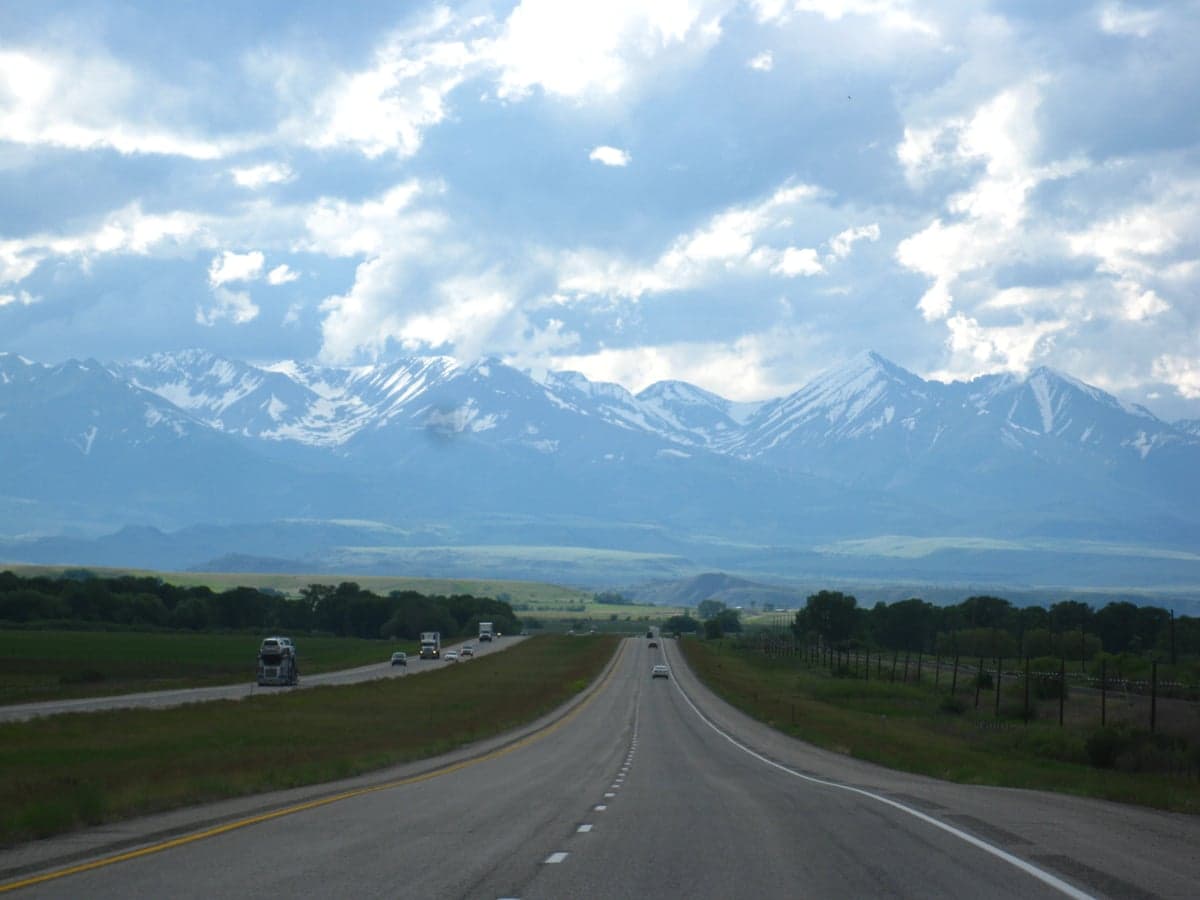
Photo: Wikipedia
Political ClimatePolitical Climate in Stillwater County
Showing district-level results — no local-only data available.
Local Political AnalysisPolitical Analysis of Stillwater County
Stillwater County, Montana, is a reliably conservative area that has grown even more Republican in recent cycles, with a Cook PVI of R+15 that places it well to the right of the state's already red R+10 rating. The county has voted for the GOP presidential candidate by margins exceeding 30 points in the last two elections, and local offices from county commission to school board are dominated by Republicans. This isn't a purple county that flips back and forth — it's a place where Democratic candidates rarely break 35% of the vote, and the political conversation is largely about which Republican wins the primary.
How it compares
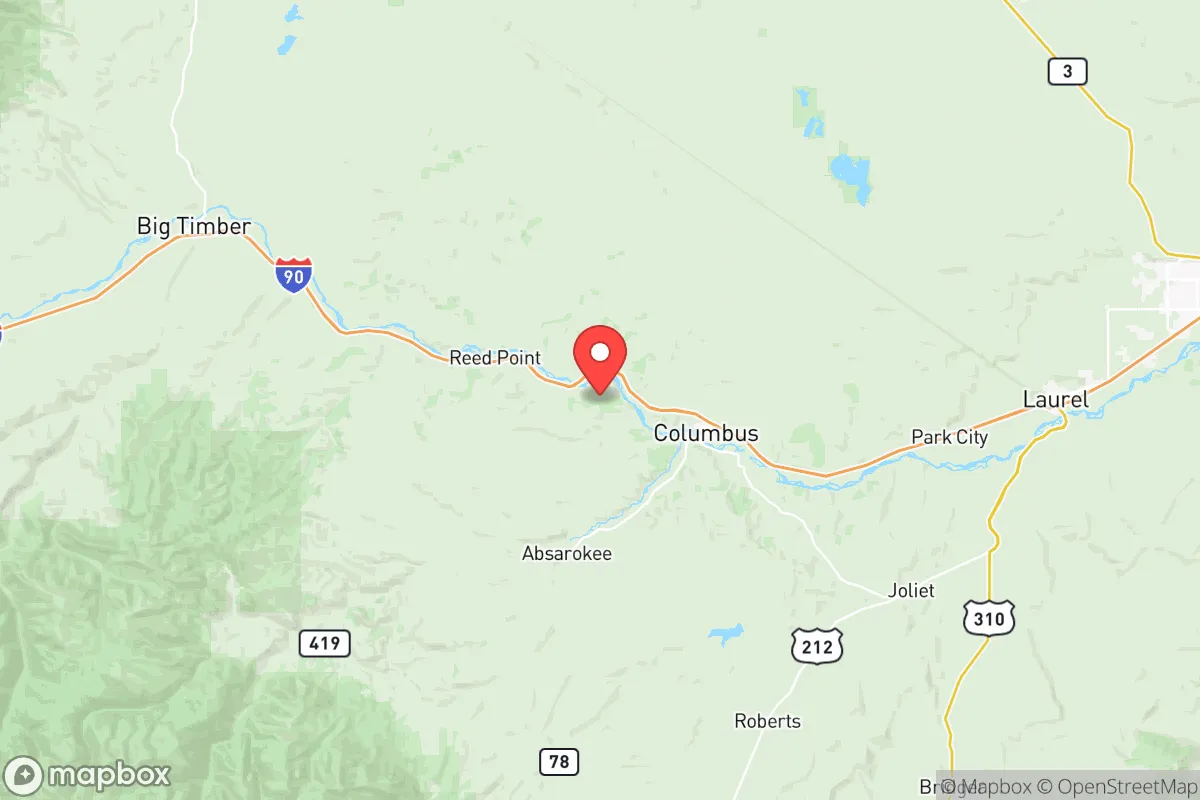
Stillwater County's R+15 PVI is a full five points more conservative than Montana's statewide R+10, which itself is among the reddest ratings in the country. That difference matters: while Montana as a whole has a competitive Senate race every six years and a handful of swing legislative districts in places like Missoula and Bozeman, Stillwater County has no such drama. The county's politics are closer to what you'd find in neighboring Wheatland or Golden Valley counties than to the state's more moderate pockets. Within the county, there is some variation — Columbus, the county seat and largest town, tends to be the most moderate precinct, occasionally voting within 10-15 points of the statewide average, while Absarokee and Reed Point are reliably deep red. Park City, which has seen some influx from Billings commuters, has a slightly more mixed political character but still leans heavily Republican. There are no precincts in Stillwater County that consistently vote Democratic; the closest thing to a swing area is Columbus, where a well-funded moderate Republican might face a primary challenge from the right.
What this means for residents
For conservative residents, Stillwater County's political climate means their values are reflected in local governance — low taxes, limited regulation, and a focus on agriculture and resource extraction. The county commission and school boards are reliably conservative, and there is little pushback on issues like gun rights or property rights. For liberal residents, the reality is more isolating. There is no organized Democratic party presence in the county, and progressive viewpoints are rarely represented in public discourse or local media. A liberal resident in Columbus might find common ground with neighbors on local issues like road maintenance or school funding, but broader political conversations can be uncomfortable. The county's trajectory suggests this dynamic will persist: the area is growing slowly, primarily with retirees and remote workers who are drawn to the conservative culture, not with younger or more diverse populations that might shift the balance.
Culturally, Stillwater County is distinct from Montana's more liberal enclaves like Missoula or Bozeman. The county's economy is anchored by agriculture — primarily cattle ranching and sugar beet farming — and by the Stillwater Mine, one of the largest palladium and platinum mines in the world. This resource-extraction base reinforces a practical, self-reliant political outlook. Policy debates here are less about social issues and more about land use, water rights, and access to public lands for grazing and recreation. The county's relationship with the state government in Helena is often adversarial, with local officials pushing back against what they see as overreach on environmental regulations and land management. For anyone moving to Stillwater County, understanding that this is a place where conservative politics are not just dominant but deeply woven into daily life is essential — it shapes everything from school board meetings to conversations at the feed store.

State Political ClimatePolitical Climate in Montana
State Political AnalysisPolitical Environment in the State
Montana has been a reliably Republican state for decades, with a Cook Partisan Voting Index of R+10, meaning it votes about ten points more Republican than the nation as a whole. But the political reality here is more layered than a single number suggests — the state has a strong libertarian streak, a deep populist tradition, and a growing urban-rural split that has reshaped elections over the last 15 years. While Republicans hold every statewide office and supermajorities in the legislature, the state has also voted for Democratic governors as recently as 2012 and has a history of electing moderate, independent-minded figures like Senator Jon Tester, who narrowly lost his seat in 2024.
Urban vs. rural divide
The political map of Montana is defined by a handful of growing urban islands surrounded by vast, deeply conservative rural territory. Missoula County is the state's most reliably Democratic stronghold, voting for Joe Biden by over 20 points in 2020, driven by the University of Montana, a robust arts scene, and a younger, more progressive population. Gallatin County, home to Bozeman and Montana State University, has been the most dramatic political shift in the state — it voted for Barack Obama in 2008, then flipped to Trump by 12 points in 2016, and has since settled into a competitive purple zone as explosive growth brings in a mix of out-of-state conservatives, tech workers, and outdoor enthusiasts. Lewis and Clark County, anchored by the state capital Helena, leans slightly Democratic thanks to a large government workforce and a moderate professional class. Meanwhile, the eastern two-thirds of the state — places like Miles City, Glendive, and Sidney — vote Republican by margins of 40 to 50 points, driven by agriculture, energy extraction, and a culture of self-reliance. The Flathead Valley, including Kalispell and Whitefish, has become a conservative stronghold, though Whitefish itself has a small but vocal progressive community. The net effect is that Montana's statewide races are decided in the fast-growing suburbs and exurbs of Bozeman, Billings, and Kalispell, where new arrivals are reshaping the electorate faster than the rural counties can offset.
Policy environment
Montana's policy environment is defined by low taxes, light regulation, and a strong emphasis on individual liberty, but with notable exceptions. There is no state sales tax, and property taxes are moderate compared to the national average — the effective rate hovers around 0.83%, though they have been creeping up as home values surge. The state has a flat income tax of 5.9%, which was reduced from 6.75% in 2021 as part of a broader tax reform package. Montana is a "right-to-work" state, meaning union membership and dues are voluntary, and it has some of the most permissive gun laws in the country — no permit is required to carry a concealed firearm, and there is no state-level background check for private sales. On education, the state has a robust school choice landscape, including charter schools, online academies, and a tax-credit scholarship program for private school tuition, though rural districts often struggle with funding and teacher shortages. Healthcare policy is a mixed bag: Montana expanded Medicaid under the Affordable Care Act in 2015, and the program has been reauthorized multiple times with bipartisan support, but the state also has some of the highest individual market premiums in the country. Election laws are relatively straightforward — same-day voter registration is available, no excuse is needed for absentee voting, and voter ID requirements are modest, though a 2021 law tightened identification rules for mail ballots.
Recent policy direction
The last four years have seen a sharp conservative turn in state policy, driven by Republican supermajorities and Governor Greg Gianforte, a former tech executive who took office in 2021. On gun and self-defense law, Montana passed a "constitutional carry" bill in 2021, eliminating the permit requirement for concealed carry, and in 2023 enacted a law prohibiting state and local law enforcement from enforcing federal gun regulations that conflict with state law — a direct challenge to any future federal restrictions. On parental and education rights, the legislature passed a "parents' bill of rights" in 2021, requiring schools to notify parents about curriculum changes and medical services, and in 2023 banned transgender girls from participating in female school sports. On speech and privacy, Montana passed one of the nation's most aggressive data privacy laws in 2023, the Montana Consumer Data Privacy Act, giving residents the right to access, correct, and delete personal data held by large companies. On medical and bodily autonomy, the state banned abortion after 20 weeks in 2021 and passed a law in 2023 requiring parental consent for minors seeking abortions, though a 2024 ballot initiative to enshrine abortion rights in the state constitution is expected to be a major flashpoint. On property rights, Montana has been a national leader in pushing back against land-use restrictions — a 2023 law limits the ability of counties to deny subdivision permits, and the state has aggressively fought federal control of public lands, with Gianforte suing the Biden administration over grizzly bear reintroduction and coal leasing moratoriums. On voting and ballot access, the 2021 law requiring a government-issued ID for mail ballot return was the most significant change, but the state still allows same-day registration and no-excuse absentee voting, keeping Montana more accessible than many red states.
Civil unrest & political movements
Montana's political activism tends to be more organized and less chaotic than in many states, but there have been notable flashpoints. The Yellowstone County election integrity controversy in 2022, where a conservative activist group challenged hundreds of voter registrations in Billings, led to a lawsuit and a settlement that reaffirmed the legality of same-day registration. The state has seen a growing "county supremacy" movement, with several rural counties — including Lincoln County and Ravalli County — passing resolutions declaring their intent to ignore state or federal laws they deem unconstitutional, particularly around gun control and land use. Immigration politics are less visible here than in border states, but the 2023 legislative session saw a bill to ban "sanctuary city" policies, though it failed due to opposition from libertarian-leaning Republicans who saw it as federal overreach. Protests have been relatively small and focused: the 2020 Black Lives Matter demonstrations in Missoula and Bozeman drew a few hundred people each, and there have been periodic rallies at the state capitol over abortion rights and public lands access. The most sustained political movement in recent years has been the push for property tax relief, which has united rural conservatives and urban homeowners in a way that crosses party lines — a 2024 special session on the issue was called by Gianforte after property tax bills spiked by double digits in Bozeman, Missoula, and Kalispell.
Projection
Over the next five to ten years, Montana's political trajectory will be shaped by two opposing forces: the continued influx of new residents, who tend to be more conservative than the national average but less conservative than the state's rural base, and the gradual depopulation of the eastern plains, which will reduce the weight of the state's most Republican counties. The net effect is likely a slow shift toward a more suburban, center-right politics — think less focus on agriculture and energy, more on housing costs, school funding, and infrastructure. The growing influence of Bozeman, Billings, and Kalispell will push the state toward a more professional-class conservatism that is culturally traditional but economically pragmatic, which could create tensions with the libertarian and populist wings of the party. Democrats will remain competitive in Missoula and Helena, but their path to winning statewide office will require either a moderate candidate who can split the suburban vote or a national environment that depresses Republican turnout. The most likely outcome is that Montana remains a solidly Republican state, but with a more nuanced, less predictable politics than the R+10 label suggests — a place where a libertarian-leaning independent could win a local race, where property tax caps are the defining issue, and where the culture war fights of the last decade give way to more concrete debates about growth and affordability.
For a new resident, the bottom line is that Montana offers a political environment that is broadly conservative but with a strong live-and-let-live ethos, especially outside the most organized activist circles. You will find fewer restrictions on your daily life — on guns, on school choice, on property use — than in almost any other state, but you will also find a tax system that is shifting as property values rise and a healthcare system that remains expensive and uneven. The politics here are serious but not toxic; most Montanans, regardless of party, share a deep skepticism of federal authority and a practical, problem-solving approach to local governance. If you are moving here, expect to be left alone on most things, but also expect to pay attention to local elections — in a state this small, your county commission and school board have more impact on your daily life than the governor does.
* Values derived from national, state, county, city and local statistics and may differ in a specific area. Last updated: 2026-08-08T16:45:46.000Z
Narrative content on this page is AI-generated and may contain mistakes. Verify any details that matter before acting on them.
ReloMaps may earn a commission from affiliate links at no extra cost to you.

