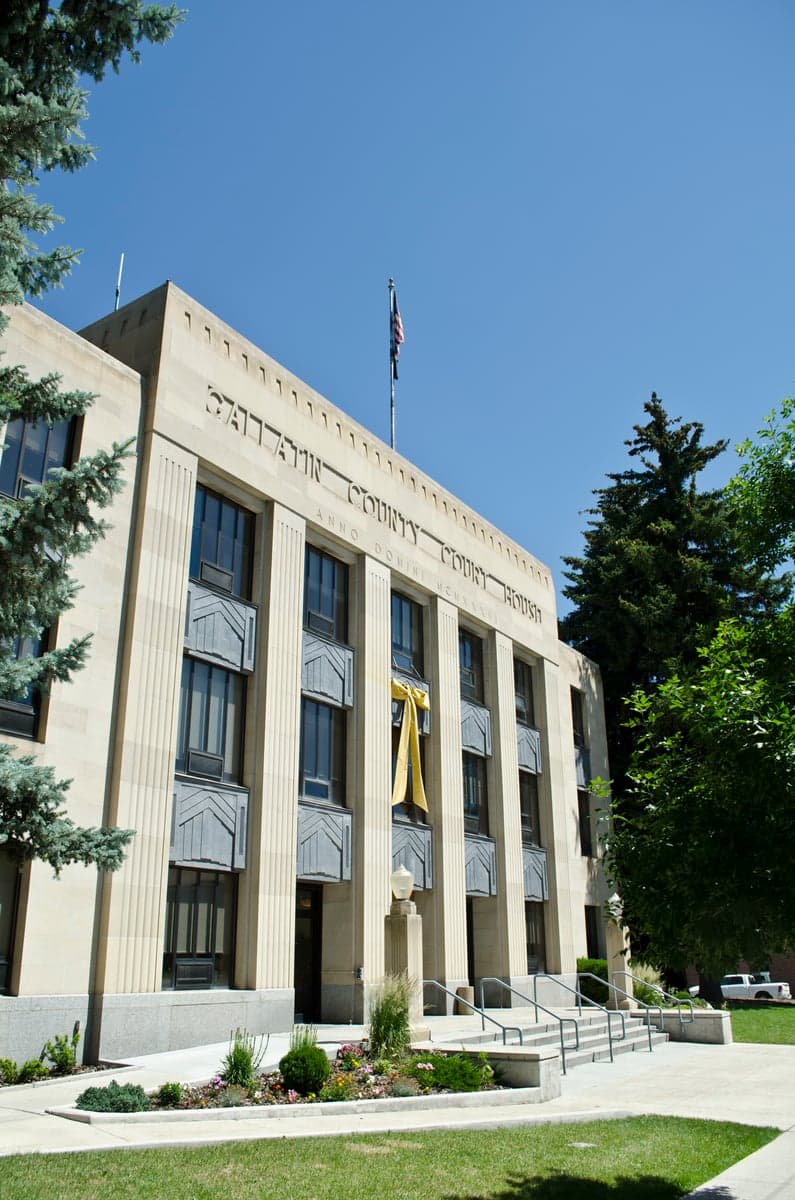
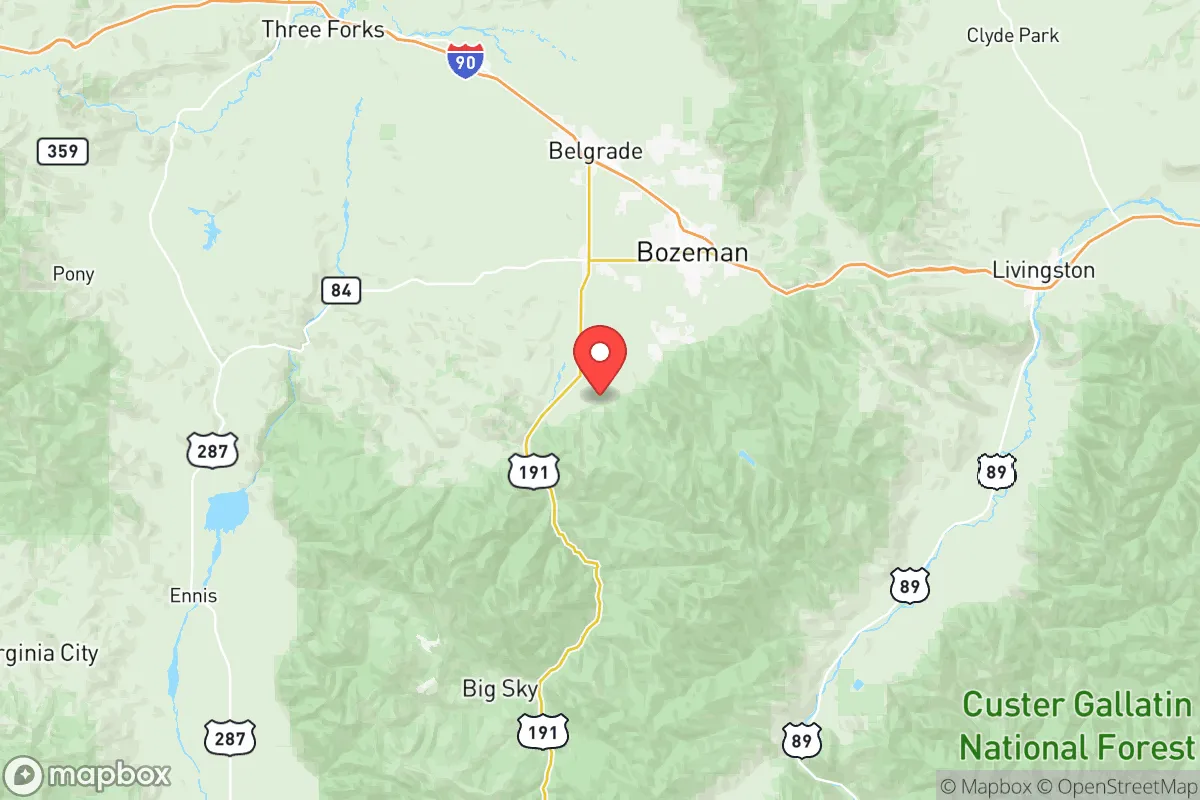
Photo: Wikipedia
Find The Best Places To Live in Gallatin County
PRO TIP! You can paste a Zillow or Redfin link to get info on that property.
Best Places to Live in Gallatin County
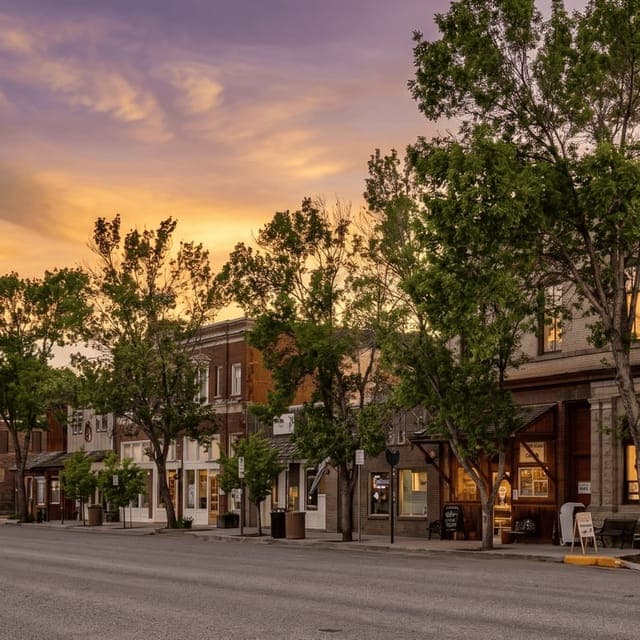
Cities & Towns in Gallatin County
Cities in Gallatin County
What It's Like Living in Gallatin County, MT
Living in Gallatin County, Montana, feels a bit like being in on a secret that’s not so secret anymore. It’s a place where the mountains are a daily backdrop, not a vacation destination, and where the pace of life is dictated more by the seasons than by a clock. You’ll find a mix of Montana State University students in Bozeman, ranchers outside of Manhattan, and families in Belgrade who chose the area for the schools and the access to world-class fly fishing on the Gallatin River. The county’s identity is a blend of old-school Western independence and a newer, more affluent wave of remote workers and outdoor enthusiasts, creating a dynamic that’s both exciting and occasionally tense.
The Daily Rhythm: From Bozeman Commutes to Rural Weekends
For most people, daily life in Gallatin County revolves around the outdoors, even if it’s just a quick walk after work. The average commute is a remarkably short 18.8 minutes, which is a major draw for families who want to actually see their kids before bedtime. In Bozeman, the largest city, you’ll see people grabbing coffee at Wild Crumb before heading to jobs at Montana State University, Simms Fishing Products, or one of the many tech startups that have set up shop. In smaller towns like Belgrade and Four Corners, the rhythm is more about getting kids to school, running errands at the local grocery store, and planning weekend adventures. The median age of 33.8 reflects a young, active population, and the 53.1% college-educated rate means you’re likely to have neighbors who are engineers, biologists, or entrepreneurs.
The cost of living index sits at 167, which is a hard reality for many. A median home value of $604,900 means that a family on a single income will struggle to buy a house in Bozeman, often looking to Manhattan or Three Forks for more affordable options. This has created a commuter culture where people drive 20-30 minutes from outlying towns into Bozeman for work, but the trade-off is a quieter, more land-based lifestyle. The median household income of $87,454 is solid, but it doesn’t stretch as far as it used to, especially with rising rents and property taxes.
Sports, Community, and the Big Deal About Friday Nights
Sports are a serious thread in the county’s social fabric, but not in the way you might think. There’s no major pro team, but Montana State University Bobcats football games in Bozeman are a massive community event. On a fall Saturday, Bobcat Stadium fills with 20,000 fans, and the energy is electric. High school sports are equally important. In Belgrade, Friday-night football under the lights is a town-wide gathering, where parents, local business owners, and even retirees come out to watch the Panthers play. The rivalry between Bozeman High and Belgrade High is genuine and friendly, a classic Montana small-town tradition that’s still alive and well.
Beyond organized sports, the county’s real athletic identity is in the mountains. The Bridger Bowl ski area is a local institution—a non-profit, community-owned ski hill that’s packed with families on powder days. In the summer, the Gallatin River is a playground for kayakers, rafters, and fly fishers. The annual Bozeman Ice Festival draws climbers from across the country, and the Sweet Pea Festival in August is a three-day celebration of arts, music, and community that feels like a county-wide reunion.
What’s There to Do: Honest Pros and Cons of Living Here
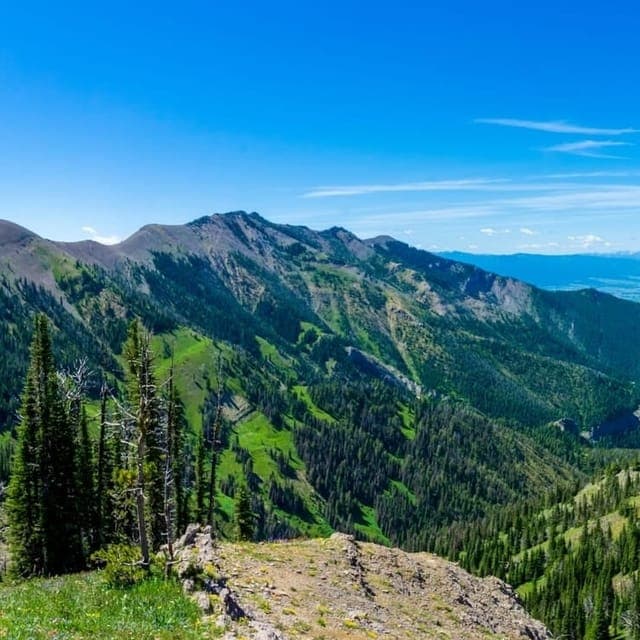
The biggest pro is obvious: the access to nature is world-class. You can be on a hiking trail in the Gallatin National Forest within 15 minutes of leaving your house in Bozeman. The fishing on the Madison River is legendary, and the hunting in the surrounding national forests is a way of life for many. The community is also genuinely friendly—people wave on the street, and neighbors help each other with snow removal without being asked.
But there are real frustrations. The violent crime rate of 422 per 100,000 is higher than the national average, and while it’s concentrated in certain areas of Bozeman, it’s a concern for families. Traffic on Main Street in Bozeman during summer tourist season can be a slog, and the influx of visitors from out of state can make locals feel like they’re living in a theme park. Winters are long and cold, with snow on the ground from November through April. Some people love the quiet, but others find the seasonal affective disorder a real challenge. The cost of living is the most common complaint—locals joke that you need a trust fund or a remote tech job to afford a house in Bozeman proper.
For the kind of person who fits in here, it’s someone who values experiences over things, who doesn’t mind a 20-minute drive to the grocery store, and who sees a snowstorm as an opportunity, not an inconvenience. It’s a place for families who want their kids to grow up with space to roam, and for singles who want a community that’s active, educated, and outdoorsy. The cultural quirk is a fierce independence—people here are proud of their ability to fix their own truck, split their own firewood, and navigate a blizzard without complaint. It’s not for everyone, but for those who love it, there’s nowhere else like it.

* Values derived from national, state, county, city and local statistics and may differ in a specific area. Last updated: 2026-08-23T09:03:22.000Z
Narrative content on this page is AI-generated and may contain mistakes. Verify any details that matter before acting on them.
ReloMaps may earn a commission from affiliate links at no extra cost to you.

