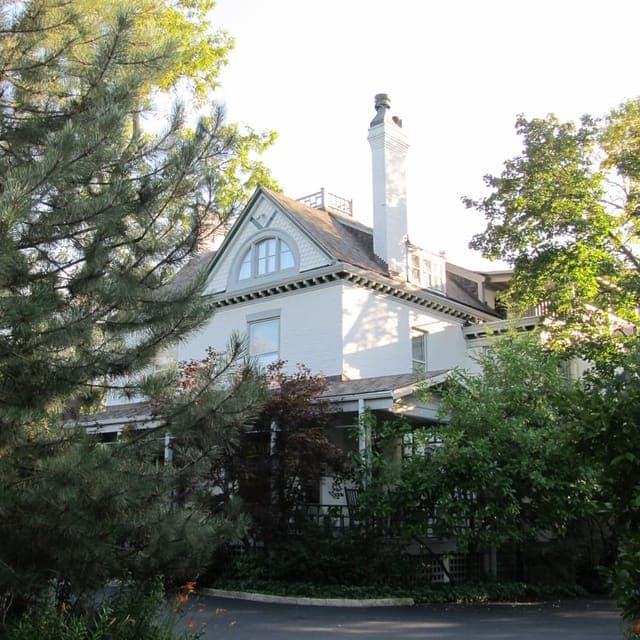
Photo: Wikipedia
Find The Best Places To Live
in Morton Grove
PRO TIP! You can paste a Zillow or Redfin link to get info on that property.
What It's Like Living in Morton Grove, IL
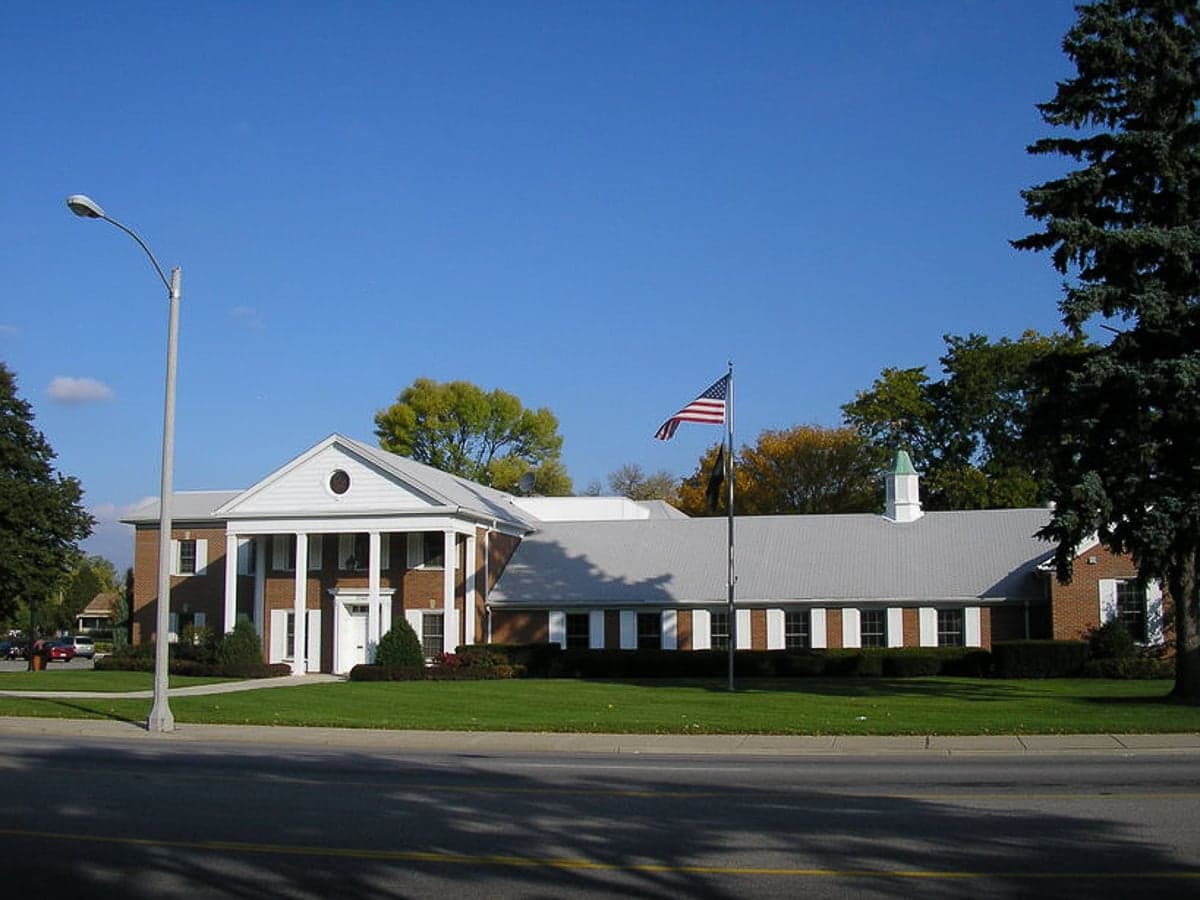
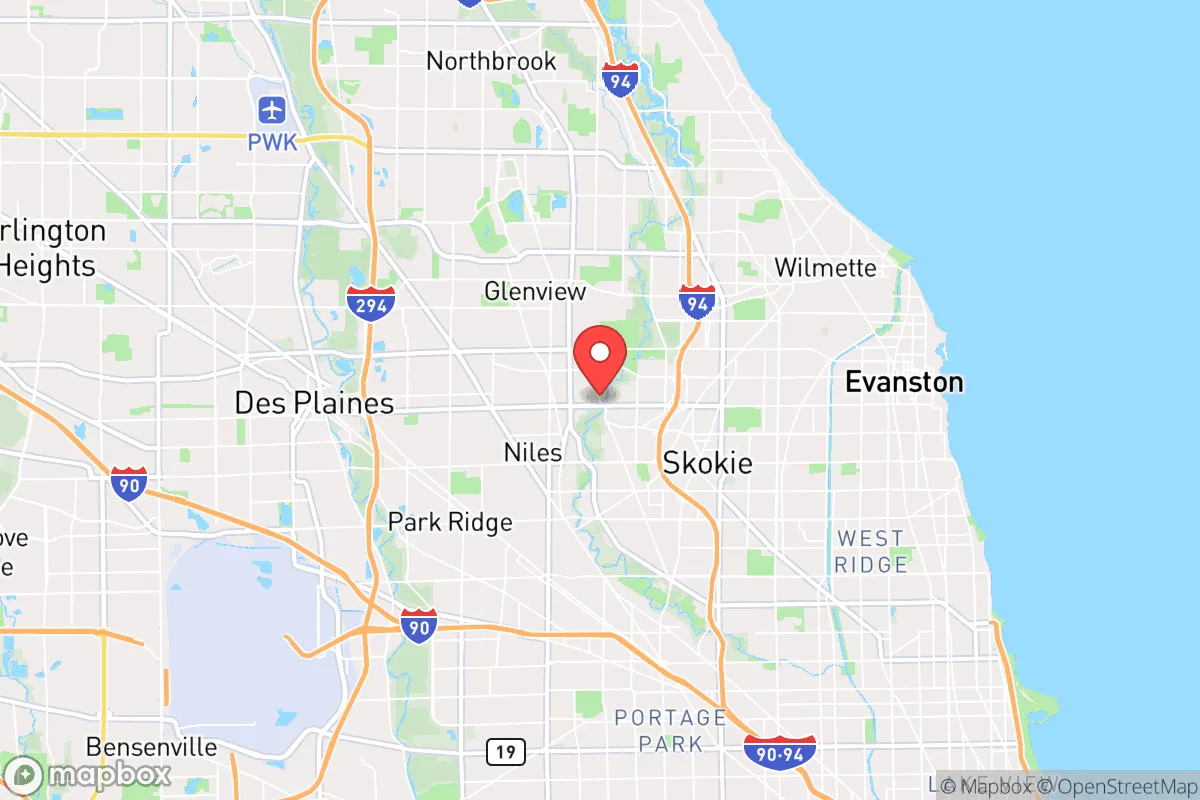
Morton Grove is one of those northwest suburbs that people tend to drive through on their way to somewhere else, which is exactly how it likes it. It’s a quiet, unpretentious village of roughly 24,687 residents that sits wedged between the more famous Niles and Skokie, offering a slice of classic middle-class suburban life without the flash or the fuss. If you’re looking for a place where neighbors actually know each other and the biggest weekend debate is whether the pork dumplings at the local joint beat the ones from the place two blocks over, this is your spot.
The Daily Rhythm: A Commuter Town With a Local Pulse
Life here moves at the pace of the Metra train, because for most residents, that’s how the day starts and ends. The average commute clocks in at just over 28 minutes, which is remarkably reasonable for the Chicago area — you can be at Union Station in about 40 minutes on the Milwaukee District North line, but most people are heading to jobs in the surrounding industrial parks or into the city a few days a week. The median age of 44.3 tells you this isn't a party town; it's a place where people have already figured out their routines and like them that way.
Weekends are a predictable, comfortable loop. You’ll see families loading up at the Morton Grove Farmers Market during the warmer months, then heading to Harrer Park for a soccer game or a lazy afternoon by the pond. The village is bisected by Waukegan Road and Dempster Street, which are less scenic thoroughfares than they are practical arteries lined with the kind of businesses that survive on repeat customers — the Greek diner on the corner, the old-school hardware store, the Polish deli that’s been there since the 1980s. There’s a strong Eastern European and Asian presence here, and it shows in the grocery aisles and restaurant menus in a way that makes the strip malls feel genuinely cosmopolitan rather than generic.
Sports, Schools, and the Community Glue
Don’t come here expecting a rabid pro-sports culture; the village doesn’t have its own team, and most residents are split between Cubs and White Sox loyalties like the rest of the region. The real athletic identity is rooted in the local schools. Maine East High School in nearby Park Ridge serves much of Morton Grove, and Friday night football games in the fall are a genuine community gathering point, even if the stands aren’t packed to the rafters. The school district — East Maine School District 63 for elementary and middle grades — is the quiet anchor of the community. When people talk about why they stay, the schools come up more than anything else, and the 52.1% college-educated adult population suggests those schools are doing their job.
For the sports-minded adult, the options are more participatory than spectator. The Morton Grove Park District runs a robust slate of adult softball and volleyball leagues at the various parks, and the tennis courts at Golf Park get steady use from spring through fall. The village’s proximity to Chicago means that catching a Bears game at Soldier Field or a Blackhawks game at the United Center is a 30-40 minute drive on a good day, but most residents treat that as a special occasion rather than a weekly habit.
What’s There to Do: Modest Pleasures, Done Well
The entertainment scene is not going to make anyone mistake Morton Grove for a destination city, but that’s not the point. The village’s biggest annual event is the National Night Out block party in August, which is less about crime prevention and more about neighbors finally meeting each other over grilled hot dogs. For a more substantial outing, the Morton Grove Civic Center hosts a summer concert series that draws decent crowds for cover bands and local acts — nothing you’d plan a vacation around, but a pleasant way to spend a Thursday evening.
When it comes to food, this is where Morton Grove punches above its weight. The village has a legitimate claim to some of the best Asian dining in the suburbs, with a cluster of Korean and Chinese restaurants along Dempster that locals guard jealously. For a slightly more upscale night out, the nearby Old Orchard shopping center in Skokie is a ten-minute drive and offers the standard mall dining and a movie theater. The parks system is the real recreational workhorse — Beck Lake Park and Linne Woods offer decent hiking trails and fishing spots, and the North Branch Trail connects to the Chicago riverfront for cyclists who want a longer ride.
The Honest Trade-Offs: What You Gain and What You Give Up
Let’s be direct about the numbers, because they tell a real story. The median home value sits around $377,000, which is steep but still meaningfully below the Cook County average for comparable suburbs. The median household income of $106,078 gives families breathing room, but the cost of living index of 168 — well above the national baseline of 100 — means that money gets eaten up by property taxes, which are the single biggest recurring complaint you’ll hear from longtime residents. Illinois’ property tax burden is no secret, and Morton Grove is not exempt from it.
The good news on safety is genuinely good. The violent crime rate of 41.2 per 100,000 residents is dramatically lower than the national average, and most residents will tell you they don’t lock their doors with any real anxiety. The trade-off for that safety and quiet is a certain sameness; if you’re looking for nightlife, cultural diversity in the entertainment sense, or a vibrant downtown strip, you’ll be disappointed. The village has no real downtown to speak of — it’s a collection of commercial nodes rather than a walkable center — and the social scene is heavily oriented toward families and homeowners rather than singles or renters.
Traffic is manageable by Chicago standards, but Waukegan Road and Dempster can back up during rush hour, and the winter months bring the usual Illinois snow removal challenges. The seasonal rhythm is familiar to anyone who’s lived in the Midwest: a glorious but brief spring, hot and humid summers that make the park district pools essential, a spectacular fall, and a winter that tests your resolve from December through March. The people who thrive here are the ones who value predictability, safety, and community over excitement and convenience. It’s not the most thrilling place to live, but it’s an honest one — and for the families and mid-career professionals who call it home, that’s precisely the point.

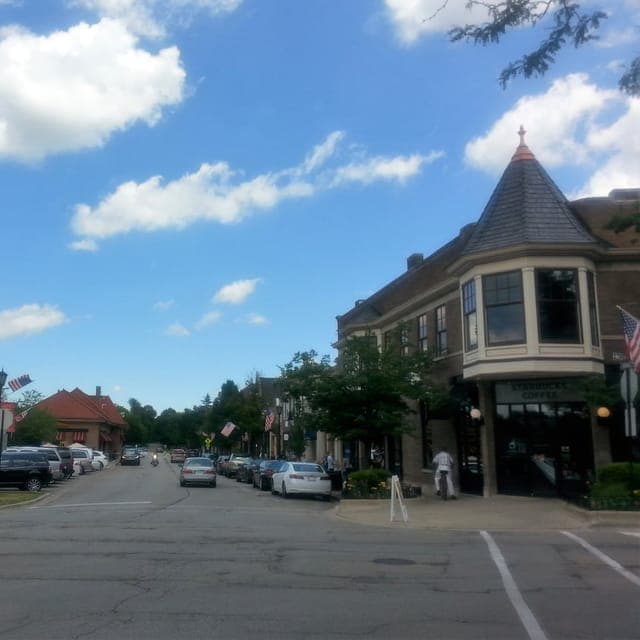
Similar towns to Morton Grove

* Values derived from national, state, county, city and local statistics and may differ in a specific area. Last updated: 2026-10-21T01:16:13.000Z
Narrative content on this page is AI-generated and may contain mistakes. Verify any details that matter before acting on them.
ReloMaps may earn a commission from affiliate links at no extra cost to you.

