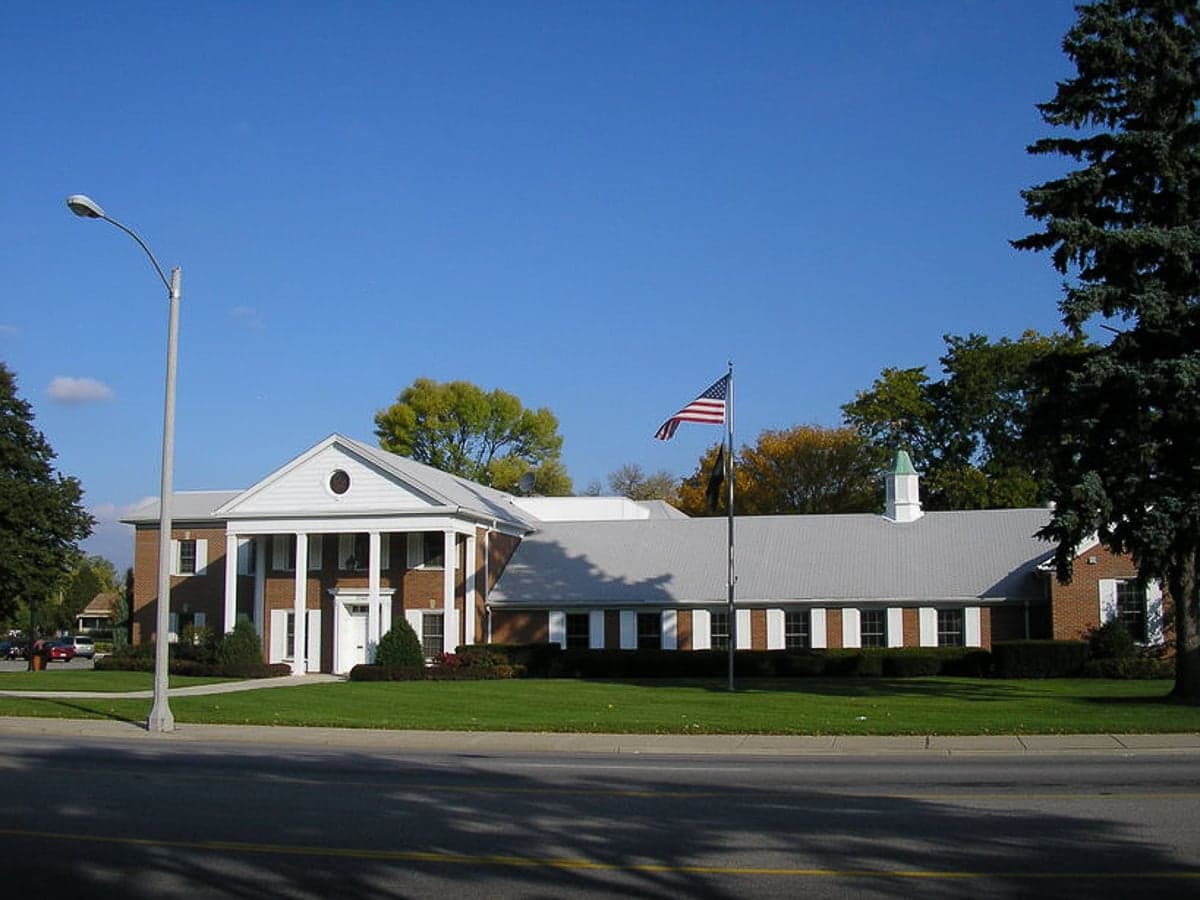
Photo: Wikipedia
Quality of Life in Morton Grove, IL
A high quality of life with strong walkability, manageable living costs, healthy neighborhood signals, and solid amenity access.
What does Quality of Life tell us?
Quality of Life blends cost of living, nearby amenities, socioeconomic signals, and neighborhood character. City-level scores represent the whole municipality; individual neighborhoods can differ.
What does this tell us?
Quality of Life blends cost of living, nearby amenities, socioeconomic signals, and neighborhood character. City-level scores represent the whole municipality; individual neighborhoods can differ.
Cost of Living
68% above national average
The Real Cost of Living in Morton Grove, IL for 2026
| Tier | Individual | Family (4) |
|---|---|---|
| Survival | $35k | $66k |
| Comfortable | $73k | $108k |
| Luxury | $156k+ | $242k+ |
| Elite (Top 5%) | $184k+ | $285k+ |
99%
The Area Signal
A metric tracking the socioeconomic signals of the area.
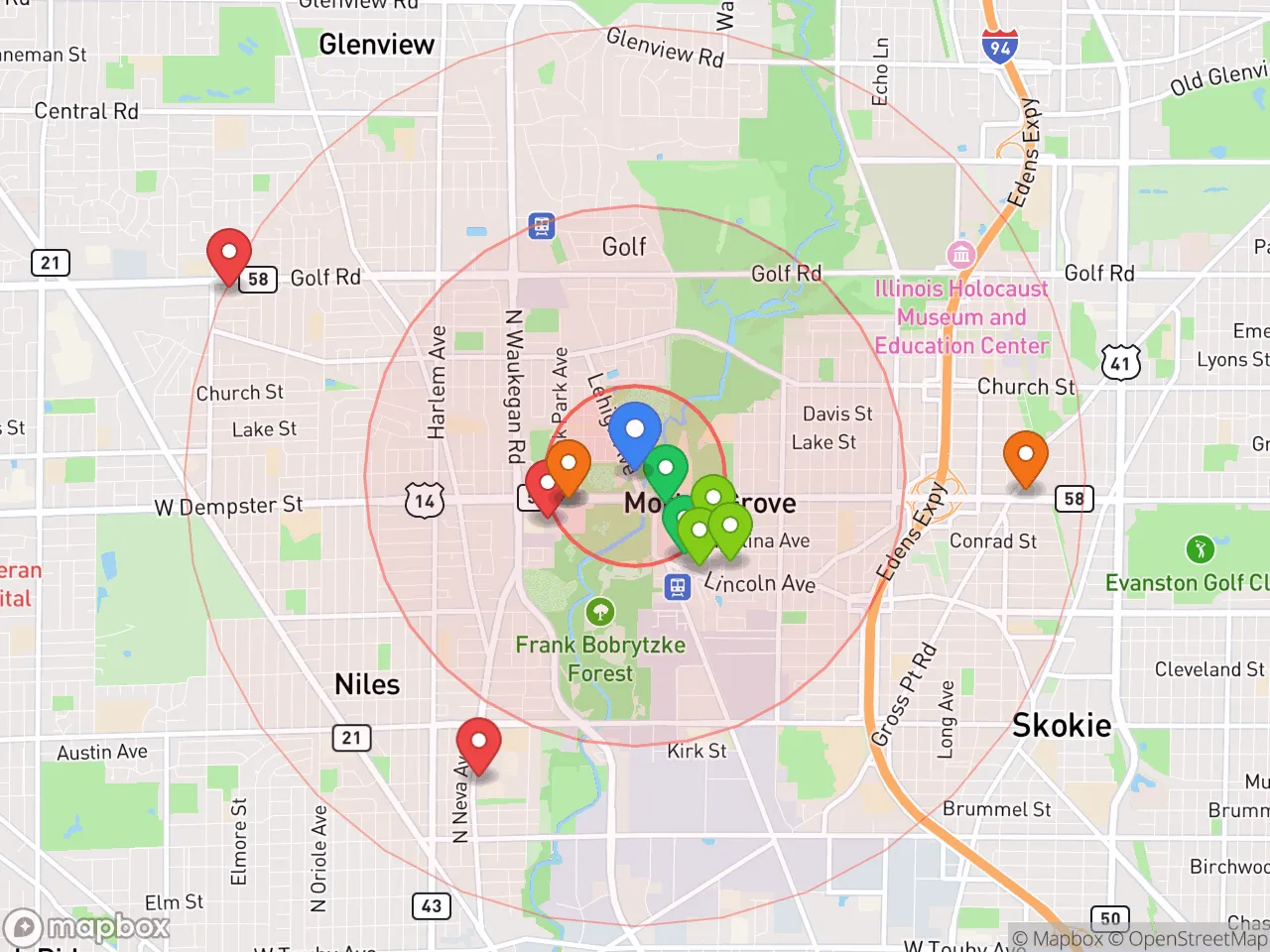
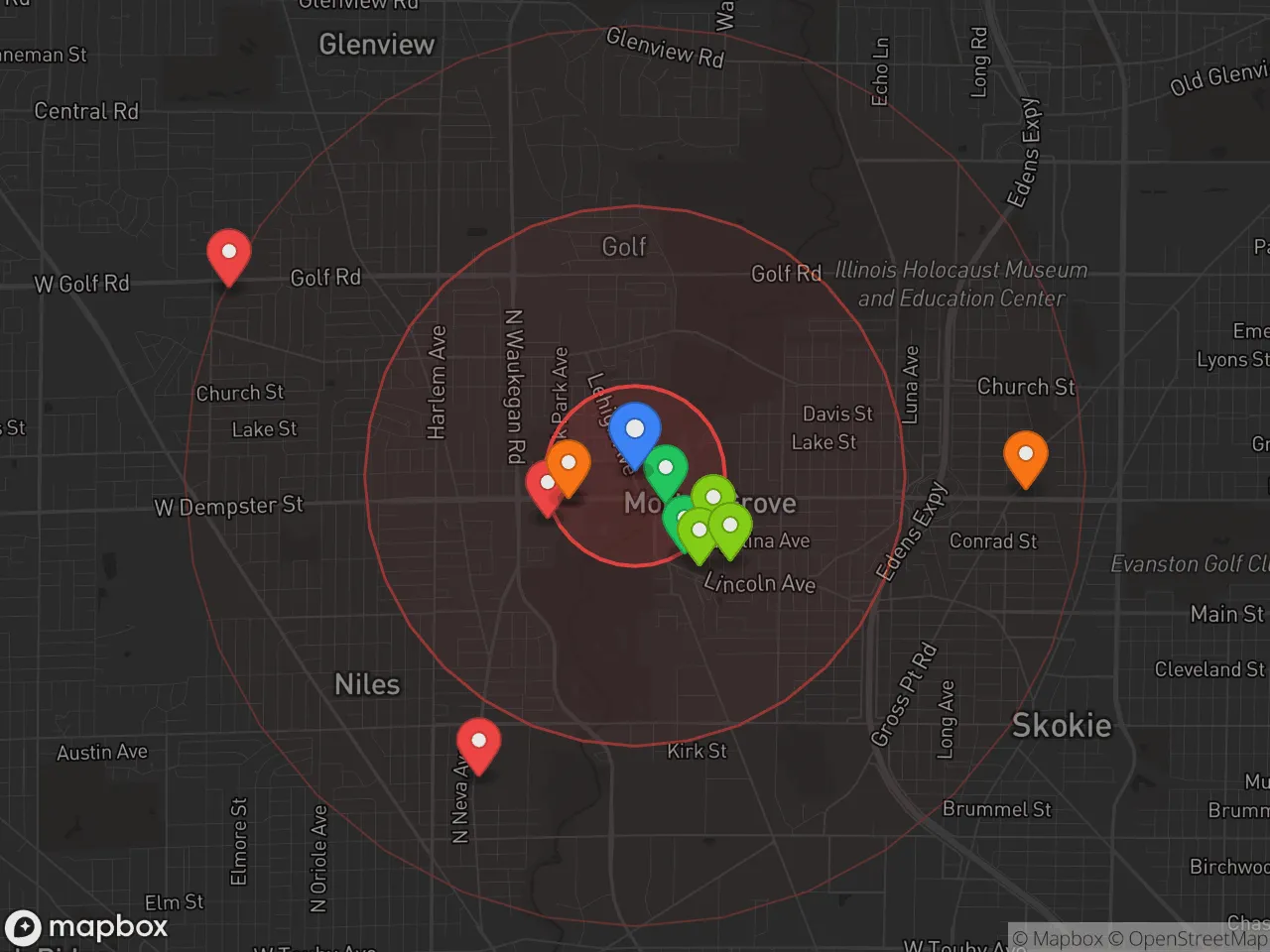
Hobbies
Explore the areaGroceries
0 within 10 miles
Gas
0 within 10 miles
Hospital
0 within 20 miles
Airport
ORD — O'Hare International
Post Office
Critical Amenities
Quality-of-Life Analysis
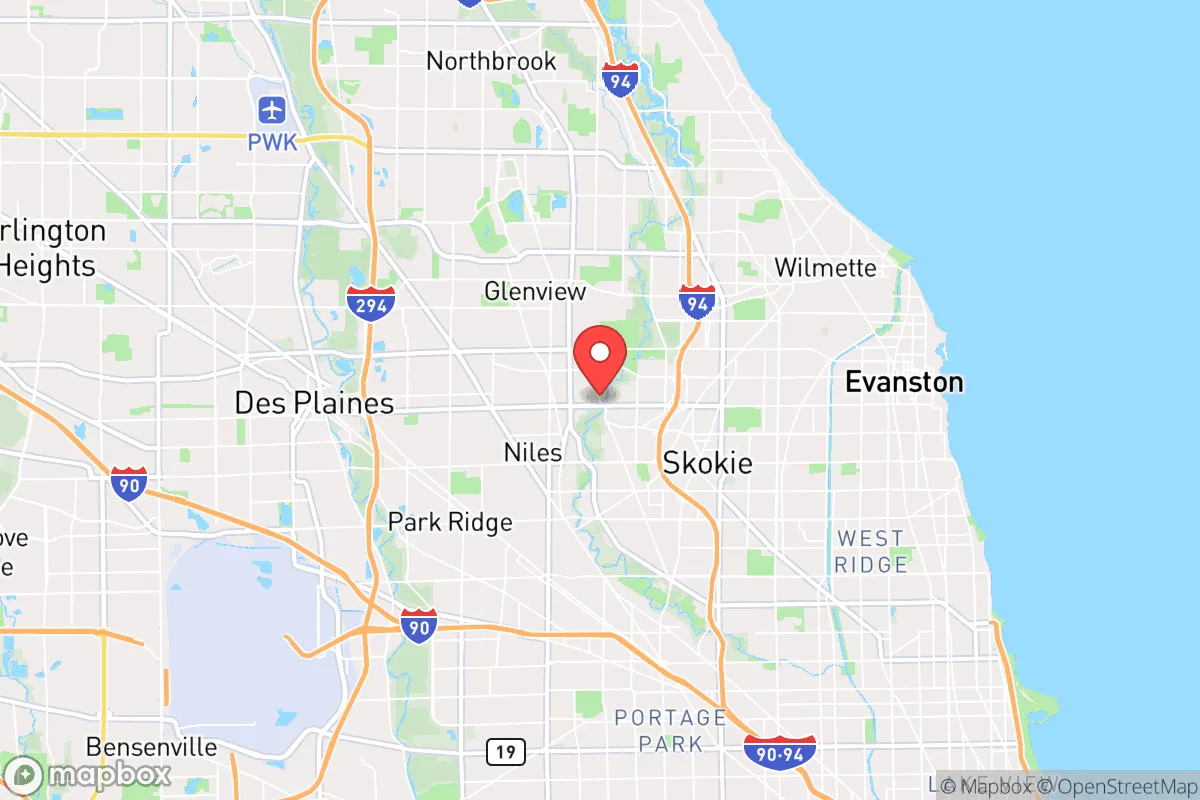
Morton Grove is an affluent, family-oriented suburb roughly 15 miles northwest of downtown Chicago, where the cost of living runs about 68% above the national average (index of 168) and the median home value sits at $377,000. The village of roughly 22,000 residents skews heavily toward established homeowners, many of them second- or third-generation families, alongside a significant Asian-American community concentrated along Dempster Street. It is a quiet, leafy, middle-to-upper-middle-class enclave where the typical resident is a married professional commuting into the city or working at one of the nearby corporate campuses in Skokie, Niles, or Des Plaines.
How Morton Grove housing costs compare to Skokie, Niles, and Park Ridge
Morton Grove's housing market sits in a distinct middle tier among its North Shore-adjacent neighbors. The median home value of $377,000 is noticeably cheaper than Park Ridge (roughly $480,000) but runs about 10-15% higher than nearby Niles and Skokie, where older post-war ranches and cape cods trade in the $320,000-$350,000 range. Renters face a median rent of $2,210, which is on par with Skokie but about $200 less than comparable units in Evanston or Park Ridge. Property taxes are the real affordability wildcard: Cook County assessments mean the effective rate often lands between 2.0% and 2.5% of market value, so a $377,000 home can carry an annual tax bill near $8,000-$9,000. For buyers, the trade-off is clear — you pay less upfront than in Park Ridge or Wilmette, but the monthly carrying cost after taxes and insurance narrows that gap considerably. The average one-way commute of 28.4 minutes reflects the reality that most working residents head into Chicago via the Union Pacific North Metra line (Golf Road station) or drive the Edens Expressway (I-94), which runs along the village's eastern edge.
Schools, parks, and the daily rhythm of village life
Daily life in Morton Grove revolves around a tight network of public amenities that punch above the village's size. The Golf School District 67 (Hynes, Golf, and Park View elementary schools) feeds into Maine Township High School District 207, whose Maine East campus in Park Ridge draws Morton Grove students and consistently ranks among the top 15% of Illinois high schools by test scores. The Park District maintains 18 parks, including the 40-acre Beck Lake and the popular Harrer Park pool complex, while the Morton Grove Public Library on Capulina Avenue anchors a walkable downtown strip of family-run bakeries, the historic Morton Grove Farmers Market (June-October), and the iconic Superdawg drive-in on Milwaukee Avenue. The village's street grid is deliberately residential — wide, tree-lined blocks of mid-century homes with deep lots — and the pace is noticeably slower than neighboring Skokie's commercial corridors. Weekend mornings bring youth soccer at Harrer Park, and the Thursday-night summer concert series at the Village Green draws a reliably local crowd. For groceries, residents split between the Jewel-Osco on Dempster and the sprawling H Mart in Niles for Asian specialty items, reflecting the area's substantial Korean and Filipino populations.
Morton Grove is best suited for buyers and renters who want genuine suburban quiet with a 30-minute rail commute to the Loop, and who are willing to accept Cook County property taxes in exchange for strong schools and a stable, diverse community. Empty-nesters downsizing from larger North Shore homes and young families priced out of Park Ridge or Evanston will find the most value here. Singles seeking nightlife or walkable urban energy should look elsewhere — this is a village built around schools, parks, and front porches, not bars and boutiques.

Crime in Morton Grove, IL
Lower crime rates than 91% of comparable U.S. locations.
Violent CrimeViolent Crime Analysis
Property CrimeProperty Crime Analysis
Crime Analysis
Morton Grove, a village of roughly 23,000 residents in Cook County, reports a violent crime rate of 41.2 incidents per 100,000 people — a figure that places it among the safest communities in the Chicago metropolitan area. Property crime, however, runs higher at 1,037.6 per 100,000, a rate that reflects the village's proximity to major retail corridors and transit routes. The overall safety picture is one of a quiet, family-oriented suburb where serious violent offenses are rare but property-related incidents like theft and burglary require routine vigilance.
Crime in context
Morton Grove's violent crime rate of 41.2 per 100,000 is roughly 85% lower than the national average of approximately 380 per 100,000 and dramatically below Illinois' statewide figure of about 440 per 100,000. The property crime rate of 1,037.6 per 100,000 sits below the national average of roughly 1,950 per 100,000 but is comparable to other inner-ring Cook County suburbs like Skokie and Niles. These figures reflect a community where residents are far more likely to encounter a package theft or a car break-in than a violent confrontation. However, the village operates within Cook County's broader criminal justice system, which is overseen by State's Attorney Kim Foxx and a bench of judges widely regarded as progressive on sentencing and bail reform. Critics of this approach argue that lenient pretrial release policies and reduced sentences for repeat offenders have contributed to a regional environment where property crime persists, even in otherwise safe suburbs like Morton Grove.
What residents experience
For most Morton Grove residents, daily life involves little direct exposure to crime. The village's own police department, which employs roughly 40 sworn officers, maintains a visible presence along major thoroughfares like Dempster Street, Waukegan Road, and Golf Road. The most commonly reported incidents are thefts from unlocked vehicles and package thefts, particularly in the dense residential neighborhoods east of Harlem Avenue and near the Golf Mill shopping center. Retail theft at Golf Mill and surrounding strip malls accounts for a significant share of the property crime statistic. Residents also report occasional catalytic converter thefts and garage burglaries, crimes that tend to spike during economic downturns. Violent incidents are rare and typically involve domestic disputes or altercations between known parties rather than random attacks on strangers.
Neighborhood-level variation is modest but noticeable. The single-family home districts west of Waukegan Road, particularly around Harrer Park and the Morton Grove Historical Museum, experience the lowest incident rates in the village. The multifamily apartment complexes near the Dempster Street Metra station and the commercial zones along Golf Road see slightly higher property crime activity, driven largely by foot traffic and transit access. Overall, Morton Grove remains a statistically safe suburb, but residents should take standard precautions — locking vehicles, securing packages, and reporting suspicious activity — to mitigate the property crime that does occur.
* Values derived from national, state, county, city and local statistics and may differ in a specific area. Last updated: 2026-10-21T01:16:13.000Z
Narrative content on this page is AI-generated and may contain mistakes. Verify any details that matter before acting on them.
ReloMaps may earn a commission from affiliate links at no extra cost to you.

