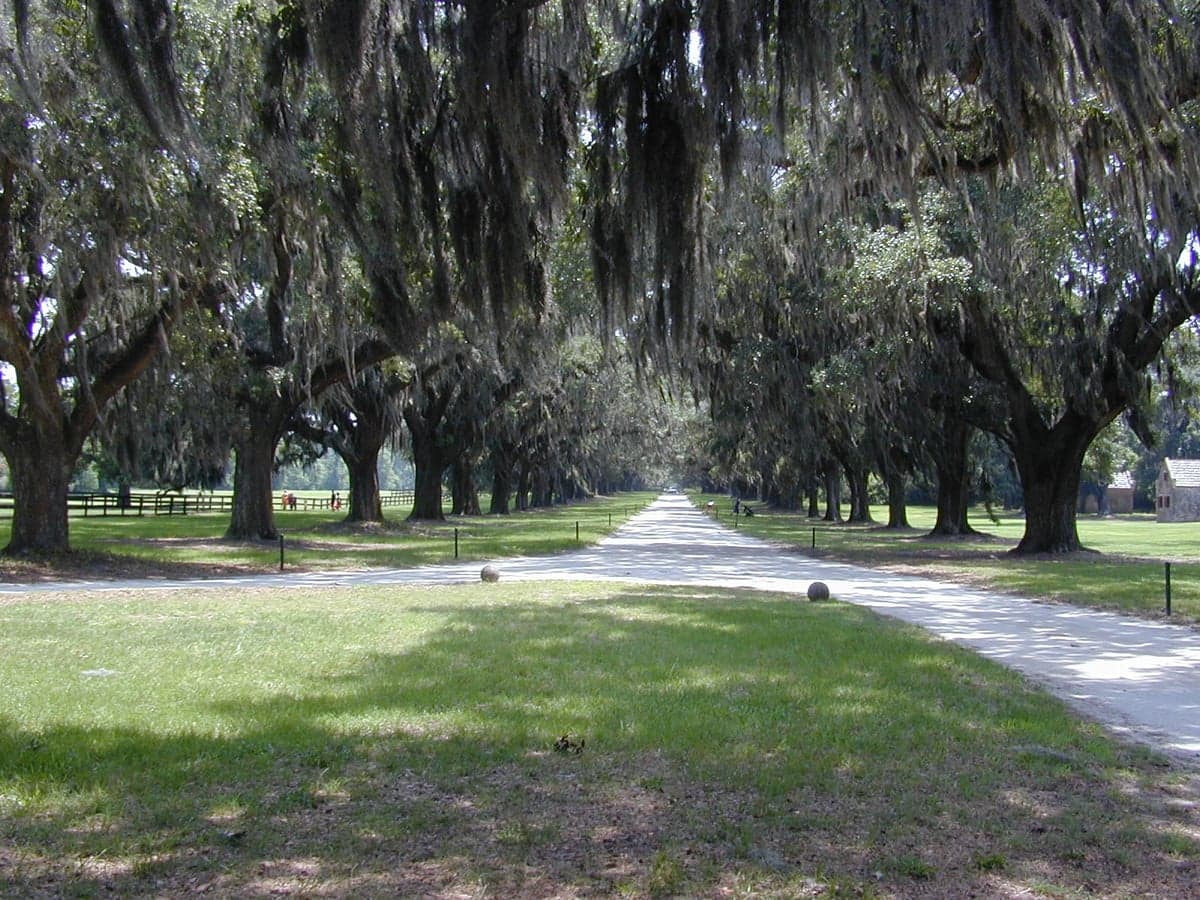
Photo: Wikipedia
Political ClimatePolitical Climate in Mount Pleasant, SC
District shown is the primary district for this city’s centroid. Cities may span multiple districts.
Local Political AnalysisPolitical Analysis of Mount Pleasant, SC
Mount Pleasant has long been a reliably conservative stronghold in the Lowcountry, and while the numbers still lean that way—with a Cook PVI of R+6—anyone who’s lived here more than a decade can feel the political ground shifting under their feet. The town’s reputation as a safe, family-oriented suburb with a strong military and business community has traditionally meant a vote for smaller government and local control. But as Charleston’s influence creeps north and new transplants arrive from blue states, the old-school conservative vibe is increasingly bumping up against a more progressive, government-heavy agenda.
How it compares
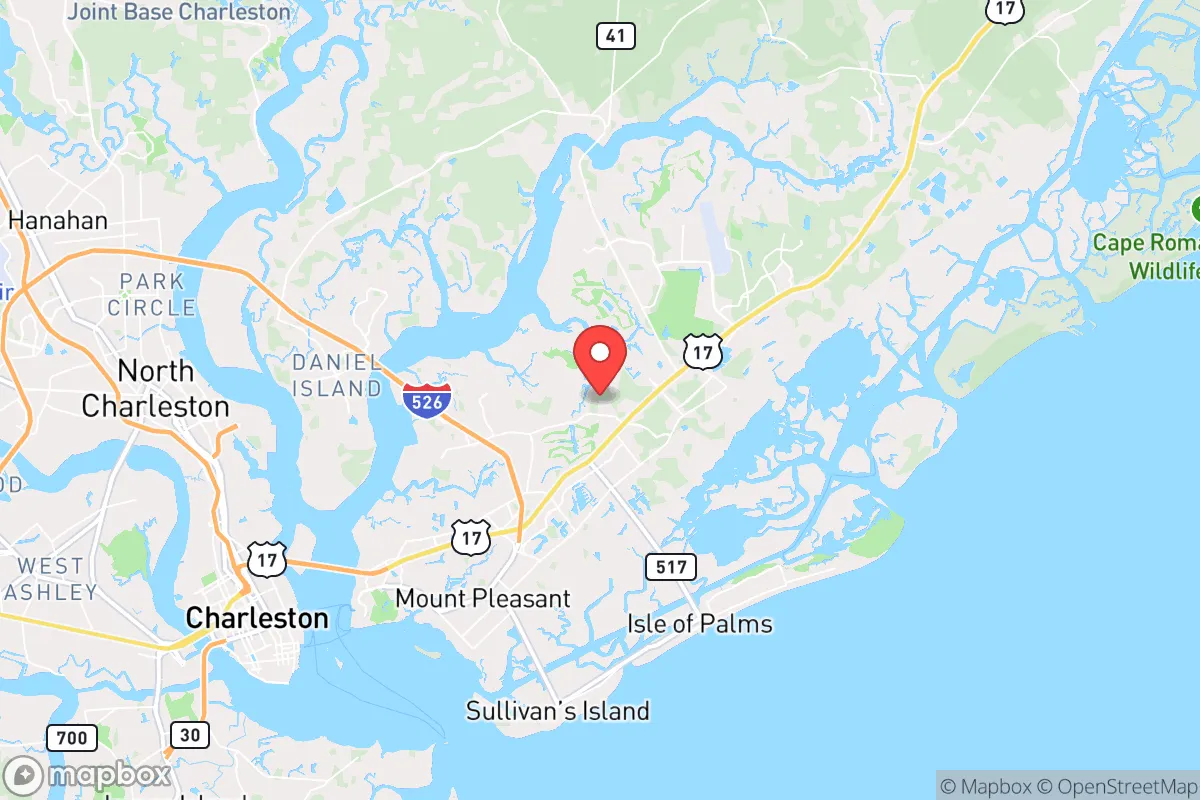
Drive ten miles south into downtown Charleston, and you’re in a different political universe—a place where city council debates often tilt toward bike lanes, historic preservation mandates, and higher density zoning that feels like a blueprint for government-managed living. Head west across the Cooper River to North Charleston, and you’ll find a more working-class, mixed political landscape, but one where local taxes and regulations have crept up steadily. Meanwhile, towns like Summerville and Moncks Corner to the northwest still hold a more traditional, hands-off approach to governance. Mount Pleasant sits right in the middle, but the worry among longtime residents is that it’s drifting toward the Charleston model: more rules, more fees, and less room for personal choice in how you use your property or run your business.
What this means for residents
For folks who moved here to enjoy a quieter, more self-reliant lifestyle, the biggest red flag is the slow creep of government overreach into everyday decisions. The town council has flirted with stricter short-term rental regulations, tighter building codes, and even debates over mask mandates that felt like a preview of a more intrusive local government. Property taxes have inched up as the town expands services, and there’s a growing push for more public transit and bike infrastructure—things that sound nice on paper but often come with new fees and lost parking. The real concern is that as Mount Pleasant grows, the political center of gravity could shift further left, especially if younger, more progressive voters continue to move in from out of state. That R+6 rating might not hold forever, and a move toward a more activist local government could mean less freedom for residents to make their own choices about their homes, their businesses, and their families.
Culturally, Mount Pleasant still feels like a place where neighbors know each other and the Fourth of July parade is a bigger deal than any city council meeting. But there’s a quiet tension between the old guard—who remember when you could build a dock without three permits—and the newcomers who see government as a tool to shape the community. The policy battles that matter most here aren’t about national politics; they’re about whether you can rent out your beach house for a week without a license, or whether a new development gets approved without a dozen public hearings. For now, the conservative majority holds, but the trajectory is worth watching. If you value local control and minimal interference, Mount Pleasant is still a good bet—but keep an eye on the ballot box, because the next few election cycles will tell you everything about where this town is headed.

State Political ClimatePolitical Climate in South Carolina
State Political AnalysisPolitical Environment in the State
South Carolina has long been a reliably red state in presidential elections, but the real story is more nuanced than the simple "red state" label suggests. The state has shifted rightward over the past decade, driven by explosive growth in the Upstate and coastal suburbs, while the Lowcountry and a few urban pockets have become more competitive. In 2024, Donald Trump won the state by roughly 18 points, a margin that has held steady since 2016, but beneath the surface, the political coalitions are changing fast — and not always in ways that favor traditional conservatism.
Urban vs. rural divide
The political map of South Carolina is a tale of three regions. The Upstate, anchored by Greenville and Spartanburg, is the state's conservative engine. These counties vote Republican by 20-30 points, driven by a booming manufacturing and tech economy, a strong evangelical presence, and an influx of retirees and remote workers from the Northeast. The Columbia metro area (Richland and Lexington counties) is a split: Lexington County is deep red, while Richland County, home to the state capital and the University of South Carolina, is reliably blue. The Lowcountry, centered on Charleston and Mount Pleasant, has become a political battleground. Charleston County itself is now competitive — it went for Biden in 2020 by 6 points — but the surrounding suburban and exurban areas like Summerville and Goose Creek remain solidly Republican. The rural black belt counties along the I-95 corridor, like Allendale and Orangeburg, vote overwhelmingly Democratic but have shrinking populations. The real story is the suburban shift: places like Bluffton in Beaufort County and Fort Mill in York County are growing fast and trending more conservative as new arrivals seek lower taxes and less regulation.
Policy environment
South Carolina's policy environment is broadly conservative, but with some notable wrinkles. The state has a flat income tax of 3% (down from 7% in 2022, with a scheduled phase-down to 2.5% by 2026), and no state property tax on vehicles. The sales tax is 6% at the state level, with local options that can push it to 9% in some counties. The regulatory climate is business-friendly: South Carolina is a right-to-work state with no state-level minimum wage above the federal $7.25, and it has one of the lowest unionization rates in the country. On education, the state has a robust school choice program — the Education Scholarship Trust Fund, expanded in 2024, provides up to $7,000 per child for private school tuition, tutoring, or homeschooling expenses. Healthcare is a mixed bag: the state did not expand Medicaid under the ACA, and the individual insurance market is thin in rural areas. Election laws have tightened: voter ID is required, early voting was expanded to two weeks in 2024, but absentee voting requires an excuse. The state also passed a six-week abortion ban in 2023, with no exceptions for rape or incest, which has become a major flashpoint.
Trajectory & freedom
On balance, South Carolina has been moving in a more freedom-oriented direction over the past five years, particularly on fiscal and educational issues. The income tax cuts are real and meaningful — the state is on track to have one of the lowest flat tax rates in the Southeast. The expansion of school choice via the Education Scholarship Trust Fund is a significant win for parental rights. On gun rights, the state passed constitutional carry in 2024, allowing permitless concealed carry for anyone 18 or older who can legally possess a firearm. However, there are areas of concern for liberty-minded residents. The state's medical marijuana program remains stalled in the legislature, and there is no recreational cannabis. Property taxes, while low on vehicles, can be high on real estate in fast-growing counties like York and Beaufort, where reassessments have led to sticker shock. The state also maintains a strict alcohol control system — no Sunday sales before noon in many counties, and no direct-to-consumer wine shipping. On the cultural front, the state passed a "Parents' Bill of Rights" in 2023, requiring schools to notify parents of any changes to a student's health or well-being, and banning instruction on sexual orientation and gender identity in K-5 classrooms. These moves have been popular with conservatives but have drawn legal challenges.
Civil unrest & political movements
South Carolina has not seen the level of civil unrest seen in larger states, but there have been flashpoints. The 2020 Black Lives Matter protests in Charleston and Columbia were large but largely peaceful, though there were isolated incidents of property damage. The state's political movements are dominated by the conservative grassroots — the South Carolina Freedom Caucus, a hardline faction in the state House, has been a major force pushing for school choice, tax cuts, and restrictions on transgender athletes. On the left, the Indivisible movement has a presence in Charleston and Columbia, but it remains a minority voice. Immigration politics are less heated than in border states, but there is a growing concern about the influx of migrants through the southern border, with some local sheriffs in Spartanburg and Greenville publicly cooperating with ICE. There is no sanctuary city policy anywhere in the state — in fact, a 2024 law requires all law enforcement to cooperate with federal immigration authorities. Election integrity remains a live issue: the state's voter ID law is among the strictest in the nation, and there have been ongoing debates about the security of electronic voting machines, though no major scandals have emerged.
Projection
Over the next 5-10 years, South Carolina is likely to become more, not less, conservative, but the flavor of that conservatism is shifting. The in-migration from the Northeast and Midwest — particularly to the Greenville-Spartanburg corridor and the Myrtle Beach area — is bringing people who are fiscally conservative but socially moderate. This could create tension with the more culturally conservative native population, especially on issues like alcohol laws, Sunday sales, and marijuana. The state's Republican Party is currently split between the establishment wing (aligned with Senator Tim Scott and Governor Henry McMaster) and the populist Freedom Caucus wing (aligned with Representative Russell Fry). This internal battle will shape the next few legislative sessions. Demographically, the state is growing older and whiter in the coastal and Upstate areas, while the rural black belt continues to lose population. This will likely entrench Republican dominance at the state level, but could make some suburban House districts more competitive. The wild card is the impact of climate change on the coast — rising sea levels and stronger hurricanes could slow growth in Charleston and Beaufort, pushing development further inland.
For a new resident, the bottom line is this: South Carolina offers a low-tax, business-friendly environment with strong protections for gun rights and parental control over education. The political culture is stable and broadly conservative, but it's not a monolith — the Upstate is more culturally traditional, the Lowcountry is more libertarian-leaning, and the rural areas are a mix of old-school Southern Democrats and Trump Republicans. If you're moving here, expect to pay attention to local county politics, because that's where the real action is — school boards, county councils, and zoning commissions have outsized influence on your daily life. The state is trending in a freedom-friendly direction, but it's not a libertarian paradise: the alcohol laws are archaic, the property tax system can surprise you, and the healthcare options in rural areas are limited. Overall, it's a solid choice for someone who values low taxes, school choice, and a culture that respects individual liberty, but you'll need to pick your county carefully to match your specific priorities.
* Values derived from national, state, county, city and local statistics and may differ in a specific area. Last updated: 2026-04-29T22:15:30.000Z
Narrative content on this page is AI-generated and may contain mistakes. Verify any details that matter before acting on them.
ReloMaps may earn a commission from affiliate links at no extra cost to you.

