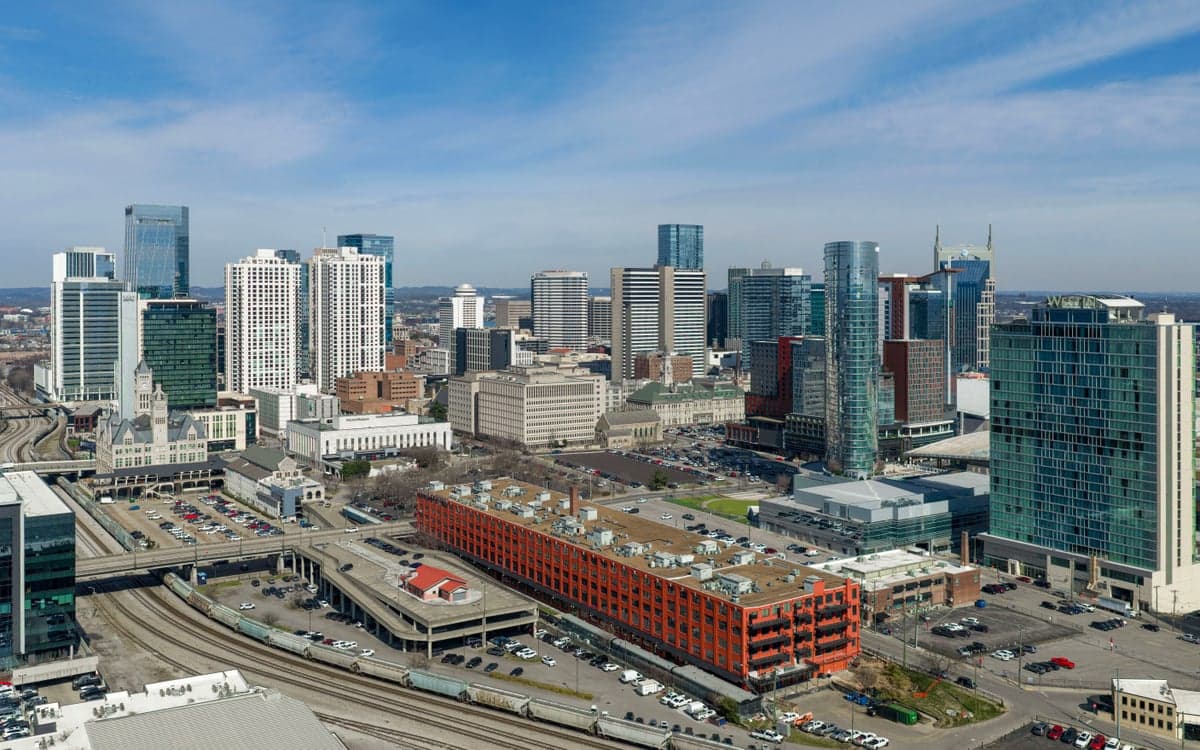
Photo: Wikipedia
Quality of Life in Nashville, TN
Above-average quality of iife. The area offers a reasonable cost of living, decent mobility, and a mix of neighborhood amenities.
What does Quality of Life tell us?
Quality of Life blends cost of living, nearby amenities, socioeconomic signals, and neighborhood character. City-level scores represent the whole municipality; individual neighborhoods can differ.
What does this tell us?
Quality of Life blends cost of living, nearby amenities, socioeconomic signals, and neighborhood character. City-level scores represent the whole municipality; individual neighborhoods can differ.
Cost of Living
31% above national average
The Real Cost of Living in Nashville, TN for 2026
| Tier | Individual | Family (4) |
|---|---|---|
| Survival | $24k | $45k |
| Comfortable | $74k | $109k |
| Luxury | $136k+ | $211k+ |
| Elite (Top 5%) | $178k+ | $276k+ |
69%
The Area Signal
A metric tracking the socioeconomic signals of the area.
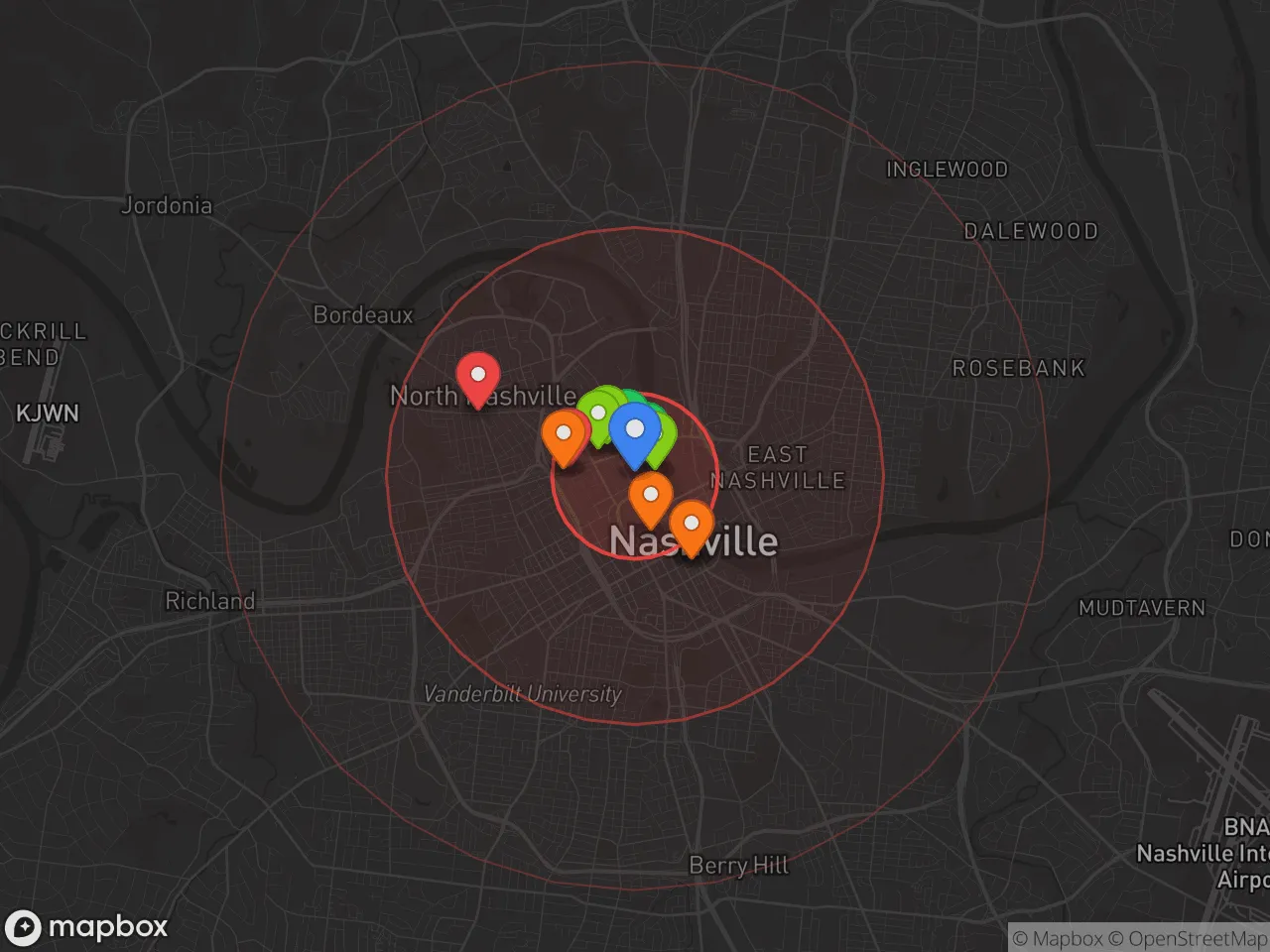
Hobbies
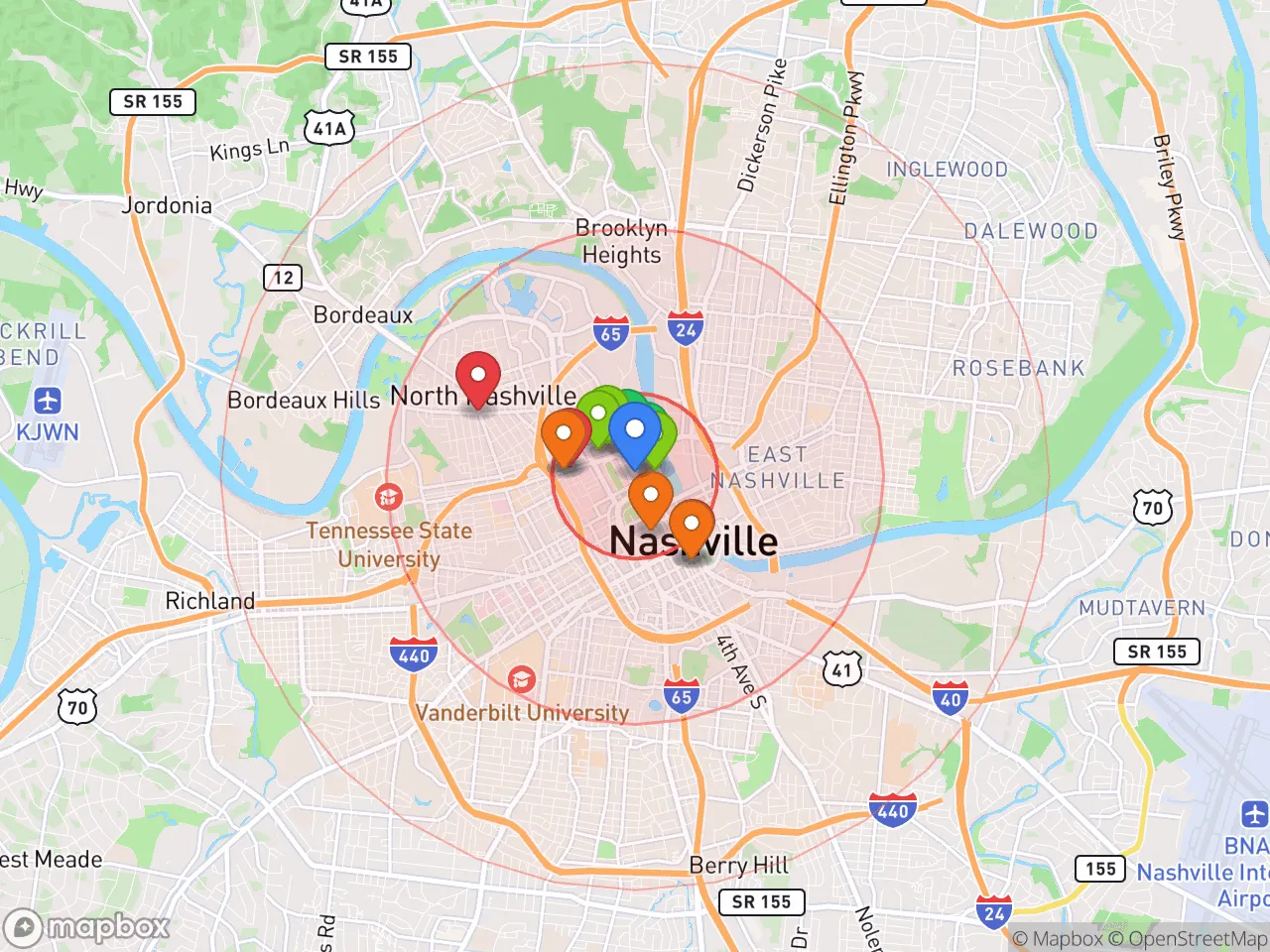
Explore the areaGroceries
5 within 10 miles
Gas
20 within 10 miles
Hospital
20 within 20 miles
Airport
BNA — Nashville International
Post Office
USPS — Nashville, TN
Critical Amenities
Quality-of-Life Analysis
Nashville, Tennessee, attracts a diverse mix of residents—from young professionals and creative-class workers to established families and retirees—drawn by its booming economy and cultural cachet. The city’s cost of living index of 131 (100 = U.S. average) signals a notably higher expense burden than the national norm, placing it among the pricier metros in the Southeast. This affluence is reflected in a median household income that consistently outpaces the state average, supporting a population that skews toward higher-earning professionals in healthcare, music, and tech sectors.
Cost of living, housing affordability, and how Nashville compares to nearby areas
Nashville’s housing market is the primary driver of its elevated cost of living. The median home value sits at $383,100, roughly 70% above the national median, while median rent is $1,486—a figure that has climbed sharply since 2020. Compared to peer Southern cities, Nashville is more expensive than Atlanta (COL 102) or Charlotte (COL 98) but remains cheaper than Austin (COL 145) or Miami (COL 135). Within the metro area, suburbs like Franklin and Brentwood push home values above $600,000, while more affordable options exist in Antioch or Madison, where median rents can fall below $1,200. The average commute of 24.9 minutes is slightly below the national average of 26.4 minutes, though traffic congestion on I-40 and I-65 has worsened, pushing some workers toward longer drives from outlying counties like Wilson or Rutherford.
Amenities, schools, and what daily life is like for families and professionals
Daily life in Nashville balances urban energy with accessible green space. The city’s public school system, Metro Nashville Public Schools, serves roughly 80,000 students and includes magnet programs like Hume-Fogg Academic High School (ranked among the top 5% nationally) and Martin Luther King Jr. Magnet School. For families, the presence of over 100 parks—including the 808-acre Percy Warner Park and the newly expanded Centennial Park—provides recreation without long drives. Professionals benefit from a robust food scene (over 1,200 restaurants) and a live-music infrastructure that extends beyond Broadway’s honky-tonks to venues like the Ryman Auditorium and the Bluebird Cafe. The city’s walkability is limited to core neighborhoods like the Gulch and 12South; most residents rely on cars, though the WeGo Star commuter rail offers a rail option from Lebanon and Donelson. Healthcare access is strong, anchored by Vanderbilt University Medical Center, a top-20 hospital nationally, and the HCA Healthcare headquarters.
Nashville is best suited for professionals and families who prioritize career opportunity and cultural vibrancy over low housing costs. The city’s job market—led by healthcare (HCA, Vanderbilt), music industry (BMI, Sony Music), and a growing tech sector (Amazon’s Operations Center of Excellence)—offers salaries that can offset the high COL for those in skilled roles. Retirees on fixed incomes may find the housing market challenging, but the absence of state income tax and a mild climate (average January high of 47°F) remain draws. For newcomers, the key trade-off is clear: Nashville delivers a dynamic, amenity-rich lifestyle at a price point that demands either a strong local salary or a willingness to commute from more affordable suburbs.

Crime in Nashville, TN
Higher crime rates than 58% of comparable U.S. locations.
Violent CrimeViolent Crime Analysis
Property CrimeProperty Crime Analysis
Crime Analysis
Nashville’s overall safety picture is mixed: the city’s violent crime rate of 490.5 per 100,000 residents is roughly 30% higher than the national average, while its property crime rate of 1,640.7 per 100,000 exceeds the national figure by about 40%. These numbers place Nashville among the more dangerous large metro areas in the South, a reality shaped by both regional trends and local criminal justice policies.
Crime in context
Compared to Tennessee’s statewide violent crime rate of roughly 620 per 100,000, Nashville’s 490.5 figure is actually lower, but the city still outpaces the national violent crime average of about 380 per 100,000. Property crime in Nashville is similarly elevated: the state average sits near 2,200 per 100,000, meaning Nashville’s 1,640.7 is below the state mark but well above the national property crime rate of roughly 1,150 per 100,000. These comparisons highlight that while Nashville is safer than many rural and small-town parts of Tennessee, it remains a higher-risk environment than the typical U.S. city. A key factor is the progressive orientation of Davidson County’s judiciary, including District Attorney Glenn Funk, who has implemented policies such as declining to prosecute certain low-level drug offenses and advocating for reduced cash bail. Critics argue these reforms, while intended to reduce incarceration, have contributed to a revolving-door justice system that emboldens repeat offenders and undermines public safety.
What residents experience
For residents, the elevated crime rates translate into tangible daily concerns. Property crime—especially vehicle break-ins, package theft, and residential burglaries—is the most common offense, particularly in neighborhoods near downtown and major tourist corridors like Broadway and Music Row. Violent crime, while less frequent, is concentrated in specific areas: the North Nashville, Bordeaux, and South Nashville precincts report the highest rates of aggravated assault and robbery. Many residents report feeling safe in their immediate neighborhoods during the day but avoid certain streets after dark. The presence of progressive district attorneys and judges who prioritize diversion programs and reduced sentencing means that offenders often face minimal consequences for repeat property crimes, a pattern that frustrates victims and erodes trust in the justice system.
Neighborhood-level variation
Safety varies dramatically by neighborhood. Affluent areas like Belle Meade, Forest Hills, and parts of Green Hills have violent crime rates below 100 per 100,000, while lower-income neighborhoods such as Edgehill, the Buena Vista area, and parts of Antioch see rates exceeding 800 per 100,000. The disparity is driven largely by socioeconomic factors and policing resources, but also by the uneven application of progressive criminal justice policies—wealthier neighborhoods often benefit from private security patrols and faster police response times. For prospective residents, choosing a neighborhood with a strong homeowners’ association and proximity to police substations can mitigate risk, but the overall trend in Nashville is one of rising crime, particularly in areas where the justice system’s leniency has the most direct impact on public safety.
* Values derived from national, state, county, city and local statistics and may differ in a specific area. Last updated: 2026-04-22T01:24:46.000Z
Narrative content on this page is AI-generated and may contain mistakes. Verify any details that matter before acting on them.
ReloMaps may earn a commission from affiliate links at no extra cost to you.

