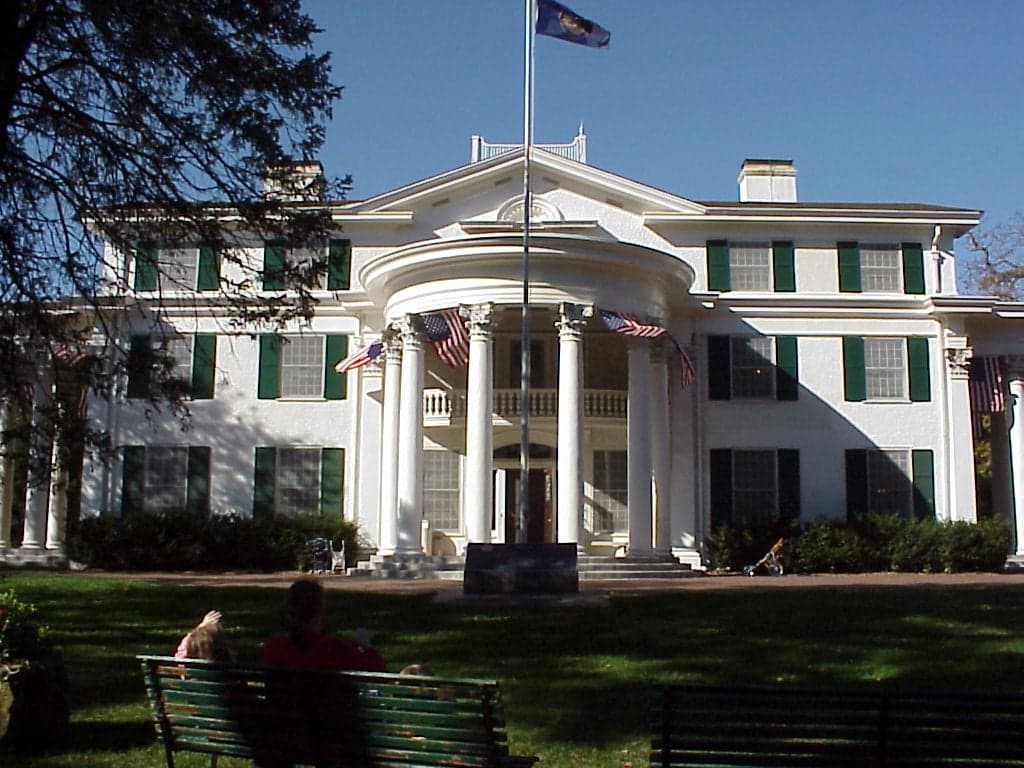
Photo: Wikipedia
Quality of Life in Nebraska City, NE
A high quality of life with strong walkability, manageable living costs, healthy neighborhood signals, and solid amenity access.
What does Quality of Life tell us?
Quality of Life blends cost of living, nearby amenities, socioeconomic signals, and neighborhood character. City-level scores represent the whole municipality; individual neighborhoods can differ.
What does this tell us?
Quality of Life blends cost of living, nearby amenities, socioeconomic signals, and neighborhood character. City-level scores represent the whole municipality; individual neighborhoods can differ.
Cost of Living
32% below national average
The Real Cost of Living in Nebraska City, NE for 2026
| Tier | Individual | Family (4) |
|---|---|---|
| Survival | $15k | $27k |
| Comfortable | $29k | $42k |
| Luxury | $113k+ | $176k+ |
| Elite (Top 5%) | $133k+ | $207k+ |
161%
The Area Signal
A metric tracking the socioeconomic signals of the area.
Hobbies
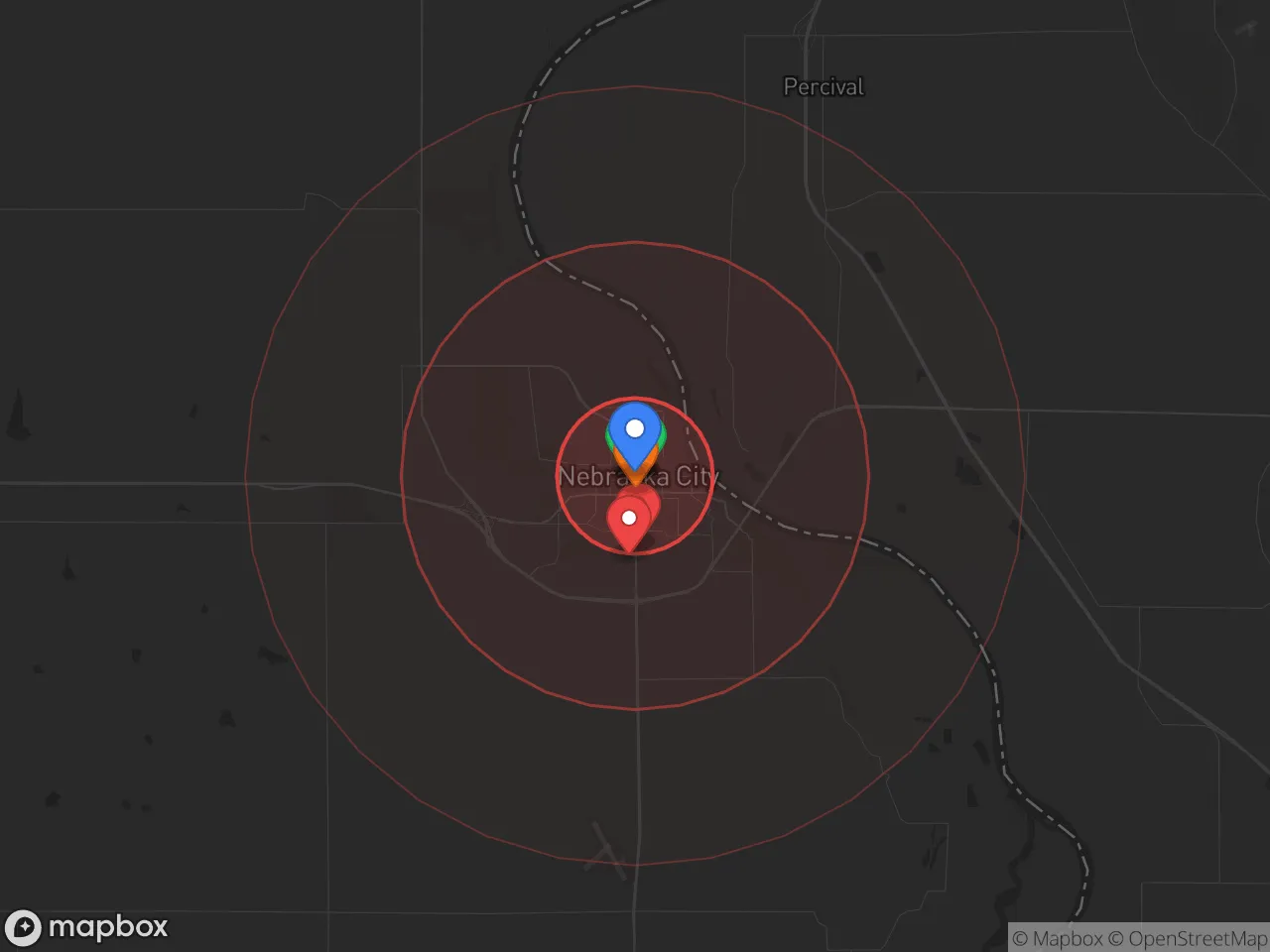
Explore the areaGroceries
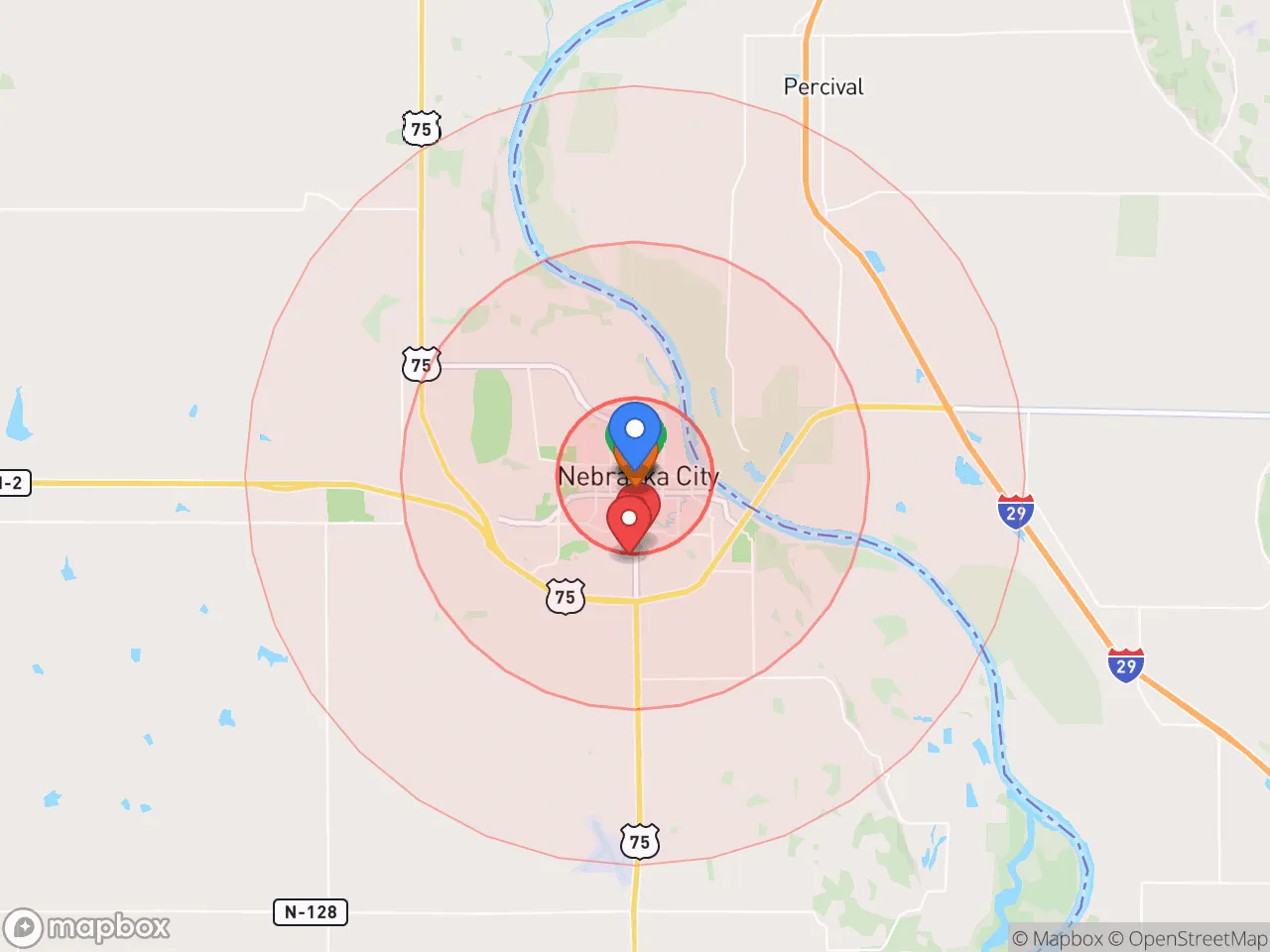
2 within 10 miles
Gas
10 within 10 miles
Hospital
5 within 20 miles
Airport
MCI — Kansas City International
Post Office
USPS — 506 Central Avenue, Nebraska
Critical Amenities
Quality-of-Life Analysis
Nebraska City offers a notably affordable quality of life, with a cost of living index of 68—32% below the national average—making it one of the more budget-friendly communities in the state. The population of roughly 7,200 is a mix of long-standing agricultural families, professionals commuting to nearby Lincoln and Omaha, and retirees drawn to the quiet pace and lower expenses. Median household incomes hover around $55,000, reflecting a working- and middle-class base where homeownership is attainable for most earners.
Cost of living, housing affordability, and how it compares to Lincoln and Omaha
Housing is the primary driver of Nebraska City’s low cost of living. The median home value sits at $147,800, roughly half the national median and significantly below the Omaha metro average of about $240,000. Median rent is $910 per month, which undercuts Lincoln’s average rent by nearly $300. Property taxes in Otoe County are moderate, and utilities remain below the U.S. average. The average commute of 18.8 minutes is short, reflecting the town’s compact layout and the fact that many residents work locally in manufacturing, healthcare, or retail. For those who do commute to Lincoln (45 minutes east) or Omaha (50 minutes north), the trade-off of lower housing costs for a longer drive is a common calculus.
What daily life is like for families: schools, amenities, and local rhythm
Daily life in Nebraska City centers on a walkable downtown, the Missouri River bluffs, and a calendar of community events like the annual AppleJack Festival. The Nebraska City Public Schools system serves roughly 1,400 students, with an average student-teacher ratio of 14:1 and a graduation rate near 90%. For healthcare, CHI Health St. Mary’s provides emergency and primary care, though specialists require a trip to Lincoln. Groceries, dining, and retail are concentrated along Central Avenue and Highway 2; for big-box shopping or entertainment, most residents drive to Lincoln or Omaha. Outdoor recreation includes the 1,500-acre Arbor Day Farm, the Steinhart Park trail system, and riverfront access for fishing and boating. The pace is slow and neighborly—most errands can be done in 15 minutes, and traffic is rarely a concern.
Nebraska City is best suited for people who prioritize low housing costs, a tight-knit community, and a slower rhythm over urban amenities and career density. Retirees on fixed incomes, remote workers who can tolerate a 45-minute drive to a major airport, and families seeking a safe, affordable place to raise children will find the most value here. Professionals who require daily access to Lincoln or Omaha will need to budget for commuting time, but the financial savings in housing and daily expenses are substantial enough to offset the drive for many households.

Crime in Nebraska City, NE
Lower crime rates than 88% of comparable U.S. locations.
Violent CrimeViolent Crime Analysis
Property CrimeProperty Crime Analysis
Crime Analysis
Nebraska City presents a mixed safety profile for potential residents. While the city's violent crime rate of 131.5 incidents per 100,000 residents is notably lower than the national average, its property crime rate of 894 per 100,000 exceeds both state and national benchmarks, making property-related offenses the primary safety concern for most households.
Crime in context
Nebraska City's violent crime rate sits well below the U.S. average of roughly 380 per 100,000, placing it in a safer tier for serious offenses like assault, robbery, and homicide. However, the property crime rate is approximately 30% higher than the Nebraska state average and about 15% above the national figure. This disparity means residents face a heightened risk of burglary, theft, and motor vehicle theft compared to other communities of similar size in the region. The city's location along the Missouri River and its role as a regional hub for tourism and agriculture likely contribute to transient traffic that can correlate with property crime.
What residents experience
For those living in Nebraska City, the day-to-day reality is one of low violent confrontation but persistent property crime. Larceny-theft accounts for the bulk of property incidents, often targeting unlocked vehicles, outdoor equipment, and construction materials. Residents in older neighborhoods near the downtown core or along Highway 2 may notice higher incident density. The Otoe County Sheriff's Office and Nebraska City Police Department both patrol the area, but response times can vary in outlying parts of the city. It is important to note that Nebraska's judicial system, while not as progressive as those in large coastal metro areas, still reflects a state-level trend toward rehabilitation over incarceration for non-violent property offenders. This approach, while intended to reduce recidivism, can result in shorter sentences and more frequent return of convicted property criminals to the community, which may concern residents seeking stricter deterrence.
Neighborhood-level variation in Nebraska City is modest but discernible. The area around Arbor Lodge State Historical Park and the newer subdivisions on the city's west side generally report fewer incidents, while older rental-heavy blocks near the industrial district and along Central Avenue see higher property crime counts. Prospective residents should consult the Otoe County Sheriff's online crime mapping tool and consider a personal visit at different times of day to gauge local conditions. Overall, Nebraska City offers a low-violence environment but demands standard urban precautions—secure storage of valuables, good exterior lighting, and neighborhood watch participation—to mitigate the elevated property crime risk.
* Values derived from national, state, county, city and local statistics and may differ in a specific area. Last updated: 2026-09-21T19:02:29.000Z
Narrative content on this page is AI-generated and may contain mistakes. Verify any details that matter before acting on them.
ReloMaps may earn a commission from affiliate links at no extra cost to you.

