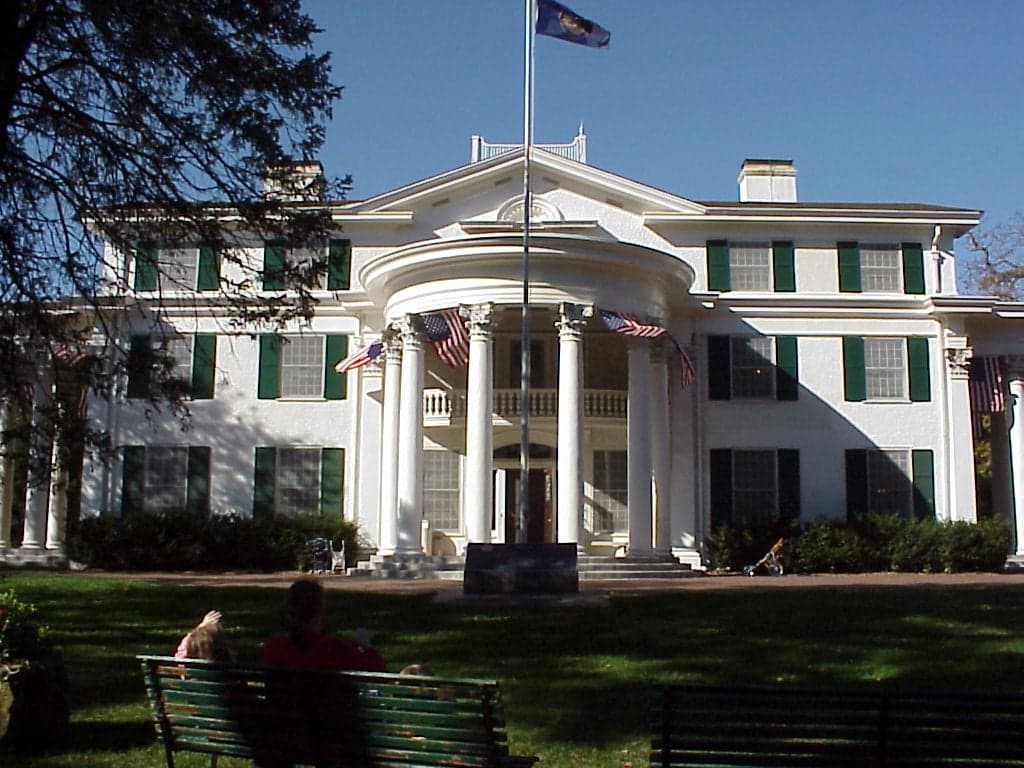
Photo: Wikipedia
Strategic Assessment of Nebraska City, NE
Strong survivability profile. Good buffer from population centers, with manageable environmental and tactical risks.
What does the Strategic Assessment tell us?
Our Strategic Assessment grades tactical survivability of an area. Major population centers, military targets, fallout zones, natural disasters, and border exposure all drive risk — lower exposure means a more defensible position in a crisis.
This is heavily inspired by Joel Skousen's Strategic Relocation book. Highly recommended you checkout the book ($)What does this tell us?
Our Strategic Assessment grades tactical survivability of an area. Major population centers, military targets, fallout zones, natural disasters, and border exposure all drive risk — lower exposure means a more defensible position in a crisis.
This is heavily inspired by Joel Skousen's Strategic Relocation book. Highly recommended you checkout the book ($)Strategic Pillars

Key Distances
Regional Safe Places
Below is our recommended "safe zones" in Nebraska and the surrounding area based on our strategic heuristics. For most people, it's unrealistic to live in a “safe zone” full-time due to work, family or other personal reasons. They tend to be more rural. However, many of these areas are perfect for second homes and retreat properties that double as a vacation home or even a short-term rental.
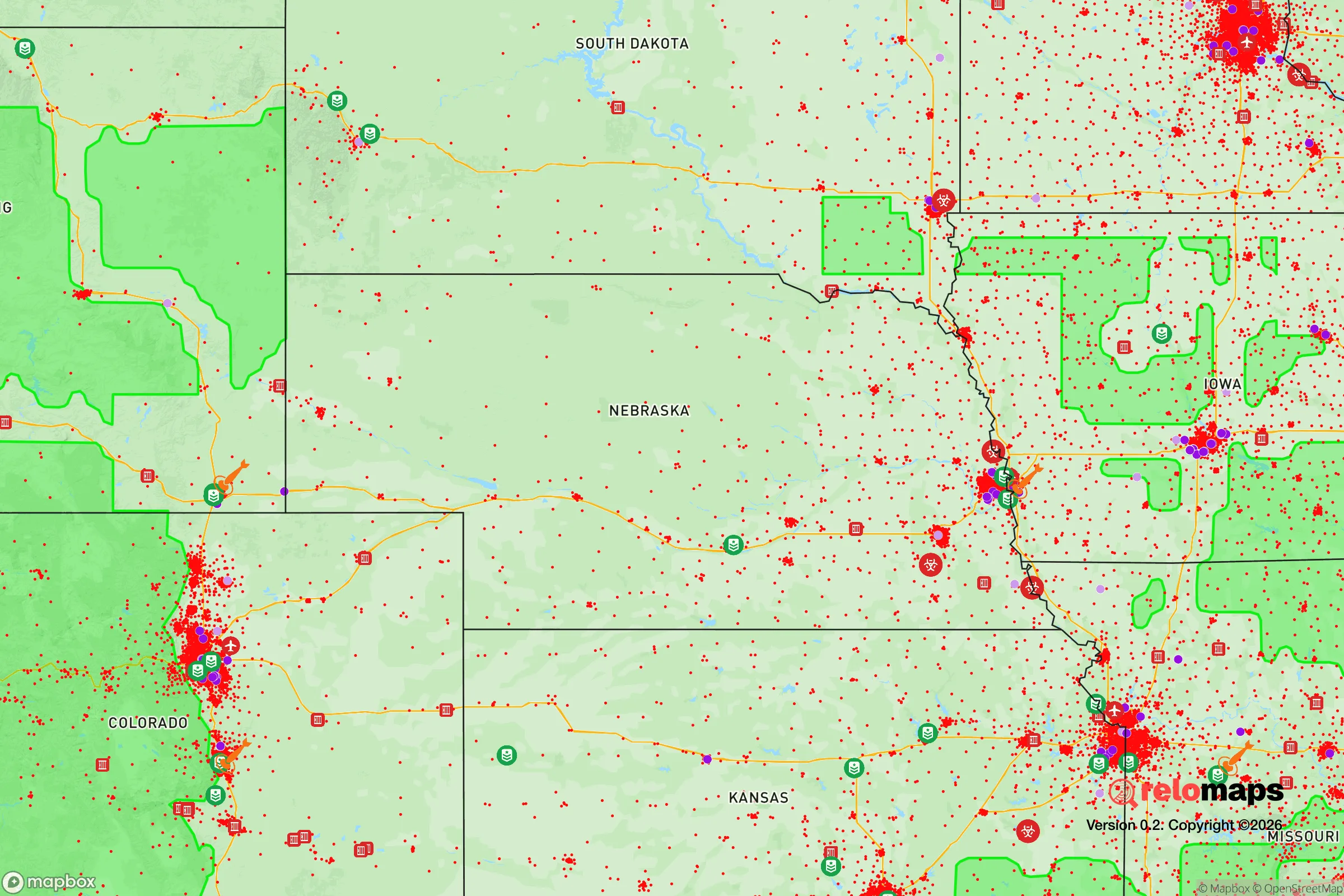
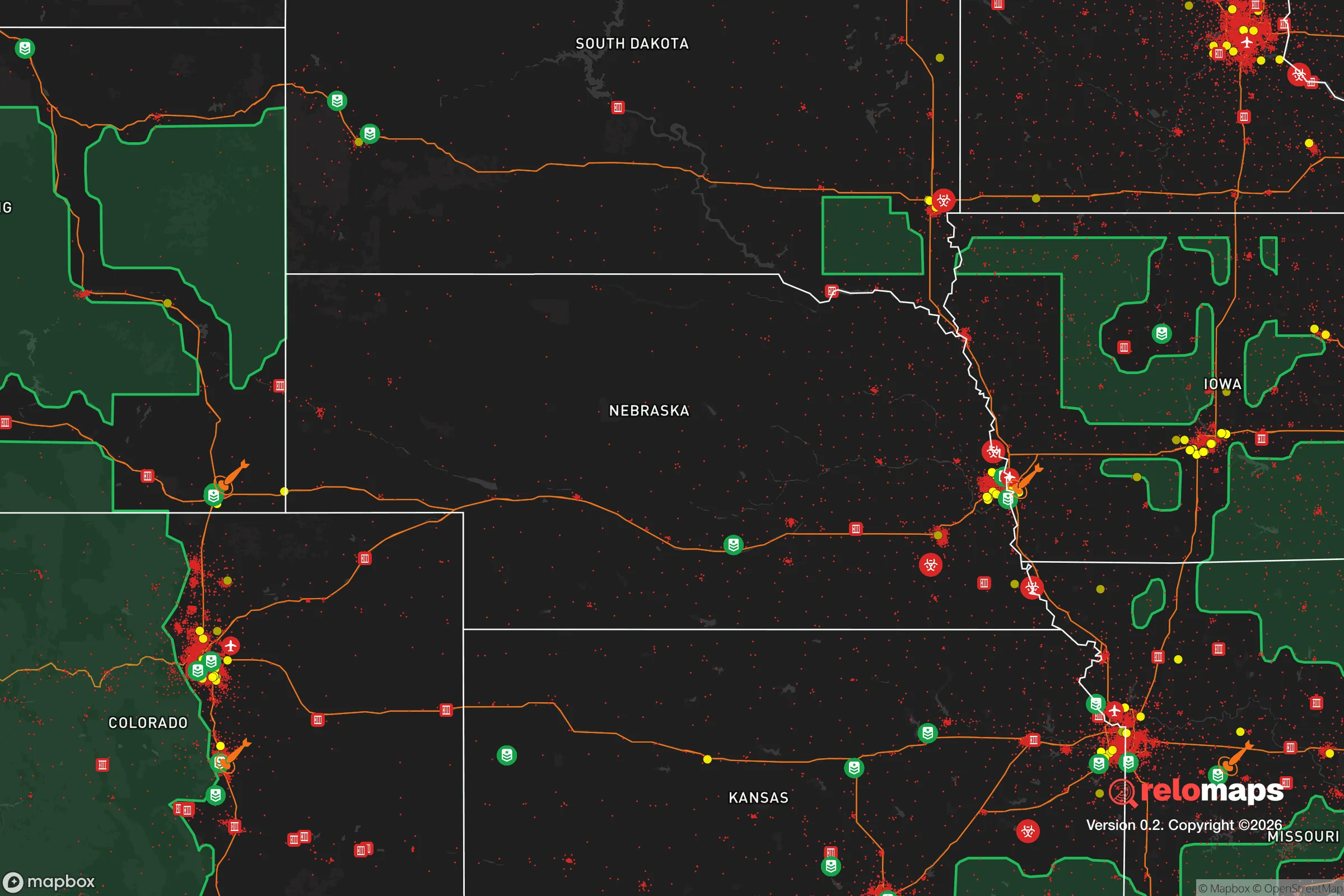


Important Note: For informational purposes only. This does not mean nothing bad ever happens in the green zones. Please use common sense. This is based on public data and modeled with AI. We tried to take a conservative approach but mistakes happen. We update this regularly as new information becomes available.
Solar Generator Recommendations
Backup power matters more here than in safer locations. We've picked three solar generators across budgets and capacity tiers — start with the budget unit if you only need a few essentials, or step up if you want to run a fridge and HVAC for days at a time.

Jackery Portable Power Station Explorer 300
Budget OptionPower on the Go: Weighing only 11 lbs, it's convenient to set up and store with book-sized foldable solar panels

BLUETTI Portable Power Station AC180
Designed for both indoor and outdoor scenarios, AC180 is highly capable as it has a robost capacity and continuous output power.

EF ECOFLOW DELTA Pro Ultra Power Station
Upgraded PickEcoFlow DELTA Pro Ultra is a whole-home energy system designed to grow with your family. Integrated with the Smart Home Panel 2, it scales to meet your evolving energy needs — keeping your home powered, intelligent, and secure through every stage of life.
We earn a commission, at no additional cost to you.
Strategic Assessment Analysis
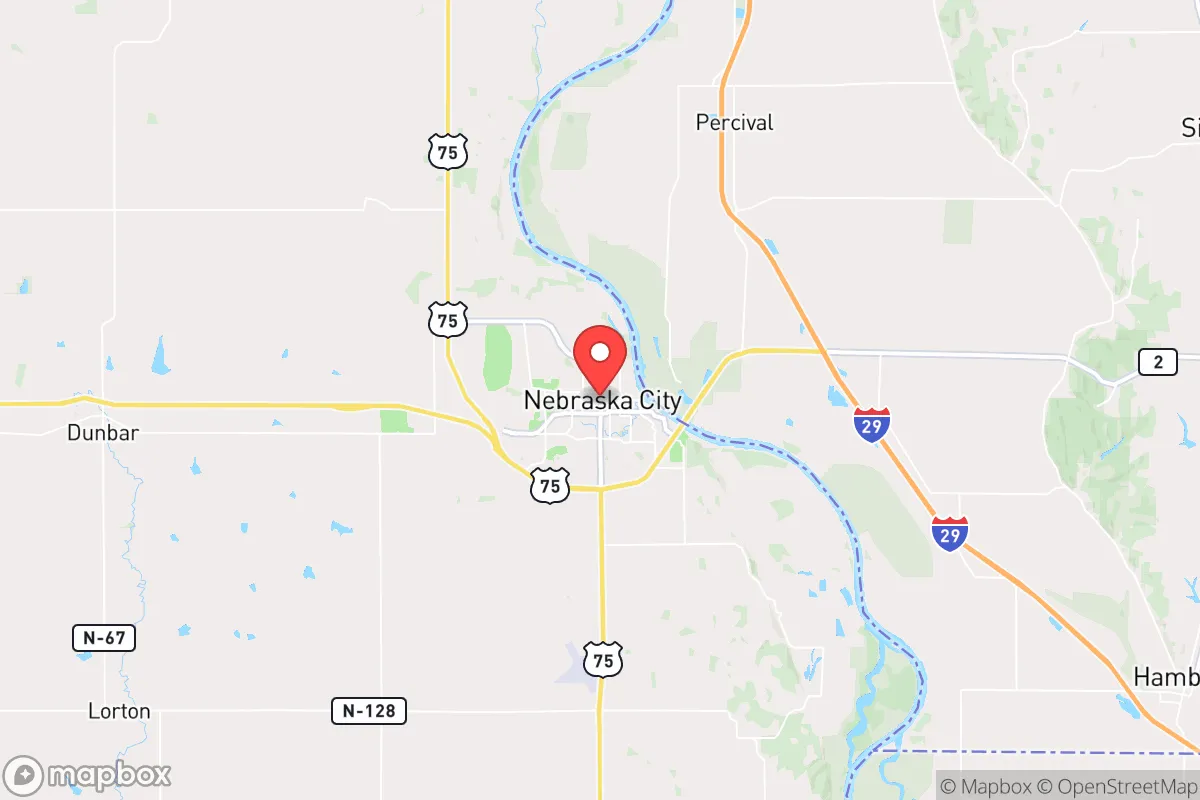
Nebraska City, Nebraska, sits as a quiet outlier in the Great Plains—a town that offers genuine strategic depth for those thinking about resilience, not just relocation. Its position along the Missouri River, roughly 45 miles south of Omaha and 60 miles from the Lincoln metro area, places it close enough to access regional resources but far enough to avoid the blast zones, gridlock, and civil unrest that would likely consume larger cities in a crisis. For a conservative-leaning individual or family looking to weather systemic instability, this town presents a compelling mix of agricultural self-sufficiency, low population density, and geographic insulation from the most obvious fallout targets.
Geographic position and natural advantages for long-term stability
Nebraska City’s location is its first and most durable asset. It sits on the eastern edge of Nebraska, where the Missouri River bends south, creating a natural buffer zone. The surrounding Otoe County is sparsely populated—roughly 16,000 residents in the entire county—which means less competition for resources in a collapse scenario. The land is flat to gently rolling, with deep, fertile topsoil that supports row crops like corn and soybeans. This isn’t mountainous terrain, but it’s defensible in the sense that open ground offers clear sightlines and limited cover for anyone approaching. The river provides a reliable water source, and the area’s groundwater is generally plentiful and shallow, making well drilling feasible for those who plan ahead. Winters are cold but manageable, with average January lows around 14°F, and summers are hot and humid—conditions that favor food preservation and outdoor work. The lack of major fault lines, hurricane zones, or wildfire corridors means natural disaster risk is low, limited mainly to occasional tornadoes and flooding along the river bottom. For a prepper, this is a stable platform: predictable weather, abundant water, and arable land within a day’s drive of the Interstates (I-80 runs 30 miles north) but far enough to avoid the chaos of a major evacuation.
Risks, exposures, and proximity to fallout-relevant landmarks
No location is perfect, and Nebraska City has real vulnerabilities that a strategic relocator must weigh. The most obvious risk is the Missouri River itself—flooding is a recurring threat, with major events in 2011 and 2019 causing significant damage to low-lying areas. Any property near the river or its tributaries requires flood insurance and a plan for temporary evacuation. Beyond natural hazards, the area sits within 100 miles of Offutt Air Force Base near Omaha, a major U.S. Strategic Command (STRATCOM) facility. In a conflict involving nuclear exchange or EMP attack, Offutt is a high-priority target. While Nebraska City is outside the likely blast radius for a ground burst, it could be affected by fallout depending on wind patterns. The same applies to the Fort Calhoun Nuclear Station, a decommissioned plant 30 miles north, and the Cooper Nuclear Station in Brownville, 20 miles south. Both are potential targets or accident sites. Additionally, the town is a regional transportation hub for grain and fertilizer, with rail lines and a barge terminal on the river. In a crisis, these choke points could draw looters or become contested infrastructure. The proximity to Omaha and Lincoln—both large population centers with potential for civil unrest—means that any collapse scenario would likely see a surge of refugees heading south along Highway 75. A relocator here needs a plan for perimeter security and a network of trusted neighbors, not just a stockpile of supplies.
Practical resilience for a relocator: food, water, energy, and defensibility
For the individual or family serious about self-reliance, Nebraska City offers a workable baseline. The local economy is anchored by agriculture—Archer Daniels Midland (ADM) operates a massive grain elevator and processing facility in town, and the surrounding countryside is dotted with family farms. This means access to bulk grains, livestock feed, and raw materials for food production is realistic, especially if you build relationships with local producers before a crisis. The Missouri River provides a year-round water source, but treatment infrastructure could fail in a prolonged grid-down scenario; a well with a hand pump or a rainwater catchment system is a smart investment. Electricity is supplied by the Nebraska Public Power District, which relies heavily on coal and nuclear generation—vulnerable to both cyberattack and fuel supply disruptions. Solar panels with battery storage are a practical hedge, given the region’s average 200+ sunny days per year. Defensibility is moderate: the town itself is compact, with a population around 7,500, and the surrounding rural areas offer isolated homesteads with good fields of fire. However, the flat terrain means you can’t hide; you need to be prepared to secure a perimeter. The local culture leans conservative, with a strong sense of community and a history of mutual aid—churches, volunteer fire departments, and farm cooperatives are the social fabric. For a relocator, integrating into that network is as important as any physical prep. The nearest hospital is CHI Health St. Mary’s, a small critical-access facility that would be overwhelmed in a mass casualty event; serious medical emergencies would require a 45-minute drive to Omaha. Stockpiling antibiotics, trauma kits, and training in basic field medicine is non-negotiable.
The overall strategic picture for Nebraska City is one of moderate resilience with clear trade-offs. It’s not a remote mountain redoubt, but it’s also not a suburban sprawl dependent on just-in-time logistics. The area’s agricultural base, water access, and low population density give it a solid foundation for long-term survival, while its proximity to major military and nuclear targets introduces a level of risk that can be mitigated with proper planning—fallout shelters, multiple evacuation routes, and a decentralized supply network. For a conservative relocator who values community, self-sufficiency, and a slower pace of life, Nebraska City offers a realistic middle ground: close enough to civilization to maintain a job and a social life in normal times, but positioned to ride out the storm when the system falters. The key is to move early, buy land away from the river, and invest in relationships before you need them. This isn’t a bug-out location for the lone wolf; it’s a place to build a durable, interconnected life that can absorb shocks without breaking.

* Values derived from national, state, county, city and local statistics and may differ in a specific area. Last updated: 2026-09-21T19:02:29.000Z
Narrative content on this page is AI-generated and may contain mistakes. Verify any details that matter before acting on them.
ReloMaps may earn a commission from affiliate links at no extra cost to you.

