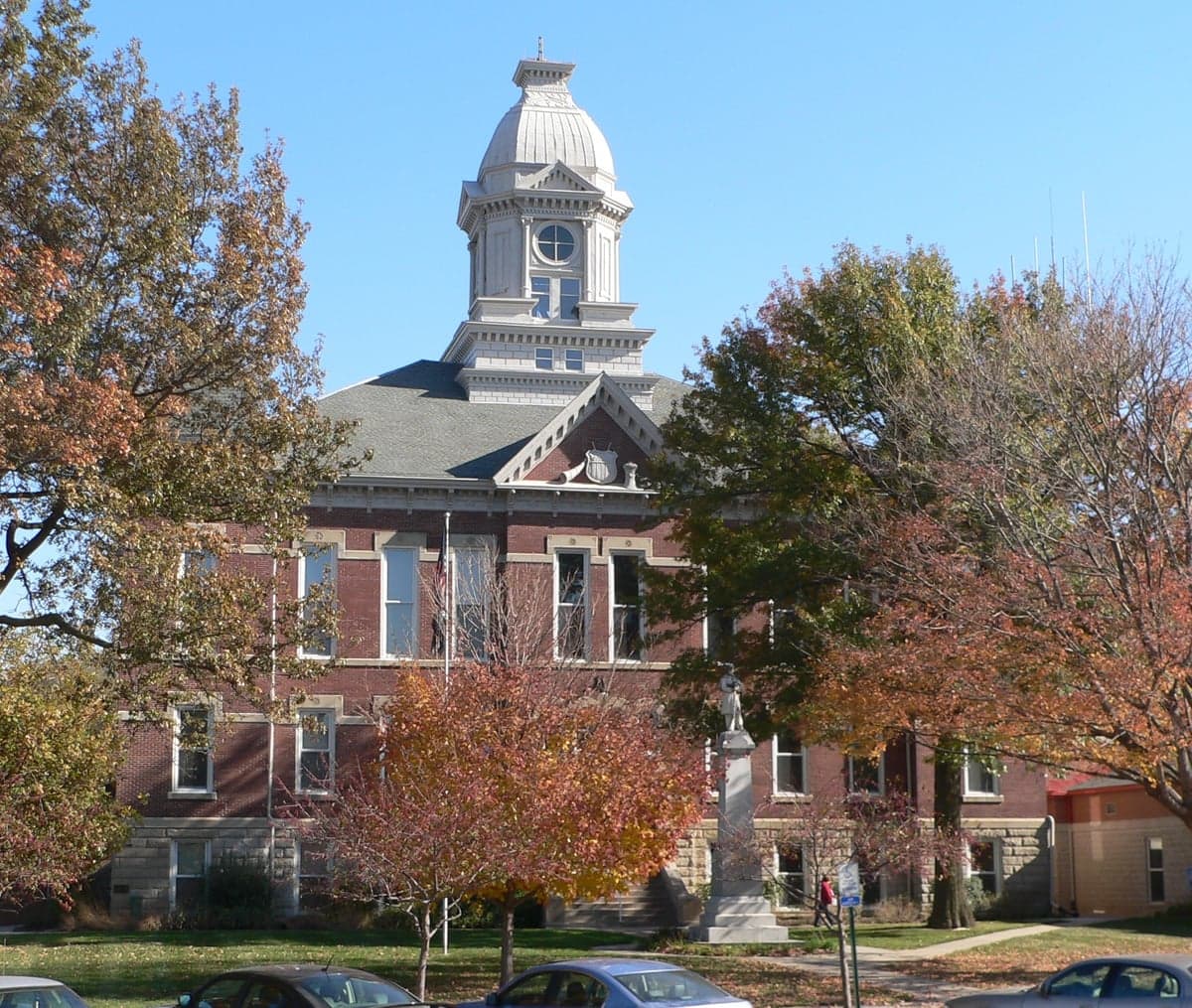
Photo: Wikipedia
Personal Sovereignty in Washington County
Viable for self-reliance. Generally workable, though some barriers may limit total independence.
What does Personal Sovereignty tell us?
Personal Sovereignty measures your capacity for self-reliance and independence with minimal government friction. Higher scores mean fewer barriers between you and the way you want to live... but it assumes you have the space you need and good neighbors.
What does this tell us?
Personal Sovereignty measures your capacity for self-reliance and independence with minimal government friction. Higher scores mean fewer barriers between you and the way you want to live... but it assumes you have the space you need and good neighbors.
State Policy
Energy independence: Importer (35% of energy produced in-state)
Personal Liberty
Homesteading

Personal Liberty Analysis
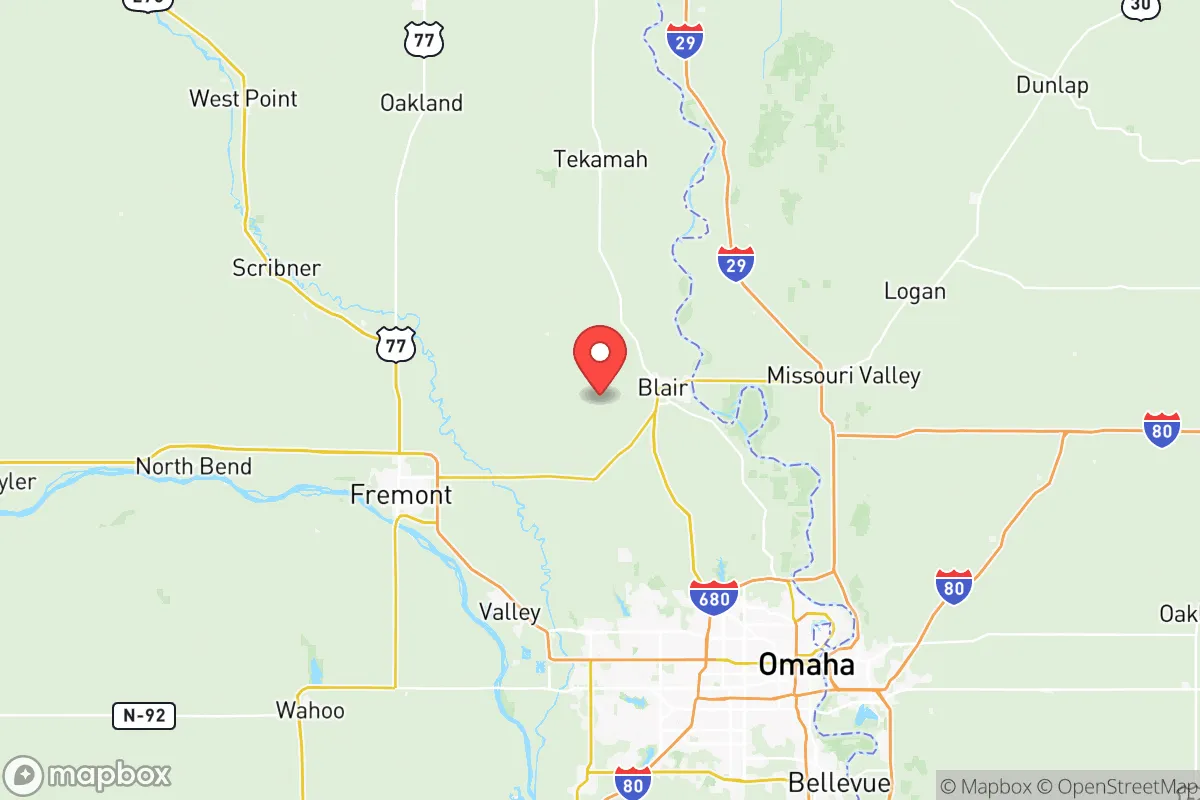
Washington County, Nebraska, offers a notably high degree of personal sovereignty compared to the Omaha metro core just to its south, with a regulatory environment that generally favors individual autonomy in daily life, property use, and self-defense. The county’s roughly 20,000 residents, concentrated in communities like Blair, Fort Calhoun, and Arlington, operate under Nebraska state law, which provides a baseline of personal liberties that are often more expansive than those found in neighboring Iowa or in coastal states. For a relocation audience prioritizing independence, the county presents a landscape where local government is less intrusive, taxes are lower, and the culture leans heavily toward self-reliance, though specific rules vary by municipality and zoning district.
Tax burden and regulatory posture compared to Omaha and Lincoln
Washington County’s tax and regulatory climate is significantly lighter than what residents experience in Douglas County (Omaha) or Lancaster County (Lincoln). The county’s property tax levy for 2025 was approximately 1.7% of assessed value, slightly below the Nebraska state average, and there is no local sales tax in unincorporated areas or in smaller towns like Herman and Kennard. Blair, the county seat, imposes a 1.5% city sales tax, but overall combined rates remain well below Omaha’s 2.5% city levy. Nebraska has no state income tax on Social Security benefits and offers a flat state income tax rate of 5.84% as of 2026, which is moderate nationally. The county’s regulatory posture is best described as permissive: there is no county-wide building code for agricultural structures, and zoning in unincorporated areas is minimal, allowing for a wide range of property uses without the permitting delays common in urban jurisdictions. However, towns like Blair and Fort Calhoun enforce standard municipal codes for new residential construction, so buyers should verify lot-specific rules before purchasing.
Self-defense and gun law specifics in Washington County
Nebraska is a shall-issue state for concealed carry permits, and Washington County’s sheriff’s office processes permits efficiently, typically within 30 days. The state does not require a permit for open carry, and as of 2023, Nebraska became a constitutional carry state, allowing any law-abiding adult to carry a concealed handgun without a permit. Washington County’s culture is strongly gun-friendly; shooting ranges are available near Blair and Arlington, and the county has no local ordinances restricting firearm possession beyond state law. Stand-your-ground and castle doctrine protections are codified in Nebraska statutes, meaning there is no duty to retreat before using deadly force in self-defense in any place where the individual is lawfully present. For hunters, the county offers abundant public access land along the Missouri River bluffs, and deer and turkey seasons are well-managed. The only notable restriction is that firearms are prohibited in county courthouses and K-12 school buildings, consistent with state law.
Self-reliance and homesteading viability across the county
Homesteading and off-grid living are highly viable in Washington County, particularly in its rural townships outside the incorporated towns. Minimum lot sizes in unzoned areas are effectively governed by subdivision regulations, which typically require at least 5 acres for a new split from an existing parcel, though smaller lots are common near Blair and Fort Calhoun. Off-grid systems are legal: Nebraska has no statewide ban on rainwater collection, and composting toilets are permitted under the state’s alternative wastewater system rules, which require a permit but are not prohibitively expensive. Solar panels are unrestricted, and net metering is available through the local electric cooperative, Washington County Rural Electric Association. The county’s agricultural zoning in areas like Herman and Kennard allows for livestock, beekeeping, and market gardens without special permits, though homeowners within town limits in Blair and Arlington must comply with municipal animal ordinances that typically limit chickens and prohibit pigs. Water access is generally via private wells, which are regulated by the Nebraska Department of Health and Human Services but are straightforward to drill in the county’s alluvial aquifers.
Personal liberties: parental rights, medical autonomy, speech, and property
Washington County reflects Nebraska’s broader commitment to parental rights and medical freedom. The state has no vaccine mandate for school attendance beyond standard childhood immunizations, and parents can claim religious or medical exemptions easily. Nebraska law protects the right of parents to direct the upbringing, education, and healthcare of their children, and the county’s school districts—including Blair Community Schools and Arlington Public Schools—are responsive to parental input. Medical autonomy is strong: Nebraska does not require a prescription for ivermectin or hydroxychloroquine, and telehealth consultations for out-of-state providers are permitted. Free speech is robust, with no local hate speech ordinances or content-based restrictions on public expression. Property rights are well-protected under Nebraska’s eminent domain laws, which require just compensation and a demonstrated public purpose. The county has no rent control, no inclusionary zoning mandates, and no short-term rental bans in unincorporated areas, though Blair and Fort Calhoun regulate vacation rentals with a simple permit process.
Overall, Washington County ranks among the more sovereignty-friendly areas in eastern Nebraska, offering a balance of low taxes, minimal regulation, and strong personal liberties that is increasingly rare in the Omaha metro’s orbit. For a single individual or family seeking to live with a high degree of self-reliance—whether through homesteading, off-grid systems, or simply enjoying the freedom to carry a firearm and make medical decisions without government interference—the county provides a practical and legally supportive environment. While not as libertarian as some rural Nebraska counties further west, Washington County’s proximity to Omaha’s jobs and amenities, combined with its permissive local governance, makes it a compelling choice for those who prioritize personal sovereignty without total isolation.

* Values derived from national, state, county, city and local statistics and may differ in a specific area. Last updated: 2026-08-04T13:31:33.000Z
Narrative content on this page is AI-generated and may contain mistakes. Verify any details that matter before acting on them.
ReloMaps may earn a commission from affiliate links at no extra cost to you.

