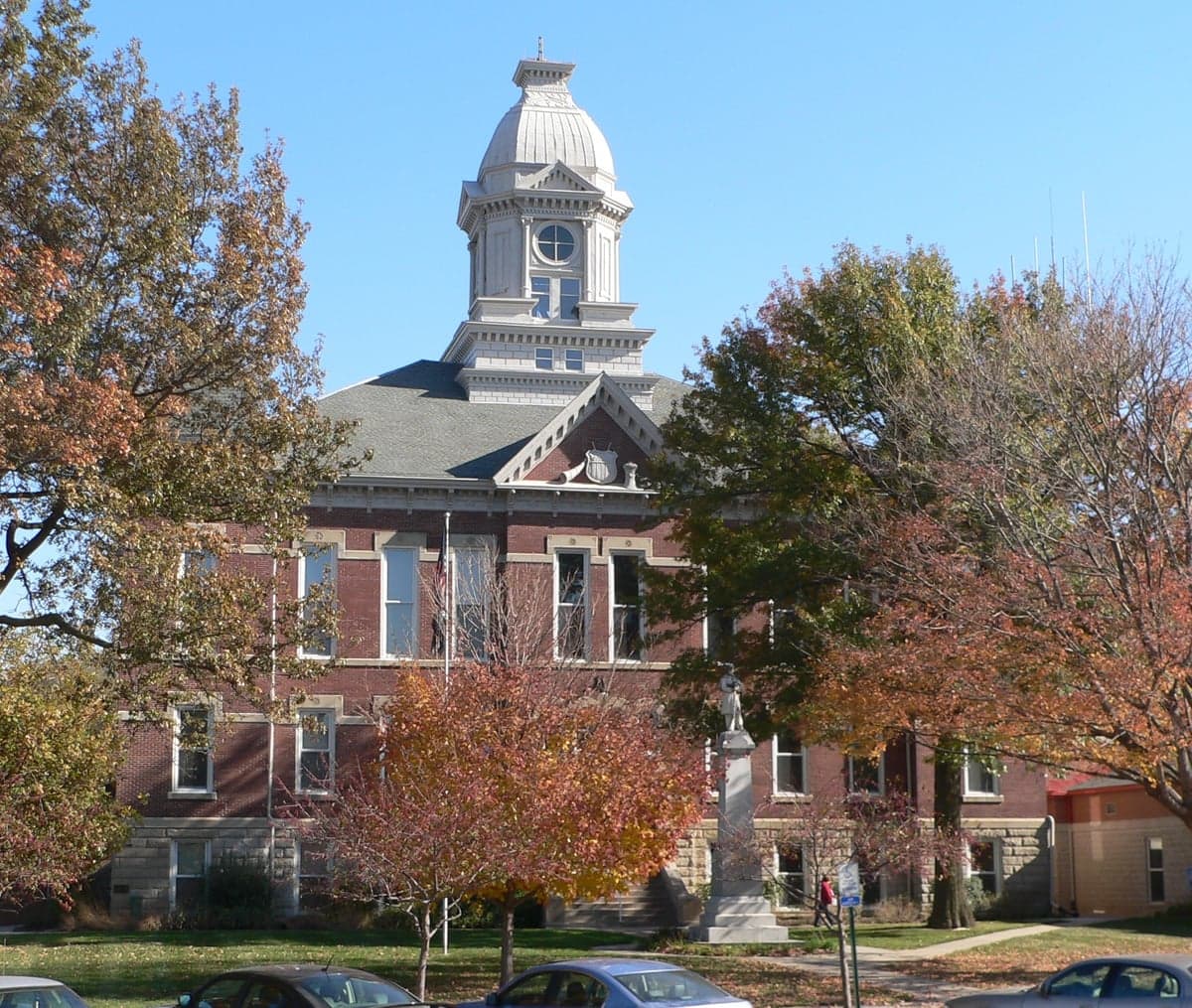
Photo: Wikipedia
Quality of Life in Washington County
A livable area that tracks near national norms for affordability, walkability, and neighborhood health.
What does Quality of Life tell us?
Quality of Life measures an area by evaluating factors like cost of living, nearby amenities, country club access, airport proximity, socioeconomic signals and neighborhood character. For large states, this is a general average — quality of life can vary dramatically between metro areas, suburbs, and rural communities within the same state.
What does this tell us?
Quality of Life measures an area by evaluating factors like cost of living, nearby amenities, country club access, airport proximity, socioeconomic signals and neighborhood character. For large states, this is a general average — quality of life can vary dramatically between metro areas, suburbs, and rural communities within the same state.
Cost of Living
11% below national average
113%
The Real Cost of Living in Washington County for 2026
| Tier | Individual | Family (4) |
|---|---|---|
| Survival | $15k | $29k |
| Comfortable | $54k | $79k |
| Luxury | $140k+ | $218k+ |
| Elite (Top 5%) | $165k+ | $256k+ |
Quality-of-Life Analysis
Washington County, Nebraska, offers a quality-of-life spectrum that spans from the suburban convenience of its largest town, Blair, to the quiet agricultural rhythms of smaller communities like Arlington, Herman, and Kennard. With a cost of living index of 89—11 points below the national average—the county attracts a mix of Omaha-area commuters, families seeking more space, and those rooted in farming or local industry. The character of daily life shifts noticeably depending on whether one lives in the county's primary population center, a smaller village, or the open countryside between them.
Largest town(s) & population centers
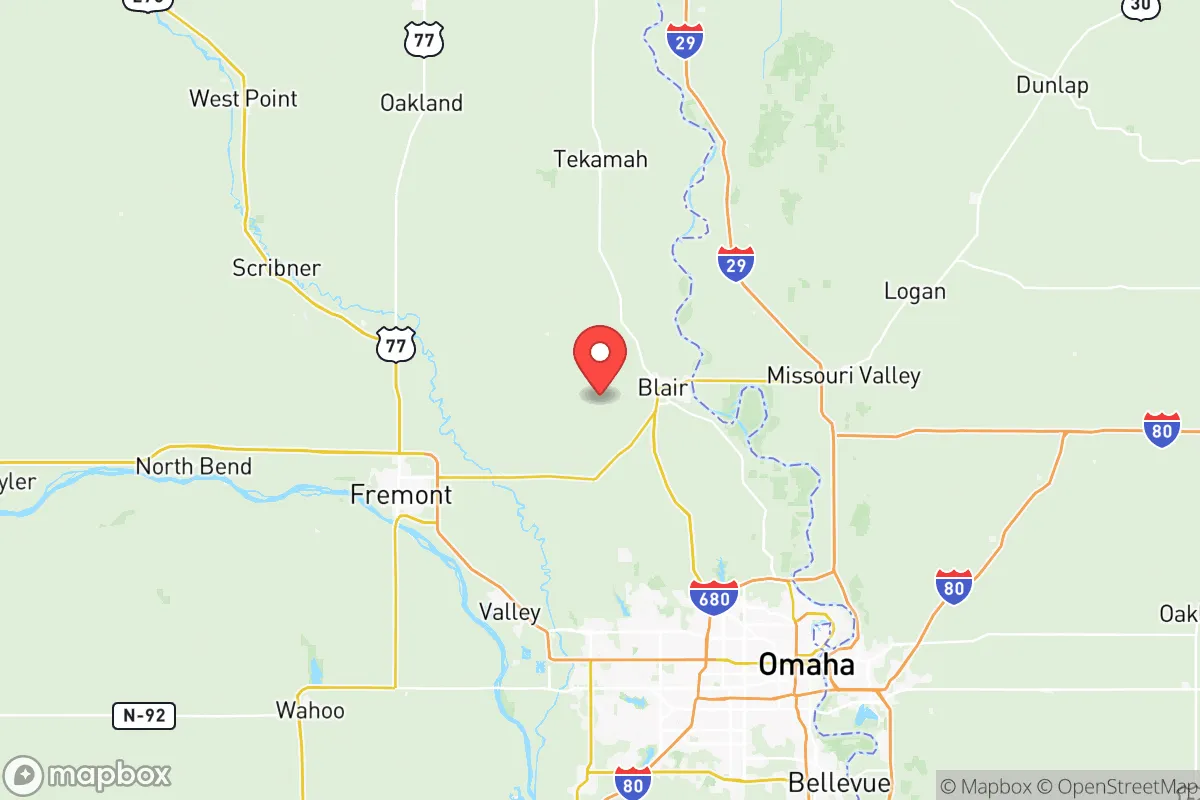
Blair is the county seat and by far the largest population center, home to roughly 8,000 residents and the hub of most commercial, educational, and healthcare services in Washington County. Daily life in Blair centers on a walkable downtown with local restaurants and shops, Dana College's former campus (now redeveloped for other uses), and a strong school system. The town serves as a bedroom community for Omaha, located about 30 minutes south via US-30 and US-75, which keeps the average commute at a manageable 23 minutes. Blair's housing stock includes historic homes near the downtown core and newer subdivisions on the town's edges, with the county's median home value of $278,300 reflecting a more affordable entry point than Douglas County across the river. Residents here have access to a hospital, a public library, and several parks, making it the most amenity-rich option in the county.
Smaller towns & rural pockets
South of Blair, Arlington (population roughly 1,300) offers a quieter small-town experience with its own school district and a compact downtown. Herman, located along the Missouri River in the county's northeast corner, is a village of fewer than 300 people where life revolves around the post office, the volunteer fire department, and the nearby DeSoto National Wildlife Refuge. Kennard (population about 400) sits along US-30 and provides a rural crossroads feel with a grain elevator and a handful of local businesses. The unincorporated area of Fort Calhoun, though technically in Washington County, functions as a bedroom community for both Blair and Omaha, with a population near 1,100 and its own school system. These smaller communities lack the retail and dining options of Blair, but residents gain larger lots, lower traffic, and direct access to farmland and the Missouri River bluffs.
Cost & lifestyle range
The cost spread across Washington County is relatively narrow compared to metro-area counties, but meaningful differences exist. At the lower end, Herman and Kennard offer the most affordable housing, with some homes available well below the county median of $278,300; median rent countywide is just $958, significantly under the national figure. At the higher end, Blair's newer subdivisions and properties along the Missouri River bluffs command prices above the county median, sometimes exceeding $400,000 for newer construction or homes with river views. Lifestyle varies accordingly: Blair residents can walk to a grocery store or a restaurant, while those in Herman or rural pockets near the Washington-Douglas county line may drive 15-20 minutes for basic errands. Property taxes in Nebraska are relatively high, but the county's overall low cost of living index of 89 means that even higher-end homes here cost less than comparable properties in Omaha's western suburbs.
Washington County works best for people who want proximity to Omaha's jobs and amenities without paying Douglas County prices or dealing with its congestion. Families drawn to Blair's schools and services, retirees seeking a quieter pace in Arlington or Herman, and commuters who value a 23-minute average drive over a longer metro-area crawl all find viable options here. The county's mix of a solid population center and genuinely rural villages means newcomers can choose their preferred balance of convenience and space without leaving the same school district or tax base.

Crime in Washington County
Generally safer than 65% of comparable U.S. locations.
Violent CrimeViolent Crime Analysis
Property CrimeProperty Crime Analysis
Crime Analysis
Washington County, Nebraska, is a predominantly rural and suburban area northwest of Omaha that reports violent and property crime rates significantly below national averages, though slightly above the Nebraska state average for property offenses. With a violent crime rate of 215.2 per 100,000 residents and a property crime rate of 1,378.5 per 100,000, the county presents a generally safe environment for families and professionals, particularly when compared to the higher-crime dynamics found in larger urban centers like Omaha or Lincoln. The county's proximity to the progressive judicial environment of Douglas County (Omaha) is a notable concern, as cross-jurisdictional crime and offender mobility can introduce risks that local law enforcement must actively manage.
Crime in context
Washington County's violent crime rate of 215.2 per 100,000 is roughly 40% lower than the national average of approximately 380 per 100,000, placing it among the safer counties in eastern Nebraska. Property crime, at 1,378.5 per 100,000, is slightly above the Nebraska state average of about 1,200 per 100,000 but remains well below the national figure of roughly 1,950 per 100,000. These figures reflect a community where serious violent offenses like homicide and aggravated assault are rare, but theft and burglary — often tied to property crimes of opportunity — occur with moderate frequency. The county's law enforcement agencies, including the Washington County Sheriff's Office and police departments in Blair, Fort Calhoun, and Arlington, maintain a visible presence, though budget constraints common to rural counties can limit proactive patrol coverage. Residents should be aware that the progressive prosecutorial policies in neighboring Douglas County, which often emphasize diversion and reduced sentencing for property and drug offenders, can result in recidivist criminals crossing into Washington County, where they may reoffend before facing meaningful consequences.
What residents experience
Daily life in Washington County is characterized by low fear of violent crime, with most residents reporting feeling safe walking in their neighborhoods and downtown areas. The most common public safety complaints involve vehicle break-ins, shed burglaries, and theft from unlocked cars, particularly in the more densely populated areas of Blair (the county seat) and Fort Calhoun. These property crimes often spike during summer months and around holidays when homes are vacant. The county's rural character means that response times in outlying areas — such as the unincorporated communities of Herman or Kennard — can exceed 15-20 minutes, a factor families should weigh when choosing a home site. Drug-related offenses, primarily methamphetamine and prescription pill abuse, are a persistent undercurrent, though they rarely escalate into violent confrontations visible to the general public. The Washington County Attorney's Office takes a generally conservative approach to prosecution, which helps maintain accountability, but the proximity to Omaha's more lenient judicial climate means that offenders with prior records in Douglas County may not face the enhanced penalties their history warrants.
Neighborhood-level variation in safety is modest but noticeable. Blair and Fort Calhoun see the bulk of reported property crime due to their higher population density and commercial activity, while the rural townships and smaller villages like Washington and Bancroft experience very low incident rates. Newer subdivisions on the county's southern edge, near the Douglas County line, may face slightly elevated risk from transient offenders traveling from the Omaha metro area. Prospective residents should prioritize homes with good exterior lighting, secure outbuildings, and neighborhood watch participation, as these measures are highly effective in a county where most crime is opportunistic rather than organized. Overall, Washington County offers a strong safety profile for those who take basic precautions, though the influence of progressive criminal justice policies in the adjacent urban core remains a legitimate concern for long-term community security.
* Values derived from national, state, county, city and local statistics and may differ in a specific area. Last updated: 2026-08-04T13:31:33.000Z
Narrative content on this page is AI-generated and may contain mistakes. Verify any details that matter before acting on them.
ReloMaps may earn a commission from affiliate links at no extra cost to you.

