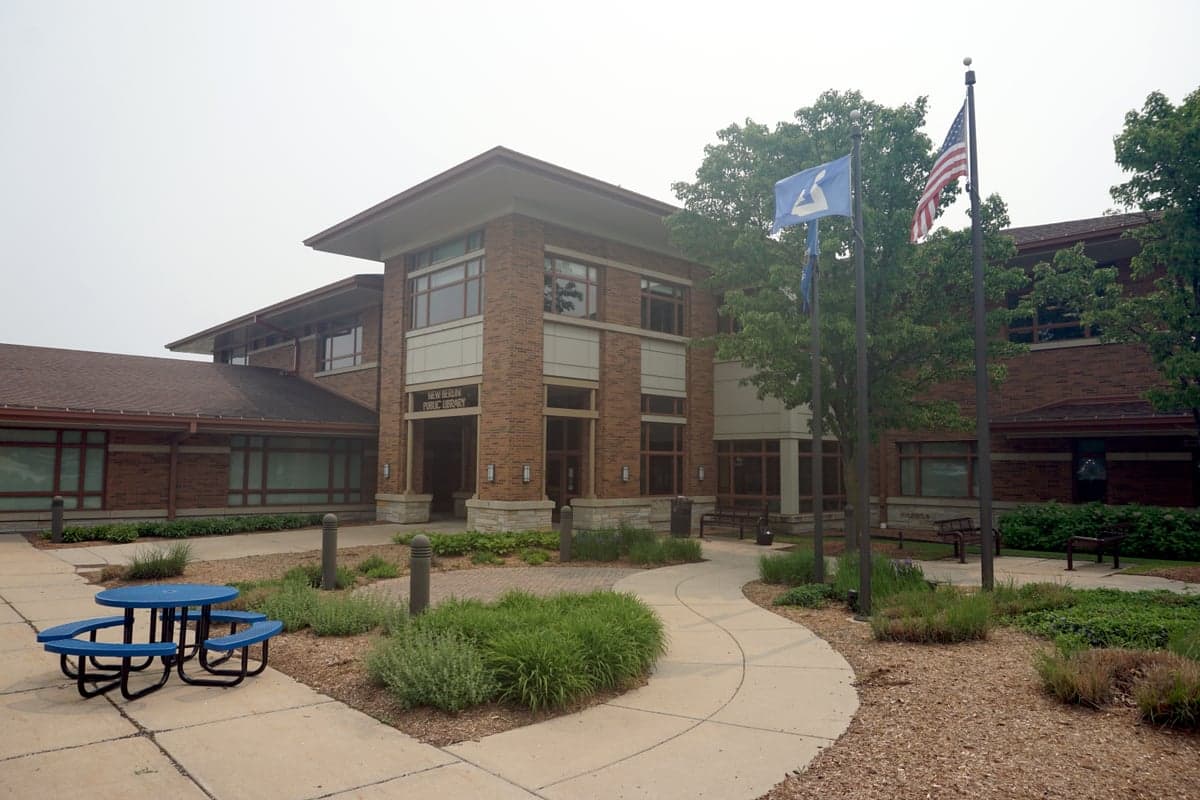
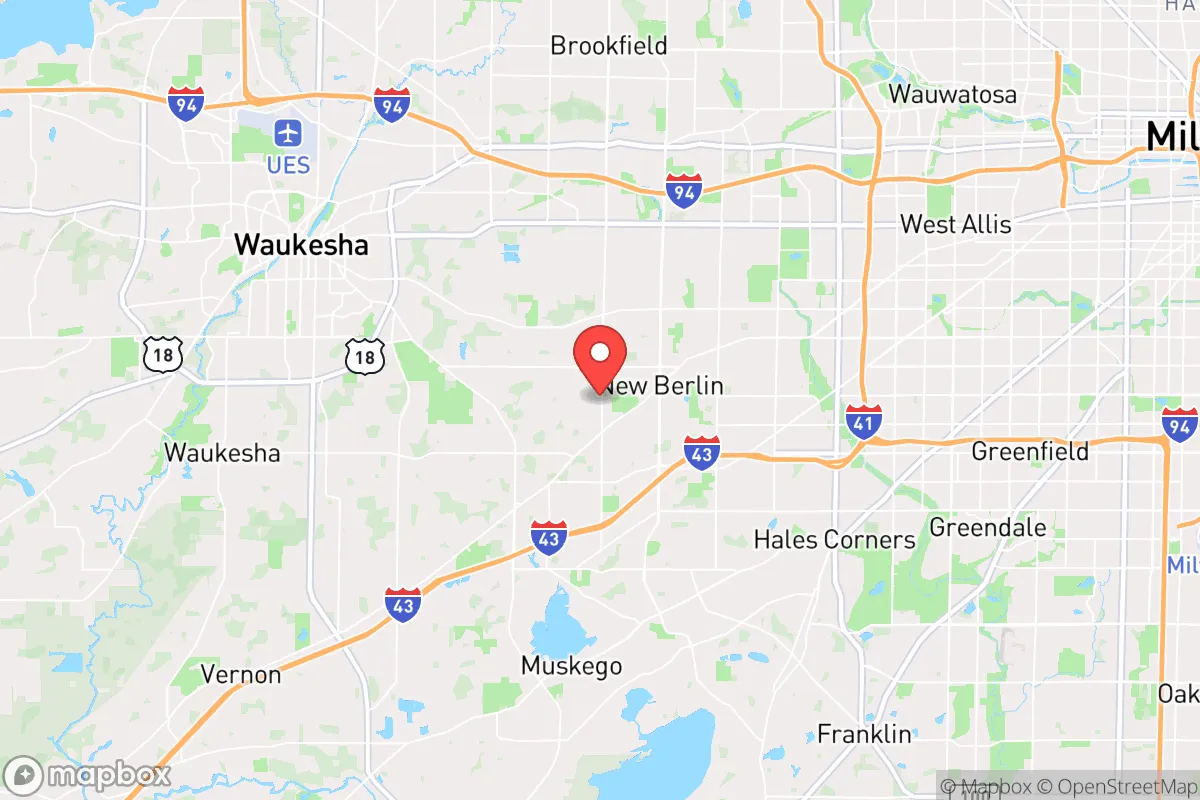
Photo: Wikipedia
Quality of Life in New Berlin, WI
A high quality of life with strong walkability, manageable living costs, healthy neighborhood signals, and solid amenity access.
What does Quality of Life tell us?
Quality of Life blends cost of living, nearby amenities, socioeconomic signals, and neighborhood character. City-level scores represent the whole municipality; individual neighborhoods can differ.
What does this tell us?
Quality of Life blends cost of living, nearby amenities, socioeconomic signals, and neighborhood character. City-level scores represent the whole municipality; individual neighborhoods can differ.
Cost of Living
21% above national average
The Real Cost of Living in New Berlin, WI for 2026
| Tier | Individual | Family (4) |
|---|---|---|
| Survival | $22k | $42k |
| Comfortable | $67k | $98k |
| Luxury | $167k+ | $258k+ |
| Elite (Top 5%) | $196k+ | $304k+ |
99%
The Area Signal
A metric tracking the socioeconomic signals of the area.
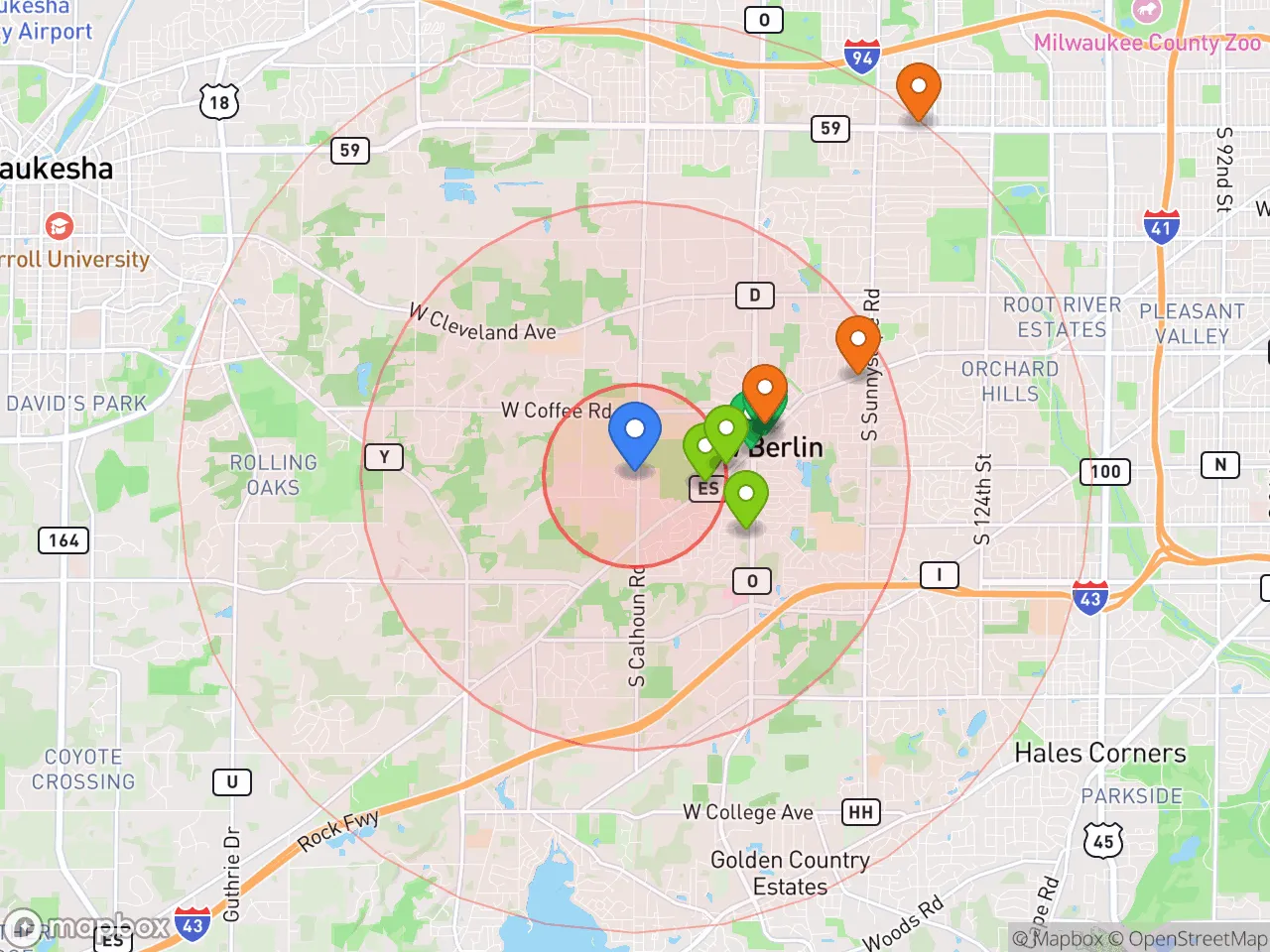
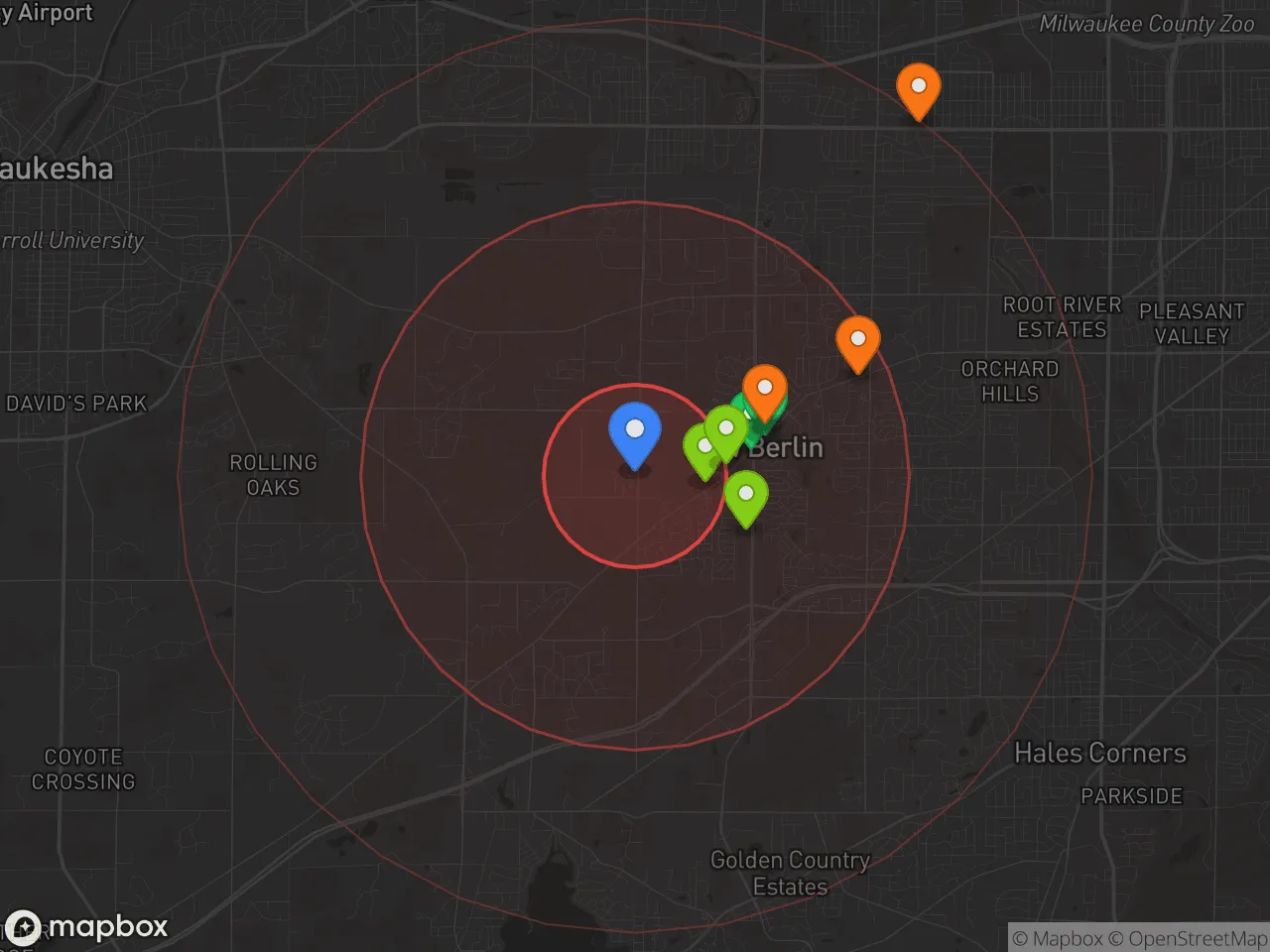
Hobbies
Explore the areaGroceries
5 within 10 miles
Gas
20 within 10 miles
Hospital
20 within 20 miles
Airport
ORD — O'Hare International
Post Office
USPS — New Berlin, WI
Critical Amenities
Quality-of-Life Analysis
New Berlin, Wisconsin, is an affluent western Milwaukee suburb where the cost of living index of 121 sits well above the national average of 100, attracting established professionals and families who prioritize top-rated schools, low crime rates, and spacious single-family homes over urban nightlife or walkable density. The city’s population of roughly 40,000 skews toward married couples with children, and the median household income significantly exceeds both state and national medians, reflecting a community built around stability, homeownership, and long-term residency.
Cost of living, housing prices, and how New Berlin compares to Waukesha and Milwaukee
New Berlin’s housing market is the primary driver of its elevated cost of living. The median home value of $343,500 is roughly 50% higher than the national median and notably above nearby Waukesha’s median of around $290,000, though it remains below the most expensive Milwaukee suburbs like Elm Grove or Brookfield. For renters, the median rent of $1,409 is manageable relative to local incomes but still 15-20% higher than the Milwaukee metro average, meaning renters here are typically dual-income households or those saving for a down payment. Property taxes in New Berlin are a significant factor — Waukesha County levies some of the highest effective rates in Wisconsin, often exceeding 2% of assessed value — which adds hundreds of dollars per month to the true cost of ownership. Despite these costs, the city offers strong value compared to similarly rated school districts in the Chicago or Minneapolis suburbs, where comparable homes often exceed $500,000.
What daily life is like: amenities, schools, and commute realities
Daily life in New Berlin revolves around the New Berlin School District, which consistently ranks among the top 10% of Wisconsin districts for academic performance, with a 95% graduation rate and strong Advanced Placement participation. The city’s 22.3-minute average commute is shorter than the national average of 26 minutes, and most residents drive to jobs in Milwaukee (15 miles east), Waukesha (8 miles north), or along the I-94 corridor. Retail and dining are concentrated along Greenfield Avenue and Moorland Road, anchored by big-box stores and local chains like Café Manna and the New Berlin Ale House, but the city lacks a traditional downtown — most social life happens at school events, parks, or the public library. Outdoor amenities include the 40-mile New Berlin Trail (part of the Ice Age Trail system) and Malone Park, which hosts youth soccer and baseball leagues. The city is overwhelmingly car-dependent; there is no direct rail connection to Milwaukee, and bus service is limited to a single Waukesha Metro route.
New Berlin is best suited for families and mid-career professionals who value school quality, low crime, and suburban space over walkability, cultural density, or a vibrant nightlife. Empty-nesters and retirees also find the city appealing due to its quiet neighborhoods and proximity to medical facilities like Aurora Medical Center in nearby Summit. Singles and young renters without children may find the social scene limited and the cost-to-amenity ratio less favorable than closer-in neighborhoods like Milwaukee’s East Side or Wauwatosa. For those whose priority is a safe, well-funded school system with a 15-minute drive to a major metro job, New Berlin delivers a predictable, high-quality suburban lifestyle at a premium that many consider worthwhile.

Crime in New Berlin, WI
Lower crime rates than 95% of comparable U.S. locations.
Violent CrimeViolent Crime Analysis
Property CrimeProperty Crime Analysis
Crime Analysis
New Berlin, Wisconsin, consistently ranks among the safest communities in the Milwaukee metropolitan area, with violent crime rates dramatically lower than both state and national averages. The city's violent crime rate of 44.7 incidents per 100,000 residents is roughly one-tenth the national average, while property crime occurs at 534 per 100,000 — well below the Wisconsin state average of approximately 1,500 per 100,000. This safety profile reflects a combination of well-funded local policing, engaged neighborhood watch programs, and a community demographic profile that typically correlates with lower crime.
Crime in context
New Berlin's violent crime rate of 44.7 per 100,000 places it among the safest 10% of U.S. cities of comparable size. For perspective, the national violent crime rate hovers near 380 per 100,000, and Wisconsin's statewide rate sits around 290 per 100,000. Property crime in New Berlin, at 534 per 100,000, is also significantly lower than the national median of roughly 1,950 per 100,000. However, residents should note that these figures reflect reported crimes; as in any suburb, unreported incidents like package theft and minor vandalism may be undercounted. The city's location within Waukesha County — a jurisdiction known for conservative prosecutorial policies — means that offenders face consistently tougher sentencing compared to Milwaukee County, where progressive district attorneys have been criticized for lenient plea deals and reduced incarceration rates. This prosecutorial environment directly contributes to New Berlin's low crime numbers by deterring repeat offenses and keeping habitual criminals off the streets.
What residents experience
Daily life in New Berlin is characterized by a tangible sense of security. Violent crimes such as homicide, armed robbery, and aggravated assault are rare events — the city typically records zero to one homicide per year. The most common property crimes are theft from vehicles and residential burglary, often concentrated near commercial corridors like South Moorland Road and West National Avenue. Residents report feeling safe walking after dark in most neighborhoods, and the New Berlin Police Department maintains a visible presence with community policing initiatives. Schools in the New Berlin School District have minimal security incidents, and the city's parks and recreational areas are well-patrolled. The broader Milwaukee metro context matters here: while Milwaukee itself struggles with elevated violent crime and a progressive district attorney's office that has drawn criticism for declining to prosecute certain offenses, New Berlin's distance from that environment — both geographically and jurisdictionally — insulates it from spillover effects.
Neighborhood-level variation in New Berlin is modest but worth noting. The eastern edge of the city, bordering West Allis and Greenfield, sees slightly higher property crime rates due to proximity to more urbanized areas. The western and northern sections, particularly around Muskego and Brookfield borders, are among the safest. Gated communities and newer subdivisions near New Berlin Hills Golf Course report near-zero crime. Overall, New Berlin offers a safety profile that is exceptional for a metro-area suburb, supported by conservative local governance and a justice system that prioritizes public safety over offender rehabilitation — a critical factor for families and retirees evaluating relocation options in the Milwaukee region.
* Values derived from national, state, county, city and local statistics and may differ in a specific area. Last updated: 2026-04-21T10:43:07.000Z
Narrative content on this page is AI-generated and may contain mistakes. Verify any details that matter before acting on them.
ReloMaps may earn a commission from affiliate links at no extra cost to you.

