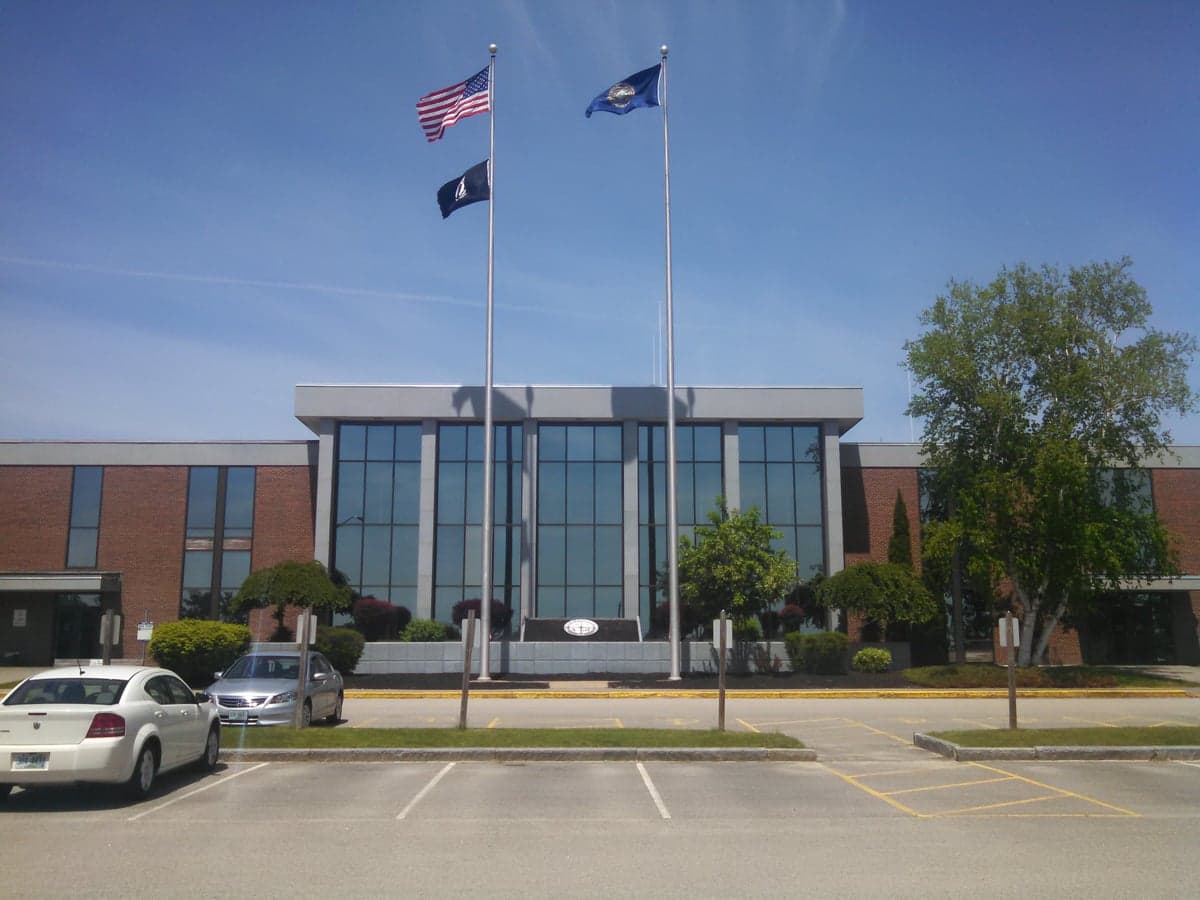
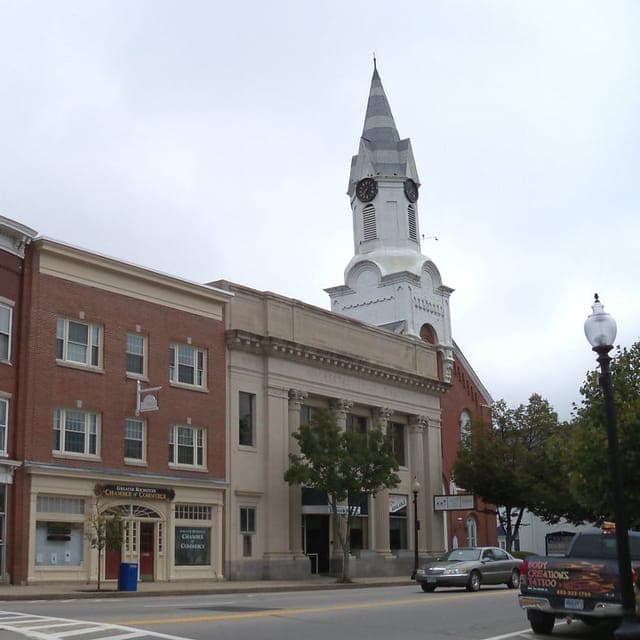
Photo: Wikipedia
Find The Best Places To Live in Strafford County
PRO TIP! You can paste a Zillow or Redfin link to get info on that property.
Best Places to Live in Strafford County
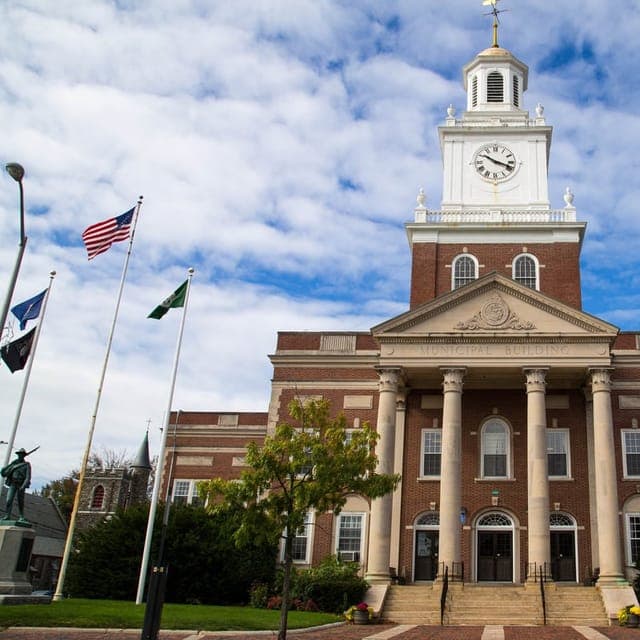
Cities & Towns in Strafford County
Cities in Strafford County
What It's Like Living in Strafford County, NH
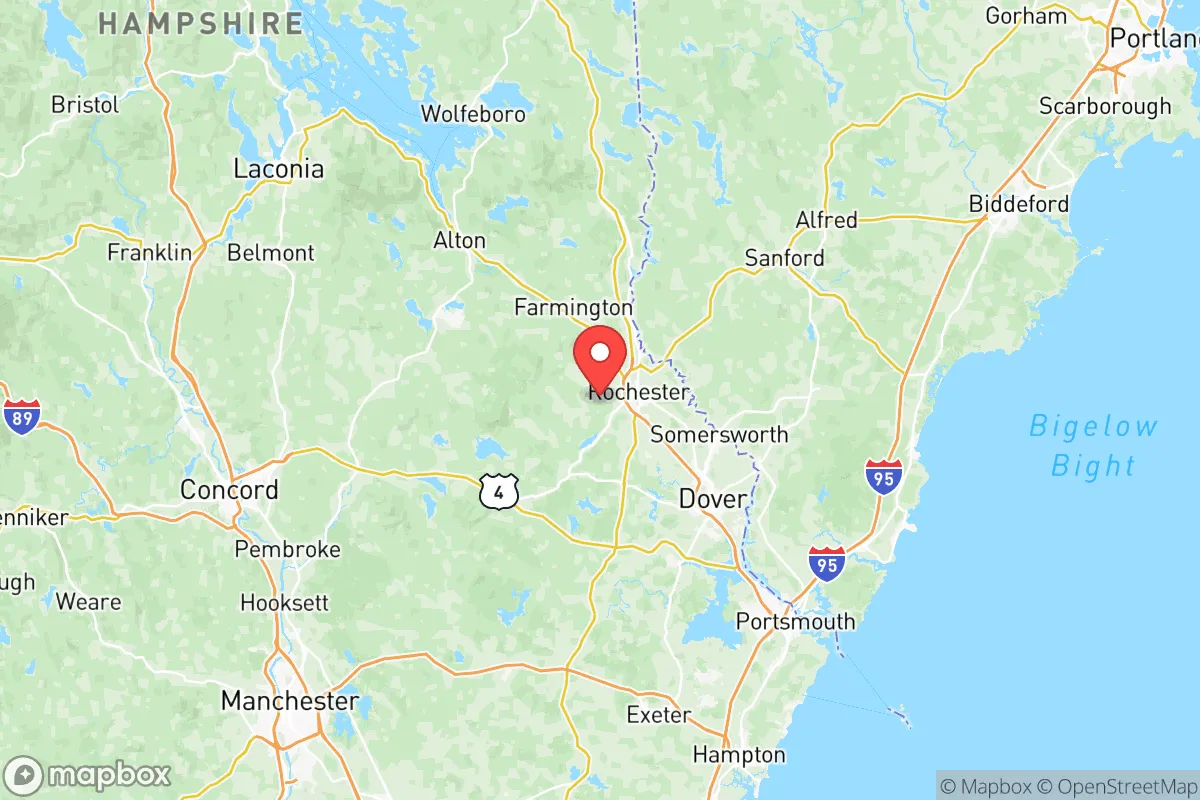
Strafford County sits in that sweet spot where New Hampshire’s seacoast meets its rural interior, giving it a split personality that’s part commuter suburb, part small-town New England. The county’s roughly 131,700 residents are spread across a mix of cities like Dover and Rochester, college towns like Durham, and quieter rural pockets like Farmington and Milton, each with its own distinct flavor. If you’re looking for a place where you can have a decent job in Portsmouth or Boston, own a home with some land, and still find a Friday-night fish fry at the local VFW, this might be your spot.
The Daily Rhythm: From College Town to Country Roads
Daily life in Strafford County varies a lot depending on which town you pick. In Dover, the county seat, you’ll find a walkable downtown with brick sidewalks, indie coffee shops like The White Heron, and a surprisingly good food scene for a city of about 33,000. People here commute an average of 26 minutes each way, which feels reasonable — long enough to listen to a podcast, short enough that you’re not losing your mind. Rochester, the county’s largest city by population, has a more working-class, blue-collar vibe, with big-box shopping along Route 11 and a growing number of craft breweries like Garrison City Beerworks. Durham is dominated by the University of New Hampshire, which means the median age dips and the town has a constant hum of student activity, from packed coffee shops to summer concerts at the town dock. Head north to Farmington or Milton, and you’re in true rural New Hampshire — dirt roads, ATV trails, and a pace of life that slows to a crawl in winter.
Weekends here are often spent outdoors or at local events. The county’s median home value sits at $332,400, which is steep for New Hampshire but still a relative bargain compared to Massachusetts or the immediate seacoast. That cost of living index of 120 (20% above the national average) reflects higher housing costs, but everyday expenses like groceries and gas tend to be manageable. The median household income of $86,564 helps balance things out, though you’ll notice a split between the more affluent professionals in Durham and Dover and the tighter budgets in the northern towns.
Sports, Community, and What People Actually Do for Fun
Sports culture in Strafford County is real but not obsessive. High school football is a big deal in towns like Dover and Somersworth, where Friday-night games at the local field draw families and alumni. UNH hockey is the closest thing to a pro-level experience — the Wildcats play at the Whittemore Center in Durham, and tickets are affordable enough that you can take the whole family without breaking the bank. For outdoor recreation, the county delivers. The Cocheco River runs through Dover and Rochester, offering kayaking and fishing, while the Blue Job State Forest in Farmington has hiking trails with views of the Lakes Region. In winter, locals hit the cross-country ski trails at Kingman Farm in Durham or drive an hour north to the bigger ski mountains.
Festivals and community events are a big part of the identity here. Dover’s Apple Harvest Day in October draws tens of thousands, with craft vendors, live music, and enough cider donuts to last the season. Rochester’s Rochester Fair is one of the oldest in the country, running since 1875, and it still feels like old-school New England — livestock shows, midway rides, and fried dough. Somersworth has its International Children’s Festival, a quirky, family-friendly event that celebrates the town’s cultural diversity. For nightlife, you’re mostly looking at breweries, pubs, and the occasional live music venue like The Stone Church in Newmarket (just over the county line) or Dover Brickhouse for local bands.
What Works, What Doesn’t, and Who Fits In
The kind of person who thrives in Strafford County is someone who values community and doesn’t need a 24-hour city. It’s a good fit for families — the schools in Oyster River (Durham, Lee, Madbury) are consistently ranked among the best in the state, and even the larger districts like Dover and Rochester have strong sports and arts programs. Single professionals tend to gravitate toward Dover or Durham for the social scene and walkability, while couples and retirees often choose the quieter towns for the space and lower taxes. The county leans conservative overall, but not aggressively so — you’ll find a mix of libertarian-leaning independents, moderate Republicans, and a liberal pocket around UNH. People here value self-reliance, but they’ll also help a neighbor dig out a car after a snowstorm.
On the honest pros and cons side, what longtime residents love is the balance: you’re close enough to the coast for a day trip to Portsmouth or Hampton Beach, but you’re not paying seacoast real estate prices. The violent crime rate is 118.7 per 100,000, which is low by national standards and feels safe even in the more urban areas. What frustrates people? The winter. It’s long, gray, and can run from November through April. The commute to Boston (about 75 minutes from Dover) is doable but draining for those who do it daily. And while the cost of living is manageable, property taxes in New Hampshire are high — you’ll pay for that lack of income tax somewhere. Still, for the 38.5% of residents with a college degree and the median age of 37.9, Strafford County offers a solid, grounded lifestyle that’s hard to find closer to the city.

* Values derived from national, state, county, city and local statistics and may differ in a specific area. Last updated: 2026-08-08T16:08:10.000Z
Narrative content on this page is AI-generated and may contain mistakes. Verify any details that matter before acting on them.
ReloMaps may earn a commission from affiliate links at no extra cost to you.

