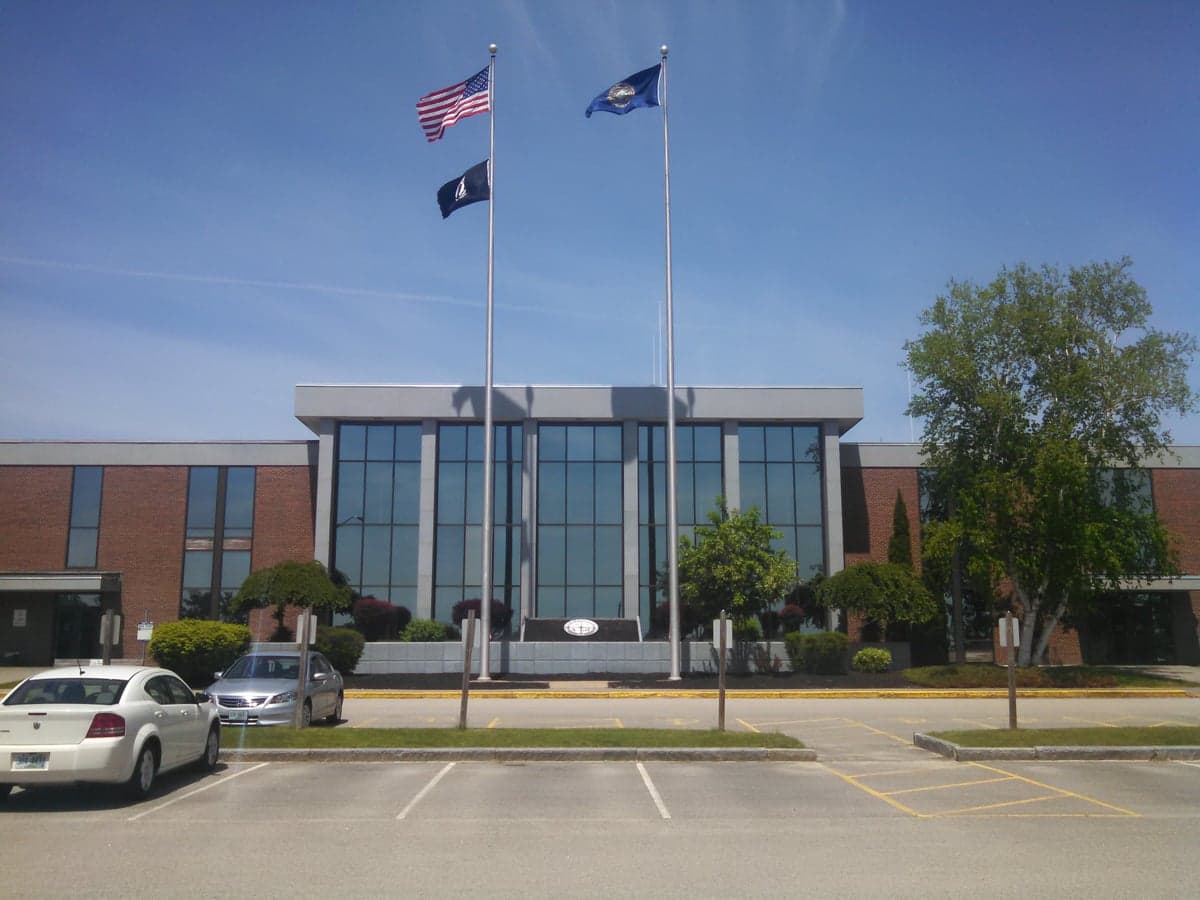
Photo: Wikipedia
Quality of Life in Strafford County
A livable area that tracks near national norms for affordability, walkability, and neighborhood health.
What does Quality of Life tell us?
Quality of Life measures an area by evaluating factors like cost of living, nearby amenities, country club access, airport proximity, socioeconomic signals and neighborhood character. For large states, this is a general average — quality of life can vary dramatically between metro areas, suburbs, and rural communities within the same state.
What does this tell us?
Quality of Life measures an area by evaluating factors like cost of living, nearby amenities, country club access, airport proximity, socioeconomic signals and neighborhood character. For large states, this is a general average — quality of life can vary dramatically between metro areas, suburbs, and rural communities within the same state.
Cost of Living
20% above national average
91%
The Real Cost of Living in Strafford County for 2026
| Tier | Individual | Family (4) |
|---|---|---|
| Survival | $23k | $42k |
| Comfortable | $65k | $95k |
| Luxury | $136k+ | $212k+ |
| Elite (Top 5%) | $161k+ | $249k+ |
Quality-of-Life Analysis
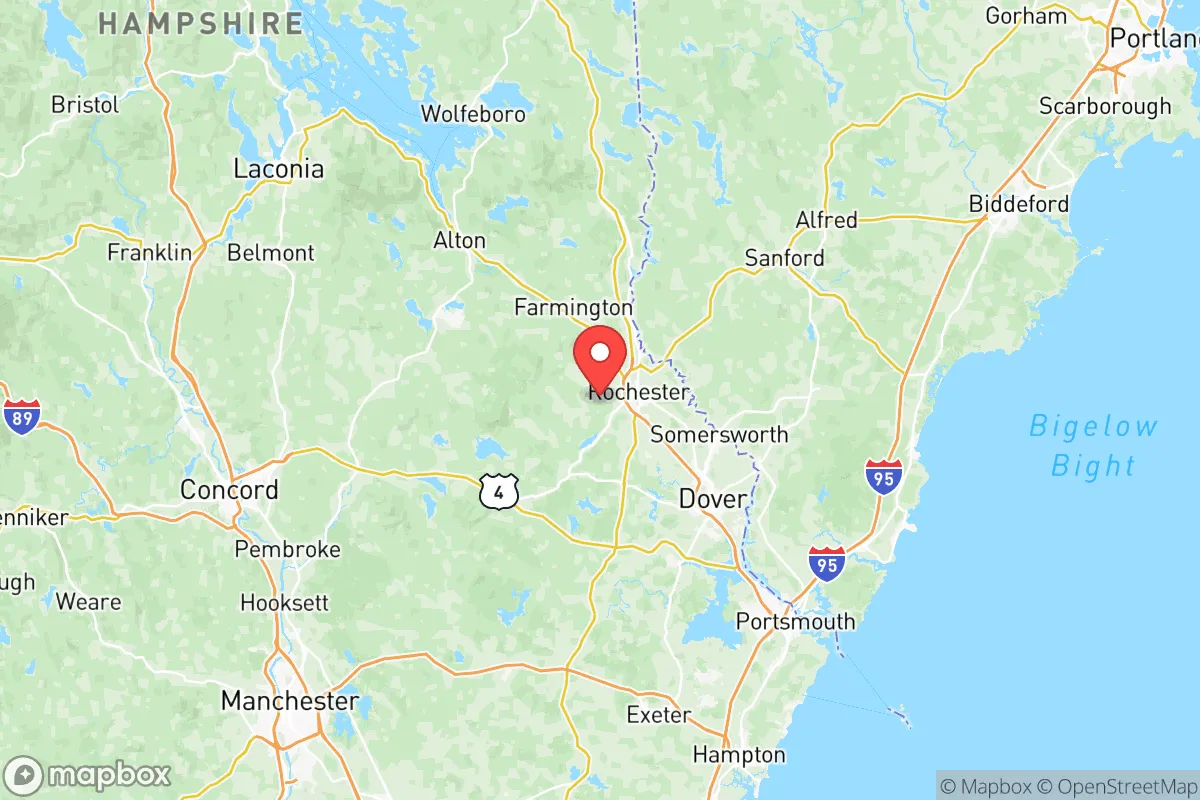
Strafford County, New Hampshire, offers a quality-of-life spectrum that ranges from the historic port city of Dover to the rural farmlands of Farmington and the lakeside communities of the county's northern reaches. The county's character is defined by this diversity, drawing young professionals and families to its walkable urban centers, while attracting those seeking land, privacy, and a slower pace to its smaller towns and unincorporated pockets. With a cost of living index of 120 (100 being the U.S. average), the county balances proximity to the Seacoast's employment hubs with more affordable inland options, making it a practical choice for commuters and remote workers alike.
Largest town(s) & population centers
Dover, the county seat and largest city, anchors the southeastern corner with a population of roughly 33,000. Daily life here centers on a revitalized downtown along the Cocheco River, featuring brick-paved streets, independent restaurants, and the Children's Museum of New Hampshire. The city's walkable core and the Dover Community Trail appeal to residents who prioritize urban amenities without the premium price tag of Portsmouth. Rochester, the second-largest city, offers a more suburban feel with a growing commercial corridor along Route 11 and the Lilac City Commons shopping center. Its housing stock includes older capes and ranches alongside newer subdivisions, attracting families priced out of Dover and Portsmouth. Somersworth, the smallest of the three cities, sits directly on the Maine border and has seen reinvestment in its mill district, with the Hilltop Fun Center and the Somersworth International Children's Festival providing community anchors. Commuters from all three cities face an average drive time of 25.8 minutes, with many heading south to Portsmouth or east to the Kittery, Maine, employment zone.
Smaller towns & rural pockets
Moving inland and north, the county transitions sharply into smaller towns and rural landscapes. Farmington, at the county's northwestern edge, retains a working-class, agricultural character with the Cocheco River running through its center and the Blue Job State Forest offering hiking. Milton, bordering Maine, is a quiet town of about 4,600 residents where the Branch River and the Moose Mountains provide a backdrop for outdoor recreation. Strafford, the town that gives the county its name, is largely rural with the Bow Lake and Parker Mountain areas drawing seasonal residents and second-home buyers. Durham, while home to the University of New Hampshire, functions as a distinct college town with a dense, walkable campus core and the surrounding conservation lands of the Great Bay and the Oyster River. Unincorporated areas like the Bow Lake Village and Parker Mountain neighborhoods offer lakefront and wooded lots that feel remote yet remain within 30 minutes of Dover's services.
Cost & lifestyle range
The cost of living varies noticeably across the county, with the median home value at $332,400 and median rent at $1,413. At the higher end, Durham commands a premium due to the university presence and limited housing inventory, with single-family homes often exceeding $400,000 and rental demand pushing two-bedroom apartments above $1,600. Dover sits in the middle, with its historic district and newer downtown condos driving values above the county median, while neighborhoods further from the city center offer more affordable capes and ranches. At the lower end, Farmington and Milton provide the most accessible entry points, with median home values often below $280,000 and rents closer to $1,200. The trade-off is clear: lower housing costs in the northern towns come with fewer retail options, longer drives to grocery stores, and limited public transit, whereas Dover and Rochester offer walkable downtowns and robust municipal services but at a higher monthly cost. Property taxes in New Hampshire are high statewide, but Strafford County's rates are generally lower than those in Rockingham County to the south, providing a slight offset for homeowners.
Strafford County suits a broad range of residents, from UNH faculty and graduate students in Durham to remote tech workers in Dover's loft apartments and tradespeople seeking affordable acreage in Farmington. The county's strength lies in its lack of a single dominant character — a resident can choose a downtown condo with a coffee shop downstairs or a 10-acre lot with a view of the Moose Mountains, all within a 30-minute commute of the Seacoast's major employers. Those who thrive here are typically comfortable with New Hampshire's lack of a state income tax and sales tax, balanced by higher property taxes and a pragmatic, live-and-let-live social atmosphere.

Crime in Strafford County
Lower crime rates than 82% of comparable U.S. locations.
Violent CrimeViolent Crime Analysis
Property CrimeProperty Crime Analysis
Crime Analysis
Strafford County, New Hampshire, presents a mixed safety profile that is significantly safer than the national average but carries notable risks in its urban centers. The county’s violent crime rate of 118.7 incidents per 100,000 residents is roughly one-third the U.S. average, while its property crime rate of 827.4 per 100,000 is about half the national figure. However, these countywide averages mask sharp disparities between the small cities and rural towns, driven largely by the progressive judicial policies of the county’s District Attorney and local courts.
Crime in context
Strafford County’s overall crime index is low by national standards, but it is the second most crime-prone county in New Hampshire after Hillsborough County. The violent crime rate of 118.7 per 100K is below the state average of roughly 140 per 100K, but property crime at 827.4 per 100K is above the New Hampshire average of approximately 750 per 100K. The county’s crime profile is heavily influenced by Dover and Rochester, the two largest cities, which together account for a disproportionate share of reported incidents. By contrast, rural towns such as Middleton and Milton report far fewer crimes per capita, often with violent crime rates below 50 per 100K. The Strafford County District Attorney’s Office has adopted progressive prosecution policies, including diversion programs and reduced sentencing for property and drug offenses, which critics argue have contributed to repeat offending and a perception of leniency in the county’s courts.
What residents experience
For most residents, daily life in Strafford County feels safe, but the experience varies sharply by location. In Dover, the county seat and a growing tech and education hub, property crime — particularly theft from vehicles and bicycle theft — is the most common complaint, with rates around 1,200 per 100K in the downtown core. Rochester has a higher violent crime rate, driven by drug-related assaults and domestic incidents, and its property crime rate exceeds 1,000 per 100K. Residents in these cities frequently report that the county’s liberal judicial approach results in short sentences for repeat property offenders, leading to a cycle of theft and vandalism that frustrates business owners and homeowners alike. In contrast, residents of Durham — home to the University of New Hampshire — experience very low violent crime but elevated rates of alcohol-related incidents and minor theft, which are often handled through campus-based restorative justice programs rather than traditional prosecution. The county’s progressive District Attorney has emphasized alternatives to incarceration, which has reduced jail populations but left many victims feeling that the justice system prioritizes offender rehabilitation over public safety and accountability.
Neighborhood-level variation is pronounced. The safest areas are the rural towns of Strafford and Lee, where violent crime is rare and property crime is typically limited to isolated incidents. The most concerning hotspots are the downtown districts of Dover and Rochester, particularly around the transit hubs and low-income housing complexes. Residents in these areas should take standard precautions — locking vehicles, securing bicycles, and installing exterior lighting — but should also be aware that the county’s justice system is unlikely to impose severe consequences for most property crimes. For those considering a move, the safest bet is to choose a rural town or a suburban neighborhood in Durham or Lee, while avoiding the core areas of Dover and Rochester where progressive policing and prosecution policies have created a permissive environment for repeat offenders.
* Values derived from national, state, county, city and local statistics and may differ in a specific area. Last updated: 2026-08-08T16:08:10.000Z
Narrative content on this page is AI-generated and may contain mistakes. Verify any details that matter before acting on them.
ReloMaps may earn a commission from affiliate links at no extra cost to you.

