Photo: Wikipedia
Find The Best Places To Live in Queens County
PRO TIP! You can paste a Zillow or Redfin link to get info on that property.
Best Places to Live in Queens County

Cities & Towns in Queens County
Cities in Queens County
What It's Like Living in Queens County, NY
Queens County is the most diverse urban county in the United States, a place where you can hear over 100 languages spoken within a single subway ride. It’s not a single city but a collection of distinct neighborhoods—from the high-rise skyline of Long Island City to the quiet, tree-lined streets of Bayside—that together form New York City’s largest borough by area. Living here means trading the manicured lawns of suburbia for a dense, energetic patchwork of immigrant communities, family-run businesses, and 24/7 transit access.
The Daily Rhythm: A Commuter’s Compromise
The average commute in Queens clocks in at just over 43 minutes, one of the longest in the nation, and that number shapes daily life more than almost anything else. For many residents, the day starts before 7 a.m. with a walk to the 7 train in Sunnyside or the E/F lines in Jackson Heights, heading into Manhattan for work in finance, tech, or healthcare. The trade-off is that you get to come home to a real neighborhood—one where the baker on Roosevelt Avenue knows your order and the same families have occupied the same brick houses in Bellerose for three generations.
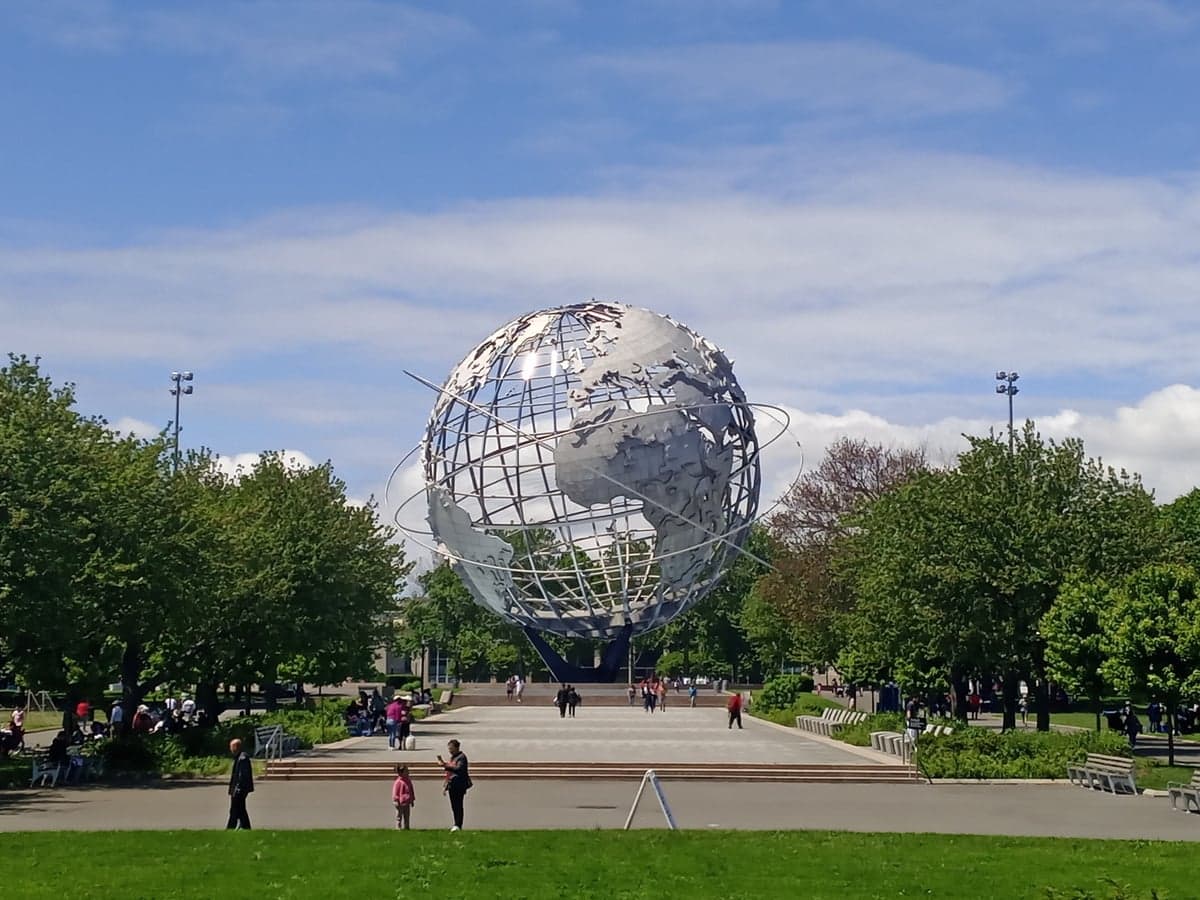
Weekends are when the borough exhales. Families pack the playgrounds at Flushing Meadows Corona Park, home to the USTA Billie Jean King National Tennis Center, while younger crowds hunt for dumplings in Flushing’s Chinatown or hit the breweries popping up along the waterfront in Astoria. The food scene is the true civic religion here: you can eat your way around the world in a single afternoon, from Colombian arepas in Corona to Greek tavernas in Astoria and Thai street food in Woodside. It’s a place where a $5 meal can still be genuinely world-class, and where longtime residents will argue passionately about which Jackson Heights Indian restaurant is the best.
Who Fits In Here: The Spectrum of Queens Living
Queens is less a single lifestyle than a spectrum of them, which makes it unusually welcoming to different life stages. The median age is 40.4, and the county’s 2.3 million residents span everyone from recent college grads sharing apartments in Ridgewood to multi-generational immigrant families in Elmhurst. The median household income sits at $84,961, but that number masks a wide gap—you’ll find young professionals earning six figures in Long Island City’s glass towers and working-class families in Ozone Park making ends meet on far less.
The kind of person who thrives here is someone who values convenience and culture over space and silence. If you’re a family, you’ll find that the public schools in neighborhoods like Bayside and Forest Hills are genuinely strong, with active PTAs and a real sense of community around Friday-night football at Benjamin Cardozo High School. If you’re single, you’ll appreciate that the median home value of $699,200 is actually a bargain compared to Manhattan, though the cost of living index of 198 means you’ll still feel the squeeze on everyday expenses. The trade-off is that you can live without a car in most of the borough, and the subway can get you to Midtown in under 30 minutes from many stops.
Sports, Parks, and the Local Identity
Queens is one of the few places in America where you can watch two professional baseball teams play within the same county. The New York Mets play at Citi Field in Flushing, and while they’ve been a source of perennial heartbreak, the atmosphere on a summer night is electric—especially when the cross-town Yankees come to visit. The borough also hosts the U.S. Open every September, turning the tennis center into a two-week festival of celebrity sightings and overpriced cocktails. For the more active set, the 897-acre Forest Park in Kew Gardens offers hiking trails and a golf course, while the Rockaway Beach surf scene on the peninsula feels like a completely different world from the rest of the borough.
Local identity here is fiercely neighborhood-based. Ask someone from Astoria and they’ll tell you they’re from Astoria, not Queens, and the same goes for residents of Howard Beach, Whitestone, or Richmond Hill. This hyper-local pride is a double-edged sword: it creates tight-knit communities where neighbors look out for each other, but it can also make the borough feel fragmented. The one thing that unites everyone is a shared frustration with the MTA—delays on the 7 train are a universal topic of conversation—and a shared pride in the borough’s role as the true melting pot of New York City.
Pros and Cons: An Honest Assessment
Living in Queens comes with real trade-offs that anyone considering a move should weigh carefully. The pros are substantial: unmatched diversity and food, genuine transit access to Manhattan, and more space for your dollar than Brooklyn or the city core. The cons are equally real—a violent crime rate of 363.5 per 100,000 residents is higher than the national average, though it varies dramatically by neighborhood, and the commute grind can wear you down over time. Summers are hot and humid, winters are cold and slushy, and the cost of living at 198 on the index means your paycheck won’t stretch as far as it would in Texas or Florida.
What ultimately keeps people here is the sense that Queens is a place where you can build a real life without sacrificing the energy of the city. The 35.3% of residents with college degrees mix with everyone else in a way that feels organic, not curated. You’ll see a surgeon in scrubs buying produce next to a cab driver at the same corner market in Rego Park. It’s not the easiest place to live, but for the right person—someone who values authenticity over polish and community over convenience—it’s hard to imagine living anywhere else.

* Values derived from national, state, county, city and local statistics and may differ in a specific area. Last updated: 2026-10-13T23:53:35.000Z
Narrative content on this page is AI-generated and may contain mistakes. Verify any details that matter before acting on them.
ReloMaps may earn a commission from affiliate links at no extra cost to you.

