Photo: Wikipedia
Political ClimatePolitical Climate in Newark, NJ
District shown is the primary district for this city’s centroid. Cities may span multiple districts.
Local Political AnalysisPolitical Analysis of Newark, NJ
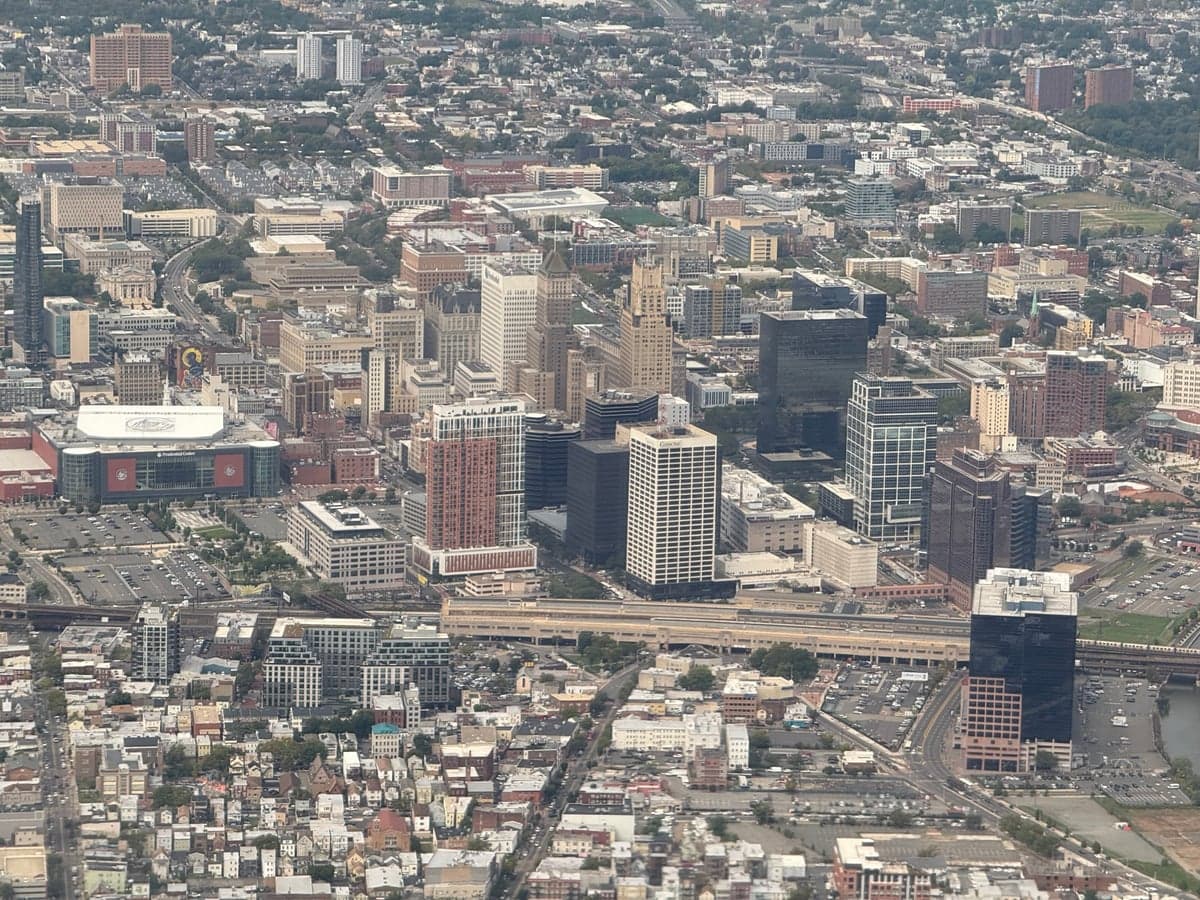
Look, I’ve lived in and around Newark my whole life, and I’ll tell you straight: this city is about as blue as it gets. The Cook PVI sits at D+27, meaning Newark votes 27 points more Democratic than the national average. That’s not just a lean—it’s a lock. In the 2024 presidential race, Essex County (where Newark is the anchor) went for the Democratic candidate by a margin of roughly 70-28. It wasn’t always this way. Back in the 1980s and 90s, you had a more mixed bag—some moderate Democrats and even a few Republicans holding local offices. But over the last two decades, the shift has been relentless. The machine is strong, and the progressive wing has taken over the city council and school board. If you’re looking for a place where your vote might actually matter in a statewide or national election, this isn’t it. The primary is the real election here, and even that is often a rubber stamp for the party-backed candidate.
How it compares
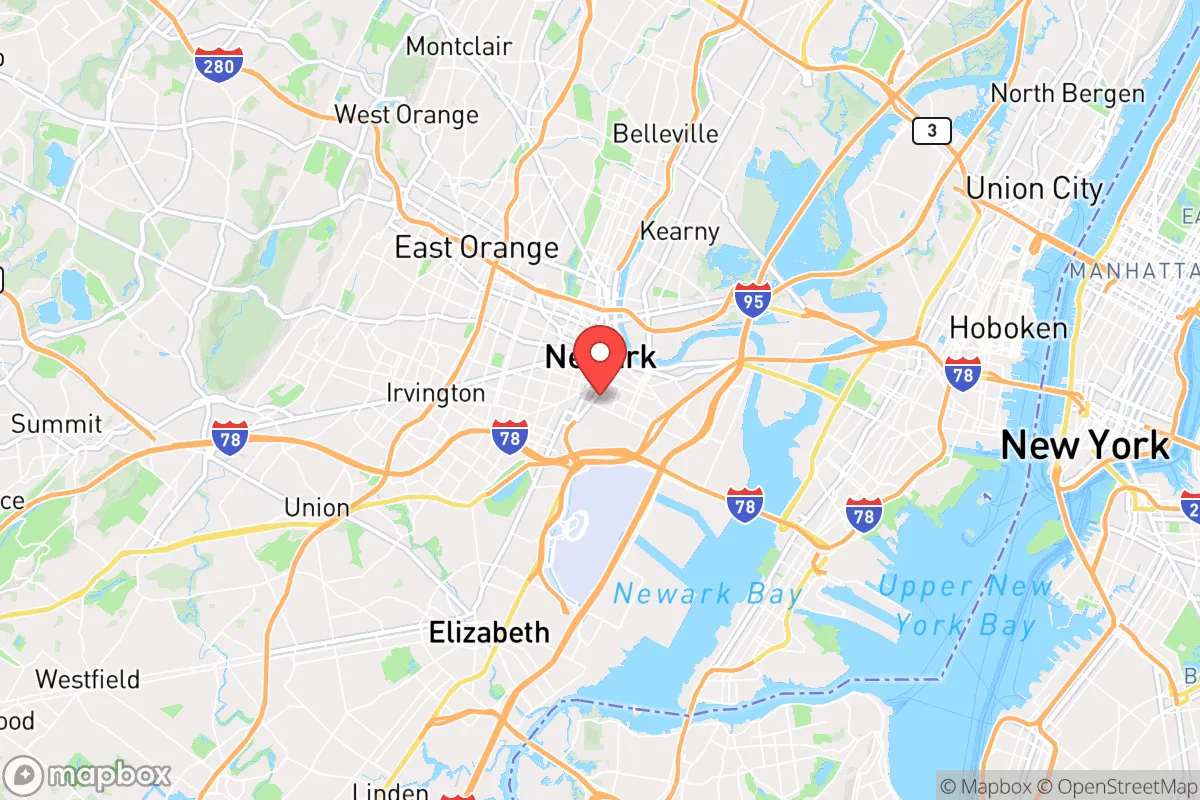
Drive 15 minutes west to the Oranges or Maplewood, and you’ll find a similar story—D+20 or higher. But head north to Kearny or Harrison, and the numbers start to shift. Those towns are still blue, but they’re more working-class, less ideologically rigid. Go further out to Morris County—places like Morristown or Parsippany—and you’ll see a real contrast. Those areas are purple to light red, with Republicans winning local races and even carrying the county in presidential years. The difference is night and day. In Newark, you’ve got a city government that’s all-in on progressive policies: sanctuary city status, defunding police rhetoric (though they walked that back after crime spiked), and a school system that’s been under state control for decades because of corruption and mismanagement. The surrounding suburbs, especially the wealthier ones like Millburn or Livingston, are also deep blue but with a different flavor—more NIMBY, less street-level chaos. They’ll vote for higher taxes and social programs, but they don’t want the homeless shelters or affordable housing in their backyards. Newark gets the brunt of it.
What this means for residents
For the average person living here, the political climate translates directly into your wallet and your safety. Property taxes are among the highest in the nation—Newark’s effective rate is around 2.8%, and they keep creeping up. The city council just passed another budget with a 3% tax hike, and you can bet the services won’t improve. The police department has been under a federal consent decree since 2016, and while crime has dropped from the 2021 peak, it’s still high. You’re looking at a city where the government’s first instinct is to regulate, tax, and mandate. Want to open a small business? Good luck with the permitting process and the red tape. Want to send your kid to a charter school? The teachers’ union fights it every step of the way. The political culture here is one of top-down control—the state legislature and the governor (both Democrats) have a heavy hand in city affairs. There’s very little room for local autonomy or dissent. If you value personal freedom—like choosing your own healthcare, deciding what your kids learn, or keeping more of your paycheck—this environment will feel suffocating.
One thing that stands out culturally is the way the city’s political machine operates. It’s old-school patronage mixed with new-school identity politics. You’ve got ward bosses who control access to jobs and contracts, and they’re all tied to the county party. The mayor, Ras Baraka, is a progressive firebrand who’s been in office since 2014. He’s pushed for things like a municipal ID program for undocumented residents and a “People’s Budget” that funnels money to community groups. On the surface, it sounds inclusive. In practice, it means more government intrusion into your life and less accountability. The city’s also a sanctuary jurisdiction, which means local police won’t cooperate with federal immigration enforcement. That’s a double-edged sword—it protects some families, but it also means you’ve got a population that’s harder to track and regulate. If you’re a conservative or even a moderate, you’ll feel like an outsider here. The public discourse is dominated by progressive activism, and dissenting voices are often shouted down. My honest take? Newark’s political trajectory is set: more taxes, more regulation, less freedom. If that doesn’t sit right with you, I’d look at the suburbs to the west or south before it gets worse.

State Political ClimatePolitical Climate in New Jersey
State Political AnalysisPolitical Environment in the State
New Jersey has long been a solidly blue state in presidential elections, with Democrats winning the state by double digits in every cycle since 2008. However, beneath that top-line number lies a deeply divided state where the political climate is far more complex than the statewide results suggest. The dominant coalition is a mix of urban progressives, powerful public-sector unions, and suburban moderates, but over the past 10-20 years, the state has seen a slow but steady rightward drift in its suburban and exurban counties, even as the urban cores have become more uniformly liberal. For a conservative-leaning individual or family, the picture is mixed: you get reliable blue-state governance at the top, but significant pockets of red and purple resistance on the ground.
Urban vs. rural divide
The political map of New Jersey is a classic tale of three regions. The urban corridor—Newark, Jersey City, Paterson, and Elizabeth—drives the state’s Democratic dominance, with these cities routinely delivering 70-80% of their vote to Democratic candidates. The suburban ring of Bergen, Essex, and Middlesex counties has trended blue over the last decade, driven by professional-class voters and growing minority populations. But the real story for conservatives is the rural and exurban west and south. Counties like Sussex, Warren, Hunterdon, and Salem have become reliably red, with Sussex County voting +18 for Trump in 2024. Ocean County, anchored by Toms River and Lakewood, is a Republican stronghold, while Burlington and Gloucester counties in South Jersey are competitive but leaning red. The Pinelands region and the Delaware River towns like Lambertville and Frenchtown are small but notable conservative enclaves. The divide is stark: drive 30 minutes west from Newark and you’re in Trump country.
Policy environment
New Jersey’s policy environment is a cautionary tale for conservatives. The state has the highest property taxes in the nation, averaging over $9,500 per year, and a progressive income tax that tops out at 10.75% for earners over $1 million. The regulatory posture is heavy: the state has its own strict environmental rules, a gas tax that is among the highest in the country, and a complex business permitting process that drives small employers to neighboring Pennsylvania or Delaware. Education policy is dominated by the teachers’ union, with per-pupil spending exceeding $25,000 annually, yet outcomes in urban districts remain poor. Healthcare is heavily regulated, with a state-based insurance exchange and Medicaid expansion. Election laws are among the most liberal: no-excuse mail-in voting was made permanent in 2020, and same-day voter registration is available. For a conservative, the policy environment feels like a constant headwind—high taxes, heavy regulation, and a government that prioritizes union interests over individual choice.
Trajectory & freedom
Over the past five years, New Jersey has become less free in several key areas. The 2022 gun law package, signed by Governor Phil Murphy, banned .50 caliber rifles, raised the purchasing age for long guns to 21, and required a permit to purchase handguns—one of the strictest regimes in the country. On parental rights, the state passed a law in 2023 that prevents school districts from requiring parental notification if a child changes their gender identity or pronouns, a direct blow to family autonomy. Medical autonomy took a hit with the state’s strict COVID-19 mandates, including a vaccine requirement for healthcare workers that remains in effect. Property rights are constrained by the state’s aggressive use of eminent domain and the Mount Laurel Doctrine, which forces municipalities to zone for affordable housing. On the plus side, the state has not enacted a broad-based rent control law, and there is no state income tax on Social Security benefits. But the overall trajectory is toward more government control, not less.
Civil unrest & political movements
New Jersey has seen its share of political flashpoints. The Black Lives Matter protests in Newark and Trenton in 2020 were large but mostly peaceful, though property damage occurred in downtown Newark. The state’s sanctuary policies are a major point of contention: since 2018, state law limits cooperation between local police and federal immigration authorities, and in 2023, the state expanded driver’s licenses to undocumented immigrants. This has created friction in towns like Howell and Jackson, where residents have protested the placement of migrant shelters. On the right, the New Jersey Firearms Coalition and the Garden State Second Amendment group are active, organizing rallies at the statehouse. Election integrity remains a hot-button issue, with Republicans pointing to the 2020 mail-in voting expansion as a source of fraud, though no major cases have been proven. The Lakewood community—a large Orthodox Jewish enclave—has become a political force, often aligning with Republicans on school choice and religious liberty issues.
Projection
Looking ahead 5-10 years, New Jersey is likely to become more polarized, not less. The urban cores will continue to drive Democratic dominance, but the suburbs are slowly shifting right as families flee high taxes and progressive policies. The in-migration pattern is telling: New Jersey lost population for the first time in decades in 2020-2023, with many leaving for Florida, Texas, and the Carolinas. Those who stay are often older, wealthier, or tied to the public sector. The state’s debt burden—over $50 billion in unfunded pension liabilities—will force either massive tax hikes or service cuts, both of which will accelerate the exodus. For a conservative moving in now, expect a decade of grinding political battles over taxes, school choice, and Second Amendment rights, with the state government likely remaining firmly in Democratic hands. The best bet is to settle in a red county like Sussex or Ocean, where local governance is more aligned with conservative values, even as the state-level headwinds persist.
For a conservative individual or family, New Jersey offers a high-cost, high-regulation environment with significant local variation. If you value low taxes, gun rights, and parental autonomy, the state will be a constant frustration. But if you have a job in New York or Philadelphia and can afford the taxes, there are pockets of freedom in the western and southern counties where you can live among like-minded neighbors. The bottom line: New Jersey is a blue state with red islands, and the islands are shrinking. Move here only if you have a compelling economic reason, and choose your town carefully—the difference between living in Montclair and living in Andover is the difference between two different Americas.
* Values derived from national, state, county, city and local statistics and may differ in a specific area. Last updated: 2026-04-30T05:24:19.000Z
Narrative content on this page is AI-generated and may contain mistakes. Verify any details that matter before acting on them.
ReloMaps may earn a commission from affiliate links at no extra cost to you.

