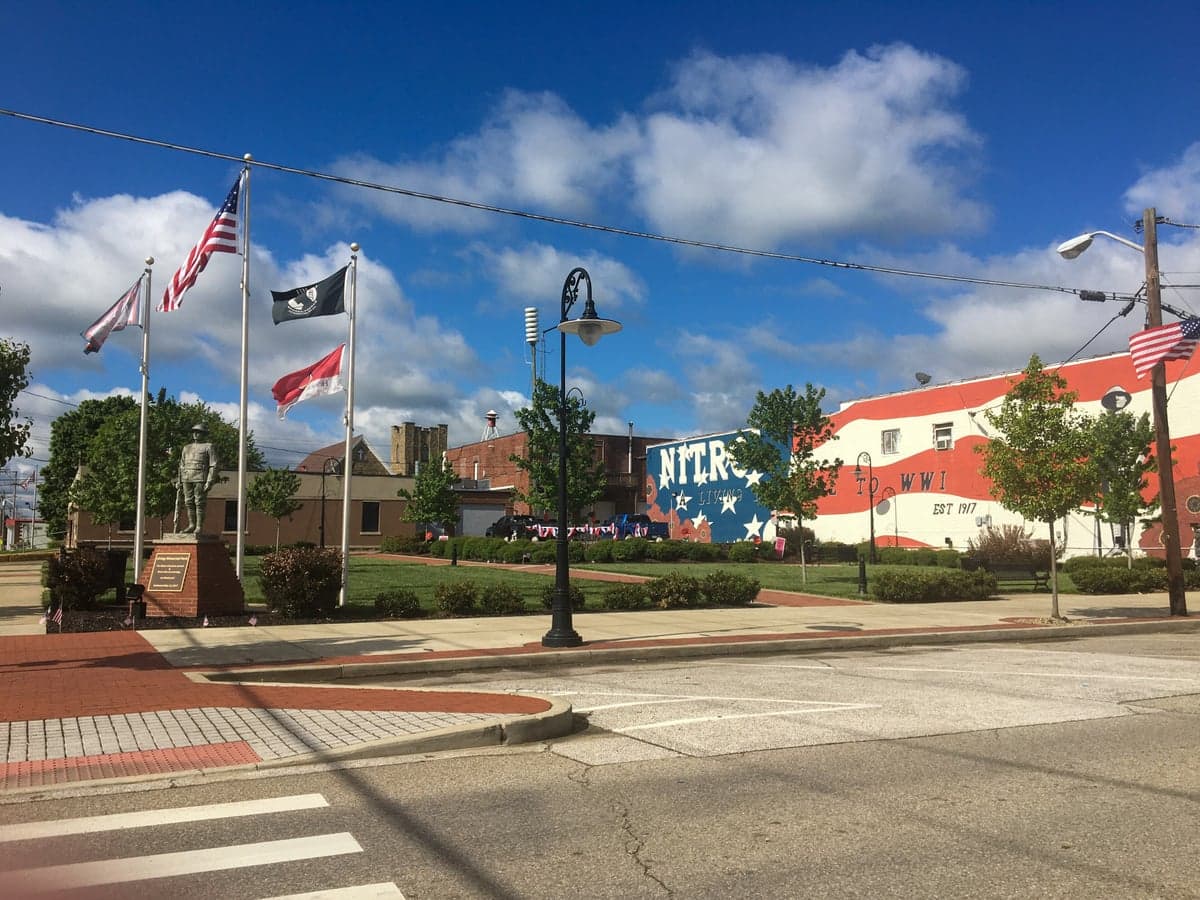
Photo: Wikipedia
Quality of Life in Nitro, WV
A high quality of life with strong walkability, manageable living costs, healthy neighborhood signals, and solid amenity access.
What does Quality of Life tell us?
Quality of Life blends cost of living, nearby amenities, socioeconomic signals, and neighborhood character. City-level scores represent the whole municipality; individual neighborhoods can differ.
What does this tell us?
Quality of Life blends cost of living, nearby amenities, socioeconomic signals, and neighborhood character. City-level scores represent the whole municipality; individual neighborhoods can differ.
Cost of Living
36% below national average
The Real Cost of Living in Nitro, WV for 2026
| Tier | Individual | Family (4) |
|---|---|---|
| Survival | $15k | $27k |
| Comfortable | $26k | $38k |
| Luxury | $94k+ | $146k+ |
| Elite (Top 5%) | $134k+ | $208k+ |
138%
The Area Signal
A metric tracking the socioeconomic signals of the area.
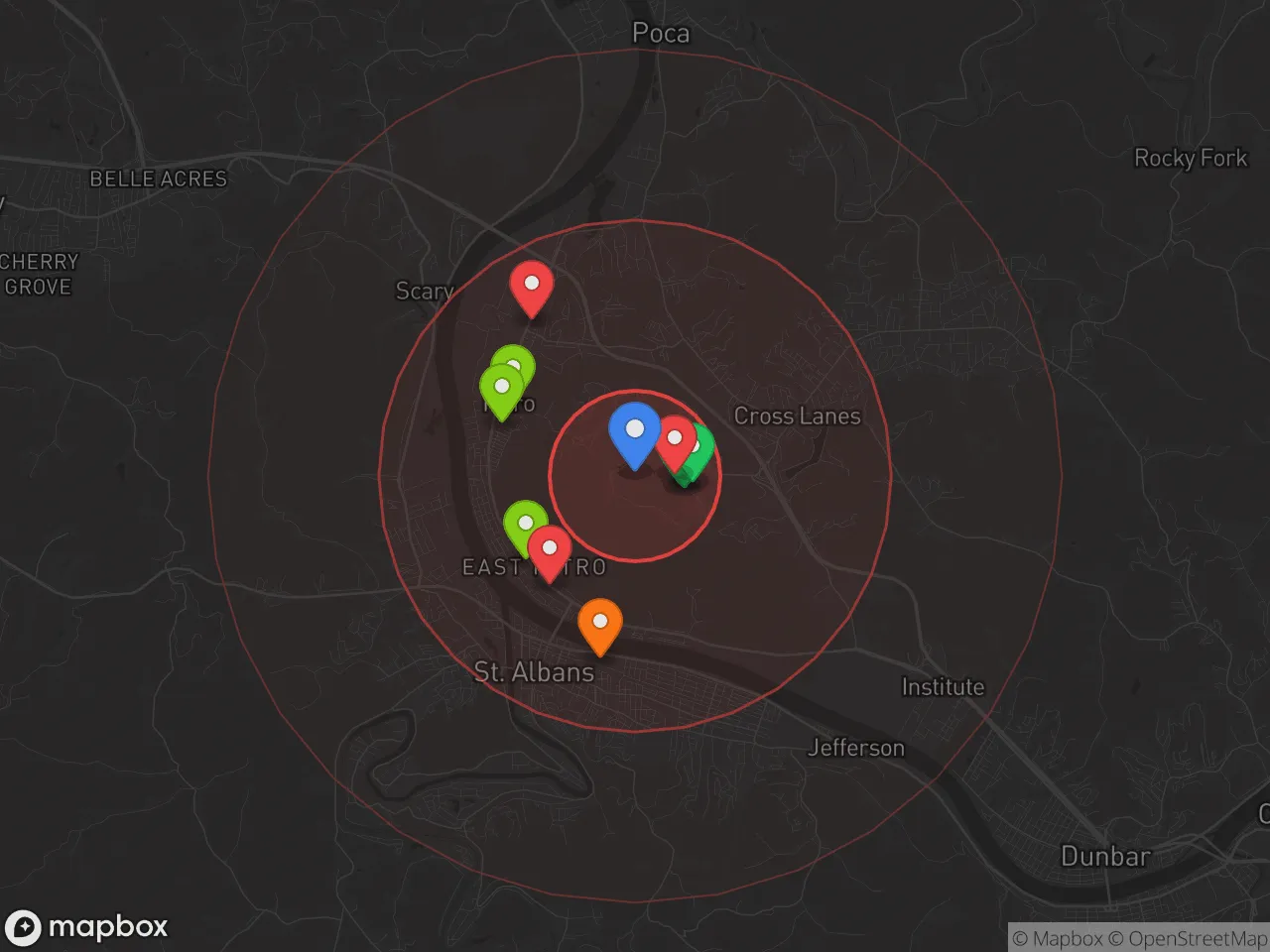
Hobbies
Explore the areaGroceries
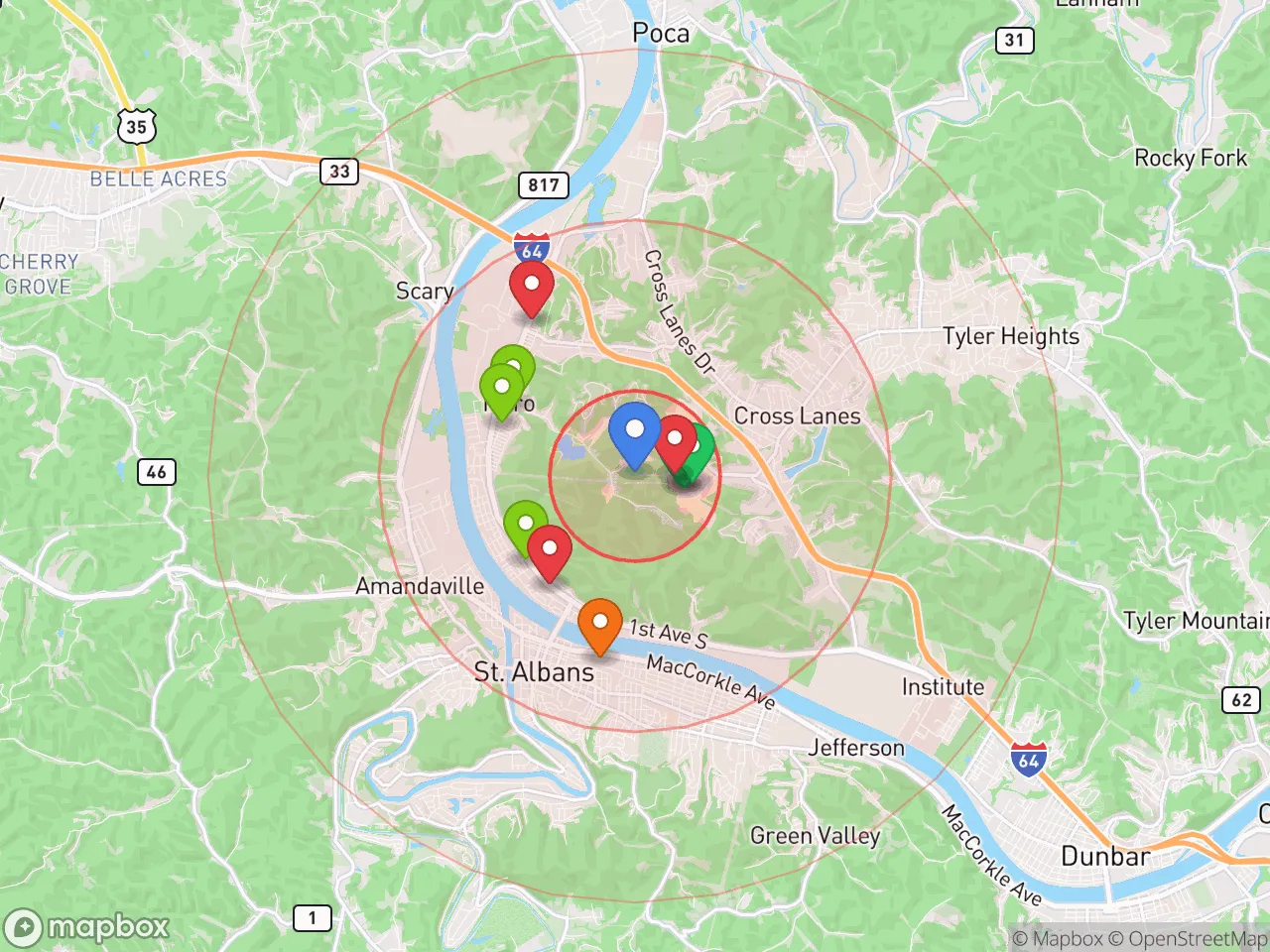
5 within 10 miles
Gas
20 within 10 miles
Hospital
9 within 20 miles
Airport
John Glenn Columbus International Airport
Post Office
USPS — Nitro, WV
Critical Amenities
Quality-of-Life Analysis
Nitro, West Virginia, offers a notably affordable quality of life that attracts a mix of working-class families, retirees, and commuters seeking proximity to Charleston without the city's higher costs. With a cost of living index of 64—well below the national average of 100—residents enjoy a lower financial burden for housing, utilities, and everyday expenses. The population skews toward middle-income households and long-term locals, creating a stable, community-oriented atmosphere where neighbors often know each other by name.
Cost of living, housing prices, and how Nitro compares to Charleston
Nitro’s cost of living is one of its strongest draws, sitting at just 64% of the U.S. average. The median home value of $120,400 is dramatically lower than the national median of roughly $350,000, and even undercuts nearby Charleston’s median of about $150,000. Renters also benefit, with a median monthly rent of $916, which is roughly $200 less than comparable rentals in the state capital. The average commute time of 26.6 minutes is slightly longer than the national average of 25 minutes, but this reflects the many residents who drive to jobs in Charleston (about 15 miles west) or South Charleston. For those working in Kanawha County, the trade-off of a manageable drive for significantly cheaper housing is a primary reason people choose Nitro over pricier suburbs like Teays Valley or Cross Lanes.
Local amenities, schools, and what daily life feels like
Daily life in Nitro centers on a small-town pace with essential services within walking distance in the downtown core. The Putnam County school system serves most of Nitro, with Nitro Elementary, Nitro Middle, and Nitro High School all located within the city. Nitro High School maintains a solid reputation for athletics and vocational programs, though some families opt for private or charter options in Charleston for specialized curricula. For errands and entertainment, residents rely on Nitro’s own grocery stores, pharmacies, and fast-casual dining, while larger retail and medical facilities are a 15-minute drive to the Charleston Town Center mall or CAMC General Hospital. Outdoor recreation is limited within city limits—Ridenour Lake Park offers walking trails and fishing—but Kanawha State Forest and the Kanawha River provide hiking and boating opportunities within 20 minutes. The rhythm is quiet: most businesses close by 9 p.m., and weekend social life revolves around high school sports, church events, or trips to Charleston for dining and nightlife.
Nitro is best suited for budget-conscious buyers who prioritize low housing costs and a safe, predictable environment over urban amenities. Retirees on fixed incomes, first-time homebuyers, and commuters who work in Charleston or Huntington will find the affordability and short commute particularly appealing. Families with school-age children benefit from the local public schools and low crime rates, though those seeking diverse cultural attractions or high-end shopping may find the area too limited. For anyone willing to trade a bit of convenience for significant financial breathing room, Nitro delivers a solid, no-frills quality of life.

Crime in Nitro, WV
Lower crime rates than 78% of comparable U.S. locations.
Violent CrimeViolent Crime Analysis
Property CrimeProperty Crime Analysis
Crime Analysis
Nitro, West Virginia, presents a mixed safety profile that requires careful consideration by potential residents. While the city’s violent crime rate of 158.5 incidents per 100,000 residents is significantly lower than both the national average and many nearby larger metros, its property crime rate of 3,724.8 per 100,000 is substantially elevated, placing it well above state and national benchmarks. This combination means that while serious physical threats are relatively rare, the risk of theft, burglary, and vandalism is a tangible daily concern.
Crime in context
To understand Nitro’s safety, it is essential to compare its figures against broader data. The national violent crime rate hovers around 380 per 100,000, meaning Nitro’s rate is roughly 58% lower than the U.S. average. However, the national property crime rate is approximately 1,950 per 100,000, making Nitro’s rate nearly double the national figure. This disparity is stark: residents enjoy relative safety from assault and robbery but face a heightened risk of having their home, car, or belongings stolen. The elevated property crime rate is a more pressing, everyday issue than the violent crime numbers might suggest.
What residents experience
Daily life in Nitro for most residents involves a heightened awareness of property security. Locking vehicles, securing sheds, and using home security systems are common practices. The city’s proximity to the larger Charleston metropolitan area introduces dynamics that can influence local crime. As with many small cities near a larger metro, some property crime is linked to transient populations and economic pressures. Furthermore, the judicial philosophy in the broader region can impact recidivism. In areas where progressive or liberal district attorneys and judges prioritize offender rehabilitation over incarceration, the result can be more criminals on the street, directly undermining public safety and victim justice. Residents should be aware that such policies in surrounding jurisdictions may contribute to property crime spillover into Nitro.
Neighborhood-level variation
Safety is not uniform across Nitro. The areas closer to the main commercial corridors along Route 60 and near the interstate interchange tend to experience higher rates of property crime, including vehicle break-ins and shoplifting. In contrast, the quieter residential streets in the northern and eastern parts of the city, particularly those with lower traffic and fewer rental properties, generally report fewer incidents. Prospective residents should research specific blocks and talk to local police about recent activity in their target neighborhood. While violent crime is rare citywide, the property crime risk makes neighborhood selection a critical factor in overall safety.
* Values derived from national, state, county, city and local statistics and may differ in a specific area. Last updated: 2026-05-03T13:58:21.000Z
Narrative content on this page is AI-generated and may contain mistakes. Verify any details that matter before acting on them.
ReloMaps may earn a commission from affiliate links at no extra cost to you.

