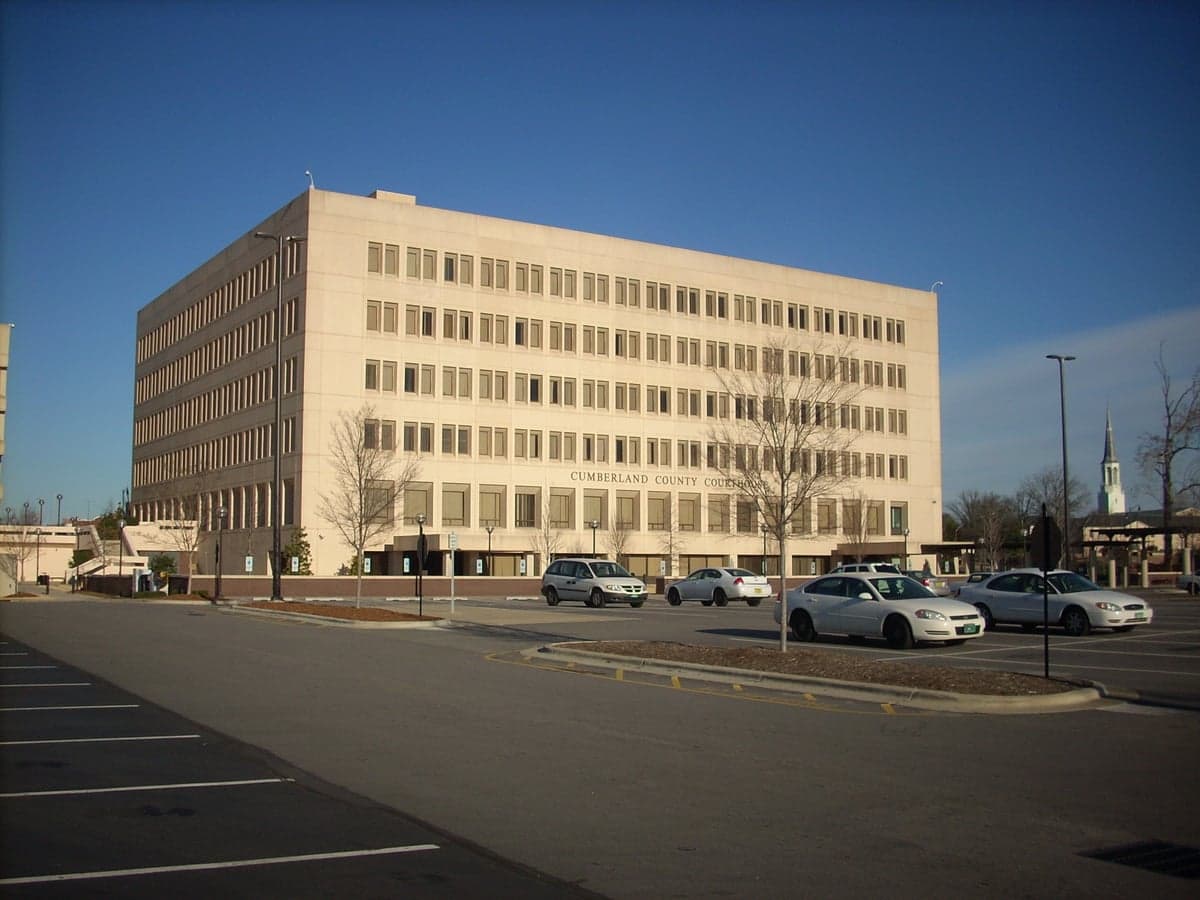
Photo: Wikipedia
Find The Best Places To Live in Cumberland County
PRO TIP! You can paste a Zillow or Redfin link to get info on that property.
Best Places to Live in Cumberland County
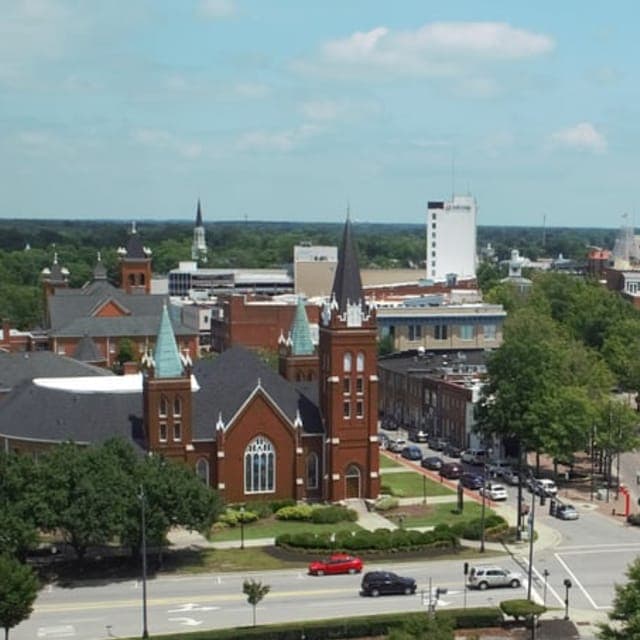
Cities & Towns in Cumberland County
Cities in Cumberland County
What It's Like Living in Cumberland County, NC
Cumberland County is a place where military service, small-town roots, and a surprisingly young population mix together in a way you don’t see in most of North Carolina. With Fayetteville as its anchor and smaller communities like Hope Mills, Spring Lake, and Stedman dotting the landscape, the county feels less like a single metro area and more like a collection of distinct towns held together by the presence of Fort Liberty (formerly Fort Bragg). The median age here is just 31.8, which means you’ll find a lot of young families, active-duty soldiers, and recent veterans, but also a quieter rural side where people have lived for generations.
Daily Rhythm: Where People Work, Shop, and Eat
For most people in Cumberland County, the day starts early. A huge chunk of the workforce heads to Fort Liberty, which means the traffic on Bragg Boulevard and the All-American Freeway is real — but the average commute is only about 21 minutes, which is noticeably shorter than what you’d face in Raleigh or Charlotte. People who don’t work on base tend to cluster around the county’s commercial spine: the Cross Creek Mall area in Fayetteville, the growing retail corridor in Hope Mills, and the smaller downtowns of towns like Spring Lake and Eastover. Hope Mills has a particularly strong local identity, with its lake and park drawing families on weekends, while Fayetteville’s Haymount district offers a more walkable, older-neighborhood feel with local coffee shops and restaurants like Mash House Brewing Company.
Grocery shopping is straightforward — you’ve got your Harris Teeter, Publix, and Food Lion options — but the real local flavor comes from the many Latin American and Asian markets that reflect the county’s diverse military-connected population. Weekend mornings often mean breakfast at a local diner like the Blue Moon Cafe in Fayetteville or a trip to the Fayetteville Farmers Market for produce and crafts.
Sports, Community, and What People Do for Fun
Sports are a big deal here, but not in the way you might expect. There’s no major pro team in the county, but high school football in places like Seventy-First High School and Jack Britt High School draws serious crowds on Friday nights. The Fayetteville Marksmen, a minor-league hockey team, have a loyal following at the Crown Coliseum, and the military presence means you’ll find a lot of pickup sports leagues and recreational sports through base programs. For college sports fans, it’s a short drive to see the UNC-Pembroke Braves or the Campbell Fighting Camels, and many locals make the trip to Raleigh or Chapel Hill for ACC games.
Outdoor life centers on the Cape Fear River and the county’s many parks. Carvers Creek State Park in Spring Lake is a favorite for hiking and fishing, and the Cape Fear River Trail in Fayetteville gives you a paved path that runs for miles through woods and wetlands. The biggest annual event is the Dogwood Festival in Fayetteville, which brings in carnival rides, live music, and a parade that feels like the whole county shows up. Smaller towns like Stedman and Linden have their own community festivals, often centered around fire departments or churches, which is where you really feel the rural side of the county.
Pros and Cons of Living in Cumberland County
The honest upside is affordability. The cost of living index sits at 86, well below the national average, and the median home value of $183,700 means a young family or a single person can actually buy a house here — something that’s getting harder in the rest of the state. The median household income of $58,780 is modest, but it goes further here than in most places. The downside is that the economy is heavily tied to the military, which means when Fort Liberty has a deployment cycle, local businesses feel it, and the rental market can swing unpredictably.
Crime is a real concern. The violent crime rate of 311.3 per 100,000 is higher than the national average, and it’s concentrated in parts of Fayetteville — particularly around the Murchison Road corridor and some areas near the base. Most of the smaller towns like Hope Mills and Eastover feel much safer, and many families choose those communities specifically to get away from the higher-crime areas. The school system is a mixed bag: some schools, like Jack Britt High School, are well-regarded, while others struggle with funding and performance, so school choice is a big factor in where people decide to live.
Weather here is typical for the Sandhills region: hot, humid summers, mild winters with occasional snow flurries, and a lot of thunderstorms in the spring. Hurricanes rarely hit hard, but tropical storms can bring flooding to low-lying areas near the Cape Fear River. The seasonal rhythm is defined more by the military calendar than the weather — summer brings a wave of new arrivals for training cycles, and the holidays see a lot of families traveling to visit loved ones stationed elsewhere.
What longtime residents love most is the sense of community that comes from living in a place where people from all over the country pass through. You meet neighbors who grew up in California, Texas, or Germany, and that mix keeps the county from feeling insular. What frustrates them is the transient nature of it — good friends move away every few years, and the constant turnover can make it hard to build deep roots. If you’re looking for a place where you can buy a reasonable house, find a job tied to the base or the service industry, and raise a family in a town like Hope Mills or Spring Lake without breaking the bank, Cumberland County makes a lot of sense. If you want a stable, long-term community with deep local traditions, you’ll find it in the rural towns — just know that the county’s identity is always shifting with the next deployment cycle.

* Values derived from national, state, county, city and local statistics and may differ in a specific area. Last updated: 2026-08-08T12:36:14.000Z
Narrative content on this page is AI-generated and may contain mistakes. Verify any details that matter before acting on them.
ReloMaps may earn a commission from affiliate links at no extra cost to you.

