
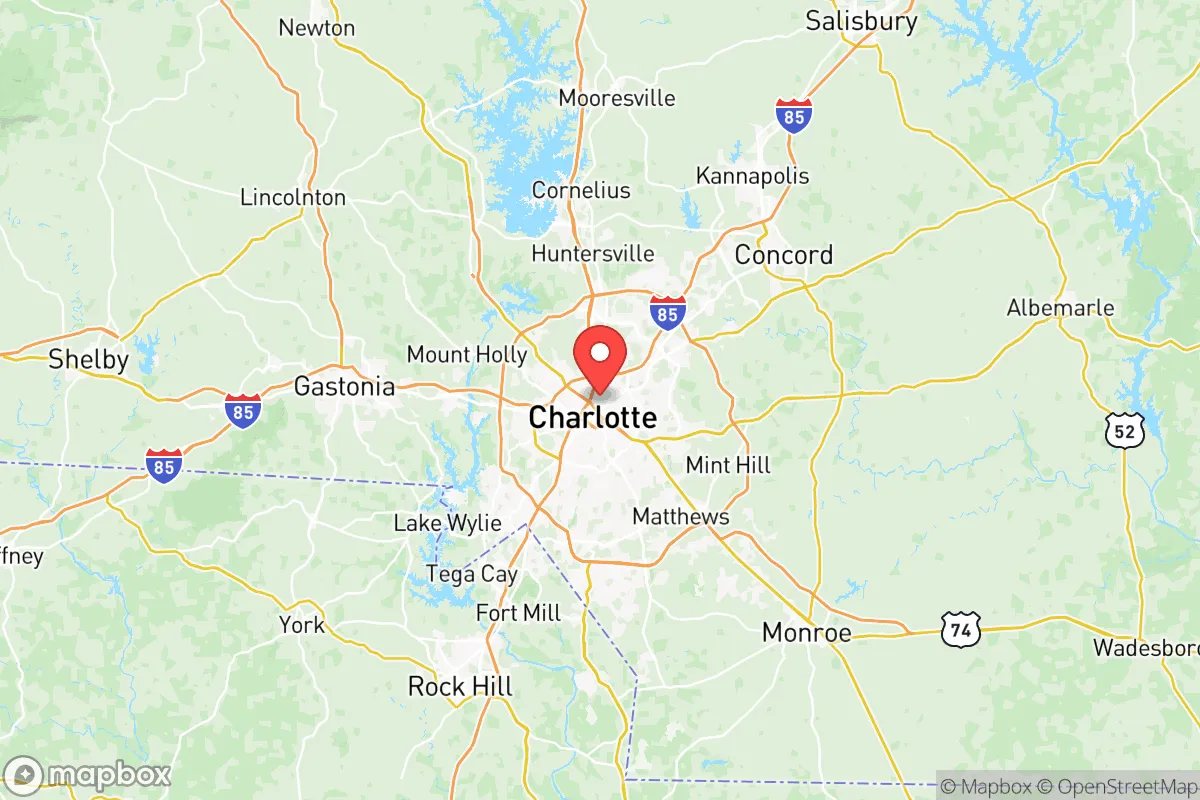
Photo: Wikipedia
Find The Best Places To Live in Mecklenburg County
PRO TIP! You can paste a Zillow or Redfin link to get info on that property.
Best Places to Live in Mecklenburg County
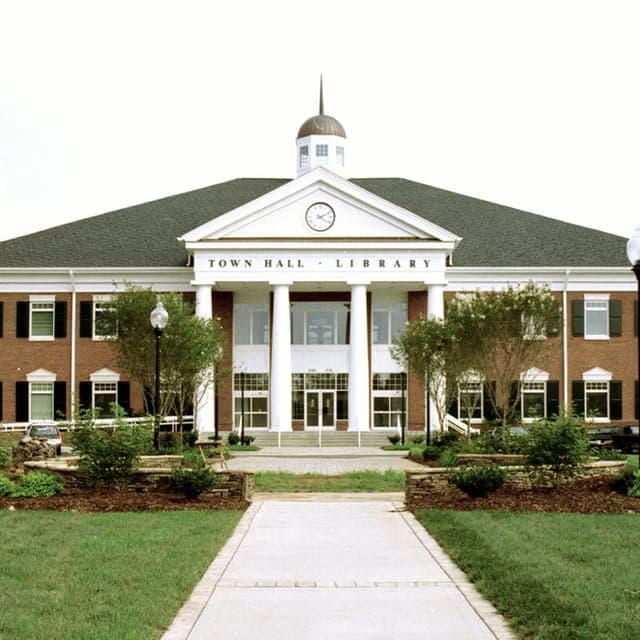
Cities & Towns in Mecklenburg County
Cities in Mecklenburg County
What It's Like Living in Mecklenburg County, NC
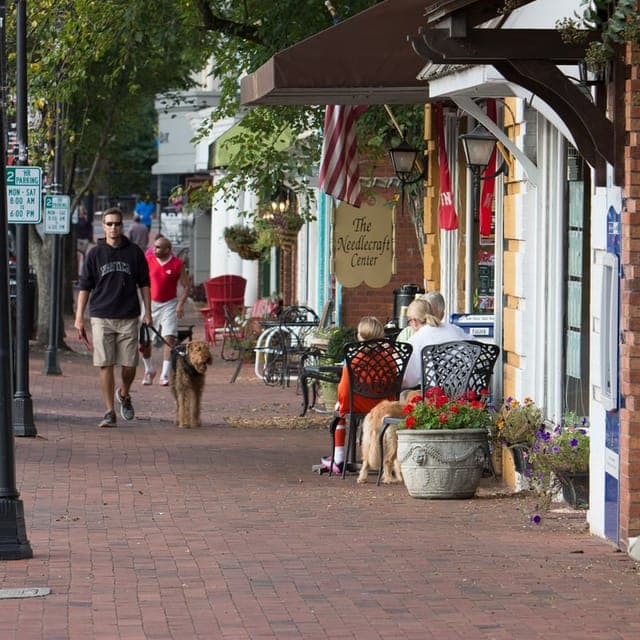
Living in Mecklenburg County means navigating a fast-growing, economically vibrant region where the urban energy of Charlotte meets the quieter, more traditional rhythms of towns like Matthews, Huntersville, and Davidson. The county’s identity is split between the corporate towers of Uptown Charlotte and the family-oriented subdivisions of Cornelius and Mint Hill, creating a place that feels both ambitious and rooted. For a conservative-leaning audience, the appeal often lies in the strong job market and suburban stability, though the rapid growth brings real trade-offs in traffic and cost of living.
Daily Rhythm: From Uptown Commutes to Suburban Weekends
For most residents, the day starts with a commute that averages just over 25 minutes—manageable by big-city standards, but one that can stretch to 40 minutes or more during peak hours, especially along I-77 and I-485. The median age of 35.4 reflects a county full of young professionals and families, so mornings are a blur of school drop-offs in Matthews or Huntersville and coffee runs at local spots like Summit Coffee in Davidson. Weekends often revolve around youth sports—soccer and baseball fields in Cornelius and Mint Hill are packed from March through November—or trips to the U.S. National Whitewater Center for kayaking and mountain biking. Shopping leans toward big-box retailers in Pineville (Carolina Place Mall) and local farmers markets in Davidson, where the college-town vibe keeps things lively.
The kind of person who fits in here is typically career-focused, with nearly half the population holding a college degree (48.6%). The median household income of $83,765 supports a comfortable lifestyle, but the cost of living index of 131 means housing eats up a larger share of paychecks than in surrounding counties. Families often choose Fort Mill (just over the South Carolina line) or Waxhaw for better school reputations and lower property taxes, while singles and couples without kids gravitate toward Uptown Charlotte’s apartments and condos.
Sports & Community: Friday Nights, Hornets, and High School Rivalries
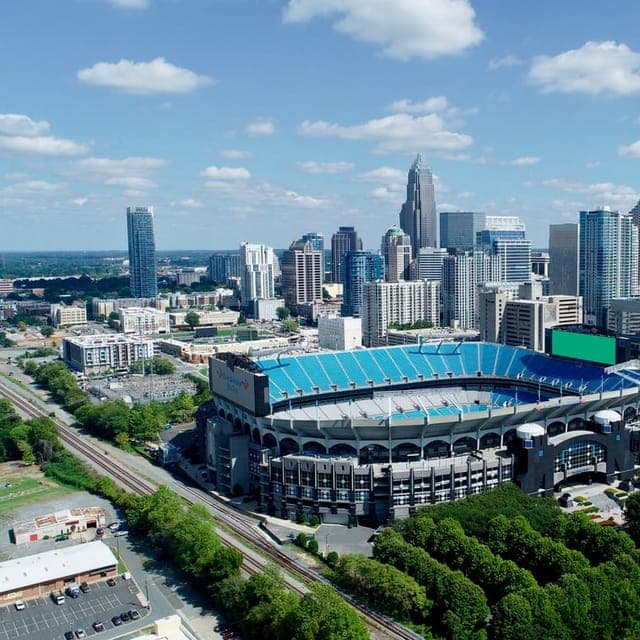
Sports are a defining thread in Mecklenburg County’s social fabric. The Carolina Panthers (NFL) and Charlotte Hornets (NBA) draw passionate crowds, but the real heartbeat is high school football. Friday nights in Matthews (Butler High) and Huntersville (Hough High) are community events where parents, alumni, and local businesses pack bleachers. The rivalry between Charlotte Catholic and Providence Day is intense, and youth leagues feed into a pipeline that keeps sports central to family life. College sports are less dominant here than in the Triangle, but Davidson College’s basketball games (the Wildcats) are a beloved tradition in the northern part of the county.
Beyond the field, the county’s cultural quirks show up in traditions like the Charlotte SHOUT! festival (a multi-week arts and music event) and the Yiasou Greek Festival in Dilworth. Longtime residents love the greenway system—over 40 miles of paved trails connecting neighborhoods in Mint Hill and Matthews—but they’ll also tell you that the rapid development has erased some of the small-town character they remember from the 1990s.
What’s There to Do: Parks, Breweries, and Weekend Escapes
Outdoor life is a big draw. The U.S. National Whitewater Center (just west of Charlotte) offers rafting, zip-lining, and trail running, while Lake Norman in the northern part of the county provides boating and lakeside dining in Cornelius and Davidson. The county’s 200+ parks include McAlpine Creek Park in Matthews and Robbins Park in Huntersville, both popular for weekend picnics and dog walks. For nightlife, the NoDa neighborhood (North Davidson) is the epicenter of live music and craft breweries, with spots like Heist Brewery and The Evening Muse drawing crowds. Families tend to favor the SouthPark area for its upscale dining and shopping, while Pineville offers more budget-friendly chain restaurants.
One notable cultural quirk: bojangles’ is practically a local religion, and the debate over which location has the best biscuits is a genuine dinner-table topic. The weather follows four distinct seasons—summers are humid and hot (90°F+ from June to August), winters are mild (rarely below 20°F), and spring and fall are short but gorgeous, with blooming dogwoods and crisp football weather.
Pros and Cons of Living Here
- Pros: Strong job market with major employers like Bank of America, Duke Energy, and Lowe’s; excellent healthcare (Atrium Health and Novant Health); diverse housing options from Uptown condos to Mint Hill farmhouses; and a central location within a 2-hour drive of the Blue Ridge Mountains and the coast.
- Cons: The violent crime rate of 299.4 per 100,000 is above the national average, concentrated in certain Uptown and eastern neighborhoods; traffic congestion on I-77 and I-485 is a daily frustration; and the cost of living (131 index) makes it tough for first-time buyers, with median home values at $371,200—a figure that has risen sharply since 2020.
Schools play a huge role in community identity, with Charlotte-Mecklenburg Schools (CMS) drawing both praise and criticism. Magnet programs and charter schools are popular alternatives, and families often move to Davidson or Matthews specifically for the reputations of Davidson Elementary or Matthews Elementary. The county’s population of 1,130,906 continues to grow, and with that comes both opportunity—new restaurants, jobs, and infrastructure—and friction, as longtime residents mourn the loss of rural roads and open space. For conservatives, the county’s politics are mixed: Charlotte itself leans blue, but the suburban towns and rural edges of Mint Hill and Huntersville vote reliably red, creating a live-and-let-live dynamic that most residents navigate without much drama.

* Values derived from national, state, county, city and local statistics and may differ in a specific area. Last updated: 2026-05-11T21:46:51.000Z
Narrative content on this page is AI-generated and may contain mistakes. Verify any details that matter before acting on them.
ReloMaps may earn a commission from affiliate links at no extra cost to you.

