Photo: Wikipedia
Find The Best Places To Live in Union County
PRO TIP! You can paste a Zillow or Redfin link to get info on that property.
Best Places to Live in Union County
Cities & Towns in Union County
Cities in Union County
What It's Like Living in Union County, NC
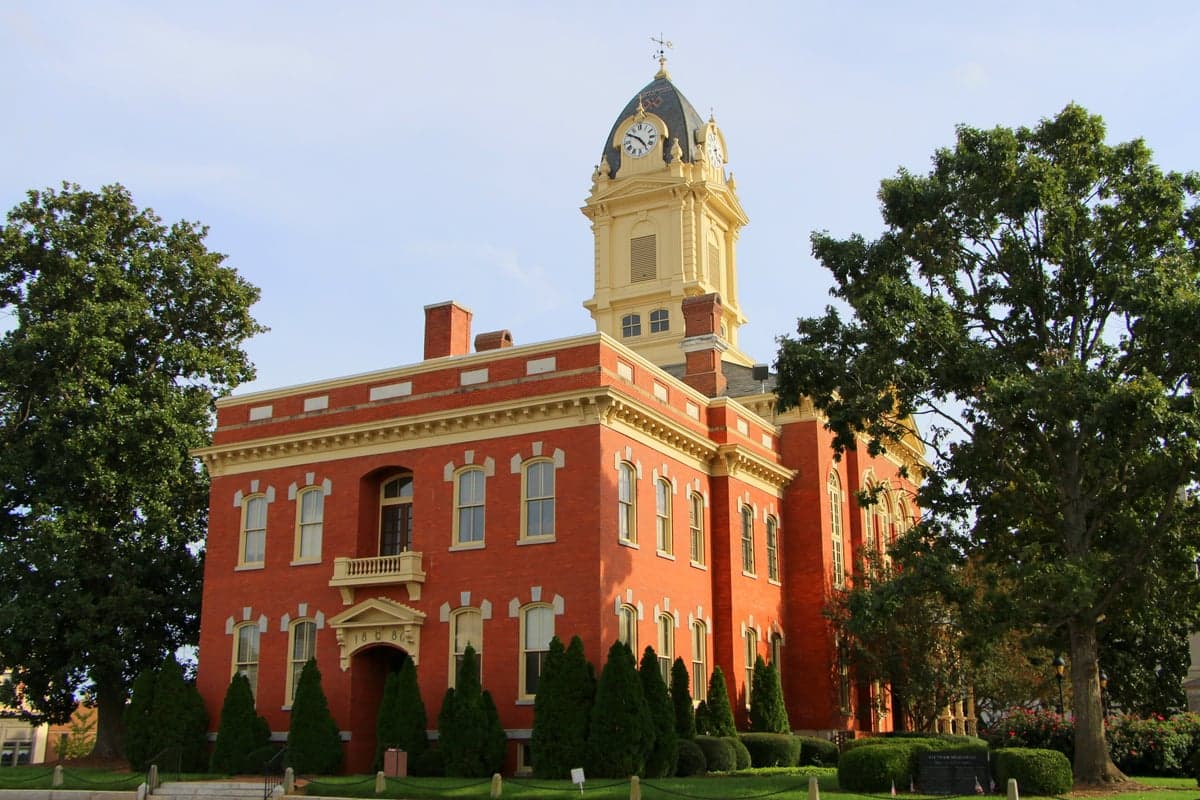
Living in Union County, North Carolina, feels a bit like being part of a well-kept secret that’s rapidly spilling out into the open. It’s the kind of place where you can still find a quiet farmhouse on a winding country road outside Monroe, yet drive twenty minutes and be grabbing a craft beer in Waxhaw or catching a concert in Indian Trail. The county’s identity is a blend of old Southern roots and new suburban ambition, anchored by a median household income of $99,243 and a median home value of $374,400—numbers that tell you this isn’t a cheap escape, but a deliberate investment in space and community.
The Daily Rhythm: Commutes, Schools, and Weekend Rituals
For most people here, the day starts early. The average commute clocks in at just under 30 minutes, and that’s a number that feels real when you’re sitting on Highway 74 or 521 heading toward Charlotte. Many residents work in the city but choose Union County for the slower pace and better schools—especially in towns like Weddington and Marvin, where the public school system is a major draw for families. After work, the routine often involves youth sports: soccer fields in Stallings are packed until dusk, and Friday nights in the fall mean high school football games that genuinely feel like community events, not just afterthoughts. The median age here is 39.1, and that shows in the rhythm—people are settled, raising kids, and building lives around school calendars and weekend errands at places like the Monroe Farmers Market or the new shopping centers along Wesley Chapel Road.
Sports, Community, and Where People Actually Hang Out
High school sports are the heartbeat of Union County’s social calendar. Monroe High School and Weddington High School draw big crowds for football and basketball, and the rivalries are genuine—people plan their fall weekends around them. There’s no major pro team in the county itself, but Charlotte’s Panthers and Hornets are a short drive away, and you’ll see plenty of gear at local spots like The Bacon Bar in Waxhaw or Belly Up in Indian Trail. For outdoor life, the Union County Parks and Recreation system runs a solid network of trails and sports complexes, and Cane Creek Park near Waxhaw is a go-to for kayaking and camping. The annual Monroe Country Fair and Waxhaw’s Jammin’ in the Park concert series are the kind of events where you run into neighbors and catch up over fried Oreos or local bluegrass. The cultural quirk here is a deep pride in local identity—people identify strongly with their specific town (Waxhaw vs. Monroe vs. Indian Trail) rather than just “Union County,” and that creates a friendly but noticeable sense of turf.
What Fits Here and What Frustrates
This county works best for people who want a mix of rural elbow room and suburban convenience, and who are willing to pay for it. The cost of living index sits at 125, notably above the national average, and that’s driven largely by housing—the median home value of $374,400 is steep for the region, though still cheaper than Charlotte proper. The kind of person who thrives here is often a parent in their late 30s or 40s, college-educated (39% of adults hold a degree), and working in finance, healthcare, or construction. Single people might find the social scene quieter than in Charlotte, though downtown Monroe has seen a revival with new breweries and a coffee shop culture that’s drawing a younger crowd. The violent crime rate of 309.4 per 100,000 is slightly above the national average, and while most residents feel safe in their neighborhoods, property crime in some parts of Monroe and Indian Trail is a real concern—people lock their cars and keep an eye on packages.
What frustrates longtime residents most is the traffic. The roads weren’t built for the population of 244,975 that’s here now, and bottlenecks on 74 and 521 during rush hour are a daily grind. There’s also a sense that the county’s rural character is fading—new subdivisions and strip malls are replacing the farmland that older residents remember. But the trade-off is clear: better schools, more jobs, and a tax base that keeps parks and services running. The weather is classic Piedmont—hot, humid summers with thunderstorms, mild winters with the occasional dusting of snow that shuts things down for a day. Seasonal rhythms are defined by spring azaleas, fall football, and the annual “is it summer yet?” wait that stretches from April to October.

* Values derived from national, state, county, city and local statistics and may differ in a specific area. Last updated: 2026-05-17T01:03:44.000Z
Narrative content on this page is AI-generated and may contain mistakes. Verify any details that matter before acting on them.
ReloMaps may earn a commission from affiliate links at no extra cost to you.

