 Popular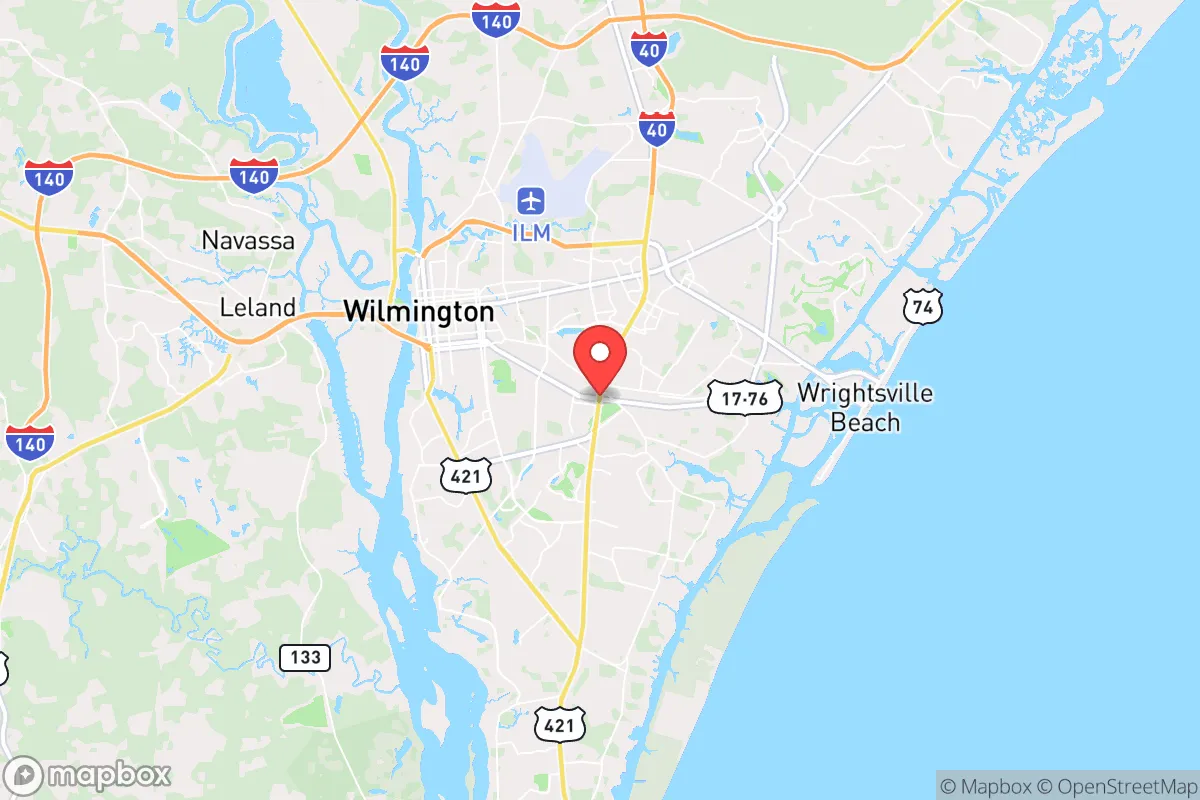
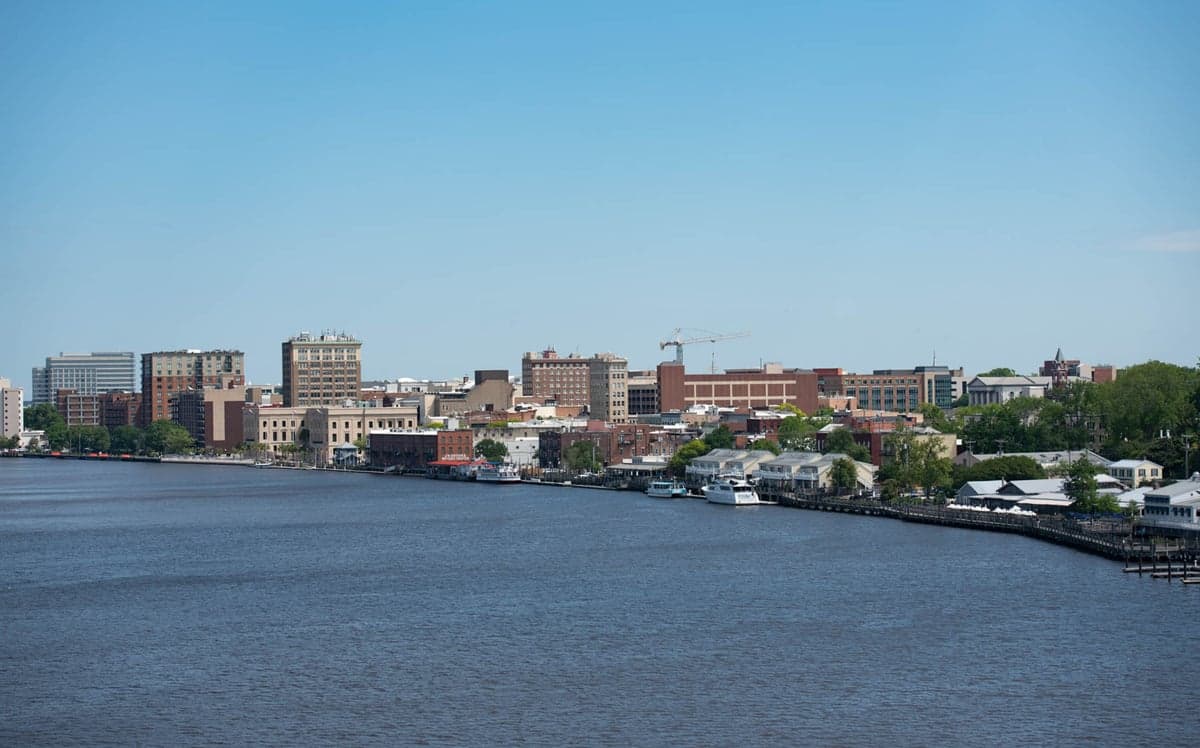
Photo: Wikipedia
Find The Best Places To Live
in Wilmington
PRO TIP! You can paste a Zillow or Redfin link to get info on that property.
What It's Like Living in Wilmington, NC
Wilmington has a way of feeling like a small town that accidentally grew into a city, and that tension is part of its charm. You get the Cape Fear River, a historic downtown with live oaks dripping in Spanish moss, and a beach just twenty minutes away—but you also get traffic jams on College Road and a cost of living that’s crept well above the national average. It’s a place where people come for the coast and stay for the pace, but not everyone finds what they’re looking for.
The Daily Rhythm: Beach, River, and College Road
Most days in Wilmington revolve around a few key corridors. College Road (US-17) is the main artery, lined with every chain store and restaurant you can name, plus the Independence Mall and the University of North Carolina Wilmington (UNCW) campus. Locals learn to time their errands to avoid the 4-6 PM crawl, because the average commute is a merciful 18.5 minutes, but that number jumps fast if you’re crossing town. For groceries, you’ll find Harris Teeter and Lowes Foods dominating, with a Whole Foods near Landfall for the organic crowd. Weekend mornings often start at Jester’s Cafe on Market Street or Flying Machine Coffee downtown, then a walk along the Riverwalk or a drive to Wrightsville Beach for a surf check. The median age here is 37.5, which skews younger than the state average, thanks to UNCW and a steady stream of remote workers who traded higher salaries for a view of the Intracoastal Waterway.
Who Fits In: Families, Remote Professionals, and Retirees
Wilmington attracts three main groups: families looking for a safer, slower alternative to Charlotte or Raleigh, remote professionals who can work from anywhere and choose the coast, and retirees from the Northeast and Midwest. The median household income is $63,900, which is below the national median, but the cost of living index sits at 117—meaning everyday expenses like rent, groceries, and utilities run about 17% higher than average. That squeeze is real for service workers and young families. 45.8% of adults hold a bachelor’s degree or higher, so the workforce is educated, but the job market is heavily tilted toward healthcare (Novant Health, New Hanover Regional Medical Center), film production (EUE/Screen Gems Studios), and tourism. The kind of person who thrives here is someone who values outdoor access over nightlife, doesn’t mind humidity from May through October, and can handle the fact that the nearest major airport (RDU) is two hours away.
Sports, Entertainment, and the Weekend Vibe
Sports culture in Wilmington is real but not obsessive. UNCW Seahawks basketball draws solid crowds at Trask Coliseum, especially when they’re contending for the CAA title. High school football is a bigger deal than you might expect—Hoggard, New Hanover, and Laney have fierce rivalries that pack stands on Friday nights. For pro sports, you’re driving to Charlotte or Raleigh, but the Wilmington Sharks (coastal plain league baseball) and Port City FC (semi-pro soccer) fill the gap in summer. The real entertainment is downtown: Thalian Hall hosts live theater and concerts, Greenfield Lake Amphitheater is a gorgeous outdoor venue for indie bands, and the Riverfront Farmers Market runs Saturday mornings. Festivals are a big part of the identity—Riverfest in October, the North Carolina Azalea Festival in April, and Wilmington Wine & Food Festival in the fall. For bars, The Husk and End of Days Distillery are local favorites, while Front Street Brewery has been pouring since 1995. Outdoor life is the main draw: paddleboarding on the Intracoastal, fishing at Johnnie Mercer’s Pier, hiking at Carolina Beach State Park, or just biking the Riverwalk.
Pros and Cons of Living Here
- Pro: Beach access. Wrightsville Beach, Carolina Beach, and Kure Beach are all within 30 minutes. You can surf, fish, or just sit on the sand after work year-round.
- Con: Violent crime rate of 403.9 per 100,000—that’s about 1.5x the national average. Property crime is also elevated, especially in areas near downtown and the university. Most longtime residents lock their cars and don’t walk alone at night in certain neighborhoods.
- Pro: Walkable downtown. The historic district has brick streets, independent shops, and restaurants like Circa 1922 and PinPoint. You can live without a car if you stay within a mile of Front Street.
- Con: Seasonal tourism. From April through October, Wrightsville Beach and downtown are packed. Locals avoid the beach on summer weekends and plan dinner reservations early.
- Pro: Film industry presence. “Dawson’s Creek,” “One Tree Hill,” and “The Summer I Turned Pretty” were all shot here. It gives the city a creative, slightly artsy edge that most coastal towns lack.
- Con: Hurricanes and flooding. Wilmington gets brushed or hit by a tropical system every few years. Flood insurance is mandatory in many zones, and power outages can last days.
- Pro: Schools are a community anchor. New Hanover County Schools are generally rated above average, and Cape Fear Academy (private) is a popular alternative. School sports and PTA events are genuinely well-attended.
The median home value is $350,300, which has risen sharply since 2020. Rent for a one-bedroom averages around $1,400. That’s affordable compared to Charleston or Savannah, but it’s a stretch for the local median income. The weather is humid subtropical—summers are hot and sticky, winters are mild (rarely below freezing), and spring and fall are genuinely beautiful. The biggest cultural quirk? Wilmingtonians are fiercely protective of their “small town” identity, even as the population hits 118,578 and the metro area tops 300,000. You’ll hear people complain about “all the newcomers” while sitting in traffic on College Road. It’s a city that’s still figuring out how to grow without losing what made it special—and for now, that’s part of the appeal.

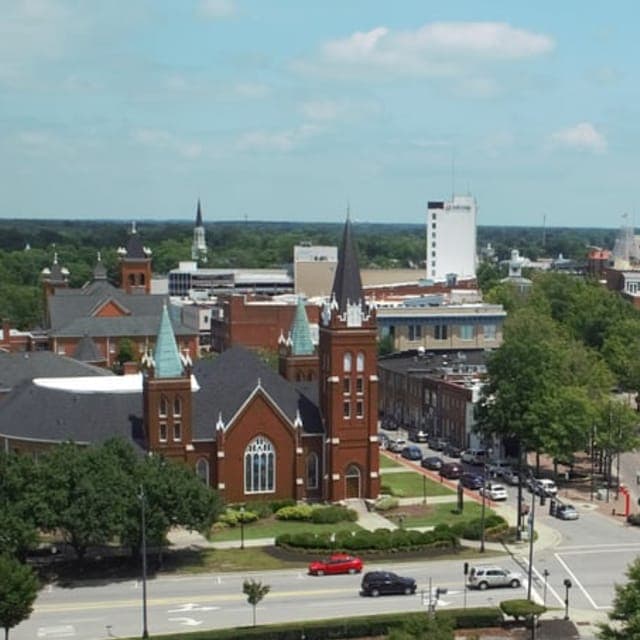
Similar small cities to Wilmington
* Values derived from national, state, county, city and local statistics and may differ in a specific area. Last updated: 2026-05-03T04:51:26.000Z
Narrative content on this page is AI-generated and may contain mistakes. Verify any details that matter before acting on them.
ReloMaps may earn a commission from affiliate links at no extra cost to you.

