
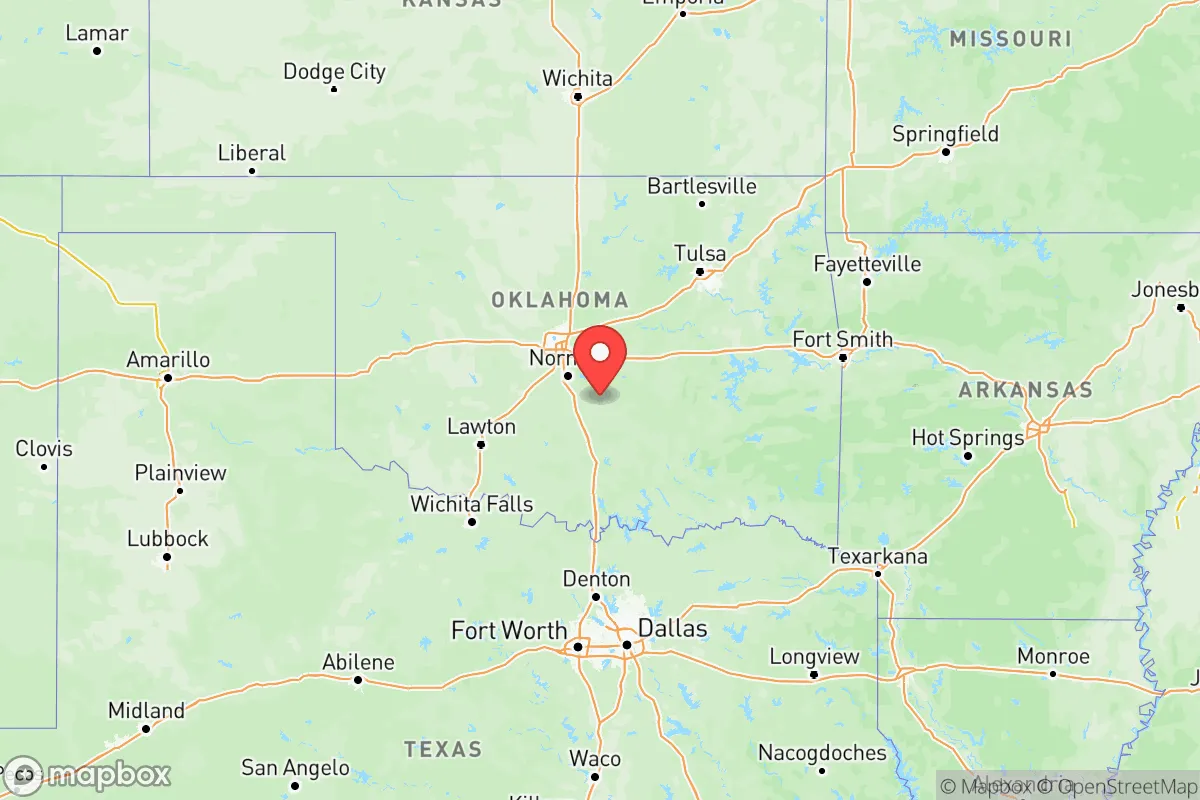
Photo: Wikipedia
Quality of Life in Oklahoma
A livable area that tracks near national norms for affordability, walkability, and neighborhood health.
What does Quality of Life tell us?
Quality of Life measures an area by evaluating factors like cost of living, nearby amenities, country club access, airport proximity, socioeconomic signals and neighborhood character. For large states, this is a general average — quality of life can vary dramatically between metro areas, suburbs, and rural communities within the same state.
What does this tell us?
Quality of Life measures an area by evaluating factors like cost of living, nearby amenities, country club access, airport proximity, socioeconomic signals and neighborhood character. For large states, this is a general average — quality of life can vary dramatically between metro areas, suburbs, and rural communities within the same state.
Cost of Living
23% below national average
81%
The Real Cost of Living in Oklahoma for 2026
| Tier | Individual | Family (4) |
|---|---|---|
| Survival | $29k | $55k |
| Comfortable | $53k | $78k |
| Luxury | $115k+ | $178k+ |
| Elite (Top 5%) | $141k+ | $219k+ |
Quality-of-Life Analysis
Oklahoma offers a remarkably broad spectrum of quality-of-life options, from dense urban cores to remote prairie homesteads, all underpinned by a cost of living index of 77 (well below the U.S. average of 100). The state’s median home value of $185,900 and median rent of $980 mean that lifestyle choices are often driven by personal preference for pace and culture rather than financial necessity. A young professional seeking nightlife, a family wanting good schools and a yard, and a retiree craving solitude on the plains can all find a viable—and affordable—niche within Oklahoma’s borders.
Major metros
If you’re looking for urban living, Oklahoma has two primary hubs: Oklahoma City and Tulsa. Oklahoma City, the state capital and largest city, is defined by its sprawling layout, a growing energy and aerospace sector (home to Tinker Air Force Base and Devon Energy), and a revitalized downtown with the Bricktown entertainment district. Its vibe is one of steady, pragmatic growth—more “big small town” than hyper-urban. Tulsa, by contrast, has a denser, more historic core shaped by its Art Deco architecture and a strong arts scene (Philbrook Museum, Guthrie Green). Its economy leans on aerospace (American Airlines maintenance hub) and energy, but it also fosters a grittier, more countercultural identity. Both metros offer professional sports (OKC Thunder, Tulsa Drillers), diverse dining, and average commutes of 22.4 minutes—significantly shorter than peer cities in Texas or Colorado.
Mid-size cities & college towns
Oklahoma’s mid-size cities and college towns provide a middle ground between urban amenities and lower costs. Norman, home to the University of Oklahoma (OU), is the state’s premier college town, with a walkable downtown, a lively music scene, and a highly educated population; its housing is slightly pricier than the state median but still affordable. Stillwater, anchored by Oklahoma State University (OSU), offers a classic Big 12 college experience with a compact downtown and strong agricultural and engineering programs. Edmond, a northern suburb of Oklahoma City, consistently ranks among the state’s safest cities and is known for top-rated public schools, attracting families willing to pay a premium (median home values around $300,000). Lawton, near Fort Sill, provides a more working-class, military-influenced environment with very low home prices (often under $150,000) and a slower pace. Enid, in north-central Oklahoma, is a regional agricultural and energy hub with a quiet, family-oriented atmosphere and some of the state’s cheapest housing.
Small towns & rural areas
For those seeking a slower, more isolated pace, Oklahoma’s small towns and rural areas offer distinct landscapes and communities. In the southeast, Broken Bow and the surrounding Ouachita National Forest have become a destination for lakefront cabins and outdoor recreation, attracting both retirees and remote workers who want nature over nightlife. The Panhandle towns of Guymon and Boise City sit on the high plains, where life is defined by agriculture, wide-open skies, and extreme weather; housing here can be found for under $100,000. In the northeast, Grove on Grand Lake draws a mix of retirees and second-home owners with its waterfront properties and golf communities. The rural areas of Osage County offer vast ranches and a strong Native American cultural presence (Osage Nation headquarters in Pawhuska), ideal for those wanting land and privacy. These areas typically have limited employment options but extremely low living costs and minimal congestion.
Luxury vs. affordable living
The luxury tier in Oklahoma is concentrated in a few specific enclaves. In the Oklahoma City metro, Nichols Hills and The Village feature large estates, gated communities, and median home values exceeding $600,000. In Tulsa, the Maple Ridge and Southern Hills neighborhoods offer historic mansions and country club living, with some properties topping $1 million. The Edmond suburb also has upscale subdivisions like Oak Tree. On the affordable end, Muskogee and McAlester in eastern Oklahoma have median home values around $120,000 and $100,000 respectively, with rent often below $750. Altus in the southwest and Clinton in the west offer similar bargains, though job markets are tied to agriculture and regional healthcare. The spread is stark: a luxury home in Nichols Hills can cost 10 times what a comparable square footage costs in rural Harmon County.
The practical reality is that Oklahoma’s quality-of-life spectrum is unusually wide for its cost level. A remote worker earning a national salary can live luxuriously in Nichols Hills or on Grand Lake, while a family on a single income can buy a home in Lawton or Muskogee with a mortgage under $800 per month. The state’s average commute of 22.4 minutes means that even in the largest metros, time spent in traffic is low. The choice between tiers comes down to trade-offs: urban energy and cultural amenities in OKC or Tulsa versus space, quiet, and extreme affordability in the small towns and rural areas. For those who value low costs and a slower rhythm, Oklahoma offers a viable alternative to the high-stress, high-cost lifestyles of the coasts.

Crime in Oklahoma
Crime rates similar to the national median for U.S. locations.
Violent CrimeViolent Crime Analysis
Property CrimeProperty Crime Analysis
Crime Analysis
Oklahoma's overall safety picture is mixed, with violent and property crime rates that consistently exceed national averages, though significant variation exists between urban centers and smaller communities. The state recorded a violent crime rate of 405.3 per 100,000 residents and a property crime rate of 1,820.6 per 100,000, both well above the U.S. averages of roughly 380 and 1,950 respectively. While property crime in Oklahoma is slightly below the national figure, the violent crime rate is notably higher, driven largely by conditions in the state's largest metropolitan areas.
Crime in context
Oklahoma's violent crime rate of 405.3 per 100,000 places it among the higher-crime states in the South Central region, though it remains below neighboring Arkansas and Louisiana. Property crime at 1,820.6 per 100,000 is actually lower than the national average, a counterintuitive finding given the state's reputation. However, these statewide figures mask deep disparities. Oklahoma City and Tulsa together account for a disproportionate share of violent offenses, with both cities reporting rates well above the state average. In contrast, suburban communities such as Edmond, Broken Arrow, and Mustang consistently report violent crime rates below 200 per 100,000, making them among the safest places in the state. The Oklahoma State Bureau of Investigation's annual crime reports show that rural counties like Roger Mills and Cimarron often record fewer than 10 violent crimes per year.
What residents experience
For daily life, the most tangible safety concern for most Oklahomans is property crime, particularly vehicle theft and burglary, which are concentrated in the metro areas. Aggravated assault makes up the majority of violent crime incidents statewide, while homicide rates, though elevated in Oklahoma City and Tulsa, remain below those of comparably sized cities in Texas or Missouri. A significant factor in Oklahoma's crime landscape is the approach of prosecutors in the state's largest counties. Oklahoma County (Oklahoma City) and Tulsa County have seen progressive district attorneys implement policies such as reduced cash bail, diversion programs for repeat property offenders, and declination to prosecute certain low-level felonies. While these policies aim to reduce incarceration, critics argue they have contributed to recidivism and a perception that criminals face few consequences, particularly in Oklahoma City's downtown and northeast districts. Residents in these areas report higher rates of car break-ins and public drug use compared to outlying suburbs.
Neighborhood-level variation is stark. Within Oklahoma City, the Bricktown and Deep Deuce entertainment districts see elevated property crime, while the Nichols Hills and Quail Creek neighborhoods remain among the safest in the metro. In Tulsa, the Riverside and Midtown areas have higher violent crime rates, while Jenks and Bixby (suburbs to the south) report crime levels comparable to small towns. For those considering relocation, the safest strategy is to focus on suburbs and smaller cities such as Yukon, Piedmont, or Owasso, where police staffing per capita is higher and district attorneys maintain more traditional charging practices. Conversely, renters and homebuyers should exercise caution in central urban neighborhoods of Oklahoma City and Tulsa where progressive criminal justice reforms have been most fully implemented, as these areas tend to have higher concentrations of repeat offenders and fewer consequences for property crimes.
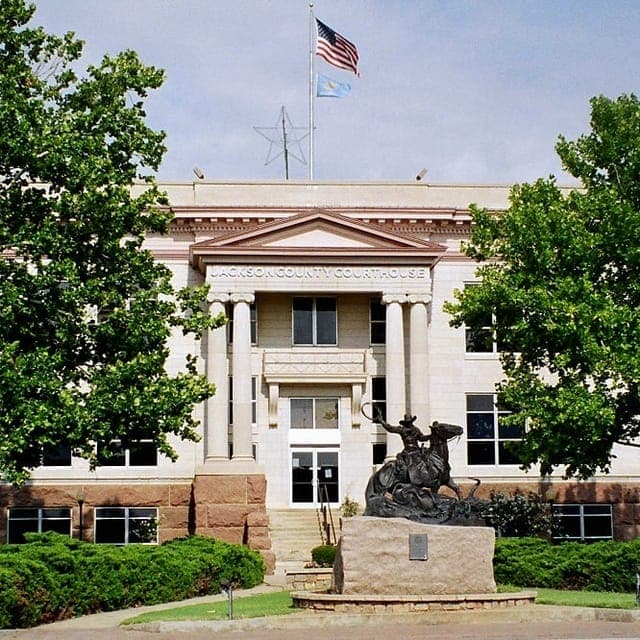
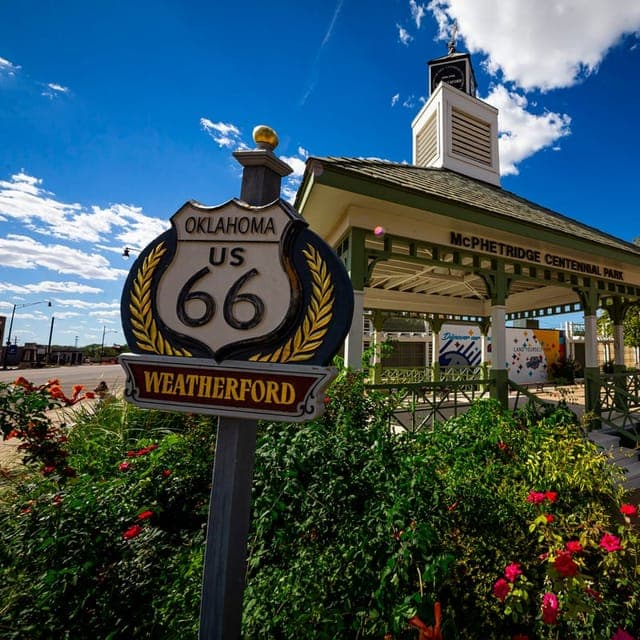
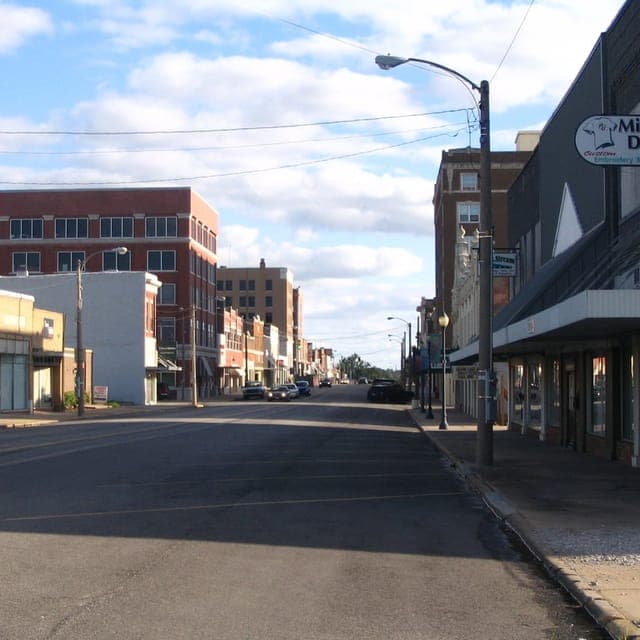
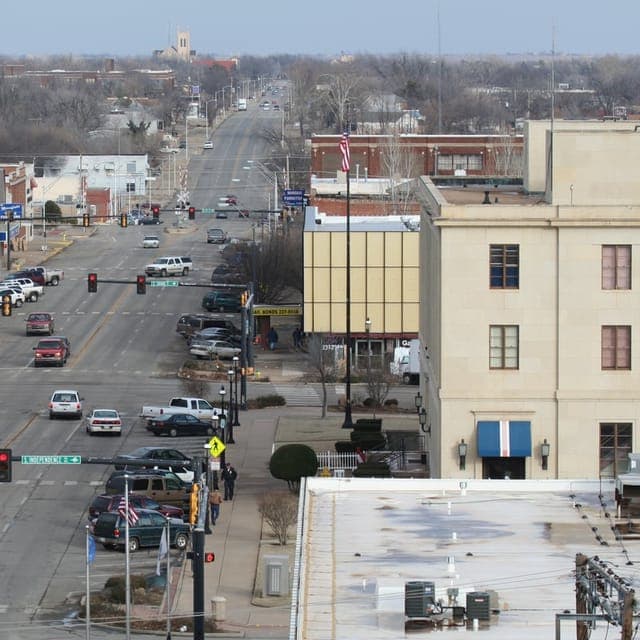
Top Cities for Quality of Life in Oklahoma

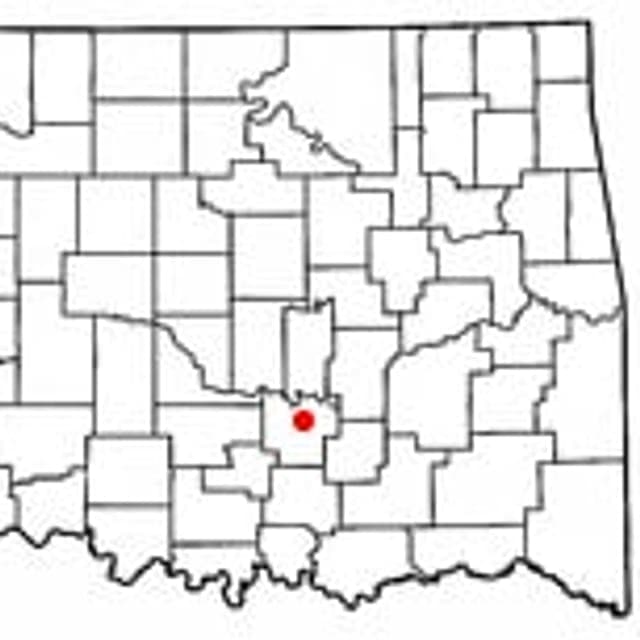
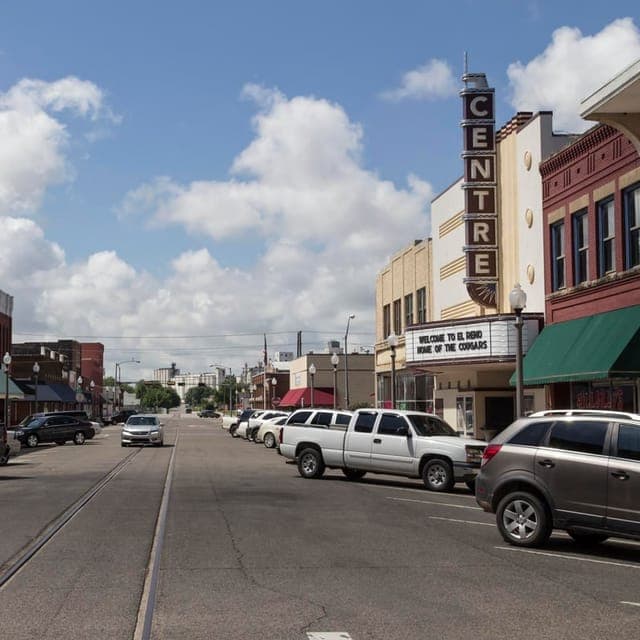
* Values derived from national, state, county, city and local statistics and may differ in a specific area. Last updated: 2026-04-14T06:28:26.000Z
Narrative content on this page is AI-generated and may contain mistakes. Verify any details that matter before acting on them.
ReloMaps may earn a commission from affiliate links at no extra cost to you.

