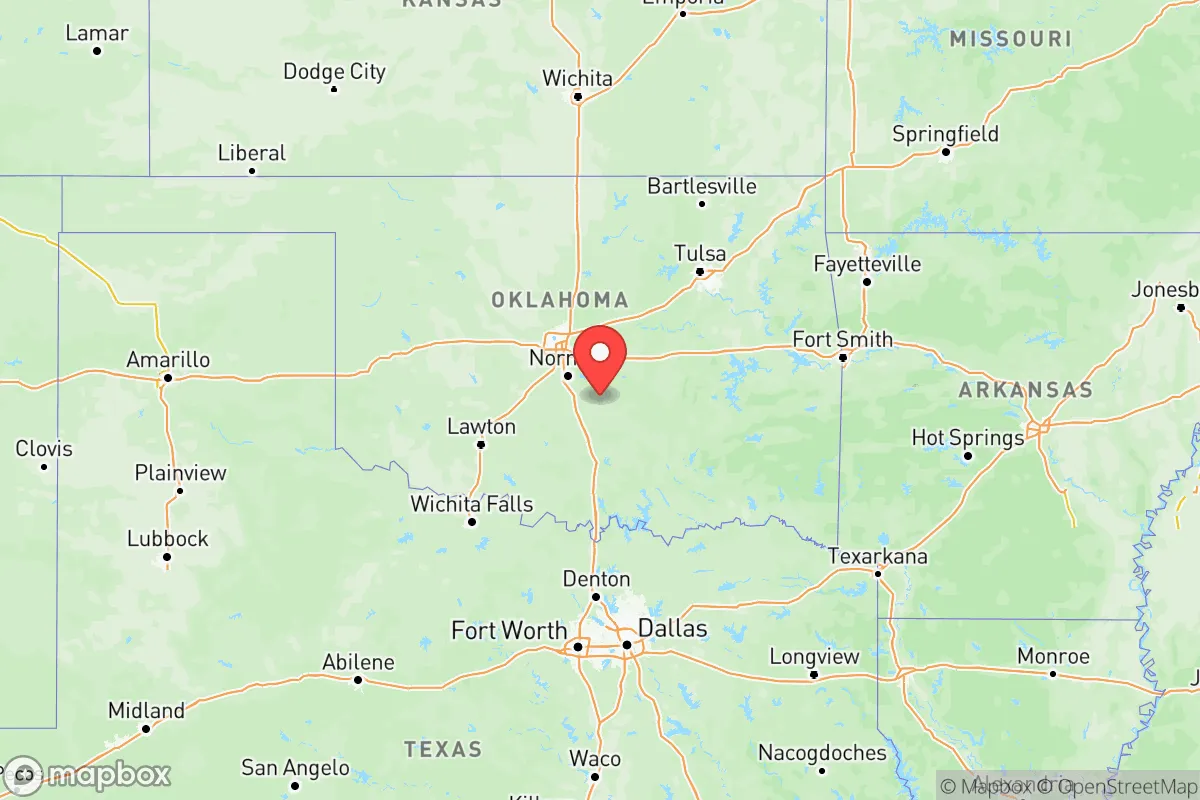
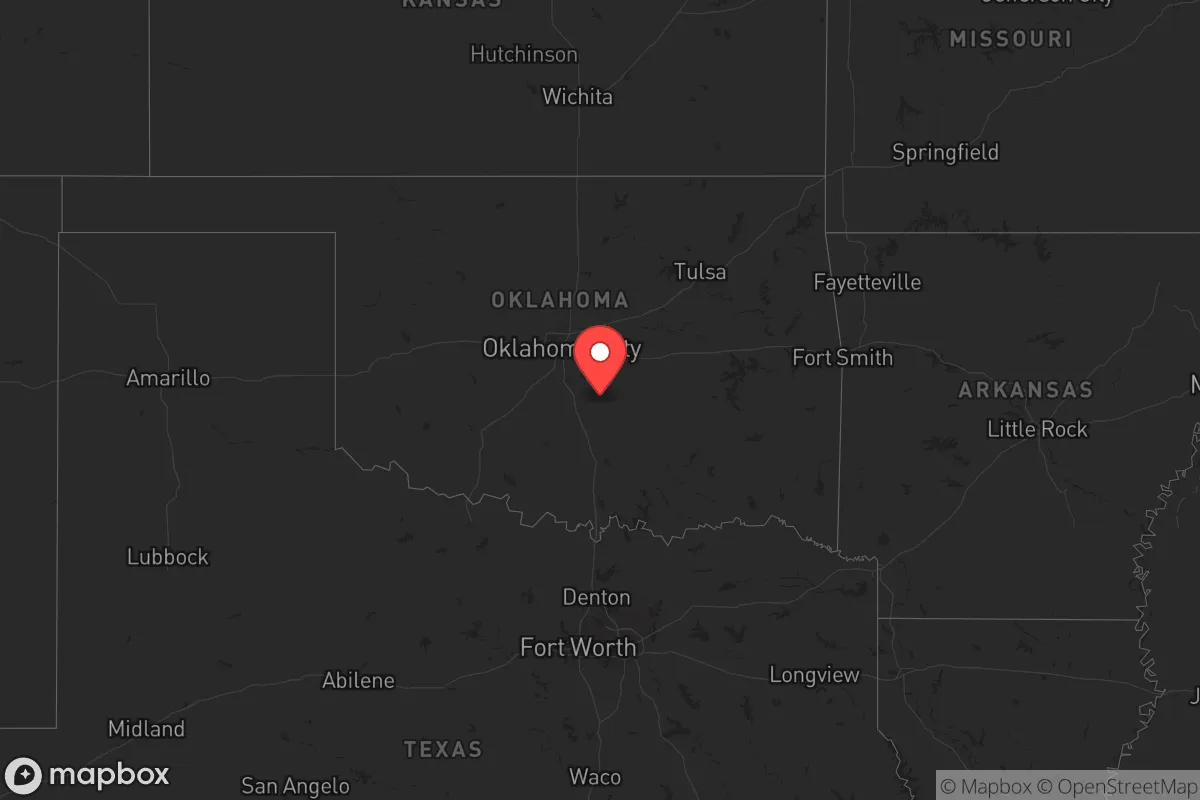
Photo: Wikipedia
Political ClimatePolitical Climate in Oklahoma
Political Environment in the State
Oklahoma is one of the most reliably conservative states in the nation, with a Cook Partisan Voting Index of R+18, meaning it votes about 18 points more Republican than the national average. The state has not voted for a Democratic presidential candidate since 1968, and over the last 20 years, the GOP has only tightened its grip, moving from a roughly R+12 lean in the early 2000s to the deep red it is today. The dominant coalition is a mix of evangelical Christians, rural and small-town voters, and energy-sector workers, with the state’s libertarian streak often clashing with its social conservative wing over issues like criminal justice reform and marijuana policy.
Urban vs. rural divide
The political map of Oklahoma is a textbook study in the urban-rural split. The two major metros—Oklahoma City and Tulsa—are the only places where Democrats can reliably compete, but even they are not liberal strongholds. Oklahoma County (Oklahoma City) has trended purple in recent cycles, flipping to Biden in 2020 by a slim margin, but it’s surrounded by deep-red suburban and exurban counties like Canadian County and Cleveland County, which vote R+30 or more. Tulsa County is similar: the city itself leans left, but the suburbs—Broken Arrow, Jenks, Bixby—are solidly conservative. The real power base is rural Oklahoma. Counties like Beaver, Ellis, and Roger Mills in the Panhandle and western plains routinely vote 85-90% Republican. The southeastern corner, around McAlester and Hugo, was historically Democratic (the old "Yellow Dog" Democrat tradition), but those areas have flipped hard red over the past two decades, driven by cultural conservatism and opposition to national Democratic policies on energy and guns.
Policy environment
Oklahoma’s policy environment is aggressively conservative, with a strong emphasis on low taxes and limited government. The state has a flat income tax of 4.75%, with ongoing legislative efforts to phase it out entirely. Property taxes are among the lowest in the nation, thanks to a constitutional cap and exemptions for homesteads and agricultural land. The regulatory posture is business-friendly, especially for oil and gas, agriculture, and aerospace. On education, the state has embraced school choice aggressively: Oklahoma’s Parental Choice Tax Credit, passed in 2023, provides up to $7,500 per child for private school tuition, making it one of the most expansive programs in the country. The state also passed a near-total abortion ban in 2022 (SB 612) with no exceptions for rape or incest, and it has a permitless carry law for firearms (SB 1212, 2019). Election laws are strict: voter ID is required, and the state has purged inactive voters from rolls. For a conservative family, the policy environment is a strong draw—low taxes, school choice, and Second Amendment protections are all locked in.
Trajectory & freedom
Oklahoma has been on a clear trajectory toward more personal freedom in many areas, but with some notable exceptions. On the positive side, the state expanded gun rights with permitless carry in 2019 and passed a "Second Amendment Sanctuary" resolution in 2021, prohibiting state resources from enforcing federal gun laws that violate the Second Amendment. Medical marijuana was legalized by voter initiative in 2018 (State Question 788), and the market is one of the most permissive in the country—no caps on dispensaries, no qualifying conditions list, and home grow allowed. However, the state has also seen a pushback: in 2023, the legislature passed a bill (SB 1703) to tighten medical marijuana regulations, including a ban on out-of-state ownership of dispensaries, which some see as government overreach. On parental rights, Oklahoma passed the Parents' Bill of Rights (HB 1447) in 2022, requiring schools to notify parents of any medical or mental health services offered to their children and to allow parents to opt out of any curriculum they find objectionable. The state also banned transgender athletes from women’s sports (SB 2, 2022) and restricted gender-affirming care for minors (SB 613, 2023). For a conservative, these are wins for family autonomy. The main area where freedom has contracted is in the realm of abortion and, arguably, in the state’s heavy reliance on sales taxes and fees, which can feel regressive.
Civil unrest & political movements
Oklahoma has seen relatively little civil unrest compared to coastal states, but there have been flashpoints. The most visible was the 2022 teacher walkout, which shut down schools for two weeks and drew national attention—though it was more about funding than ideology. On the right, the Oklahoma Second Amendment Association and local "Oath Keeper" chapters have been active, particularly in rural counties like Sequoyah and Adair. Immigration politics are less heated than in border states, but Governor Kevin Stitt sent National Guard troops to Texas in 2024 to assist with border security, and the state passed a law (HB 4156) requiring law enforcement to check immigration status of anyone arrested. There is no sanctuary city movement to speak of; Oklahoma City and Norman have some progressive activism, but it’s muted. Election integrity controversies flared in 2020 and 2022, with the state GOP pushing for stricter voter ID and ballot tracking, but no major fraud was found. A new resident would notice a general political calm—no daily protests, no visible polarization in daily life, just a steady conservative consensus.
Projection
Over the next 5-10 years, Oklahoma is likely to become even more conservative, driven by two trends: in-migration from blue states and the continued exodus of younger, more liberal residents to Texas or Colorado. The state’s population is growing slowly, but the newcomers tend to be retirees and remote workers from California and the Northeast, drawn by low cost of living and conservative policies. These new arrivals are often more libertarian than traditional Oklahoma conservatives, which could push the state toward further tax cuts and deregulation. However, there is a risk of a cultural clash: the influx of out-of-state money is driving up home prices in places like Edmond and Norman, and some locals resent the change. The Democratic Party in Oklahoma is essentially a non-factor at the state level, and the GOP is likely to maintain supermajorities in both legislative chambers for the foreseeable future. The biggest wildcard is the state’s budget: Oklahoma relies heavily on oil and gas revenue, and a long-term shift away from fossil fuels could force tax increases or spending cuts that might fracture the conservative coalition.
For a new resident, the bottom line is this: Oklahoma offers a stable, deeply conservative environment where your rights to own guns, choose your children’s education, and keep more of your money are protected by law and culture. The trade-off is that you’ll be living in a state with limited urban amenities, a hot climate, and a political monoculture that can feel stifling if you’re not on board. If you’re a conservative family or individual looking for a place where government stays out of your life—and where your neighbors share your values—Oklahoma is a solid bet. Just know that the state is not changing direction anytime soon, and that’s exactly how most folks here like it.

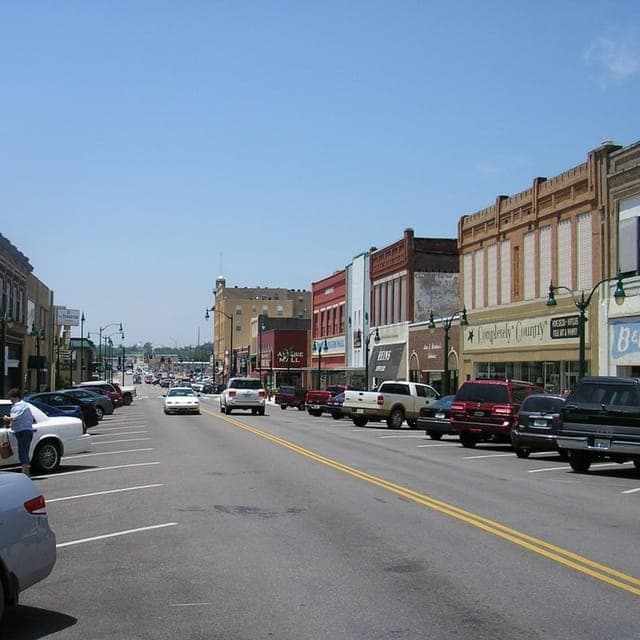
Most Conservative Cities in Oklahoma
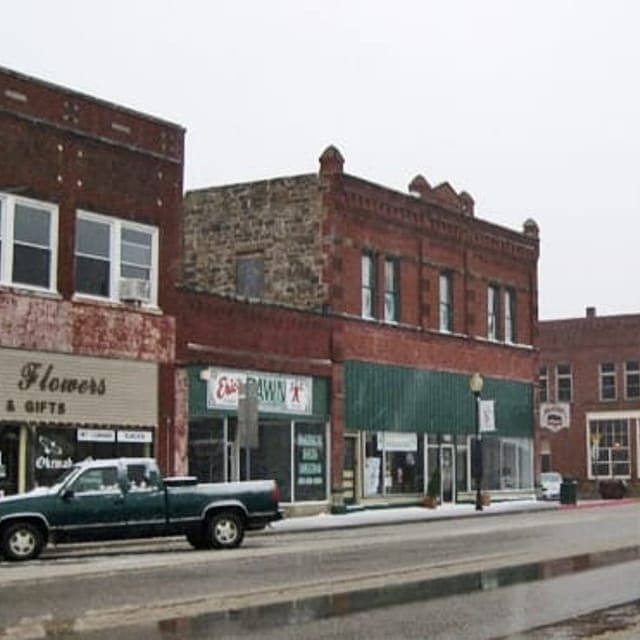
Most Liberal Cities in Oklahoma

* Values derived from national, state, county, city and local statistics and may differ in a specific area. Last updated: 2026-04-14T06:28:26.000Z
Narrative content on this page is AI-generated and may contain mistakes. Verify any details that matter before acting on them.
ReloMaps may earn a commission from affiliate links at no extra cost to you.

