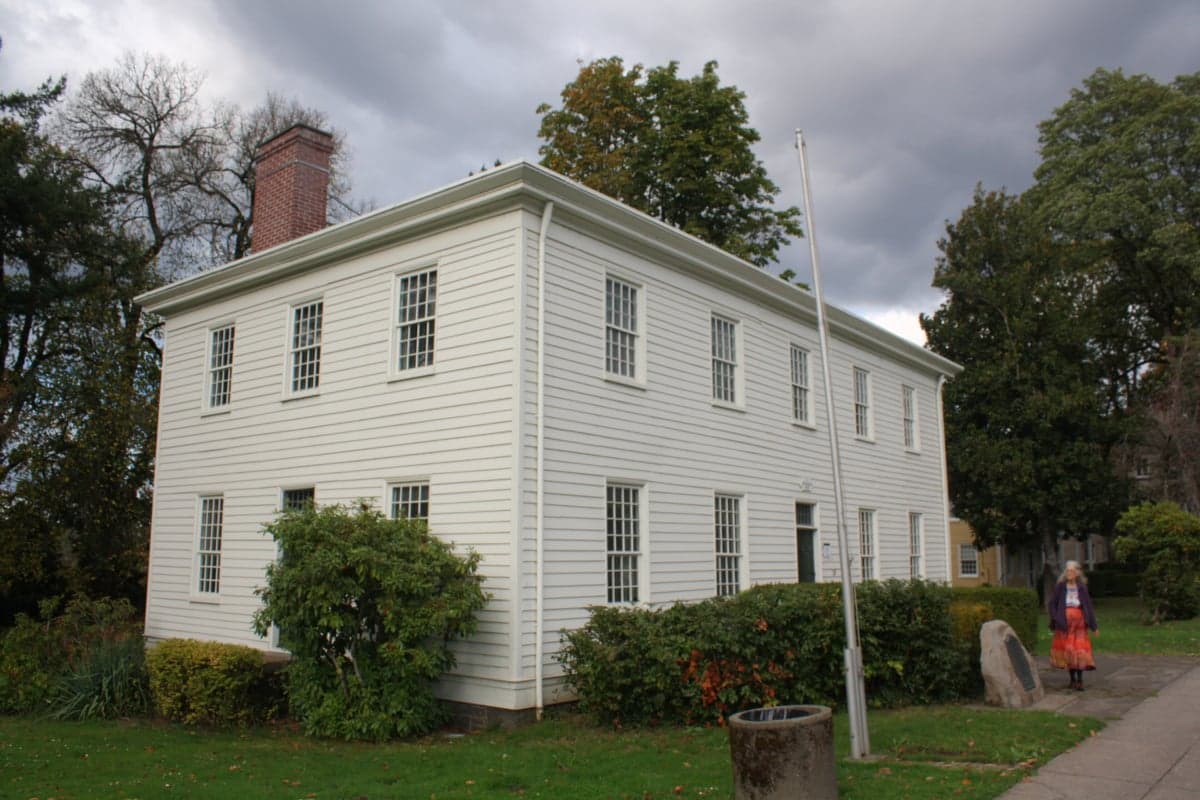
Photo: Wikipedia
Quality of Life in Oregon City, OR
A high quality of life with strong walkability, manageable living costs, healthy neighborhood signals, and solid amenity access.
What does Quality of Life tell us?
Quality of Life blends cost of living, nearby amenities, socioeconomic signals, and neighborhood character. City-level scores represent the whole municipality; individual neighborhoods can differ.
What does this tell us?
Quality of Life blends cost of living, nearby amenities, socioeconomic signals, and neighborhood character. City-level scores represent the whole municipality; individual neighborhoods can differ.
Cost of Living
58% above national average
The Real Cost of Living in Oregon City, OR for 2026
| Tier | Individual | Family (4) |
|---|---|---|
| Survival | $26k | $48k |
| Comfortable | $89k | $131k |
| Luxury | $131k+ | $203k+ |
| Elite (Top 5%) | $154k+ | $238k+ |
72%
The Area Signal
A metric tracking the socioeconomic signals of the area.
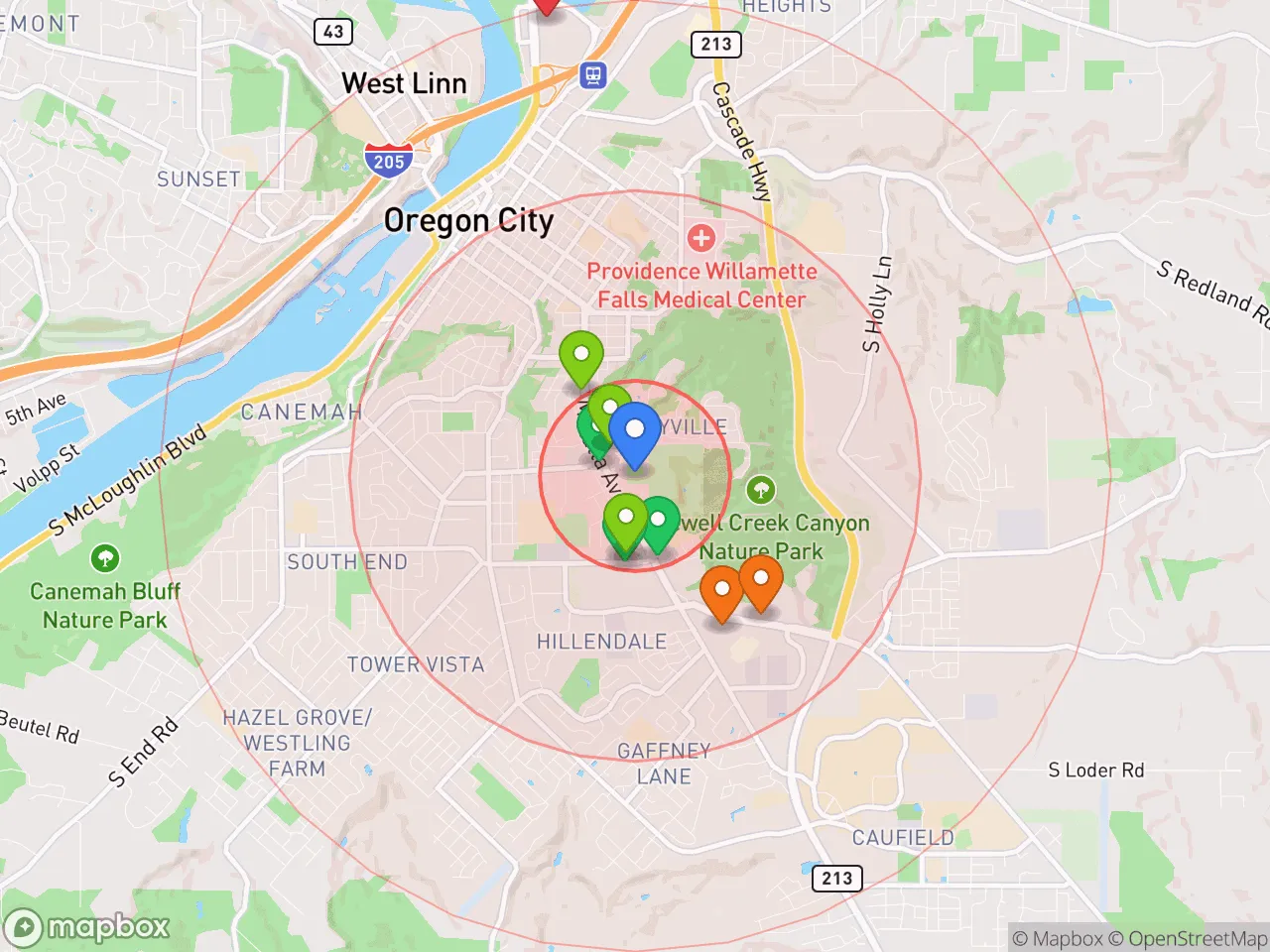
Hobbies
Explore the areaGroceries
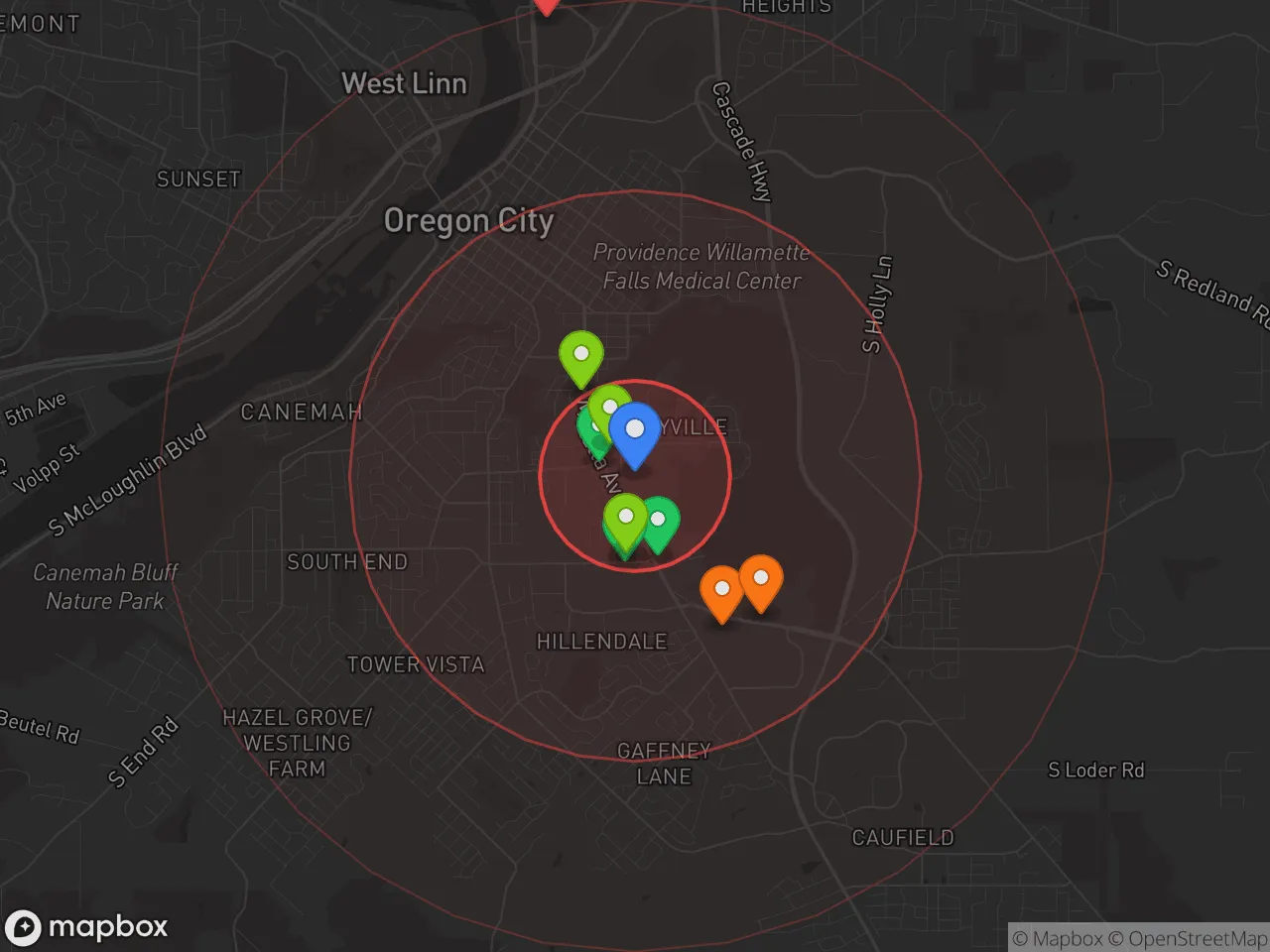
6 within 10 miles
Gas
20 within 10 miles
Hospital
20 within 20 miles
Airport
PDX — Portland International
Post Office
USPS — Oregon City, OR
Critical Amenities
Quality-of-Life Analysis
Oregon City, Oregon, is a historically rooted suburban community with a cost of living index of 158 (58% above the national average), reflecting its desirability as a more affordable alternative to Portland proper while still commanding a premium over the broader Clackamas County median. The population skews toward established families and professionals who value access to the Willamette River, the historic downtown district, and a commute that averages 26.8 minutes—shorter than the Portland metro average of roughly 30 minutes. The city’s affluence is visible in its well-maintained Victorian-era homes and newer subdivisions, though it remains less expensive than Lake Oswego (index ~170) and West Linn (index ~165), making it a pragmatic choice for those seeking suburban stability without Portland’s price tag.
Cost of living, housing, and affordability compared to Portland and Lake Oswego
Oregon City’s median home value of $531,400 sits roughly 15% below the Portland metro median of $625,000, while the median rent of $1,606 is about $200 less than the metro average. This pricing gap is the primary draw for buyers priced out of Lake Oswego (median home value ~$850,000) or West Linn (~$700,000). However, the cost of living index of 158 means that everyday expenses—groceries, utilities, and transportation—are significantly higher than the national norm. Property taxes in Clackamas County average about 1.0% of assessed value, which is moderate by Oregon standards but adds roughly $5,300 annually on a median-priced home. For renters, the $1,606 median is a relative bargain compared to Portland’s $1,800, but it still requires an annual household income of roughly $64,000 to stay within the 30% rent-to-income guideline. The city’s affordability advantage is most pronounced for commuters: the 26.8-minute average drive to downtown Portland (via I-205 or the Oregon 99E corridor) is shorter than the 35+ minute commutes from farther suburbs like Wilsonville or Tualatin.
Amenities, schools, and what daily life is like for families
Daily life in Oregon City centers on its walkable historic downtown, which features the Oregon City Municipal Elevator (the only municipal elevator in the U.S.), the End of the Oregon Trail Interpretive Center, and a growing roster of independent breweries and farm-to-table restaurants. The Oregon City School District (OCSD) serves roughly 7,500 students and includes Oregon City High School, which offers an International Baccalaureate program and has a graduation rate of 87%—slightly above the state average of 83%. For outdoor recreation, the city provides direct access to the Willamette Falls (the second-largest waterfall by volume in the U.S.), the 40-mile Springwater Corridor trail, and Clackamette Park for riverfront picnicking and boat launches. The rhythm of life is quieter than Portland’s: retail is concentrated along Molalla Avenue and the Oregon City Shopping Center, while the nearest major hospital (Providence Willamette Falls Medical Center) is within city limits. Families note that the city’s 2020 population of roughly 38,000 keeps traffic manageable, though the I-205 bridge over the Willamette River can bottleneck during peak hours.
Oregon City is best suited for families and professionals who want a lower cost of entry into the Portland metro area without sacrificing commute times or access to nature. It works well for those who value historic character and riverfront amenities over the nightlife and cultural density of Portland. Retirees on fixed incomes may find the cost of living index of 158 challenging, but dual-income households earning $100,000+ can comfortably afford a median-priced home. The city’s trade-off is clear: you gain affordability relative to Lake Oswego and West Linn, but you lose some of the prestige and school rankings those communities offer. For buyers who prioritize a 27-minute commute, a walkable downtown with genuine history, and a family-oriented suburban feel, Oregon City delivers a pragmatic balance.

Crime in Oregon City, OR
Lower crime rates than 76% of comparable U.S. locations.
Violent CrimeViolent Crime Analysis
Property CrimeProperty Crime Analysis
Crime Analysis
Oregon City, Oregon, reports a violent crime rate of 265.2 incidents per 100,000 residents and a property crime rate of 800.7 per 100,000. These figures place the city in a concerning position relative to national averages, particularly when factoring in the broader criminal justice environment of the Portland metropolitan area. Residents should be aware that the city's safety profile is shaped not only by these statistics but also by the progressive policies of local and county prosecutors, which can influence recidivism and public safety outcomes.
Crime in context
Oregon City’s violent crime rate of 265.2 per 100,000 is approximately 24% lower than the national average of roughly 380 per 100,000, but this comparison can be misleading. Property crime at 800.7 per 100,000 is about 15% higher than the national average of 700 per 100,000. However, these numbers must be viewed within the context of Clackamas County and the Portland metro area, where progressive district attorneys and judges have implemented policies that prioritize diversion and reduced sentencing for property and drug offenses. This approach, while intended to reduce incarceration, often results in higher recidivism rates and more criminals cycling through the justice system, directly impacting victims and community safety. Compared to similarly sized cities in more conservative judicial districts, Oregon City’s property crime rate is elevated, reflecting the broader regional trend of lenient prosecution.
What residents experience
Daily life for Oregon City residents involves a heightened awareness of property crime, particularly vehicle break-ins, package theft, and burglary. The 800.7 per 100,000 property crime rate translates to roughly one property crime every 1.5 hours across the city. Violent crime, while less frequent, includes aggravated assault and robbery, with incidents concentrated near transit corridors and commercial zones along Highway 99E and McLoughlin Boulevard. Residents report that progressive prosecutorial policies in Clackamas County often lead to repeat offenders being released quickly, undermining the deterrent effect of arrests. This creates a sense of frustration among homeowners and small business owners who feel the justice system prioritizes offender rehabilitation over victim protection. Neighborhood watch programs are active in areas like the Canemah Historic District and Park Place, but their effectiveness is limited by the broader judicial environment.
Neighborhood-level variation
Safety varies significantly across Oregon City. The historic downtown and areas near the Clackamas River tend to see higher foot traffic and lower violent crime, but property crime remains a concern. The southeastern neighborhoods near Redland Road and the Oregon City Shopping Center report the highest concentration of theft and vehicle-related incidents. Conversely, the more affluent West Linn border area and the Newell Creek Canyon region experience lower crime rates due to stronger community policing and less transient population. Regardless of location, residents should secure vehicles, install outdoor cameras, and remain vigilant, as the county’s progressive justice policies mean that even low-crime neighborhoods are not immune to property crime from repeat offenders.
* Values derived from national, state, county, city and local statistics and may differ in a specific area. Last updated: 2026-05-03T01:52:30.000Z
Narrative content on this page is AI-generated and may contain mistakes. Verify any details that matter before acting on them.
ReloMaps may earn a commission from affiliate links at no extra cost to you.

