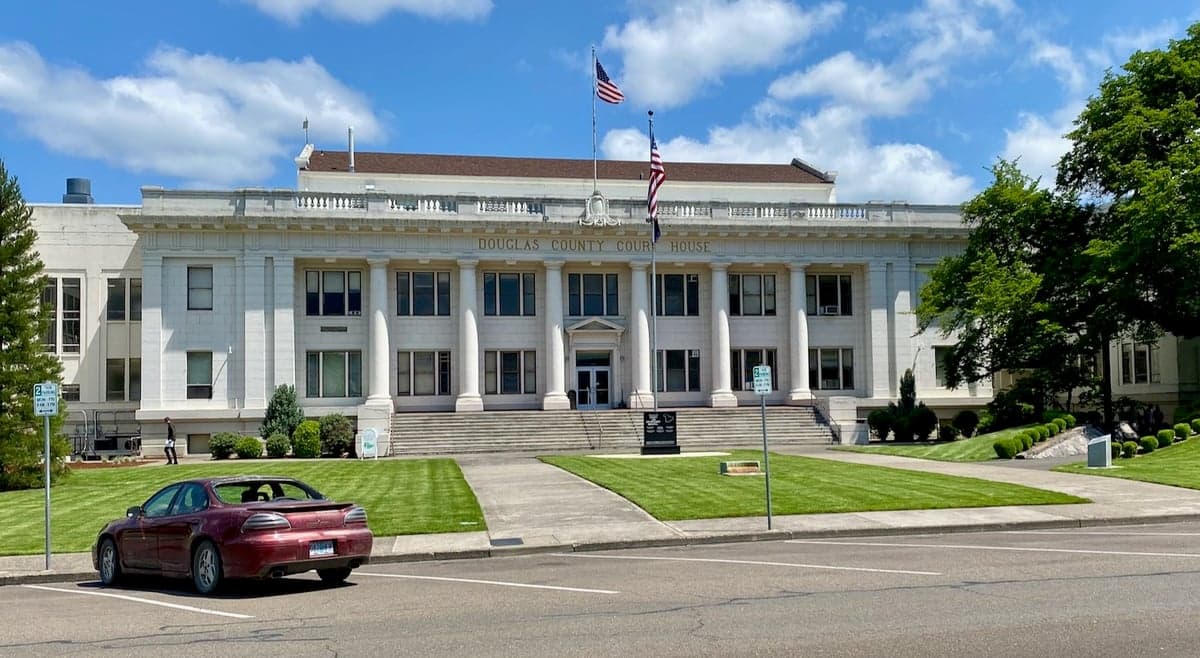
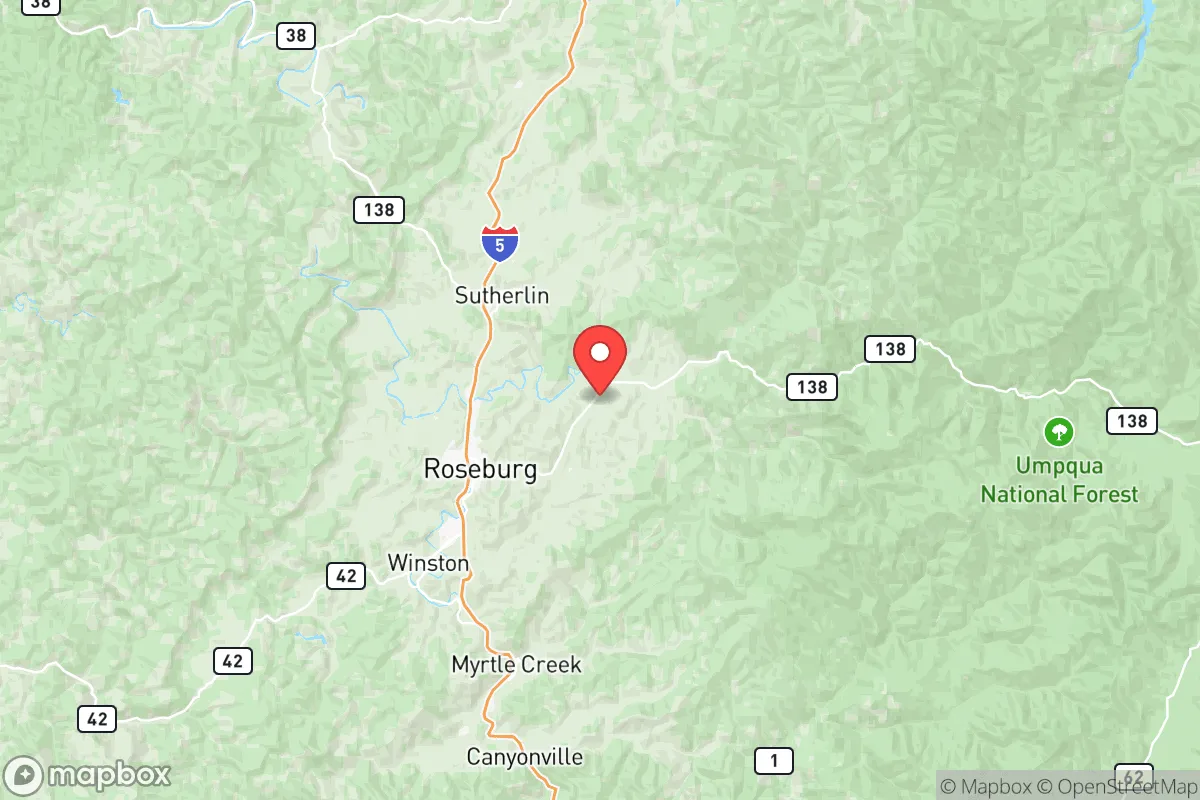
Photo: Wikipedia
Find The Best Places To Live in Douglas County
PRO TIP! You can paste a Zillow or Redfin link to get info on that property.
Best Places to Live in Douglas County
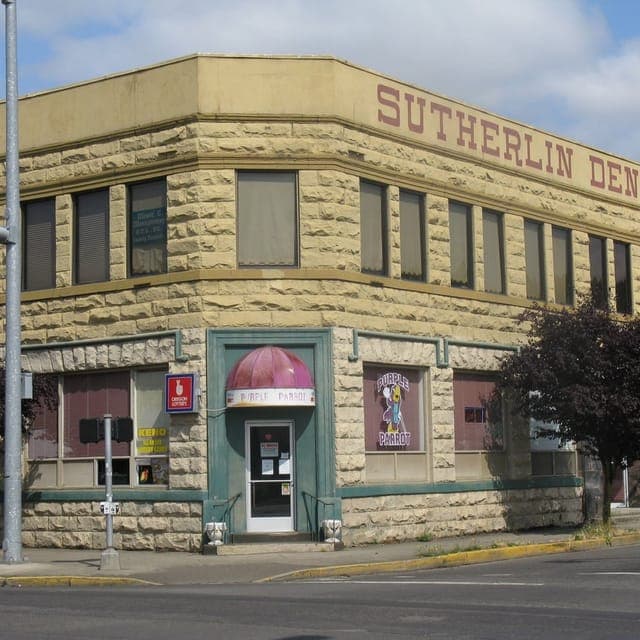
Cities & Towns in Douglas County
Cities in Douglas County
What It's Like Living in Douglas County, OR
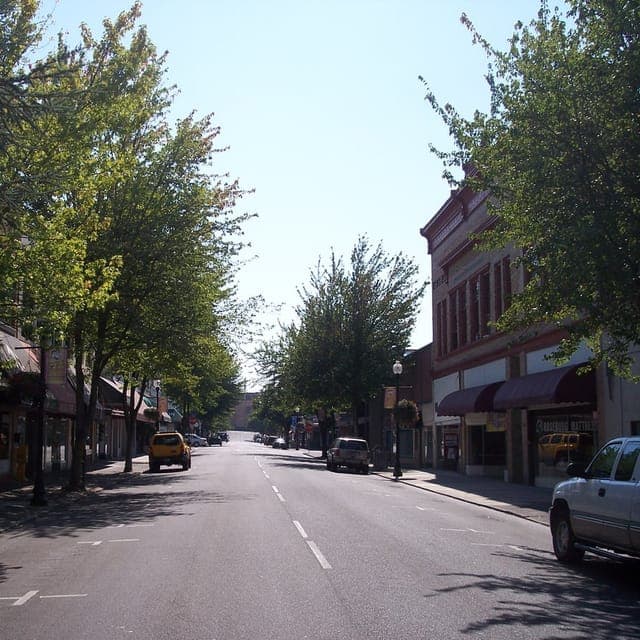
Living in Douglas County, Oregon, feels a bit like stepping into a slower, more self-reliant version of the Pacific Northwest—one where the Umpqua River replaces the Willamette as the main artery and the nearest Costco is a 45-minute drive north to Roseburg. The county’s identity is rooted in timber and outdoor recreation, with a population of just under 112,000 spread across the city of Roseburg, smaller towns like Sutherlin and Winston, and vast stretches of forested rural land. It’s a place where people know their neighbors, high school football is a genuine community event, and the cost of living actually makes financial sense for families and single individuals who don’t need a bustling nightlife.
Daily Rhythm: What People Actually Do
Most days in Douglas County revolve around work, school, and the outdoors. The largest employer is the county itself, followed by healthcare (CHI Mercy Health in Roseburg) and timber companies like Swanson Group. The average commute is just under 20 minutes, which means you’re not spending your life in a car—a stark contrast to the Portland metro area. People shop at the Roseburg Valley Mall or local grocery chains like Safeway and Fred Meyer, but many residents drive to Eugene or Medford for bigger-ticket items. Weekends are spent fishing on the North Umpqua River, hiking at Susan Creek Falls, or attending a rodeo in Winston. The median age here is 46.6, which skews older than the state average, and you’ll notice a quieter, more settled pace—especially in towns like Canyonville or Myrtle Creek, where the main street might have a single diner and a hardware store.
Sports & Community: Where Friday Nights Matter
High school sports are a big deal here, and they’re one of the main social anchors. Roseburg High School’s football team, the Indians, regularly draws crowds of several thousand on Friday nights, and the rivalry with South Medford is genuinely intense. Basketball and wrestling also have strong followings, especially in smaller towns like Sutherlin and Glide, where the whole community turns out for a playoff game. There’s no professional sports team in the county, but the Umpqua Valley Arts Association hosts a summer concert series in Roseburg that fills the gap for live entertainment. For a more unusual local tradition, the Winston Wild Animal Safari—a drive-through zoo with lions and giraffes—is a quirky draw that’s been around since the 1970s and is a staple for families with young kids.
What’s There to Do: Outdoor Play and Small-Town Festivals
If you love the outdoors, you’ll never run out of things to do. The Umpqua National Forest offers hundreds of miles of trails, from the easy walk to Toketee Falls to the more challenging climb up Mount Thielsen. The North Umpqua River is a world-class fly-fishing destination, and the Umpqua River Wine Trail has a handful of small vineyards like HillCrest and Reustle that host tastings. For festivals, the Douglas County Fair in Roseburg each August is the biggest event, with rodeo, carnival rides, and 4-H livestock shows. The Roseburg Farmers Market runs from May to October and is a genuine community hub—you’ll see the same faces every week. Nightlife is limited: a few breweries like Bricktowne Brewing and Wild Rose Pizza in Roseburg are the main hangouts, and most bars close by 10 p.m. even on weekends. If you’re looking for live music beyond cover bands, you’ll likely drive to Eugene or Portland.
Pros and Cons of Living Here
What longtime residents love: The cost of living is a genuine relief. With a cost-of-living index of 92 (8% below the national average) and a median home value of $283,200, you can buy a three-bedroom house in Roseburg or Sutherlin for what a studio apartment costs in Portland. The commute is short, the air is clean, and the pace of life is unhurried. People are neighborly in a practical way—if your car breaks down on a rural road, someone will stop to help. The outdoor access is world-class, and the schools, while not top-tier academically, are deeply integrated into community life. What frustrates residents: The economy is limited. The median household income is $58,983, and the college-educated population is just 18.9%, which means high-paying professional jobs are scarce. The violent crime rate of 311.9 per 100,000 is above the national average, and most of that is concentrated in Roseburg’s downtown and some rural areas—property crime, especially theft from vehicles, is a common complaint. The weather is mild but gloomy: expect 45 inches of rain a year, mostly from November through March, with summers that are dry and warm. There’s also a sense of isolation—the nearest major airport is in Eugene, an hour north, and the closest IKEA or Whole Foods is a two-hour drive. For single people under 30, the dating pool is small, and the social scene can feel insular if you didn’t grow up here.

* Values derived from national, state, county, city and local statistics and may differ in a specific area. Last updated: 2026-07-30T07:31:56.000Z
Narrative content on this page is AI-generated and may contain mistakes. Verify any details that matter before acting on them.
ReloMaps may earn a commission from affiliate links at no extra cost to you.

