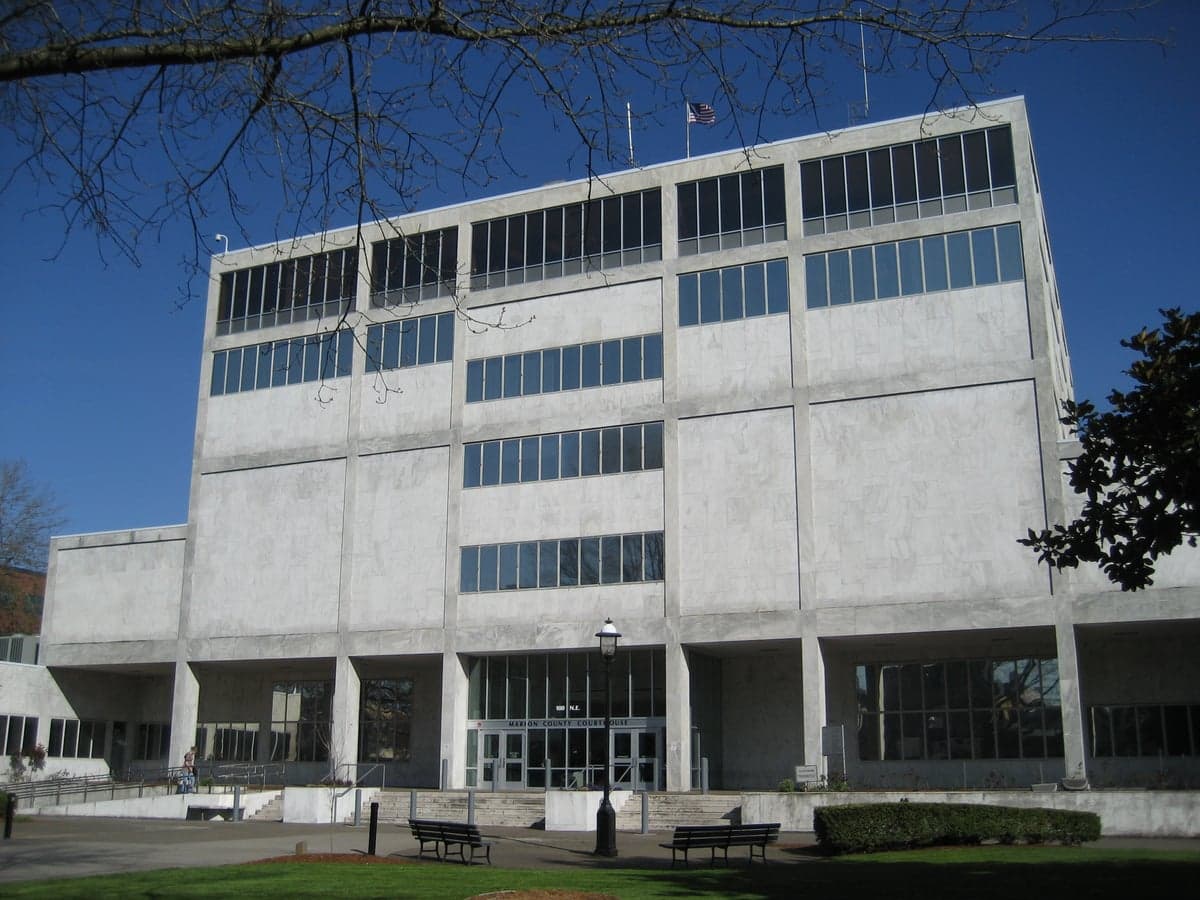
Photo: Wikipedia
Quality of Life in Marion County
A livable area that tracks near national norms for affordability, walkability, and neighborhood health.
What does Quality of Life tell us?
Quality of Life measures an area by evaluating factors like cost of living, nearby amenities, country club access, airport proximity, socioeconomic signals and neighborhood character. For large states, this is a general average — quality of life can vary dramatically between metro areas, suburbs, and rural communities within the same state.
What does this tell us?
Quality of Life measures an area by evaluating factors like cost of living, nearby amenities, country club access, airport proximity, socioeconomic signals and neighborhood character. For large states, this is a general average — quality of life can vary dramatically between metro areas, suburbs, and rural communities within the same state.
Cost of Living
23% above national average
68%
The Real Cost of Living in Marion County for 2026
| Tier | Individual | Family (4) |
|---|---|---|
| Survival | $21k | $40k |
| Comfortable | $74k | $109k |
| Luxury | $124k+ | $192k+ |
| Elite (Top 5%) | $146k+ | $226k+ |
Quality-of-Life Analysis
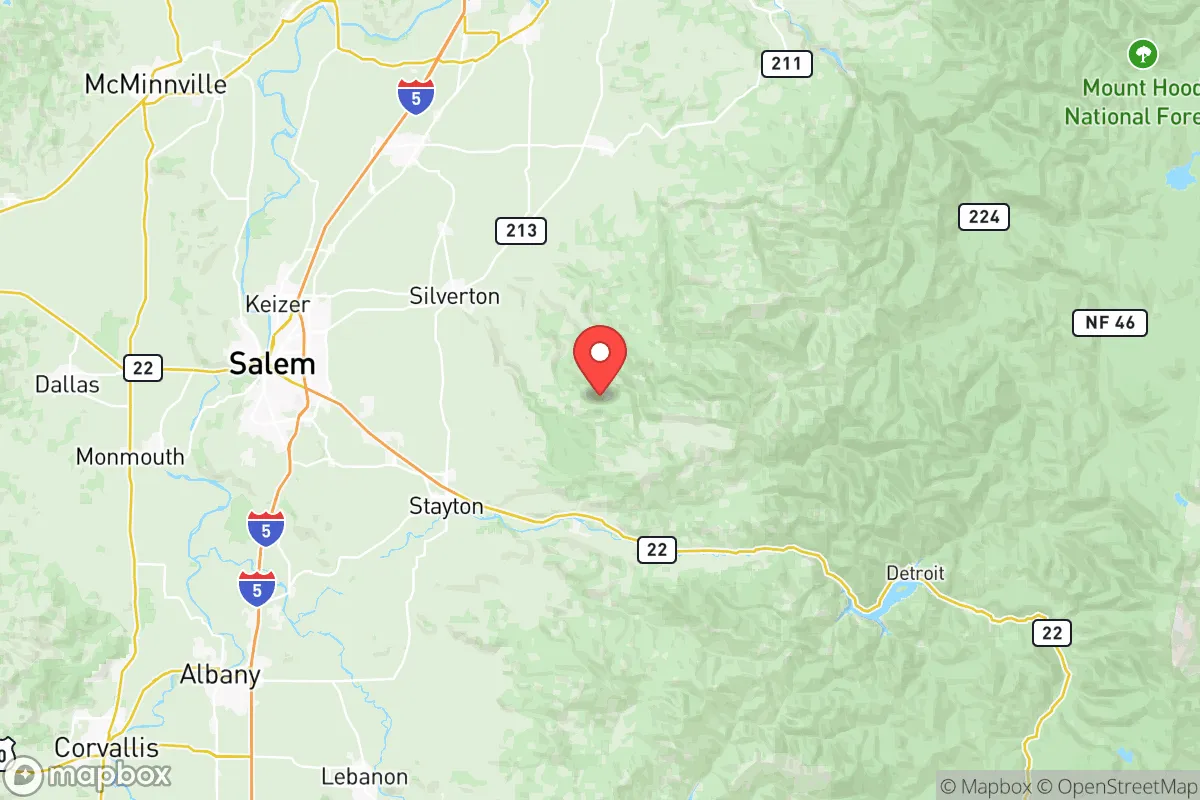
Marion County, Oregon, offers a broad quality-of-life spectrum that ranges from the urban amenities of its largest city, Salem, to the quiet agricultural rhythms of towns like Woodburn and the deep rural seclusion of the Santiam Canyon. With a cost-of-living index of 123 (23% above the national average) and a median home value of $383,300, the county attracts a mix of state government employees, agricultural workers, and commuters seeking more space than Portland's metro area provides. The county's character shifts noticeably as you move from the Willamette Valley floor into the foothills of the Cascade Range, creating distinct lifestyle options for different priorities.
Largest town(s) & population centers
Salem, the state capital and county seat, is the dominant population center with roughly 177,000 residents. Daily life here revolves around state government employment, with agencies like the Oregon Department of Transportation and the Oregon Health Authority providing stable, middle-class jobs. The city offers a walkable downtown core with the Oregon State Capitol, Willamette University, and a growing food cart scene along State Street. Commute times average 24.1 minutes, well below Portland's average, making Salem practical for workers who value short drives over urban intensity. Keizer, directly north of Salem, functions as a bedroom community with more affordable housing stock and a strong sense of local identity centered on the annual Oregon State Fair and the Keizer Iris Festival. Both cities provide access to Salem Hospital, the region's largest medical center, and Chemeketa Community College for workforce training.
Smaller towns & rural pockets
Woodburn, 15 miles north of Salem, anchors the county's agricultural heartland with a significant Latino population and a bustling outlet shopping district. The town's economy depends heavily on nurseries, berry farms, and food processing plants, giving it a working-class character distinct from Salem's government focus. Further east, the Santiam Canyon communities of Mill City, Gates, and Detroit offer a completely different lifestyle: small populations under 2,000, proximity to the Willamette National Forest, and a slower pace defined by fishing, hiking, and seasonal tourism at Detroit Lake. These towns were heavily impacted by the 2020 wildfires, so housing inventory remains tight and rebuilding is ongoing. Silverton, southeast of Salem, strikes a middle ground with a historic downtown, the Oregon Garden botanical attraction, and access to Silver Falls State Park, drawing families who want small-town charm within a 30-minute commute to Salem.
Cost & lifestyle range
The cost spread across Marion County is significant. At the high end, Salem's desirable neighborhoods like South Salem or the Fairmount Hill area see median home values approaching $450,000, with rents averaging $1,333 countywide. These areas offer walkable streets, older tree-lined homes, and proximity to Bush's Pasture Park and the Salem Riverfront. At the lower end, rural properties in the Santiam Canyon or around the unincorporated community of St. Paul can be found for under $300,000, though buyers face limited services, longer drives to grocery stores, and potential wildfire risk. Renters in Woodburn or Gervais pay closer to $1,100 for a two-bedroom apartment, reflecting the agricultural wage base. The county's COL index of 123 is driven primarily by housing costs that have risen 40% since 2020, though utilities and groceries remain near national averages. For comparison, neighboring Polk County (Dallas, Monmouth) offers slightly lower home values around $350,000, while Marion County's eastern edge remains the most affordable option within commuting distance of Salem.
Marion County best suits people who want Oregon living without Portland's price tag or congestion. State workers and professionals gravitate to Salem's urban amenities and short commutes, while agricultural workers find affordable housing and steady employment in Woodburn and the northern valley towns. Outdoor enthusiasts and those seeking true rural isolation thrive in the Santiam Canyon, accepting longer drives for lower costs and direct forest access. The county's diversity of settings — from capital city to canyon hamlet — means most lifestyle preferences can be accommodated, provided the buyer or renter is comfortable with a cost-of-living that now exceeds the national average by nearly a quarter.

Crime in Marion County
Crime rates similar to the national median for U.S. locations.
Violent CrimeViolent Crime Analysis
Property CrimeProperty Crime Analysis
Crime Analysis
Marion County, Oregon, presents a mixed safety picture where property crime rates significantly exceed both state and national averages, while violent crime remains slightly below the national benchmark. The county's 2023-2024 data shows a violent crime rate of 309.1 per 100,000 residents and a property crime rate of 2,123.5 per 100,000, placing it in a challenging position relative to Oregon's overall crime landscape. Residents in cities like Salem, Woodburn, and Keizer experience notably different safety realities than those in smaller communities such as Silverton, Mount Angel, or Stayton, with the county's progressive judicial policies in Multnomah County-adjacent areas drawing particular scrutiny from public safety advocates.
Crime in context
Marion County's violent crime rate of 309.1 per 100,000 sits just below the national average of approximately 380 per 100,000 but remains higher than Oregon's statewide rate of roughly 290 per 100,000. The property crime rate of 2,123.5 per 100,000 is substantially elevated — about 40% higher than the national average of roughly 1,950 per 100,000 and significantly above Oregon's statewide figure of approximately 1,800 per 100,000. These numbers reflect a broader trend across the Willamette Valley, where property offenses — particularly vehicle theft and burglary — have surged since 2020. Salem, as the county seat and largest city, drives much of this volume, with its downtown and commercial corridors along Lancaster Drive and Mission Street reporting the highest incident densities. Woodburn, with its outlet mall and I-5 corridor access, also sees elevated property crime, while Keizer's residential neighborhoods experience moderate rates. By contrast, Silverton and Mount Angel report property crime rates roughly 30-40% lower than the county average, benefiting from smaller populations and tighter community policing.
What residents experience
For most Marion County residents, the daily reality is a heightened risk of property crime rather than violent confrontation. Auto theft and theft from vehicles are the most commonly reported offenses, particularly in Salem's commercial zones and apartment complexes near Interstate 5. Residents in Salem's northeast and south-central neighborhoods frequently report package theft, garage break-ins, and catalytic converter theft. Violent crime, while less common, concentrates in specific areas: Salem's downtown core and the Lancaster Drive corridor see disproportionate shares of aggravated assaults and robberies. Woodburn's police department has noted a correlation between transient populations along the I-5 corridor and increased theft incidents. The county's District Attorney's office, operating under Oregon's progressive criminal justice reforms — including Measure 110 (drug decriminalization, partially rolled back in 2024) and statewide bail reform — has faced criticism from victims' advocates who argue that reduced penalties for property crimes and drug offenses have contributed to repeat offending. Keizer residents have reported frustration with a perceived lack of consequences for serial property offenders, a sentiment echoed in community meetings across the county.
Neighborhood-level variation is stark. Salem's West Salem and South Salem areas, along with the historic districts near Willamette University, generally report lower crime rates than the city's central and northeastern quadrants. Silverton, with its walkable downtown and strong neighborhood watch programs, consistently ranks among the safest communities in the county, with violent crime rates below 150 per 100,000. Mount Angel, known for its tight-knit Bavarian-themed community, similarly enjoys low crime. Conversely, the unincorporated areas along Highway 22 east of Salem and the I-5 corridor near Woodburn experience higher rates of property crime, driven by transient populations and easy highway access. Residents considering relocation should prioritize specific city and neighborhood data over county-level averages, as the difference between a Salem suburb and a rural community can be dramatic — a factor that local real estate agents and crime mapping tools readily illustrate.
* Values derived from national, state, county, city and local statistics and may differ in a specific area. Last updated: 2026-05-22T20:19:50.000Z
Narrative content on this page is AI-generated and may contain mistakes. Verify any details that matter before acting on them.
ReloMaps may earn a commission from affiliate links at no extra cost to you.

