 Popular
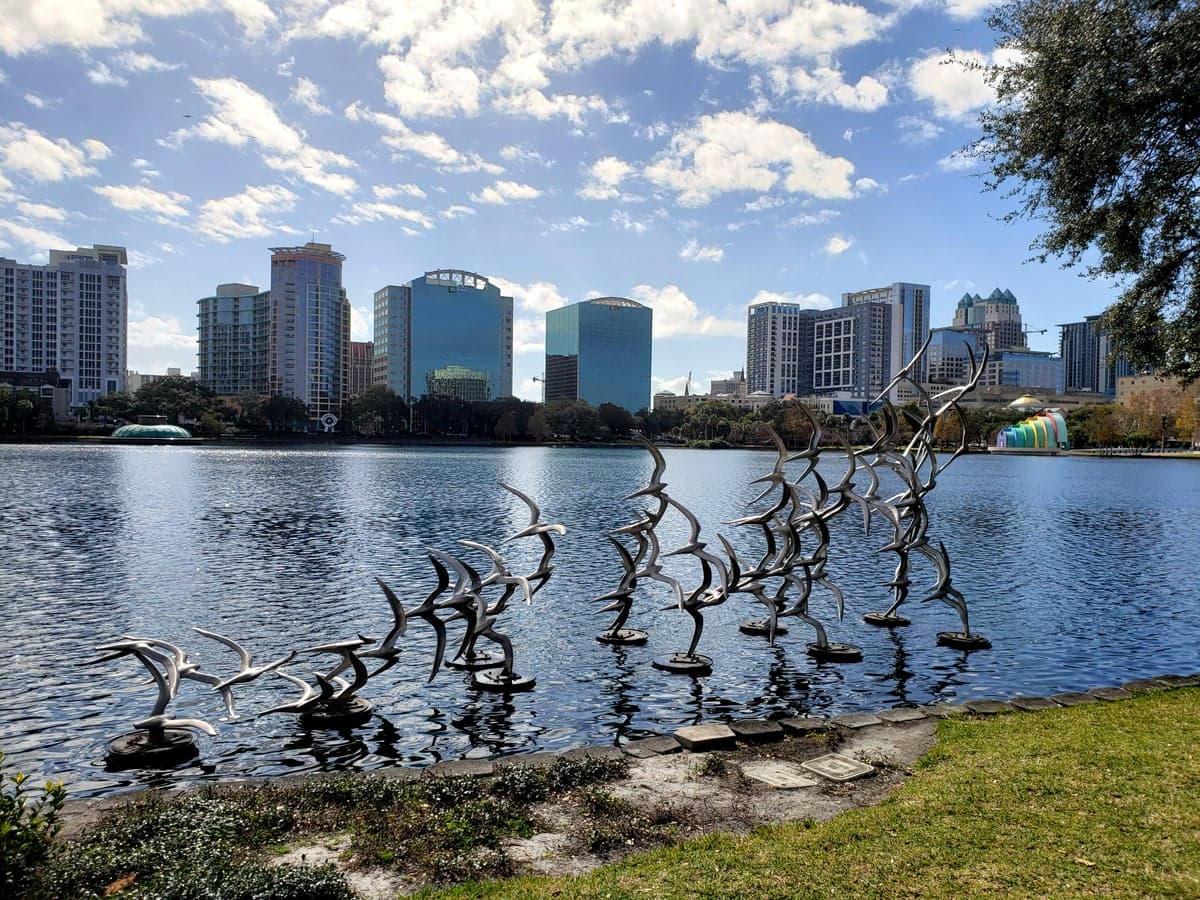
Photo: Wikipedia
Quality of Life in Orlando, FL
Above-average quality of iife. The area offers a reasonable cost of living, decent mobility, and a mix of neighborhood amenities.
What does Quality of Life tell us?
Quality of Life blends cost of living, nearby amenities, socioeconomic signals, and neighborhood character. City-level scores represent the whole municipality; individual neighborhoods can differ.
What does this tell us?
Quality of Life blends cost of living, nearby amenities, socioeconomic signals, and neighborhood character. City-level scores represent the whole municipality; individual neighborhoods can differ.
Cost of Living
36% above national average
The Real Cost of Living in Orlando, FL for 2026
| Tier | Individual | Family (4) |
|---|---|---|
| Survival | $26k | $50k |
| Comfortable | $70k | $103k |
| Luxury | $125k+ | $194k+ |
| Elite (Top 5%) | $172k+ | $266k+ |
68%
The Area Signal
A metric tracking the socioeconomic signals of the area.


Hobbies
Explore the areaGroceries
3 within 10 miles
Gas
0 within 10 miles
Hospital
3 within 20 miles
Airport
MCO — Orlando International
Post Office
USPS — Orlando, FL
Critical Amenities
Quality-of-Life Analysis
Orlando, Florida, presents a quality-of-life profile defined by its dual identity as a global tourism hub and a rapidly growing metropolitan area, attracting a diverse mix of young professionals, families, and retirees. The city’s affluence is moderate compared to other major Florida metros, with a cost of living index of 136 (100 = U.S. average) and a median household income that has been rising alongside population growth, though it still trails the national average. The population skews younger than the state average, with a significant number of residents employed in the hospitality, healthcare, and technology sectors, creating a dynamic but sometimes transient community feel.
Cost of living, housing affordability, and how Orlando compares to nearby areas
Orlando’s cost of living is 36% above the national average, driven primarily by housing costs that have surged since 2020. The median home value sits at $359,000, while the median rent is $1,650 per month, making homeownership increasingly challenging for first-time buyers. Compared to nearby areas, Orlando is more affordable than Tampa (median home value ~$380,000) and significantly cheaper than Miami (median home value ~$520,000), but it is more expensive than suburban options like Kissimmee (median home value ~$340,000) or Lakeland (median home value ~$290,000). The average commute time of 26.7 minutes is slightly below the national average of 27.6 minutes, though traffic congestion on I-4 and the 408 expressway can push that higher during peak hours. Renters face a tight market, with vacancy rates below 5% in many desirable neighborhoods like Winter Park and College Park, forcing many to look farther out for affordable options.
Amenities, schools, and what daily life is like for families and professionals
Daily life in Orlando revolves around its world-class theme parks, extensive dining scene, and growing cultural institutions, but residents also contend with seasonal tourism crowds and humid summers. The Orange County Public Schools system is the fourth-largest in Florida, with notable magnet schools like Dr. Phillips High School and Timber Creek High School earning strong ratings, though overall district performance is mixed compared to suburban districts in Seminole and Lake counties. For professionals, the city offers a growing tech and healthcare job market anchored by employers like Lockheed Martin, AdventHealth, and the University of Central Florida. Amenities include over 100 parks, the 43-mile Cady Way and West Orange Trail network, and a vibrant food scene centered on Mills 50 and the Milk District. The lack of state income tax is a major draw, but property insurance costs in Florida are among the highest in the nation, adding a significant monthly expense for homeowners.
Orlando is best suited for those who prioritize entertainment access, warm weather, and a no-state-income-tax environment over low housing costs and quiet suburban living. Families will find solid school options in specific neighborhoods and ample kid-friendly activities, while young professionals benefit from a growing job market and social scene. Retirees on fixed incomes may struggle with rising rents and insurance costs unless they buy in less expensive suburbs like Clermont or St. Cloud. Ultimately, Orlando offers a vibrant, high-energy lifestyle with trade-offs in affordability and traffic that potential movers should weigh carefully against their personal priorities.

Crime in Orlando, FL
WARNING: The crime statistics are unreliable for this jurisdiction. Local authorities have either not reported or under reported their data to the FBI. This could be due to bad intentions, incompetence or technical issues. Regardless, we suggest skepticism.
Crime rates similar to the national median for U.S. locations.
Violent CrimeViolent Crime Analysis
Property CrimeProperty Crime Analysis
Crime Analysis
Orlando, Florida, presents a mixed safety profile that requires careful consideration, particularly for those concerned about the impact of progressive justice policies on public safety. The city's violent crime rate stands at 166.8 incidents per 100,000 residents, while property crime occurs at a rate of 735.6 per 100,000. These figures place Orlando in a challenging position relative to both state and national averages, and the local political environment—characterized by liberal and progressive judges and district attorneys—raises legitimate concerns about offender accountability and community protection.
Crime in context
Orlando's violent crime rate of 166.8 per 100,000 is notably lower than the Florida state average of approximately 380 per 100,000 and the national average of roughly 380 per 100,000, which might initially appear reassuring. However, the property crime rate of 735.6 per 100,000 is significantly higher than both the Florida average (around 1,900 per 100,000) and the national average (about 1,950 per 100,000), indicating a pronounced property crime problem. More critically, the city operates within a broader metropolitan area where progressive district attorneys and judges have implemented policies such as cash bail reform, reduced sentencing for nonviolent offenders, and diversion programs. While these measures are framed as rehabilitative, they result in more criminals remaining on the streets, directly undermining justice for victims and increasing the risk of repeat offenses for law-abiding residents.
What residents experience
Daily life for Orlando residents is shaped by these realities. Property crimes—including theft, burglary, and motor vehicle theft—are the most common concerns, with tourists and downtown workers frequently targeted. The presence of a large transient population and high tourism volume exacerbates these issues. Violent crime, while less frequent, is concentrated in specific areas and often linked to drug activity and gang disputes. The progressive justice approach means that even when arrests are made, offenders are more likely to receive lenient sentences or be released on their own recognizance, creating a revolving-door effect that erodes deterrence. Residents report feeling that the system prioritizes offender rehabilitation over public safety, leading to frustration and a sense of vulnerability.
Neighborhood-level variation is significant. Areas like College Park and Baldwin Park generally experience lower crime rates, benefiting from higher property values and stronger community policing. In contrast, neighborhoods such as Pine Hills, Parramore, and parts of downtown see elevated crime levels, particularly property crime and occasional violent incidents. Tourists should exercise heightened caution around International Drive and the theme park corridor, where theft and scams are common. For families and professionals, choosing a neighborhood with a strong homeowners' association and active neighborhood watch is essential, as these factors can mitigate some of the systemic risks posed by the broader justice environment. Ultimately, Orlando's safety landscape demands vigilance and a clear-eyed understanding of how local policies affect day-to-day security.
* Values derived from national, state, county, city and local statistics and may differ in a specific area. Last updated: 2026-04-15T23:46:52.000Z
Narrative content on this page is AI-generated and may contain mistakes. Verify any details that matter before acting on them.
ReloMaps may earn a commission from affiliate links at no extra cost to you.

