 Popular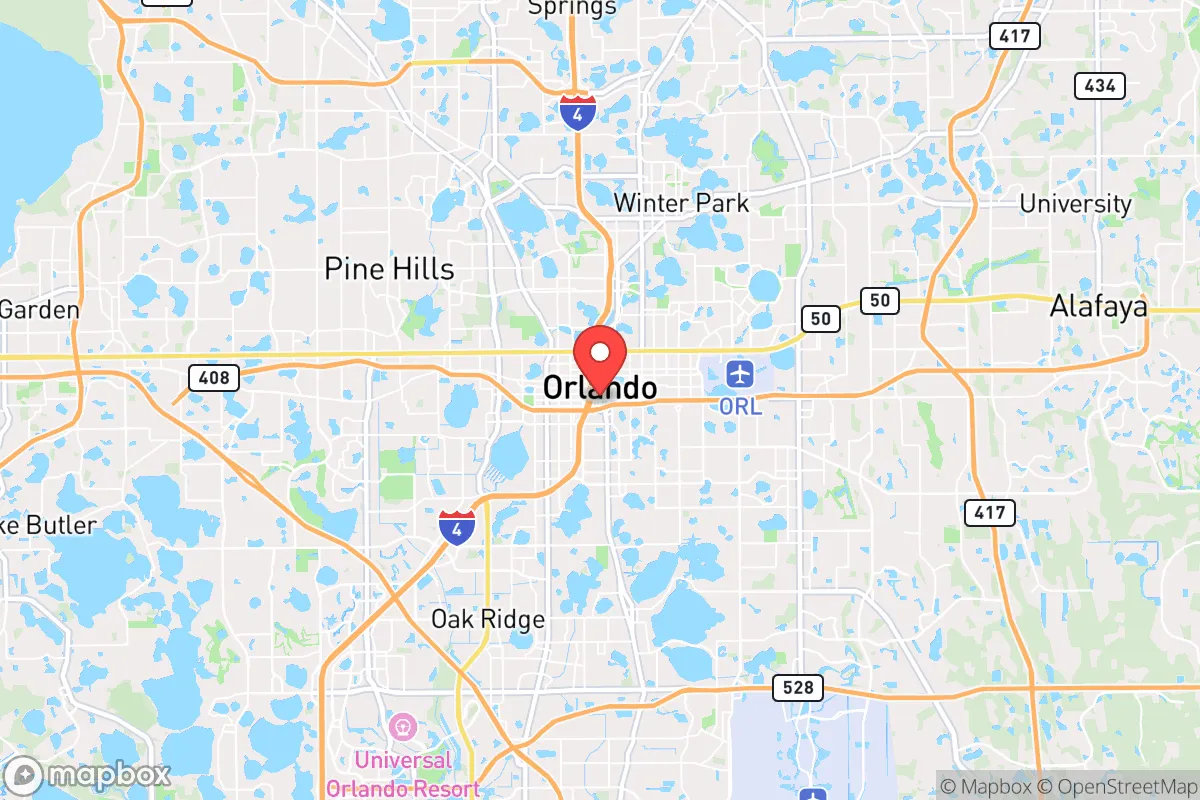
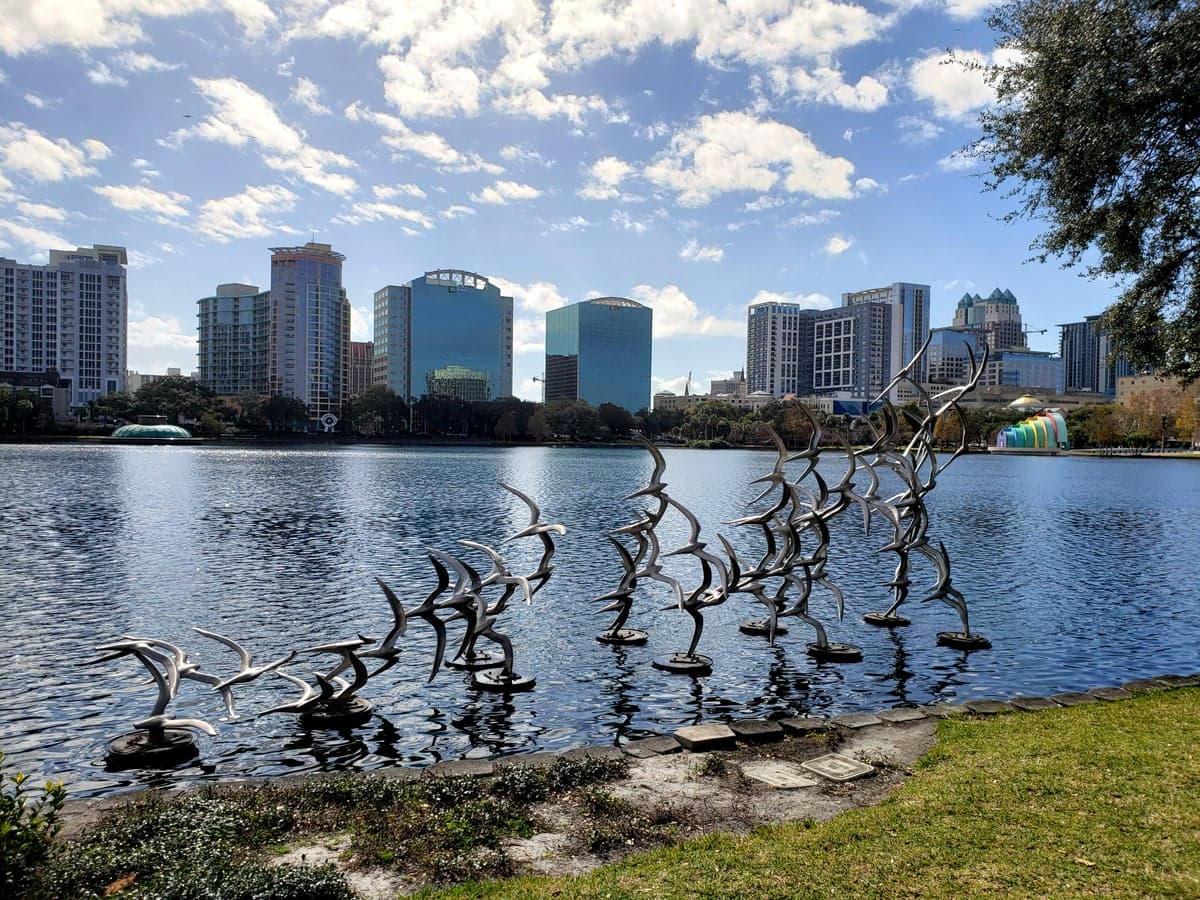
Photo: Wikipedia
Political ClimatePolitical Climate in Orlando, FL
District shown is the primary district for this city’s centroid. Cities may span multiple districts.
Local Political AnalysisPolitical Analysis of Orlando, FL
Orlando’s political climate has shifted hard to the left in recent years, and if you’ve lived here as long as I have, you’ve watched it happen in real time. The city itself is now a deep blue stronghold, with a Cook PVI of D+13, meaning it votes about 13 points more Democratic than the national average. That wasn’t always the case—Orlando used to be a purple swing area where both parties had a real shot in local races. But the last few election cycles have cemented a progressive majority on the city council and in county government, and the trajectory is clear: policies are getting more aggressive on everything from zoning to public health mandates, and there’s less and less room for dissenting voices in local politics.
How it compares
If you drive just 20 minutes outside the city limits, the political landscape flips dramatically. Suburbs like Winter Garden, Windermere, and Clermont still lean conservative, with many precincts voting Republican by double digits in 2024. Head north toward Apopka or west to Ocoee, and you’ll find a mix of red-leaning neighborhoods and purple swing areas. But inside the I-4 corridor—especially around downtown, College Park, and the tourist corridor—the progressive agenda is dominant. The contrast is stark: you can go from a neighborhood where the city council is pushing “sanctuary city” policies to a town where the mayor is openly critical of state mandates, all within a 15-minute drive. That split creates real tension, especially when county-wide policies from Orange County start to override local preferences in the more conservative pockets.
What this means for residents
For anyone who values personal freedoms and limited government, the trend in Orlando is concerning. The city has embraced a “progressive” playbook that includes expanding government oversight into housing regulations, pushing mask and vaccine mandates during health scares, and using zoning laws to force higher-density development in established neighborhoods. Property rights feel less secure when the city can rezone your block without much community input. Tax dollars are increasingly directed toward social programs and public art projects that don’t always align with what long-time residents want. And if you run a small business, you’ve probably dealt with new licensing requirements or fee hikes that feel more like punishment than regulation. The political machine here rewards activism over common sense, and that’s a tough environment for anyone who just wants to be left alone to live their life.
One cultural distinction worth noting: Orlando’s politics are heavily influenced by the tourism and hospitality industries, which lean left on labor and immigration issues because they rely on a large, often immigrant workforce. That means policies on housing, wages, and enforcement of federal immigration law tend to favor open-borders approaches and higher minimum wages, even if those policies strain local budgets or push up costs for residents. The city’s identity as a “welcoming” place has real consequences for how law enforcement operates and how public funds are spent. If you’re looking for a place where local government stays out of your business and respects traditional values, Orlando’s core is heading in the opposite direction. The surrounding towns still offer a more balanced environment, but the city itself is a cautionary tale of what happens when one party holds unchecked power for too long.

State Political ClimatePolitical Climate in Florida
State Political AnalysisPolitical Environment in the State
Florida has transformed from a classic swing state into a solidly Republican-leaning powerhouse over the past two decades, with the GOP now holding a supermajority in both legislative chambers and a trifecta in state government. The state’s political center of gravity has shifted decisively rightward, driven by a massive influx of conservative-leaning migrants from the Northeast and Midwest, as well as a growing Hispanic electorate in places like Miami-Dade that has broken sharply from its Democratic past. While Democrats still hold sway in a few urban strongholds, the overall trajectory has been a steady march toward red dominance, with Republicans winning every statewide race since 2012 and carrying the state for Donald Trump by over 3 points in both 2020 and 2024.
Urban vs. rural divide
The political map of Florida is a study in stark contrasts, with the state’s major metros—Miami, Orlando, and Tampa—acting as the primary battlegrounds. Miami-Dade County, once a Democratic bastion, has flipped dramatically: in 2020, Trump lost it by only 7 points, down from Hillary Clinton’s 29-point margin in 2016, and by 2024, the GOP had cut that to a single-digit deficit. This shift is fueled by Cuban-American and Venezuelan voters in suburbs like Hialeah and Kendall who are deeply skeptical of socialism and have embraced the GOP’s message on freedom and economic opportunity. Meanwhile, the Panhandle and rural North Florida—places like Pensacola, Panama City, and the sprawling counties around Gainesville—are deeply red, often voting 70-80% Republican. The I-4 corridor, stretching from Tampa through Lakeland to Daytona Beach, remains the state’s ultimate swing zone, with fast-growing suburbs like The Villages (a retiree-heavy GOP stronghold) and Clermont tipping the balance. Orlando’s Orange County and Tampa’s Hillsborough County still lean Democratic, but even there, the margins are shrinking as new arrivals bring conservative values.
Policy environment
Florida’s policy environment is a model of limited government, with no state income tax, a right-to-work law, and a regulatory climate that consistently ranks among the most business-friendly in the nation. The state’s education system has been a flashpoint: Governor Ron DeSantis signed the Parental Rights in Education Act (HB 1557) in 2022, which prohibits classroom instruction on sexual orientation and gender identity in early grades, and the Stop WOKE Act (HB 7) in 2022, which restricts critical race theory in schools and workplace training. On healthcare, Florida has resisted Medicaid expansion under the Affordable Care Act, leaving over 800,000 residents in the coverage gap, but it has also championed medical freedom with laws like SB 252 (2023), which bans COVID-19 vaccine mandates for private employers. Election integrity is a priority: the state passed SB 90 in 2021, tightening voter ID requirements, limiting drop boxes, and restricting mail-in ballot requests, which has drawn both praise for security and criticism for access. Property taxes are relatively low, but homeowners face rising insurance premiums due to hurricane risk and litigation—a growing concern for new residents.
Trajectory & freedom
Florida is undeniably becoming more free in the eyes of conservatives, with a legislative agenda that has expanded personal liberty across multiple fronts. The state’s constitutional carry law (HB 543), signed in 2023, allows law-abiding residents to carry concealed firearms without a permit, a major win for Second Amendment advocates. Parental rights have been strengthened through the aforementioned HB 1557 and the expansion of school choice via the Family Empowerment Scholarship program, which now serves over 300,000 students. On medical autonomy, Florida banned COVID-19 vaccine passports (SB 2006, 2021) and prohibited mask mandates in schools (SB 252, 2023), pushing back against federal overreach. Property rights were bolstered by the Live Local Act (2023), which preempts local zoning to allow affordable housing development, though some conservatives worry it infringes on local control. The only area of concern is the state’s aggressive use of eminent domain for private development, such as the proposed toll roads in rural areas, which has sparked backlash from libertarian-leaning residents.
Civil unrest & political movements
Florida has seen its share of political flashpoints, but they tend to be more organized and less chaotic than in other states. The most visible movement is the conservative grassroots network, including groups like Moms for Liberty, which has been instrumental in school board elections and book challenges, particularly in suburban counties like Sarasota and St. Johns. On the left, the Dream Defenders and other activist groups have organized protests against the Stop WOKE Act and the “Don’t Say Gay” law, but these have largely fizzled without the media attention seen in states like Oregon or New York. Immigration politics are a constant undercurrent: Governor DeSantis’s deployment of state law enforcement to the Texas border and the transport of migrants to Martha’s Vineyard in 2022 were widely covered, but within Florida, the issue is more about sanctuary city bans—the state passed a law in 2019 (SB 168) prohibiting sanctuary policies, and local governments like Miami-Dade and Jacksonville have complied. Election integrity remains a hot topic, with the 2020 and 2024 cycles seeing no major scandals, but ongoing litigation over SB 90’s restrictions on mail-in voting keeps the issue alive.
Projection
Over the next 5-10 years, Florida is likely to become even more conservative as in-migration continues from blue states like New York, California, and Illinois. The state is projected to add over 3 million residents by 2035, with the fastest growth in red-leaning exurbs like Ocala, Port St. Lucie, and the Panhandle’s Santa Rosa County. The Hispanic vote, now a third of the electorate, will continue to shift right, particularly among second-generation Cubans, Venezuelans, and Nicaraguans who see the GOP as the party of economic freedom. However, there are risks: the influx of younger, more diverse migrants from Latin America and the Northeast could eventually moderate the state’s politics, especially if housing affordability becomes a crisis. Climate change and rising insurance costs could also drive out some retirees, but for now, the political trajectory is clear: Florida will remain a red state with a conservative policy agenda, and any Democratic gains will likely be limited to a few urban pockets. A new resident moving in now should expect a state that values individual liberty, low taxes, and parental control, but also one where the culture war is a constant feature of daily life.
For a conservative-leaning individual or family, Florida offers a rare combination of economic opportunity, personal freedom, and political alignment that is increasingly hard to find elsewhere. The bottom line: you’ll pay no state income tax, your kids will be taught with parental rights in mind, your Second Amendment rights are protected, and your vote will count in a state that is solidly red. Just be prepared for the heat—both the weather and the political climate—and know that the culture war is not a background noise here; it’s a front-line battle that you’ll be part of, whether you like it or not.
* Values derived from national, state, county, city and local statistics and may differ in a specific area. Last updated: 2026-04-15T23:46:52.000Z
Narrative content on this page is AI-generated and may contain mistakes. Verify any details that matter before acting on them.
ReloMaps may earn a commission from affiliate links at no extra cost to you.

