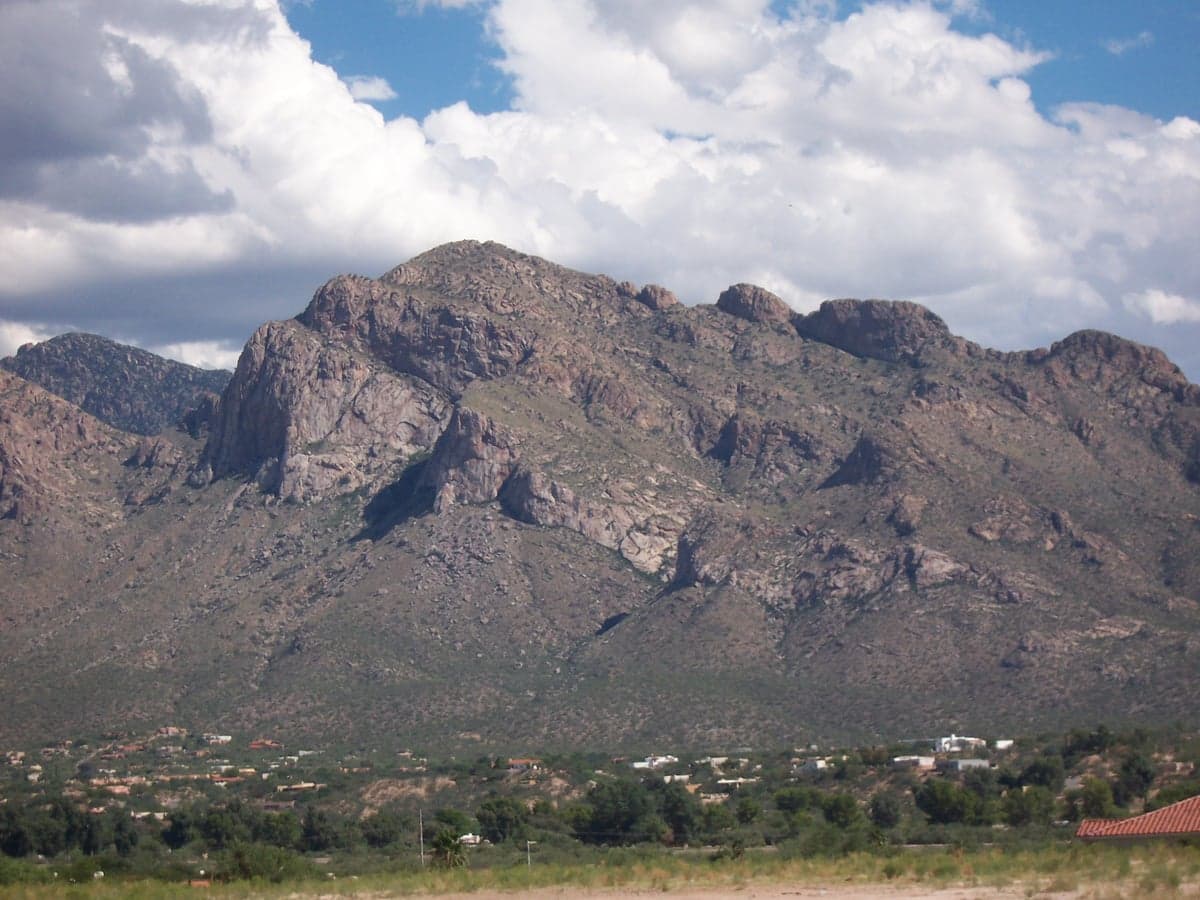
Photo: Wikipedia
Political ClimatePolitical Climate in Oro Valley, AZ
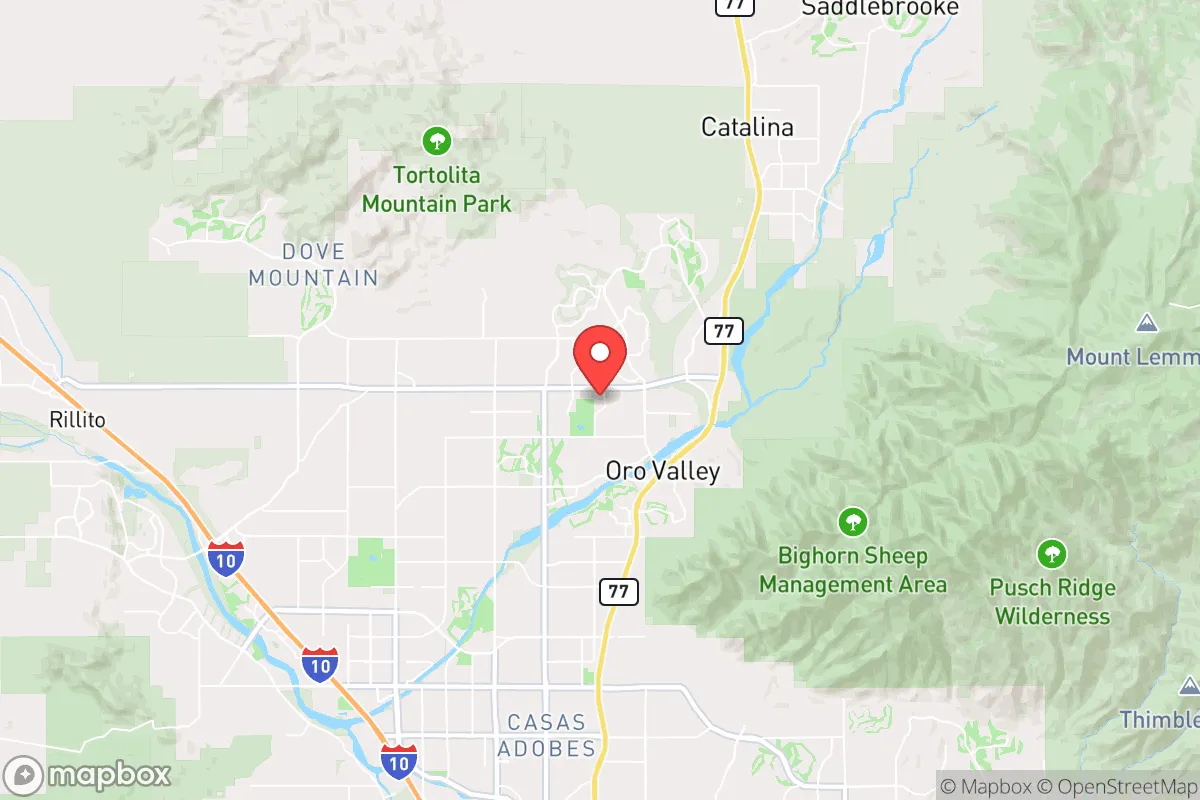
District shown is the primary district for this city’s centroid. Cities may span multiple districts.
Local Political AnalysisPolitical Analysis of Oro Valley, AZ
Oro Valley has long been a reliably conservative community, but if you've lived here as long as I have, you've watched the political needle shift in ways that are frankly unsettling. The Cook PVI rating of EVEN tells the real story: this town is no longer the safe Republican stronghold it was twenty years ago. We're now a true battleground, and the trajectory is concerning for anyone who values limited government and personal freedoms. The influx of retirees and remote workers from blue states has brought a noticeable progressive tilt to local elections, and the old guard is fighting to keep Oro Valley from turning into another Tucson.
How it compares
Drive ten miles south into Tucson, and you're in a different world politically—a deep blue city where the county government has a long history of overreach on everything from business mandates to property rights. Oro Valley used to be the clear conservative alternative, but that contrast is fading. To the north, Marana and SaddleBrooke still lean reliably red, but Oro Valley's town council races have become increasingly competitive, with progressive candidates winning seats by narrow margins. The 2022 midterms saw several local ballot measures pass that would have been unthinkable a decade ago, including zoning changes that give the town more control over private property development. It's a slow creep, but it's real.
What this means for residents
For those of us who moved here to escape the regulatory headaches of Tucson or Phoenix, the warning signs are flashing. The town council has already floated proposals for stricter short-term rental regulations and noise ordinances that sound reasonable on paper but give government more say over how you use your own home. Property taxes have crept up faster than inflation, and there's growing pressure to adopt "climate action" plans that would inevitably mean more mandates on homeowners and businesses. The school board, once a quiet conservative body, now sees contentious debates over curriculum transparency and parental rights. If you value being left alone to live your life without a bureaucrat's permission slip, you need to pay attention to every local election from here on out.
On the cultural side, Oro Valley still has its conservative bones—the golf courses are full of flag-waving retirees, and the VFW post is as active as ever. But the new developments are bringing in a younger, more diverse crowd that doesn't always share those values. The town's annual Fourth of July parade still draws a crowd, but you'll see as many "In This House We Believe" signs as "Don't Tread on Me" flags these days. The long-term outlook depends entirely on who shows up to vote in the next few cycles. If the old-timers and freedom-minded newcomers stay engaged, we can keep Oro Valley from sliding into the same government-overreach mess that's ruined so many other Arizona towns. If we get complacent, well—just look at what happened to Scottsdale. That's our future.

State Political ClimatePolitical Climate in Arizona
State Political AnalysisPolitical Environment in the State
Arizona has transformed from a reliably Republican stronghold into a true battleground state over the past two decades, with a partisan lean that now sits roughly even—Donald Trump won it by just 3.5 points in 2020 after it went for Joe Biden by 0.3 points, and the 2024 race was again razor-thin. The dominant coalition is no longer the conservative retirees and ranchers who built the state; instead, a surge of transplants from California and the Midwest, combined with a fast-growing Latino electorate, has created a purple-to-light-blue tilt in statewide races. Over the last 10-20 years, the trajectory has been a steady leftward drift, with Democrats winning the presidency, both U.S. Senate seats, and the governorship in recent cycles—though Republicans still hold the state legislature and most county offices, keeping the balance tense.
Urban vs. rural divide
The political map of Arizona is a textbook case of urban-rural polarization. Maricopa County, home to Phoenix and its sprawling suburbs, is the decisive battleground—it casts about 60% of the state’s votes and has flipped from deep red to purple, with Biden winning it by 2 points in 2020. Within Maricopa, the city of Phoenix itself is solidly Democratic, while suburbs like Mesa and Gilbert remain reliably conservative, though even those are seeing inroads from moderate transplants. Tucson (Pima County) is the other blue anchor, driven by the University of Arizona and a younger, more progressive population. The rest of the state—Yavapai County (Prescott), Mohave County (Lake Havasu City), and Coconino County (Flagstaff, though Flagstaff itself is liberal)—is overwhelmingly Republican, with rural precincts often voting 70-80% for GOP candidates. The divide is stark: drive 30 minutes outside any metro area, and you’re in deep-red territory where conservative values are the norm.
Policy environment
Arizona’s policy environment is a mixed bag that still leans conservative on many fronts, but with growing progressive pressure. The state has a flat income tax rate of 2.5% (passed in 2021 under Republican Governor Doug Ducey), which is among the lowest in the nation, and no estate tax—a clear win for fiscal conservatives. Property taxes are moderate, and sales taxes vary by county but average around 8.4%. On education, the state has expanded school choice aggressively, with Empowerment Scholarship Accounts (ESAs) available to all students since 2022—a major victory for parental rights. However, the public school system remains underfunded, and teacher walkouts in 2018 forced a temporary tax hike. Healthcare policy is mixed: Arizona expanded Medicaid under the Affordable Care Act in 2013, but the state also has some of the loosest telemedicine and direct-primary-care laws in the West. Election laws have been a flashpoint—the 2020 audit in Maricopa County fueled national controversy, and the GOP-controlled legislature has since passed voter ID requirements and restrictions on mail-in ballot drop boxes, though courts have struck down some provisions. For a conservative, the policy environment is still favorable on taxes and school choice, but the trend is toward more regulation and government involvement in healthcare and elections.
Trajectory & freedom
On personal freedom, Arizona is a state in flux—it’s becoming less free in some areas and holding the line in others. The good news: constitutional carry (permitless carry of firearms) became law in 2010, and the state has strong preemption laws that prevent cities like Tucson and Flagstaff from enacting their own gun bans. Parental rights were bolstered by the 2022 ESA expansion, which lets families use state funds for private school, homeschooling, or tutoring. But the bad news is mounting: in 2023, the Democratic governor Katie Hobbs signed a repeal of the 1864 near-total abortion ban, replacing it with a 15-week restriction—a compromise that still leaves the state more restrictive than California but less than Texas. Property rights are under threat from water scarcity regulations; the 2023 Groundwater Management Act imposes new limits on new home construction in rural areas, which some see as government overreach. On medical autonomy, the state legalized medical marijuana in 2010 and recreational use in 2020, but Hobbs has pushed for tighter licensing and advertising restrictions. The trajectory is concerning: while the legislature remains conservative, the governor’s office and executive agencies are increasingly using regulatory power to chip away at freedoms, especially on health and land use.
Civil unrest & political movements
Arizona has seen its share of political flashpoints, and a new resident will notice the tension. The 2020 election audit in Maricopa County—often called the “Cyber Ninjas” audit—was a national spectacle, with both sides accusing the other of fraud or suppression. It energized the conservative grassroots but also deepened distrust in election integrity. Immigration politics are a constant undercurrent: SB 1070 (the “show me your papers” law) was passed in 2010 but largely gutted by the courts, and the border crisis has fueled regular protests in Nogales and Douglas. On the left, the #RedForEd teacher walkout in 2018 was the largest in state history, and progressive groups like LUCHA (Living United for Change in Arizona) are active in Phoenix and Tucson, pushing for higher minimum wages and rent control. On the right, the Arizona Freedom Caucus in the legislature has been a vocal force, blocking budget deals and pushing for election reform. You’ll see signs and bumper stickers for both sides everywhere, and local news is dominated by partisan bickering—it’s not a place for the politically faint of heart.
Projection
Looking five to ten years out, Arizona is likely to continue its slow leftward drift, but not without a fight. The demographic trends are clear: Maricopa County’s suburban voters are getting younger and more diverse, and the influx of Californians (who now make up about 10% of new residents) tends to bring moderate-to-liberal voting habits. The Latino population, now about 32% of the state, is growing and leaning increasingly Democratic, though not uniformly. However, the rural and exurban areas are also growing—places like Buckeye and Marana are booming with conservative families fleeing higher taxes elsewhere. The wildcard is water: if severe shortages force state-level rationing or development moratoriums, it could slow growth and shift political priorities. Realistically, expect Arizona to remain a swing state, with Republicans holding the legislature but Democrats winning the governorship and presidential races more often than not. For a conservative moving in now, the next decade will feel like a defensive battle—holding ground on taxes and school choice while fighting off progressive pushes on healthcare, housing regulation, and election laws.
Bottom line for a new resident: If you’re a conservative looking for a low-tax, gun-friendly state with strong school choice, Arizona still delivers—but you’ll need to be politically engaged to keep it that way. The urban areas are trending blue, and the state government is increasingly split, meaning gridlock is common. You’ll find like-minded communities in the suburbs and rural areas, but you’ll also encounter growing progressive activism in the cities. Come for the weather and the economic opportunity, but stay ready to vote in every election—your freedoms here are not guaranteed, they’re earned.
* Values derived from national, state, county, city and local statistics and may differ in a specific area. Last updated: 2026-05-03T20:23:57.000Z
Narrative content on this page is AI-generated and may contain mistakes. Verify any details that matter before acting on them.
ReloMaps may earn a commission from affiliate links at no extra cost to you.

