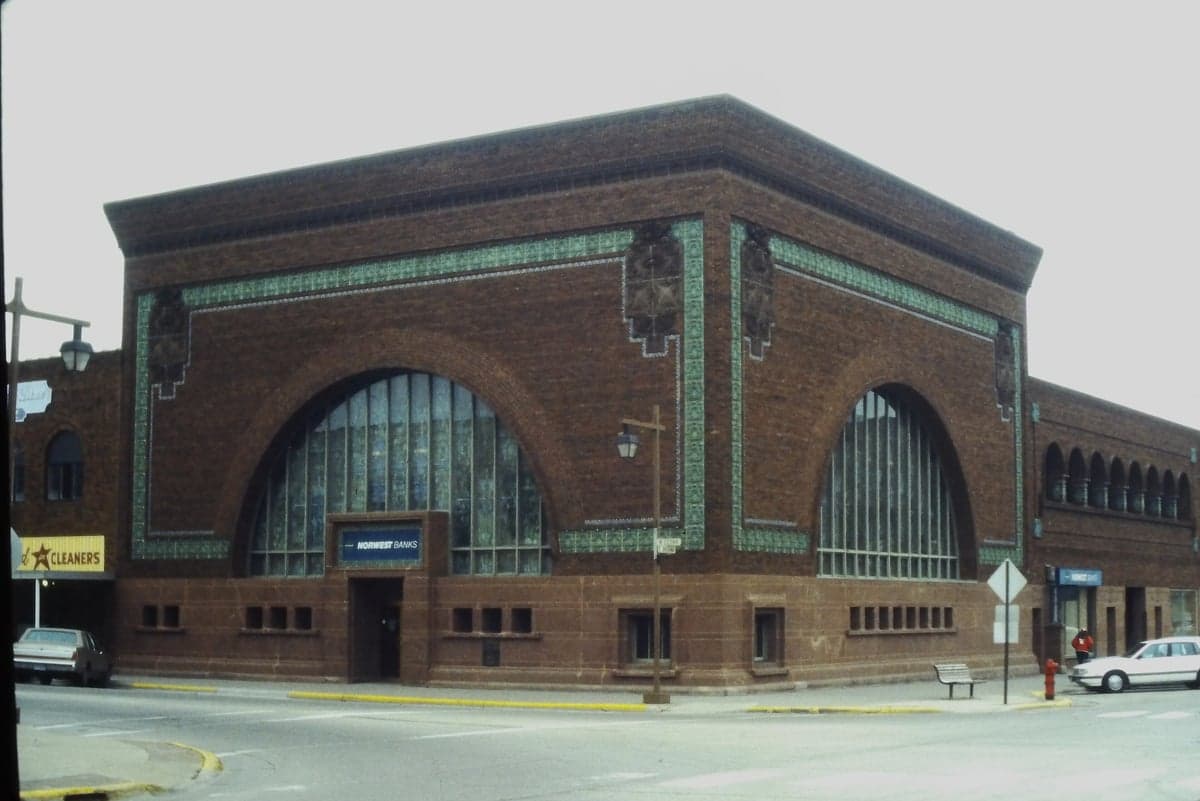
Photo: Wikipedia
Political ClimatePolitical Climate in Owatonna, MN
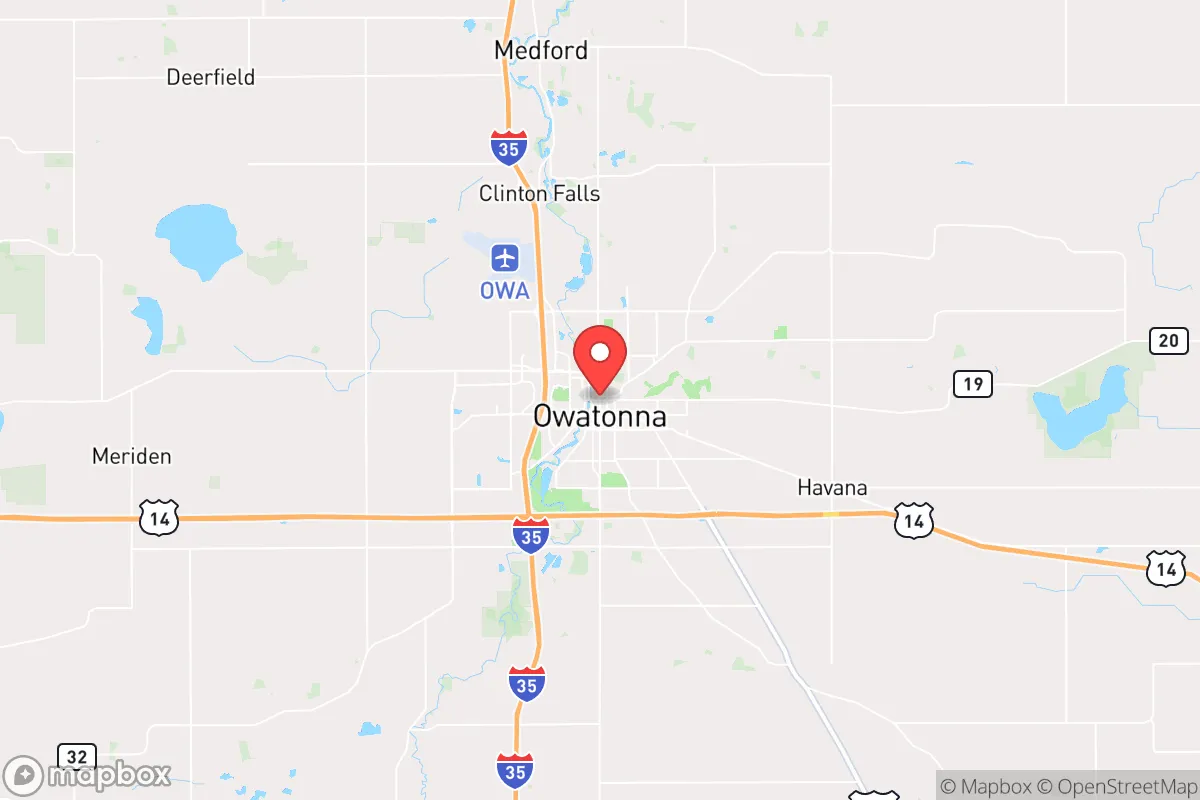
District shown is the primary district for this city’s centroid. Cities may span multiple districts.
Local Political AnalysisPolitical Analysis of Owatonna, MN
Owatonna, Minnesota, has long been a solidly conservative community, and the numbers back that up with a Cook PVI of R+6, meaning the area votes about six points more Republican than the national average. But if you've lived here as long as I have, you've watched that lean get tested in real time. The town's political identity is still rooted in traditional values—fiscal responsibility, limited government, and a healthy skepticism of federal overreach—but there's a creeping unease as outside influences and state-level mandates start to chip away at that foundation. The trajectory isn't a dramatic flip, but a slow erosion that has folks like me paying close attention to every election cycle.
How it compares
When you look at the map, Owatonna sits in a bit of a conservative island surrounded by some interesting contrasts. Drive 20 miles north to Faribault, and you'll find a town that's been trending bluer, thanks in part to a growing immigrant population and a more progressive city council. Head 30 miles east to Rochester, and you're in a major medical hub where the politics lean noticeably left, driven by Mayo Clinic's workforce and a younger, more diverse demographic. Meanwhile, our neighbors in Steele County—like Blooming Prairie and Medford—tend to vote even more red than we do, with some precincts hitting R+10 or higher. That contrast is telling: Owatonna is the county seat, so it gets a bit more of the state's political noise, but the surrounding rural areas are a reminder of where the real heartland values still hold strong. It's a constant tug-of-war between the town's traditional conservatism and the progressive drift coming from the Twin Cities and Rochester.
What this means for residents
For those of us who value personal freedoms and local control, the political climate here is a mixed bag. On the plus side, property taxes remain relatively low compared to the metro, and the city council has historically resisted heavy-handed zoning or business regulations that would stifle small entrepreneurs. But the state government in St. Paul is a different story. We've seen mandates on everything from energy standards to education curricula that feel like they're written for Minneapolis, not Main Street Owatonna. The real concern is the slow creep of progressive ideology into local schools and county boards. A few years back, there was a push to adopt "equity" policies that sounded an awful lot like government overreach into how kids are taught and what values are promoted. It got shot down, but the fight is far from over. For residents, this means staying vigilant—showing up at school board meetings and county commission hearings is no longer optional if you want to keep the government out of your backyard.
Culturally, Owatonna still feels like a place where you can leave your doors unlocked and know your neighbors, but the policy battles are getting sharper. One distinction that stands out is the strong Second Amendment culture here—gun shops and shooting ranges are common, and there's a deep resistance to any state-level firearm restrictions. Another is the local emphasis on faith-based community organizations, which often step in where government programs fall short. If you're looking for a place where conservative values still hold sway but you'll need to keep your guard up against state overreach, Owatonna is a solid bet. Just don't expect it to stay that way without a fight.

State Political ClimatePolitical Climate in Minnesota
State Political AnalysisPolitical Environment in the State
Minnesota has shifted from a classic purple battleground to a reliably blue state over the past two decades, with Democrats (DFL) now controlling the governorship, both legislative chambers, and the entire federal delegation. The state voted for Hillary Clinton by 1.5 points in 2016, Joe Biden by 7 points in 2020, and Kamala Harris by roughly 4 points in 2024, but that top-line blue veneer hides a deeply fractured electorate. The real story is the collapse of rural Democratic support and the explosive growth of the Twin Cities metro, which now supplies nearly 60% of the state’s votes and drives the statewide lean leftward.
Urban vs. rural divide
The political map of Minnesota is a tale of two worlds. The Twin Cities metro — Minneapolis, St. Paul, and their inner-ring suburbs like Edina, Bloomington, and Maplewood — is a deep blue stronghold where Democrats routinely win by 30-50 points. Meanwhile, greater Minnesota, which includes cities like Rochester, Duluth, St. Cloud, and Mankato, has been trending red for a decade. Rochester, home to the Mayo Clinic, still leans blue but is drifting right as professionals move in. Duluth, once a union stronghold, is now a swing city that voted for Trump in 2016 and Biden in 2020. The rural counties along the Iowa border and in the northwest — places like Worthington, Marshall, and Thief River Falls — have flipped from DFL to GOP in a single generation. The 2024 election saw St. Louis County (Duluth) and Olmsted County (Rochester) both shift right by 3-5 points, while Hennepin County (Minneapolis) held firm. The divide isn’t just geographic; it’s cultural. Metro voters prioritize climate policy and social justice, while rural voters care about agriculture, mining, and property rights.
Policy environment
Minnesota’s policy environment has lurched hard left since the DFL took full control in 2023. The state now has a progressive income tax with a top rate of 9.85% on income over $200,000 (single filers), one of the highest in the nation. Property taxes are moderate but vary wildly by county; Hennepin County levies about 1.1% of assessed value, while rural Kandiyohi County is closer to 1.3%. Sales tax is 6.875% statewide, but cities like Minneapolis and St. Paul add local surcharges that push it past 8%. The 2023 DFL trifecta passed a slew of progressive laws: a paid family and medical leave program funded by a 0.7% payroll tax, a carbon-free electricity mandate by 2040, and a $15 minimum wage indexed to inflation. Education spending is among the highest per pupil in the nation, but school choice is limited — charter schools exist but are tightly regulated, and there’s no voucher program. Election laws are among the most liberal: automatic voter registration, same-day registration, no-excuse absentee voting, and a 2023 law restoring felon voting rights upon release from prison. Gun laws are restrictive: universal background checks, a red-flag law, and a 2023 ban on “binary triggers” and “trigger cranks.” For a conservative, the policy environment is increasingly hostile to Second Amendment rights, school choice, and tax freedom.
Trajectory & freedom
Minnesota is becoming less free by any objective measure, especially since 2023. The DFL trifecta passed a slate of bills that expanded government control over personal decisions. The Minnesota Clean Energy Act (2023) mandates 100% carbon-free electricity by 2040, effectively banning new natural gas plants and forcing utilities to buy expensive renewable credits. The Minnesota Reproductive Freedom Defense Act (2023) codified abortion rights and removed nearly all restrictions, including parental notification for minors. The Minnesota Human Rights Act was expanded to include “gender identity” and “sexual orientation” as protected classes, leading to lawsuits against small businesses that refuse to participate in same-sex weddings. On the plus side, the state has no right-to-work law, but union membership has held steady at about 14% of the workforce. Property rights took a hit with a 2023 law that allows local governments to impose rent control without a voter referendum; Minneapolis already has a rent stabilization ordinance. The 2024 legislative session saw a failed attempt to pass a “clean slate” law that would automatically expunge certain criminal records, but it’s likely to return. For a conservative, the trajectory is clear: more taxes, more mandates, and less room for individual choice in energy, healthcare, and education.
Civil unrest & political movements
Minnesota has been a flashpoint for civil unrest since the 2020 murder of George Floyd in Minneapolis, which sparked the largest protests in state history and an estimated $500 million in property damage. The aftermath saw a surge in left-wing activism, including the “defund the police” movement that led to the Minneapolis City Council voting to disband the police department (later reversed after a court order). On the right, the Minnesota Gun Owners Caucus and the Minnesota Family Council have become more organized, but they’re outgunned by well-funded progressive groups like TakeAction Minnesota and the Minnesota Nurses Association. Immigration politics are tense: Minnesota is a “sanctuary state” under a 2023 law that limits local cooperation with ICE, and the state has seen a surge in Somali and Hmong refugee populations, particularly in St. Cloud and Willmar. Election integrity remains a hot-button issue; the 2020 election was certified without major fraud, but the 2023 law allowing felon voting and same-day registration has raised concerns among conservatives about chain-of-custody and voter rolls. The Minnesota State Fair has become a political battleground, with dueling booths from the DFL and GOP. A new resident would notice the political polarization in everyday life: yard signs, bumper stickers, and even grocery store conversations often tip into partisan arguments.
Projection
Over the next 5-10 years, Minnesota is likely to become more blue and more progressive. The Twin Cities metro is growing faster than the rest of the state, and in-migration from blue states like California and Illinois is accelerating that trend. The 2024 election showed that Trump’s gains in rural areas weren’t enough to offset Harris’s margins in the suburbs; Anoka County, a classic swing county north of the metro, voted for Harris by 2 points after backing Trump in 2016. The DFL’s demographic advantage is structural: young voters in the metro are overwhelmingly liberal, and the state’s aging rural population is shrinking. The 2026 gubernatorial election will be a test; if the DFL holds the governorship, expect more progressive policies like a state-level wealth tax, a public option for health insurance, and a ban on new gas stations. The GOP’s only realistic path back to power is to win back the suburbs by moderating on social issues while hammering on taxes and crime, but that’s a long shot given the current national environment. For a conservative moving in now, the state will feel increasingly like a blue island in a red sea, with policy drift accelerating every two years.
Bottom line for a new resident: If you’re a conservative, Minnesota offers a high quality of life — great schools, clean air, and strong job markets — but you’ll be swimming against a strong political current. You’ll pay high taxes, face restrictive gun laws, and live in a state where your vote for governor or senator will likely be canceled by the metro. The best bet for a conservative is to settle in a red-leaning exurb like Lakeville, Prior Lake, or Otsego, where local government is more friendly and you’re still close to Twin Cities jobs. But don’t expect the state to flip back anytime soon; the demographic and cultural trends are firmly blue.
* Values derived from national, state, county, city and local statistics and may differ in a specific area. Last updated: 2026-10-10T16:28:36.000Z
Narrative content on this page is AI-generated and may contain mistakes. Verify any details that matter before acting on them.
ReloMaps may earn a commission from affiliate links at no extra cost to you.

