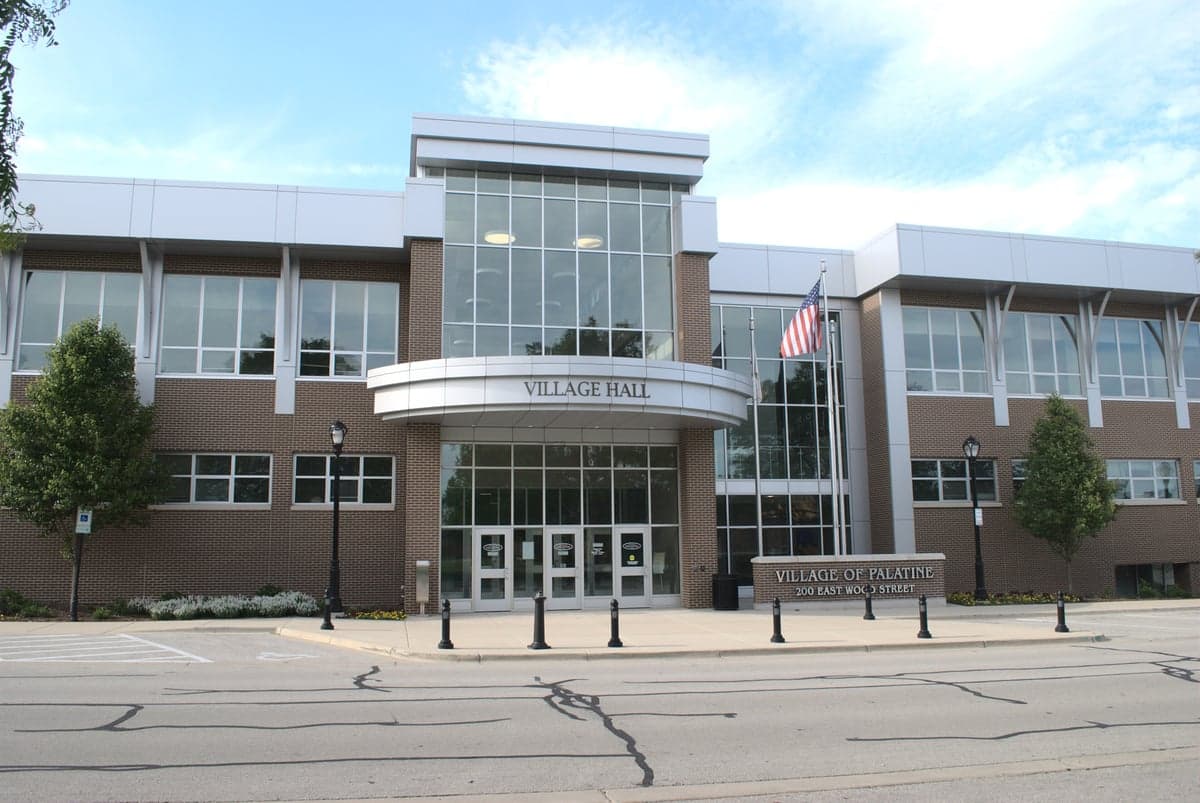
Photo: Wikipedia
Strategic Assessment of Palatine, IL
Multiple tactical vulnerabilities. Population density, target proximity, or disaster risk are likely compounding. A retreat property and exit planning is required.
What does the Strategic Assessment tell us?
Our Strategic Assessment grades tactical survivability of an area. Major population centers, military targets, fallout zones, natural disasters, and border exposure all drive risk — lower exposure means a more defensible position in a crisis.
This is heavily inspired by Joel Skousen's Strategic Relocation book. Highly recommended you checkout the book ($)What does this tell us?
Our Strategic Assessment grades tactical survivability of an area. Major population centers, military targets, fallout zones, natural disasters, and border exposure all drive risk — lower exposure means a more defensible position in a crisis.
This is heavily inspired by Joel Skousen's Strategic Relocation book. Highly recommended you checkout the book ($)Strategic Pillars

Key Distances
Regional Safe Places
Below is our recommended "safe zones" in Illinois and the surrounding area based on our strategic heuristics. For most people, it's unrealistic to live in a “safe zone” full-time due to work, family or other personal reasons. They tend to be more rural. However, many of these areas are perfect for second homes and retreat properties that double as a vacation home or even a short-term rental.
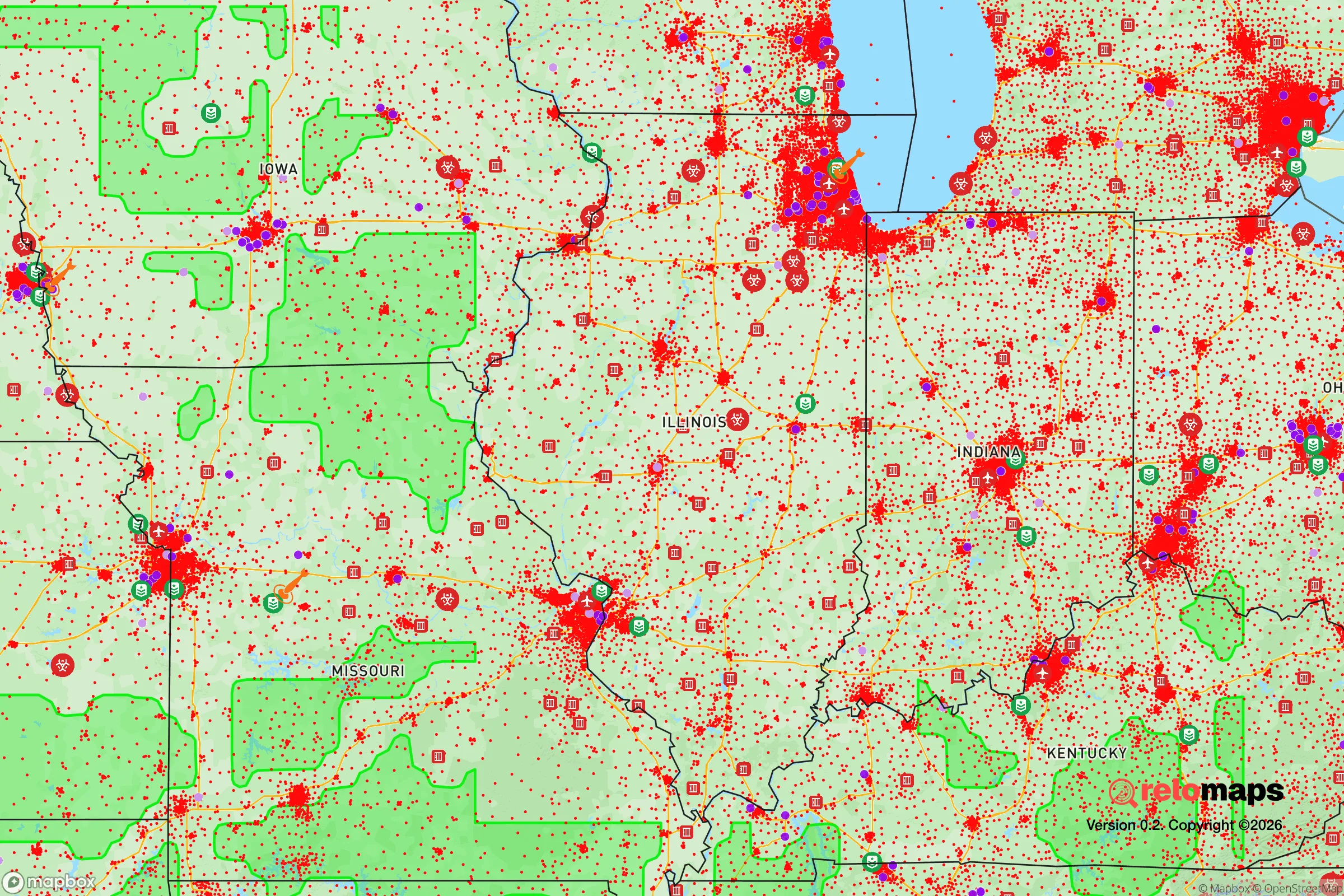
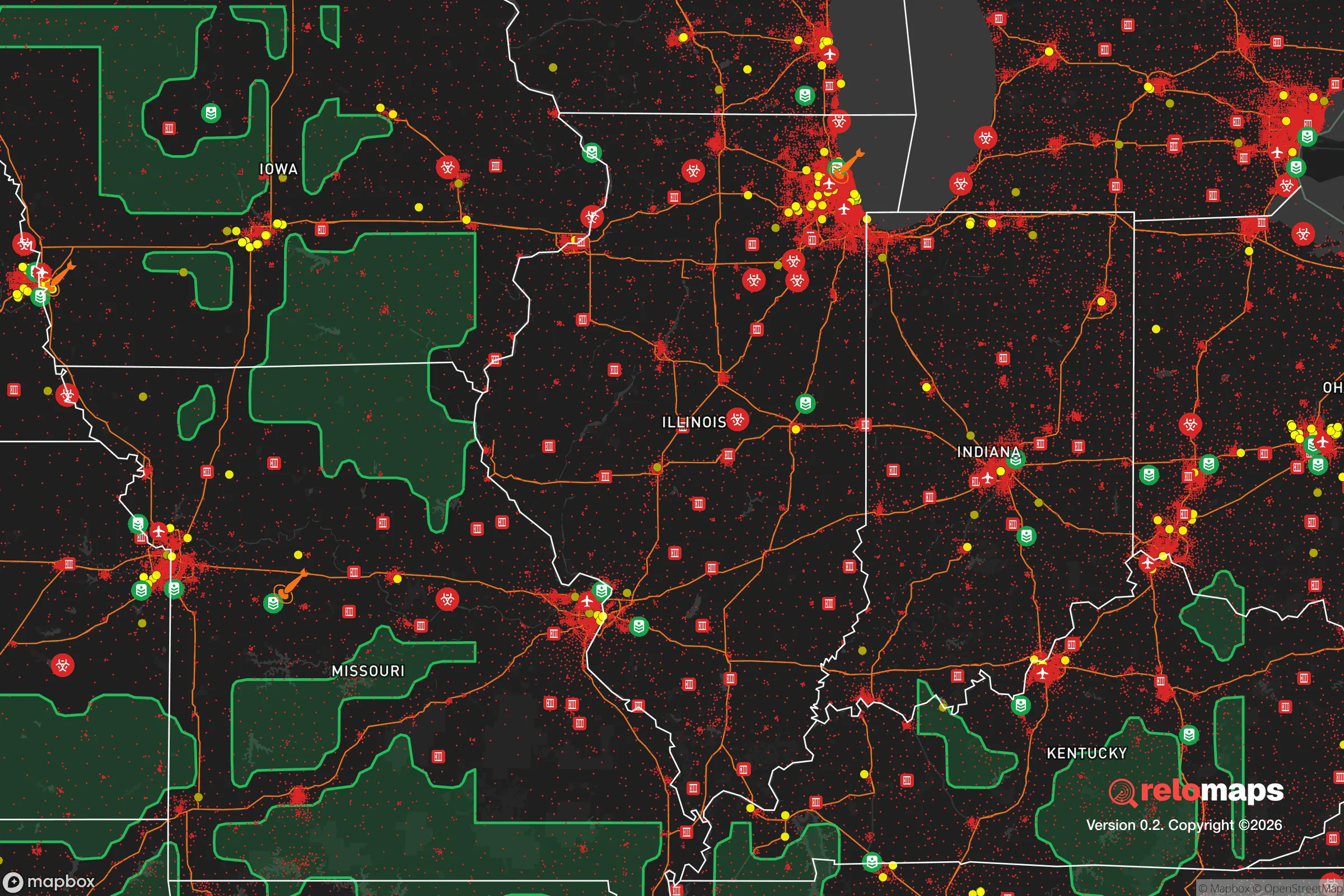


Important Note: For informational purposes only. This does not mean nothing bad ever happens in the green zones. Please use common sense. This is based on public data and modeled with AI. We tried to take a conservative approach but mistakes happen. We update this regularly as new information becomes available.
Solar Generator Recommendations
Backup power matters more here than in safer locations. We've picked three solar generators across budgets and capacity tiers — start with the budget unit if you only need a few essentials, or step up if you want to run a fridge and HVAC for days at a time.

Jackery Portable Power Station Explorer 300
Budget OptionPower on the Go: Weighing only 11 lbs, it's convenient to set up and store with book-sized foldable solar panels

BLUETTI Portable Power Station AC180
Designed for both indoor and outdoor scenarios, AC180 is highly capable as it has a robost capacity and continuous output power.

EF ECOFLOW DELTA Pro Ultra Power Station
Upgraded PickEcoFlow DELTA Pro Ultra is a whole-home energy system designed to grow with your family. Integrated with the Smart Home Panel 2, it scales to meet your evolving energy needs — keeping your home powered, intelligent, and secure through every stage of life.
We earn a commission, at no additional cost to you.
Strategic Assessment Analysis
Palatine, Illinois, sits in a precarious strategic position that demands a clear-eyed assessment. While its location in the northwest suburbs of Chicago offers some buffer from the immediate chaos of a major urban collapse, it remains dangerously close to a primary target zone. For the relocator thinking in terms of resilience, Palatine presents a mixed bag: decent infrastructure and community density for mutual support, but a vulnerability to the cascading effects of a Chicago metropolitan area under stress. The key question isn't whether Palatine is safe—it's whether its advantages outweigh the risks of being within the fallout shadow of a major population and logistical hub.
Geographic position and natural advantages for long-term stability
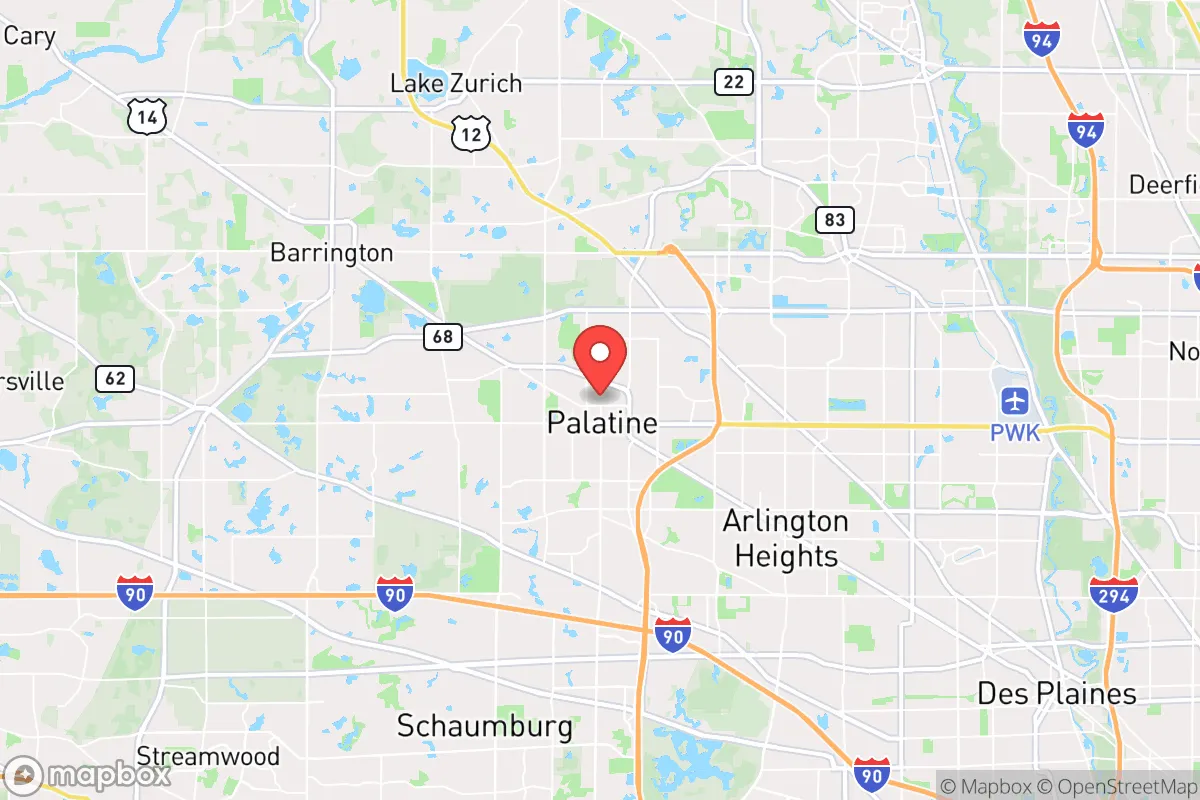
Palatine's geographic position is defined by its place in the Chicago metropolitan area, roughly 30 miles northwest of the Loop. This distance is a double-edged sword. On one hand, it places Palatine outside the most likely immediate blast or ground-zero zones for a major event targeting the city's financial, governmental, or transportation infrastructure. The area sits on relatively flat, well-drained land, part of the broader glacial plain, which means no significant floodplain or landslide risks that plague other regions. The presence of the Salt Creek and the nearby Busse Woods forest preserve offers some natural water sources and green space, though these are not wilderness—they are managed parklands. The climate is a standard Midwestern four-season pattern, with cold winters that can be a survival challenge but also a natural deterrent to large-scale, sustained civil unrest during the colder months. The area's natural advantage is its access to the Great Lakes watershed, specifically Lake Michigan, which provides a massive, reliable freshwater source—though getting to it from Palatine requires a 20-30 mile trip east, a significant logistical consideration in a crisis.
Risks, exposures, and proximity to fallout-relevant landmarks
The primary risk for Palatine is its proximity to Chicago, a Tier-1 target for any state-level or non-state actor seeking to cripple the United States. O'Hare International Airport, a global transportation hub and a likely military logistics point, is only about 12 miles southeast of Palatine. A conventional or electromagnetic pulse (EMP) attack on O'Hare would create a massive secondary fallout zone of panic, looting, and gridlock that would ripple directly into Palatine. The area is also crisscrossed by major interstate highways—I-90, I-290, and I-294—which are chokepoints for evacuation and supply routes. In a crisis, these roads become parking lots or ambush corridors. Palatine itself has a population density of roughly 3,500 people per square mile, which is suburban but still dense enough that a breakdown in law and order would create significant security challenges. The village's police force is competent but small relative to the population, and mutual aid agreements with surrounding suburbs would be strained or broken in a regional emergency. The presence of the Palatine Metra station is a double-edged sword: it offers a rail evacuation route, but also a funnel for displaced persons from the city moving outward.
Practical resilience for a relocator: food, water, energy, and defensibility
For a relocator serious about prepping, Palatine requires a deliberate, layered approach to resilience. Water is the most immediate concern. The village's water supply comes from Lake Michigan via the Chicago water system, which is vulnerable to contamination, pump failure, or sabotage. A well is not a standard feature in most Palatine homes; you would need to drill one, which is expensive and requires permits. Rainwater collection is legal in Illinois but limited to non-potable use without treatment. Food security is moderate. Palatine has several grocery stores, but they rely on just-in-time delivery. A two-week supply is the minimum; a three-month supply of shelf-stable goods is prudent. The village has a farmers market in season, but local agriculture is not sufficient to support the population in a long-term crisis. Community gardens exist but are small. Energy is a vulnerability. The grid is reliable day-to-day but is part of the PJM Interconnection, a massive regional grid that could be destabilized by a cyberattack or physical sabotage on substations. Solar panels with battery storage are a viable option, though homeowners associations (HOAs) in some Palatine neighborhoods may restrict them. Natural gas is the primary heating fuel, which is a risk if the pipeline system is compromised. A backup generator, preferably dual-fuel, is a near-necessity. Defensibility is the hardest factor. Palatine is a typical suburban grid of streets and cul-de-sacs, not a defensible compound. Your best bet is a home on a corner lot with clear sightlines, or a property backing onto a forest preserve for a potential escape route. Building a network of like-minded neighbors is more important here than in a rural area—you cannot go it alone in a suburb. The local gun culture is present but not dominant; Cook County has restrictive firearm laws, though Palatine is in a more permissive part of the county. Concealed carry is legal with a license, but magazine capacity restrictions apply.
The overall strategic picture for Palatine is one of calculated risk. It is not a survivalist's paradise, nor is it a death trap. For the conservative-leaning relocator who values community infrastructure, decent schools, and a relatively stable tax base (though property taxes in Cook County are high), Palatine offers a middle ground. The key is to treat it as a base of operations, not a fortress. Your plan must account for the high probability of a "gray zone" scenario—protracted civil unrest, supply chain disruptions, and localized violence—rather than a single, clean catastrophic event. The proximity to Chicago is a liability, but it also means access to a massive pool of potential resources, if you can secure them before the chaos. The smart move is to have a secondary, more remote location within a few hours' drive—perhaps in rural Wisconsin or downstate Illinois—as a bug-out destination. Palatine can work, but only if you are prepared to leave it behind when the calculus shifts. It is a place to live, not a place to make a last stand.

* Values derived from national, state, county, city and local statistics and may differ in a specific area. Last updated: 2026-04-29T21:08:19.000Z
Narrative content on this page is AI-generated and may contain mistakes. Verify any details that matter before acting on them.
ReloMaps may earn a commission from affiliate links at no extra cost to you.

