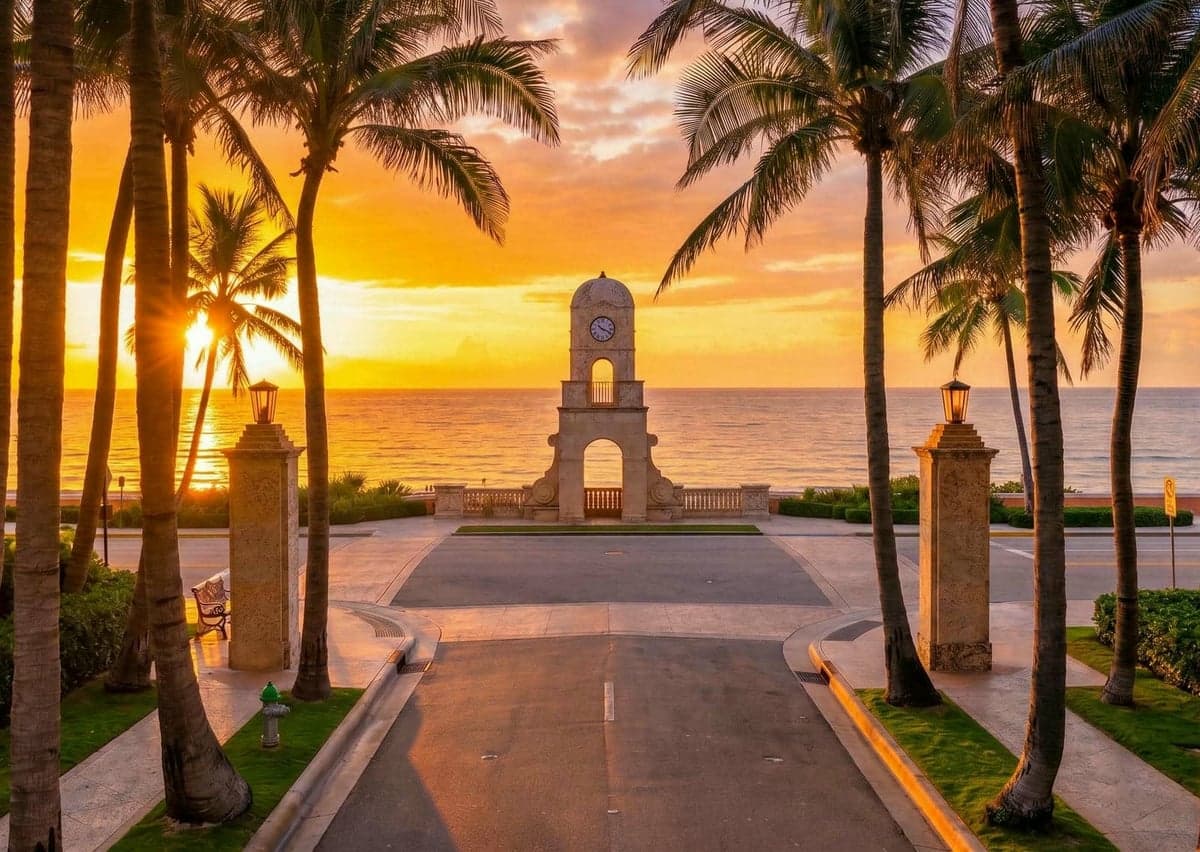
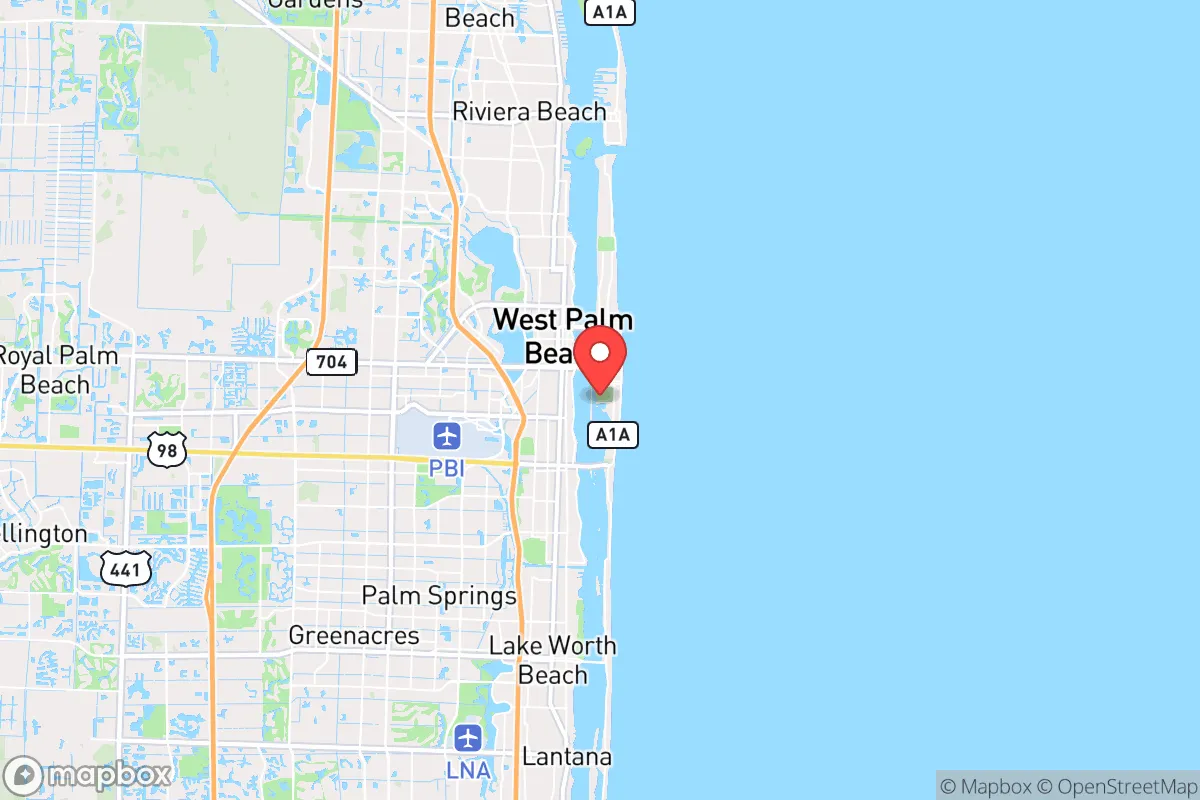
Photo: Made with AI
Demographics of Palm Beach, FL
Affluence Level in Palm Beach, FL
An elite concentration of wealth — high incomes, strong home values, advanced degrees, and minimal poverty signal a top-tier socioeconomic profile.
People of Palm Beach, FL
The people of Palm Beach, Florida, in 2026 form an overwhelmingly white, affluent, and highly educated enclave of just over 9,200 residents, distinguished by its concentration of seasonal wealth and historic preservation. With a population that is 90.2% white and 68.4% college-educated, the city’s character is defined by old-money estates, luxury retail along Worth Avenue, and a pronounced seasonal cycle that swells the population with second-home owners from the Northeast and Midwest. The foreign-born share is a modest 5.7%, and the Hispanic population stands at 6.0%, while Black residents make up only 0.5% and East/Southeast Asian communities 0.9%, reflecting a demographic profile that has remained remarkably stable and exclusive over the past century.
How the city was settled and grew
Palm Beach was not settled organically but was deliberately developed as a winter playground for the industrial elite in the late 19th and early 20th centuries. Henry Flagler, the Standard Oil magnate, extended his Florida East Coast Railway to the area in 1894 and built the Royal Poinciana Hotel and the Breakers, transforming a barrier island of scrub palmetto into a resort destination for northern industrialists. The original population was almost entirely white, Anglo-Saxon, and Protestant, drawn by Flagler’s vision of a tropical escape for the wealthy. The earliest residential enclave, the Estate Section along the oceanfront and Lake Worth, was platted for mansions owned by families like the Vanderbilts, Phipps, and Pulitzers, who built winter homes on large lots with private beach access. Sunny Isles, a smaller neighborhood near the southern end, attracted a slightly less grand but still affluent set of seasonal residents. The city was incorporated in 1911, and through the mid-20th century, its population remained a tight-knit, seasonal community of white Protestant elites, with a small service workforce of Black and Bahamian laborers living in the nearby mainland town of West Palm Beach, not within Palm Beach city limits.
Modern era (post-1965)
After the 1965 Immigration and Nationality Act, Palm Beach saw virtually no influx of new immigrant groups, unlike many other Florida cities. The city’s high property values and strict zoning—including minimum lot sizes and height restrictions—effectively priced out all but the wealthiest buyers. The white share of the population remained above 90% through the 2020s, with the small Hispanic population (6.0%) concentrated in service roles, many living in the South End neighborhood near the town line with West Palm Beach, where older, smaller condominiums and apartments provide more affordable housing. The East/Southeast Asian community (0.9%) is largely composed of professionals in finance and real estate, with no single ethnic enclave, while the Indian subcontinent population (0.2%) is negligible. The most significant demographic shift has been internal: a gradual replacement of old Protestant families by newer money from finance, tech, and international business, particularly in neighborhoods like Midtown and the North End, where older estates have been purchased and renovated by hedge fund managers and European buyers. The seasonal population remains the city’s defining feature, with winter occupancy often doubling the official year-round count.
The future
Palm Beach’s population is heading toward further homogenization at the top of the income scale, driven by rising property values and the conversion of older homes into even larger estates. The city’s demographic future is not one of ethnic diversification but of economic consolidation: the median home price exceeds $5 million, and new construction is almost exclusively ultra-luxury. The Hispanic and East/Southeast Asian populations are likely to remain small and stable, as the city lacks the rental housing stock and employment base that attract immigrant communities. The most notable trend is the growing share of residents from the Northeast and California, who are buying second homes and, increasingly, relocating full-time, drawn by Florida’s lack of state income tax and the city’s exclusive social fabric. The Estate Section and North End will continue to see teardowns and rebuilds, while the South End may see modest infill of smaller homes, but the overall population count is unlikely to grow significantly due to strict density limits.
For a conservative-leaning individual or family considering relocation, Palm Beach offers a stable, high-security environment with a like-minded population that values privacy, tradition, and low taxes. The city is becoming more insulated by wealth, not more diverse, and the trade-off is a lack of demographic variety in exchange for a predictable, orderly, and exceptionally affluent community. New arrivals should expect a place where social circles are formed around property ownership and club memberships, and where the seasonal rhythm of winter social season and summer quiet defines daily life.

* Values derived from national, state, county, city and local statistics and may differ in a specific area. Last updated: 2026-05-14T02:25:10.000Z
Narrative content on this page is AI-generated and may contain mistakes. Verify any details that matter before acting on them.
ReloMaps may earn a commission from affiliate links at no extra cost to you.

