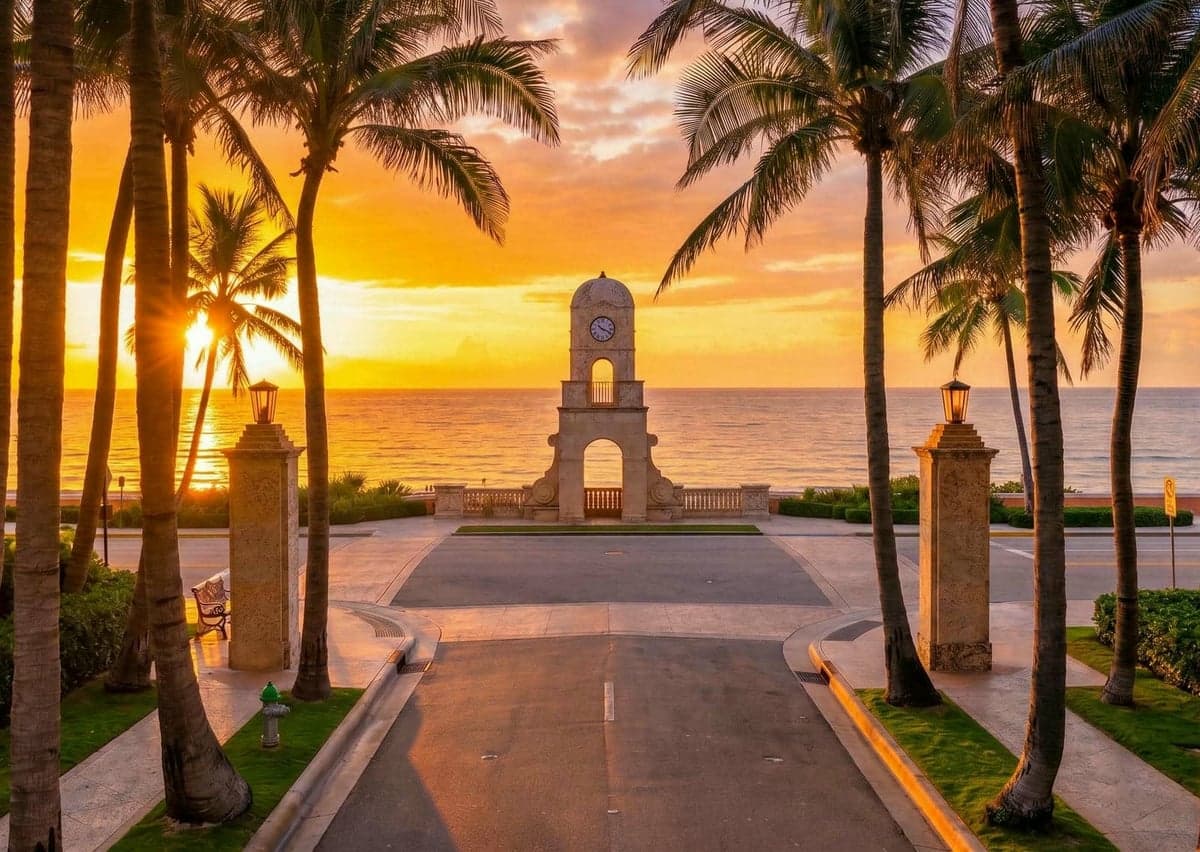
Photo: Made with AI
Quality of Life in Palm Beach, FL
A high quality of life with strong walkability, manageable living costs, healthy neighborhood signals, and solid amenity access.
What does Quality of Life tell us?
Quality of Life blends cost of living, nearby amenities, socioeconomic signals, and neighborhood character. City-level scores represent the whole municipality; individual neighborhoods can differ.
What does this tell us?
Quality of Life blends cost of living, nearby amenities, socioeconomic signals, and neighborhood character. City-level scores represent the whole municipality; individual neighborhoods can differ.
Cost of Living
279% above national average
The Real Cost of Living in Palm Beach, FL for 2026
| Tier | Individual | Family (4) |
|---|---|---|
| Survival | $48k | $90k |
| Comfortable | $388k | $570k |
| Luxury | $404k+ | $626k+ |
| Elite (Top 5%) | $722k+ | $1.1M+ |
31%
The Area Signal
A metric tracking the socioeconomic signals of the area.
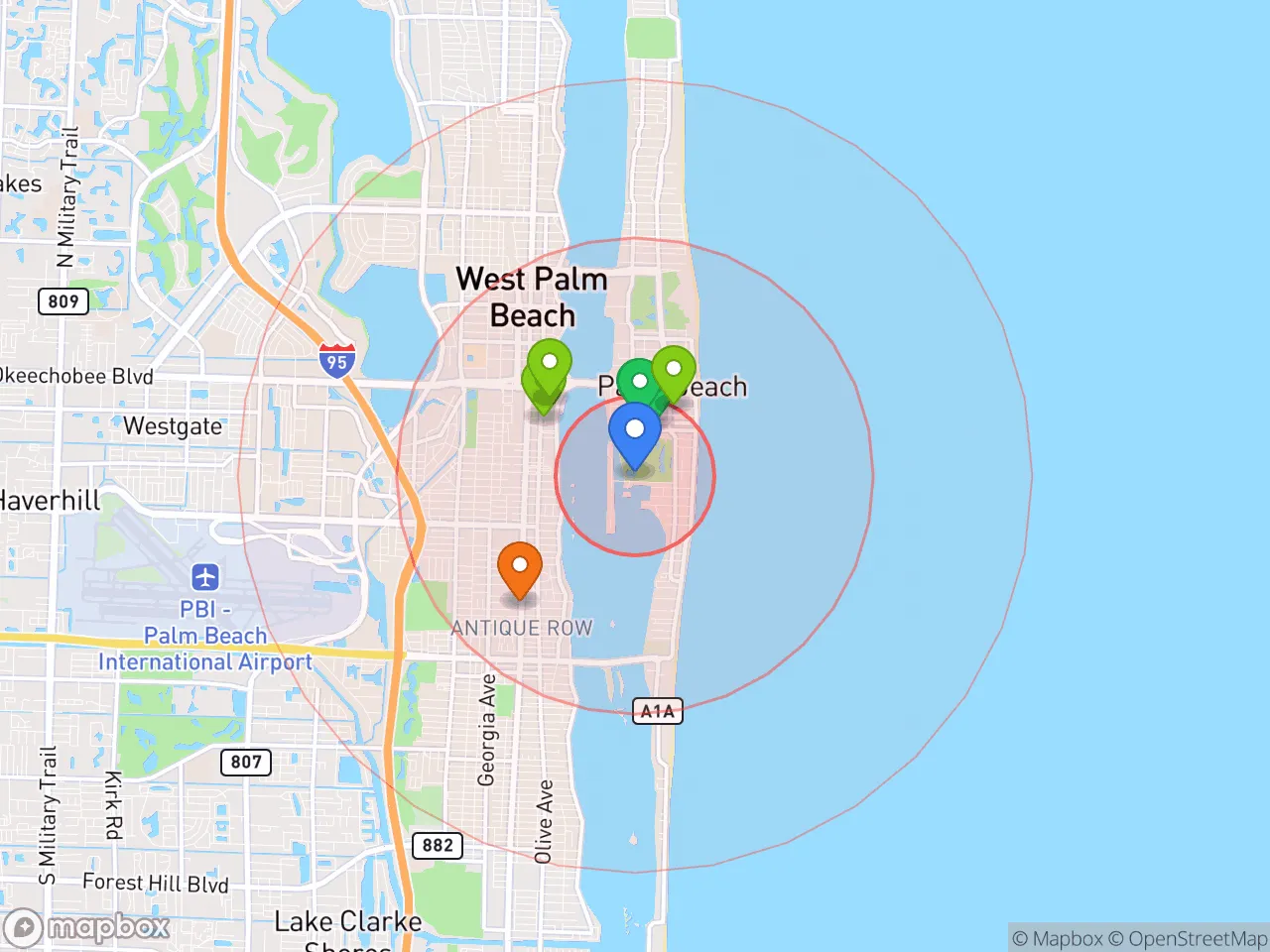
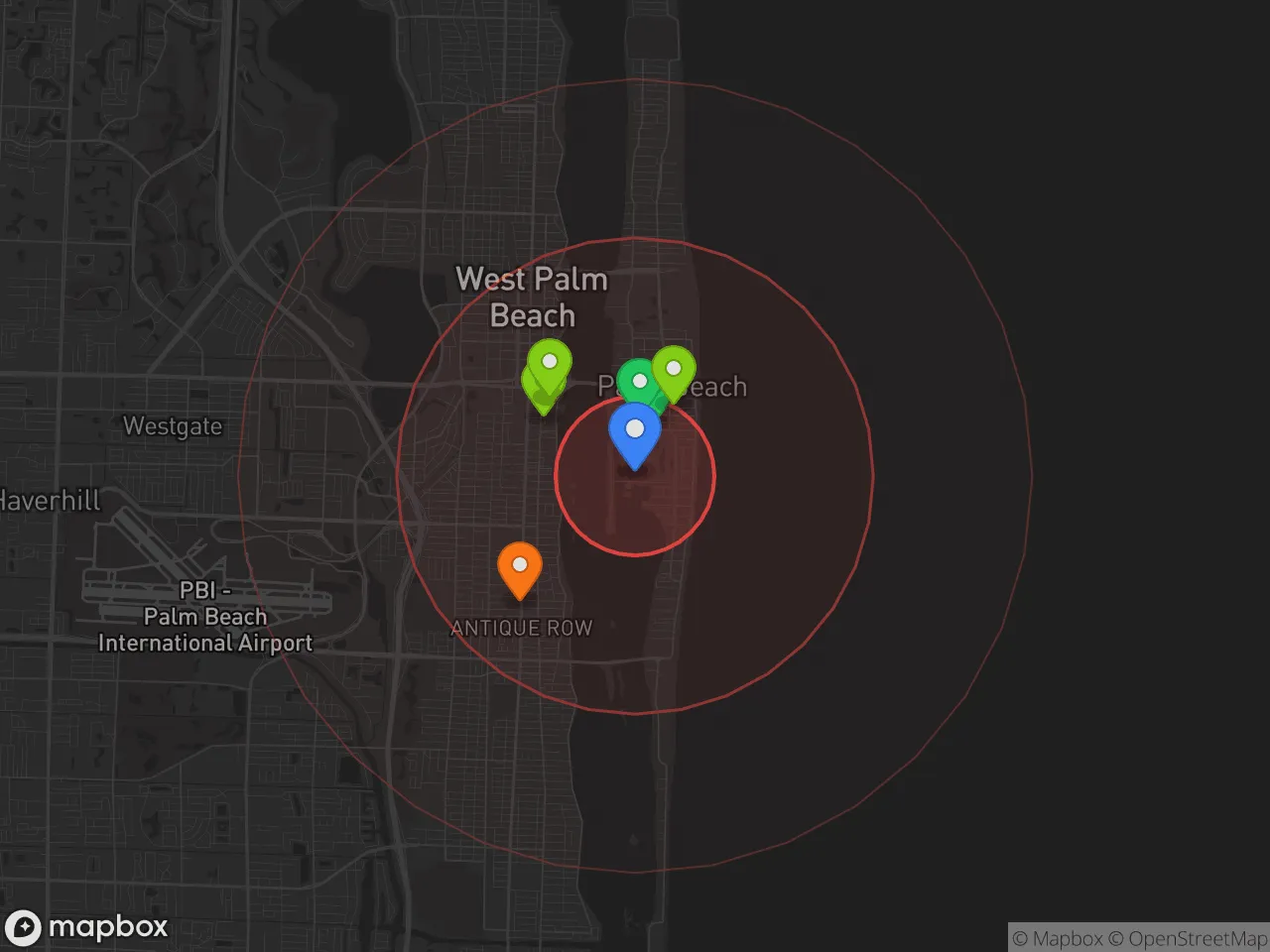
Hobbies
Explore the areaGroceries
6 within 10 miles
Gas
20 within 10 miles
Hospital
19 within 20 miles
Airport
FLL — Fort Lauderdale–Hollywood
Post Office
USPS — Palm Beach, FL
Critical Amenities
Quality-of-Life Analysis
Palm Beach, Florida, is one of the most affluent enclaves in the United States, defined by its oceanfront estates, private clubs, and a population that skews heavily toward high-net-worth retirees, seasonal residents, and second-home owners. With a cost of living index of 379—nearly four times the national average—the town operates on a financial scale that excludes most middle-income households, attracting instead those who prioritize exclusivity, privacy, and direct beach access over affordability. The year-round population of roughly 9,000 swells significantly during the winter "season," when the social calendar fills with charity galas, polo matches, and yacht club events.
Cost of living, housing, and how it compares to nearby areas
Palm Beach’s housing market is among the priciest in Florida, with a median home value of $1,996,700—roughly six times the national median and more than double the median in neighboring West Palm Beach, where homes average around $450,000. Rents, however, tell a different story: the median rent of $1,849 is only about 15% above the national figure, reflecting a rental stock dominated by older condos and seasonal leases rather than luxury single-family homes. This rent-to-value gap means that buying in Palm Beach requires immense capital, while renting can be a more accessible entry point for professionals or seasonal workers. Compared to nearby coastal towns like Manalapan or Jupiter Island, Palm Beach is similarly expensive, but it offers denser walkability and a more concentrated social scene. The average commute of 26.8 minutes is slightly longer than the national average of 26 minutes, largely because many workers live in less expensive mainland communities like West Palm Beach or Lake Worth and drive across the bridges daily.
What daily life is like: amenities, schools, and local rhythm
Daily life in Palm Beach revolves around outdoor leisure and high-end services. The town’s 23 miles of coastline include the famous Palm Beach Municipal Beach and the Lake Trail along the Intracoastal Waterway, both heavily used for walking, cycling, and paddleboarding. Shopping and dining cluster along Worth Avenue, a Rodeo Drive-style corridor of designer boutiques and white-tablecloth restaurants. For families, the Palm Beach Public School (K-5) earns an A rating from the Florida Department of Education, while older students typically attend private institutions such as Palm Beach Day Academy or Oxbridge Academy in West Palm Beach. The rhythm is distinctly seasonal: from November through April, the population doubles, traffic on South Ocean Boulevard intensifies, and reservations at spots like Café L’Europe become essential. Summers are quieter, with many residents traveling north or to Europe, leaving the town to a smaller core of full-time locals and service-industry workers.
Palm Beach is best suited for retirees, second-home buyers, and wealthy professionals who can absorb its extreme housing costs and value a quiet, security-focused, amenity-rich environment over urban energy or career opportunities. It is not a place for young families on a budget, first-time homebuyers, or anyone seeking a diverse, year-round nightlife scene. Those who thrive here are typically drawn by the combination of oceanfront living, low property crime rates, and a social network built around philanthropy, golf, and boating—all within a town that feels more like a private resort than a typical American city.

Crime in Palm Beach, FL
Lower crime rates than 86% of comparable U.S. locations.
Violent CrimeViolent Crime Analysis
Property CrimeProperty Crime Analysis
Crime Analysis
Palm Beach, Florida, presents a notably safe environment compared to both state and national averages, with a violent crime rate of 166.8 incidents per 100,000 residents and a property crime rate of 735.6 per 100,000. These figures place the town well below the national violent crime benchmark of roughly 380 per 100,000 and the Florida state average of approximately 380 per 100,000, indicating a low risk of serious offenses for residents and visitors. However, the town’s location within Palm Beach County, part of the broader South Florida metro area, introduces a critical caveat: the county’s justice system operates under progressive prosecutorial policies that can undermine public safety by prioritizing offender rehabilitation over incarceration, a factor that directly impacts crime trends and community security.
Crime in context
Palm Beach’s violent crime rate of 166.8 per 100,000 is less than half the national average, while its property crime rate of 735.6 per 100,000 is significantly lower than the U.S. average of roughly 1,950 per 100,000. This places Palm Beach among the safest municipalities in Florida for both violent and property offenses. However, these statistics must be weighed against the broader regional context. Palm Beach County, which includes the town, has seen a rise in property crimes and certain violent offenses linked to recidivism, a pattern exacerbated by the county’s progressive district attorney’s office, which has implemented policies such as reduced cash bail and diversion programs for repeat offenders. These policies, while intended to reduce incarceration, have been criticized for releasing individuals back onto the street who go on to commit additional crimes, directly undermining the safety of communities like Palm Beach.
What residents experience
Residents of Palm Beach generally report a high sense of security, with the town’s private security patrols and gated enclaves providing an additional layer of protection. The low violent crime rate means incidents like assault, robbery, and homicide are rare. Property crime, while higher than violent crime, is still well below national norms, with theft and burglary being the most common concerns. However, the progressive justice policies at the county level create a tangible risk: offenders arrested in Palm Beach are often processed through a system that favors leniency, meaning that even those caught committing property crimes may face minimal consequences. This can lead to a revolving-door effect, where the same individuals commit multiple offenses before facing significant penalties. For residents, this translates into a need for vigilance, particularly regarding vehicle break-ins and package theft, which are the most frequent property crimes reported.
Neighborhood-level variation is pronounced in Palm Beach. The island’s core, including the Estate Section and North End, benefits from concentrated private security and low-density housing, resulting in near-zero violent crime and minimal property crime. In contrast, areas closer to the town’s commercial corridor along South County Road and near the bridge to West Palm Beach see slightly higher property crime rates, as these zones are more accessible to transient populations. The town’s police department maintains a strong presence, but the overarching county-level policies remain a persistent concern for long-term safety, as they reduce the deterrent effect of prosecution and increase the likelihood of repeat offenses.
* Values derived from national, state, county, city and local statistics and may differ in a specific area. Last updated: 2026-05-14T02:25:10.000Z
Narrative content on this page is AI-generated and may contain mistakes. Verify any details that matter before acting on them.
ReloMaps may earn a commission from affiliate links at no extra cost to you.

